Brotherhood and Blame: Exploring Fëanor’s Pride, Impulsiveness, and the Power of Honest Friendship

There are so many incredible themes that J. R. R. Tolkien wrote into The Silmarillion. One such theme is that of friendship. I always say we should never judge someone by their worst moment. Olwë‘s rebuke of Fëanor reflected a deep understanding of true friendship. By saying, “We renounce no friendship. But it may be the part of a friend to rebuke a friend’s folly,” Olwë, the King of the Teleri, was rebuking Fëanor for his reckless behavior and obsession with the Silmarils. Olwë emphasized that genuine friends do not abandon each other in times of mistake or folly.

Fëanor’s intense desire to reclaim and possess the Silmarils (jewel-stones created by Fëanor that contain the light of the Two Trees). These led him to betray his oath and forge alliances with Morgoth, the dark enemy. His obsessive pursuit caused strife among the Elves, led to wars, and resulted in tragedy for many involved.
Olwë’s rebuke reflects a concern about Fëanor’s pride, impulsiveness, and the destructive consequences of his actions. Despite his disapproval, Olwë’s words also reveal a sense of brotherhood and the understanding that, even amidst disagreement, friendship entails honest and loving confrontation. This underscores the theme that true friendship involves guiding one another toward better choices, even if it means risking conflict or discomfort.
Part of caring and supporting is to honestly and kindly point out errors or misguided actions. This act of rebuke is motivated by concern and a desire for the other’s growth, showing that true friendship involves both love and honesty. So, Olwë is implying that even if he disagrees with or disapproves of Fëanor’s choices, he still considers him a friend and believes that sometimes friends must speak difficult truths to help one another.
Finding Fulfillment: The Power of Living with Purpose and Passion
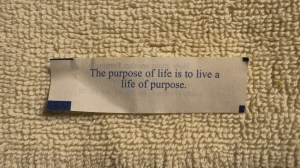
Finding our purpose in life is deeply connected to the idea that meaningful actions and pursuits bring us a sense of fulfillment and peace. J. R. R. Tolkien used the theme of purpose in a lot of his writing. I have blogged about this most recently in Leading With Purpose and Leading With Love, Friendship, Purpose and Conviction. Then in The Silmarillion he had Fëanor say: “For the less even as for the greater there is some deed that he may accomplish but once only; and in that deed his heart shall rest.” The Fëanor quote highlighted the idea that each person has unique, singular deeds. These are usually moments or actions that only that person can perform and which define them and their purpose.
For Fëanor, a character known for his passionate spirit and exceptional craftsmanship, this meant that certain actions or creations are so personal and profound that once they are accomplished, they bring a sense of fulfillment and peace to one’s heart. It emphasized the importance of dedicating oneself fully to those unique moments or deeds that truly resonate with one’s essence, understanding that such significant acts are rare and ultimately bring lasting satisfaction.
When we discover what truly resonates with our inner self, dedicating ourselves fully to those passions or goals gives our lives a sense of direction, significance, and purpose. These purpose-driven moments become rare treasures, leaving a lasting impact on our well-being and happiness. Ultimately, aligning with our purpose helps us experience life’s moments more profoundly, fostering inner contentment and a sense of completeness
Truth and Consequences

I loved this statement from my reading in The Silmarillion today: “Long was he at work, and slow at first and barren was his labour. But he that sows lies in the end shall not lack of a harvest, and soon he may rest from toil indeed while others reap and sow in his stead” (emphasis added by me). At first I really had to think about what J. R. R. Tolkien was wanting us to reflect on here. It made me wonder how a person that sows lies has a harvest, but while pondering this I realized the sower of lies does reap what they sow. The statement from The Silmarillion reflects on the nature of actions, particularly those rooted in dishonesty or deception.
It suggests that lying or deceit may initially seem insignificant or easy, but ultimately, there are consequences. “He that sows lies” will inevitably face a harvest of those falsehoods. Over time, this can lead to a form of rest or peace for the deceiver, yet this peace is illusory, as others will eventually reap the results of the lies. The passage emphasizes the idea that dishonest actions can produce a harvest, either of trouble or consequences, and underscores the importance of integrity and truthfulness in our dealings.
The Allure Of Superficial Rewards

In his 1951 letter to Milton Waldman, included as part of The Silmarillion, J. R. R. Tolkien said, “Reward on earth is more dangerous for men than punishment!” This comment really stood out to me. It also stood out that he made this a part of his sub-creation of Middle-earth. This reflected his perspective on the allure of worldly success and material rewards. In his letter to Waldman, Tolkien was suggesting that the desire for earthly rewards, such as fame, riches, or status, can be more perilous because it can lead us away from true values, morals, and spiritual fulfillment.
While punishment might serve as a deterrent or correction, the pursuit of superficial rewards can deceive and corrupt an our character, fostering greed, pride, and complacency. Tolkien warned, as we can see in some of the characters of The Lord of the Rings, that the temptations of worldly gain can be more insidious and damaging than punishment because they can subtly lead people astray from a meaningful and morally upright life.


leave a comment