Frodo and Cincinnatus: Heroes of Humility and Service Beyond Glory
Yesterday when I wrote Leading Like Frodo: Frodo’s Quiet Withdrawal considering Frodo’s completion of the quest and fading from the public’s eye, I couldn’t help but think about Cincinnatus. Cincinnatus did not want to lead for power, but to serve. He always returned to the farm after saving Rome twice. At the conclusion of all his service Cincinnatus just wanted to go back to his farm, where he milked his own cows and branded his own calves. He exemplified civic virtue. Cincinnatus accepted authority only when necessary and relinquished it promptly afterward. His leadership exemplified selfless service to the republic, emphasizing that true heroism involves duty without seeking personal glory.
Frodo Baggins, from J. R. R. Tolkien’s The Lord of the Rings, was a humble hobbit tasked with the enormous responsibility of carrying the One Ring to Mount Doom to destroy it. Frodo was persistent, brave, resilient, and humble. He embodied the virtue of service, willingly bearing a burden for the greater good. Frodo’s journey highlighted themes of sacrifice, perseverance, and humility. Despite the fame and power associated with the Ring, he remained modest and committed to his mission for the sake of others.
Both Frodo and Cincinnatus are archetypes of humble service and sacrifice. Frodo’s journey reflected individual perseverance in the face of great evil, while Cincinnatus’s story underscores civic responsibility and humility in leadership. Neither sought power or recognition; instead, they accepted their burdens out of duty and prioritized the common good. Their stories remind us that genuine heroism often resides in quiet dedication, perseverance through hardship, and humility. Frodo and Cincinnatus had values essential for a just and resilient society.
With The Crowd, Not Of It
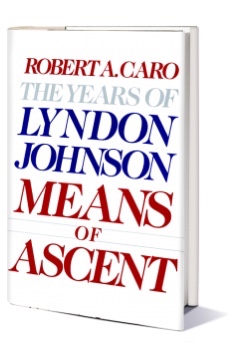
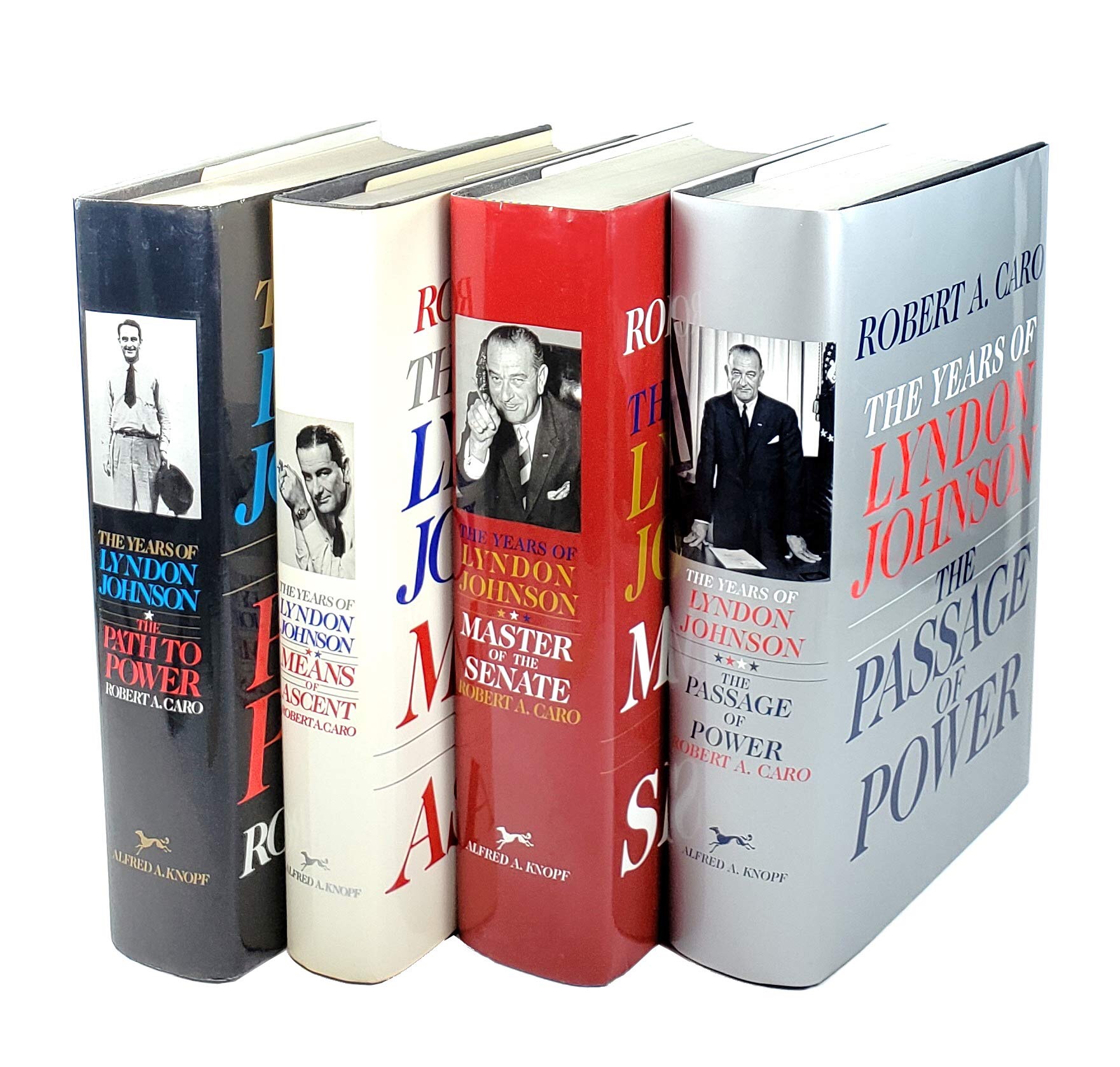 I am reading Robert Caro’s second volume in The Years Of Lyndon Johnson – Means Of Ascent. He is such a great author and I love the things in this book that make me ponder, reflect, and give me pause. Right now at about a third of the way through this volume I am learning about a most fascinating man, Coke Stevenson. Or, Mr. Texas as he was known, was Texas’ 35th Governor.
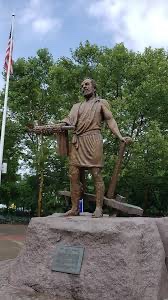
Cincinnatus Statue in Cincinnati
He is my kind of leader. He practiced the learning of one of my heroes, Cincinnatus, of not wanting to lead for power, but to serve. Cincinnatus always returned to the farm. At the conclusion of all his service he just wanted to go back to his ranch, where he milked his own cows and branded his own calves. See why I love this guy?
 Stevenson was beyond reproach in the Austin, Texas bar seen of lobbyists that was known for the three Bs: “beefsteak, bourbon, and blondes” (p. 158). The way Caro described him in this setting really caused me to think: “But although, in Austin, Stevenson was with the crowd at the Driskill Bar, he was not of it; there was a reserve, a dignity, about this tall, broad-shouldered, silent man with that watchful stare that set him apart from the crowd” (p. 159). This was a man that lived his values, instead of talking about them like so many leaders do.
I loved that statement, he was with the crowd, not of it. This was a man modeling, not just going along to get along. He was able to get along on his own terms. That’s a pretty big deal in my book. Following the crowd will cause us to be mediocre at best and live contrary to our core values. It really causes us to live a life of self-betrayal, and resigns is to an average life. It has been said that those who follow the crowd get lost in it.


leave a comment