Leading In Great Plenitude
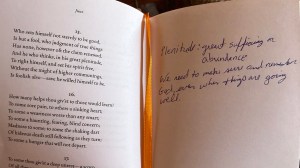
In George MacDonald’s June 15th entry in Diary of an Old Soul, he reminded us that in times of sufficiency or abundance, what he called plenitude in the poem, we need to view our success and plenitude through a lens that balances our professional, personal and spiritual lives. In 1880, here is what MacDonald wrote in that June 15th poem:
“Who sets himself not sternly to be good,
Is but a fool, who judgment of true things
Has none, however oft the claim renewed.
And he who thinks, in his great plenitude,
To right himself, and set his spirit free,
Without the might of higher communings,
Is foolish also – save he willed himself to be.”

To be transparent, I had to look up the word plenitude. I was pretty sure I was getting the base word of plenty right, but wanted to make sure I knew what it meant. I found it to mean “ great sufficiency or abundance.” This poem jumped out at me. In the blank page MacDonald intentionally left for notes, I wrote, “We need to make sure and remember God, even when things are going well.” I was reminded that successful leaders make decisions by thinking through the consequences or considering how decisions will reverberate throughout our professional, personal and spiritual lives. This thinking went along with my post from yesterday entitled, Prudence in Leadership: Lessons from Aragorn’s Courage and Caution in The Lord of the Rings.
Prudence in Leadership: Lessons from Aragorn’s Courage and Caution in The Lord of the Rings
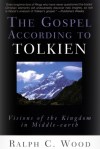
In The Gospel According to Tolkien: Visions of the Kingdom in Middle-Earth by Ralph C. Wood, Wood explained how J. R. R. Tolkien brought the original virtue of “prudence” into his stories about Middle-earth. Wood said, “For the ancient Greeks and Romans, by contrast, prudence was the chief of the virtues, the one on which all the others are based.” Wood went on to say, “It [prudence] informs the other virtues because it entails a clear-eyed knowledge of objective truth as well as the ability to act on this knowledge.” The prudent person makes decisions that are appropriate to the particular situation.
Wood pointed to Aragorn as a great example of a leader with wisdom and prudence in The Lord of the Rings. Aragorn’s measured, thoughtful approach and his ability to balance courage with caution make him a shining example of prudence in leadership within The Lord of the Rings. Aragorn showed discernment in choosing when to lead from the front and when to support others. His leadership during battles and negotiations reflected his ability to assess situations calmly and act appropriately.
Prudence, as a classical virtue, is fundamental to effective leadership because it embodies wisdom, good judgment, and the ability to make thoughtful decisions. In leadership, prudence ensures that leaders consider the long-term consequences of their actions, weigh different options carefully, and act ethically and responsibly. It helps leaders remain calm under pressure, navigate complex situations with discernment, and avoid impulsive or reckless choices that could jeopardize their teams or organizations. Ultimately, prudence fosters trust, stability, and respect, enabling leaders to guide their teams wisely through challenges while maintaining integrity and upholding shared values.
Aragorn consistently demonstrated careful judgment, weighing options and considering long-term consequences before acting. For instance, he thoughtfully planned the approach to confront Sauron’s forces and recognized the importance of unity among diverse peoples.
 Byron's Babbles
leave a comment