Impossibility To Possibility Thinking
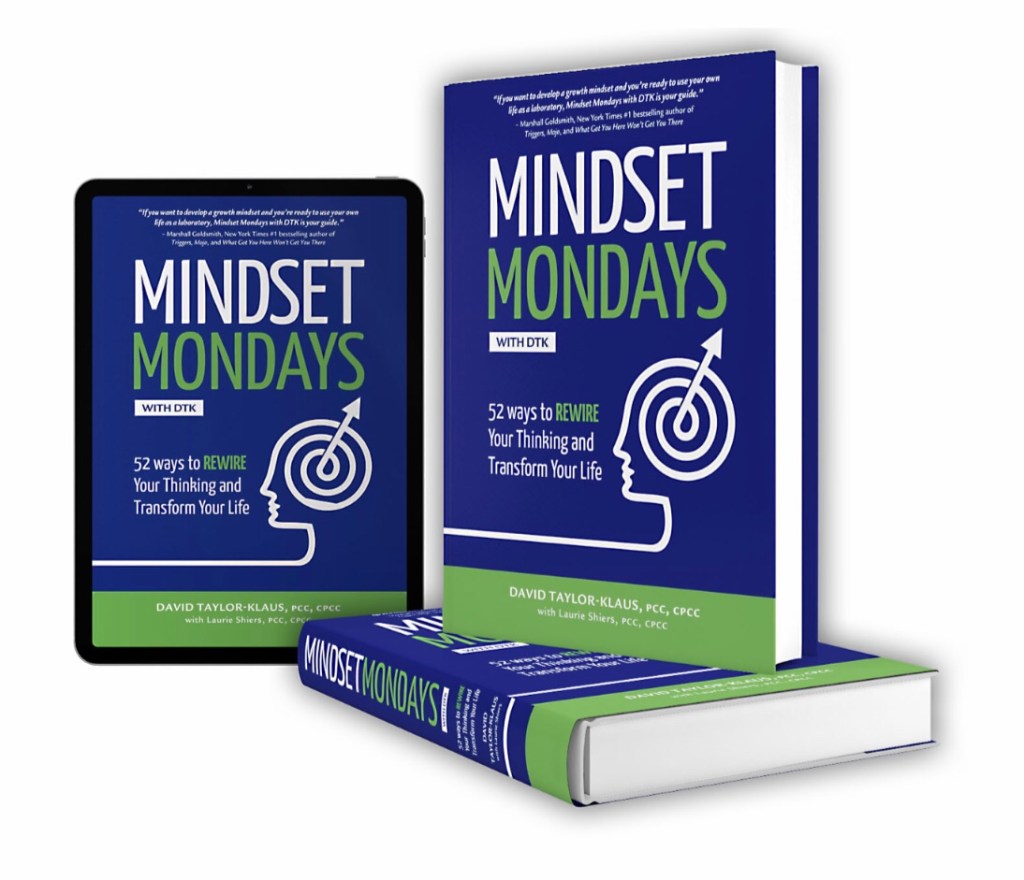
This week’s lesson in Mindset Mondays With DTK was entitled “Challenge What’s Impossible.” I loved David Taylor-Klaus‘ story of early in life deciding he would not become a father because he had come to believe in his high school Human Physiology and Anatomy class (with his favorite teacher, Mrs. Southworth, by the way) that there were just too many things that could go wrong in human development – it was just too high a risk. Bottom-line, he got past this “impossibility thinking” and has three healthy children who completely changed his life. David told us this is proof that the impossible is possible.
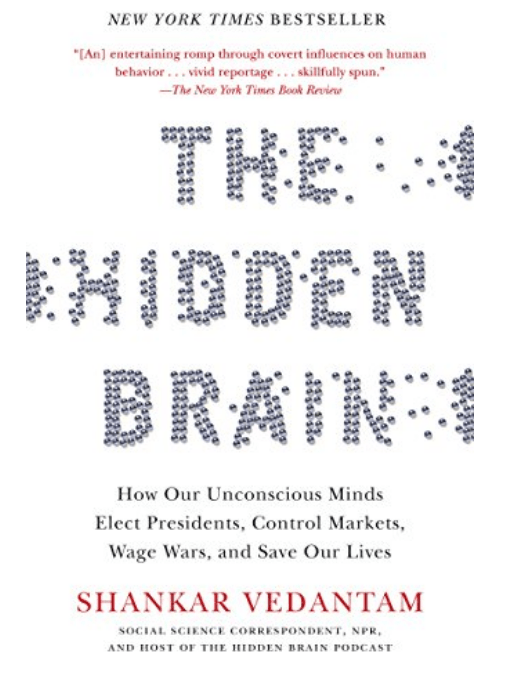
As I read this my mind went to how everyone, 192 days ago when the World Health Organization declared us in a Global Pandemic, went “owe my gosh, there is no way we will be able to read facial expressions, body language, or build relationships using virtual options for connecting. In the book The Hidden Brain: How Our Unconscious Minds Elect Presidents, Control Markets, Wage Wars, and Save Our Lives, author Shankar Vedantam taught us that when people lose the ability to read facial expressions, they also lose the ability to make quick, unconscious judgements about people and scenarios. Vedantam also discussed research from Rick van Baaran done in an Applebee’s in the Dutch town of Heerlen that showed a statistical significance in size of tip if the server repeated the order back exes actly as ordered. This research showed how people respond positively when they feel in sync with each other.
Well, let me tell you, believe we have made the impossible possible using virtual technology to connect. I’m not so sure I am not better and reading faces on Zoom than I was in person. In fact, I stopped a professional development I was doing to ask two participants if they were texting each other. They said “yes” and wanted to know how I knew that (it freaked them out a little). I explained that I was watching there expressions and could tell when one got the text from the other and smiled/laughed and then the other reacted to that reaction. It was not a problem that they were texting because actually they were talking about the content of the webinar, but I needed to see if my skills on reading people had improved that much. Additionally, I believe I am able to uses names (because they are attached to the video of the person on most all virtual connection platforms. So, while being in-person is still my preferred way to connect, at least for now, I, for one, and I know others who would agree, we can make the impossibility of building relationships, reading people, and getting in sync with each other using virtual technology to connect possible.
The lesson here: Way too often we quickly decide something is impossible and then live as if it is absolutely true. David Taylor-Klaus taught us in this fourth chapter that “Labeling something as ‘impossible’ is a close cousin to giving up all together” (p. 60). By believing we can make the seemingly impossible possible, we can create a completely different future for ourselves and those we serve.
Don’t Get Naked At 8:00 AM
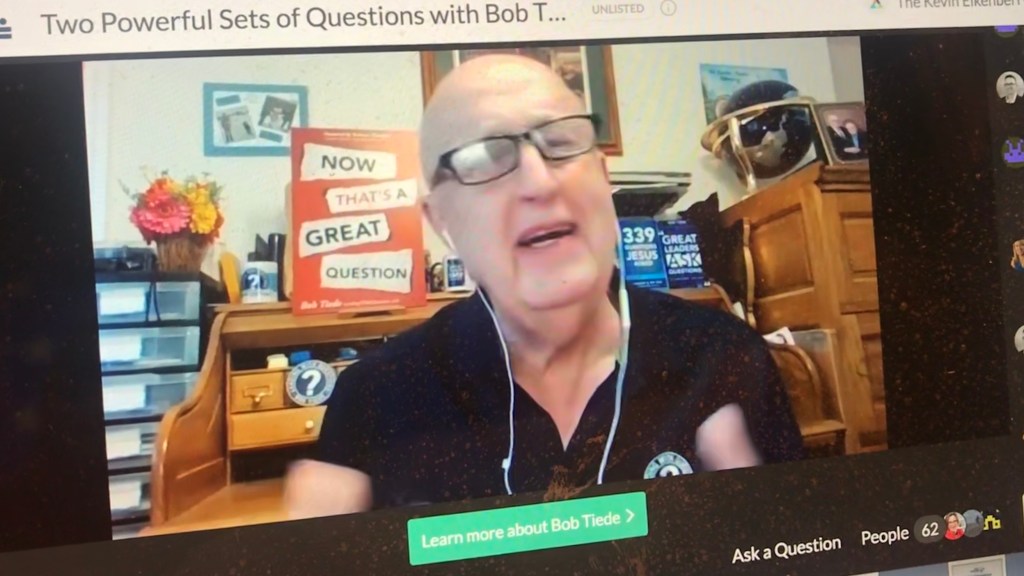
I’ll bet I got your attention with the title of this post. I’ll even bet you might be reading now just to find out what the heck I’m writing about. Well keep reading and you’ll find out. Bob Tiede is one a kind! And, I mean that as the highest of compliments. We had the chance to learn from Bob on Kevin Eikenberry’s Virtual LeaderCon on Wednesday. I have been a big time fan of Bob’s for a long time and I had chance for some personal messaging with him at the end of the day on Wednesday. PRICELESS! Bob Tiede has been helping leaders be their best for a lot of years and I have learned and grown a lot from following his work and reading his books.
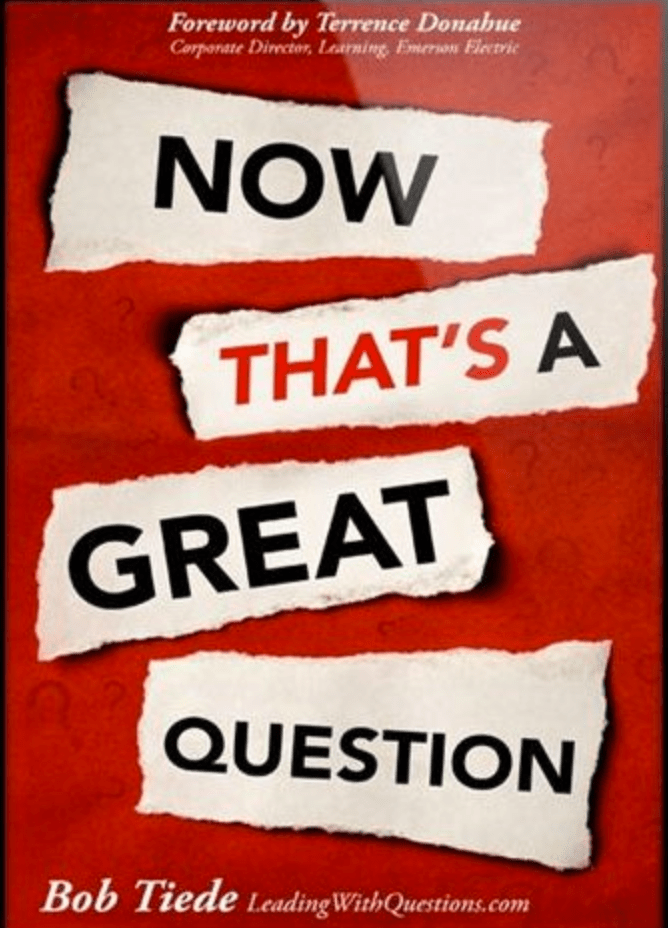
His latest work is Now That’s A Great Question. Why am I such a fan? Well, if you know me, you know I love to ask questions. Bob taught us that, “Leadership is not as much about knowing the right answers as it is about asking the right questions.” Brilliant, right? See, there I go asking a question.
“Leadership is not as much about knowing the right answers as it is about asking the right questions.” ~ Bob Tiede
Two Powerful Sets of Questions
During Virtual LeaderCon he reminded us that some of the best questions are the simplest. For example, here are three simple questions leaders can ask:
- What do you like best?
- What do you like least?
- What would you change?
After asking those three questions, Bob will tell you the most important thing to do is – LISTEN! Listening is the most important part. We must be listening to both understand and interpret. Then, we also must do something about what we have been told. Otherwise everyone will lose trust in us.
Here are four more great questions from Bob:
- What’s going well?
- What’s not going well?
- Where are you stuck?
- What needs to change?
“…no leader wants to get naked at 8:00 AM!” ~ Bob Tiede
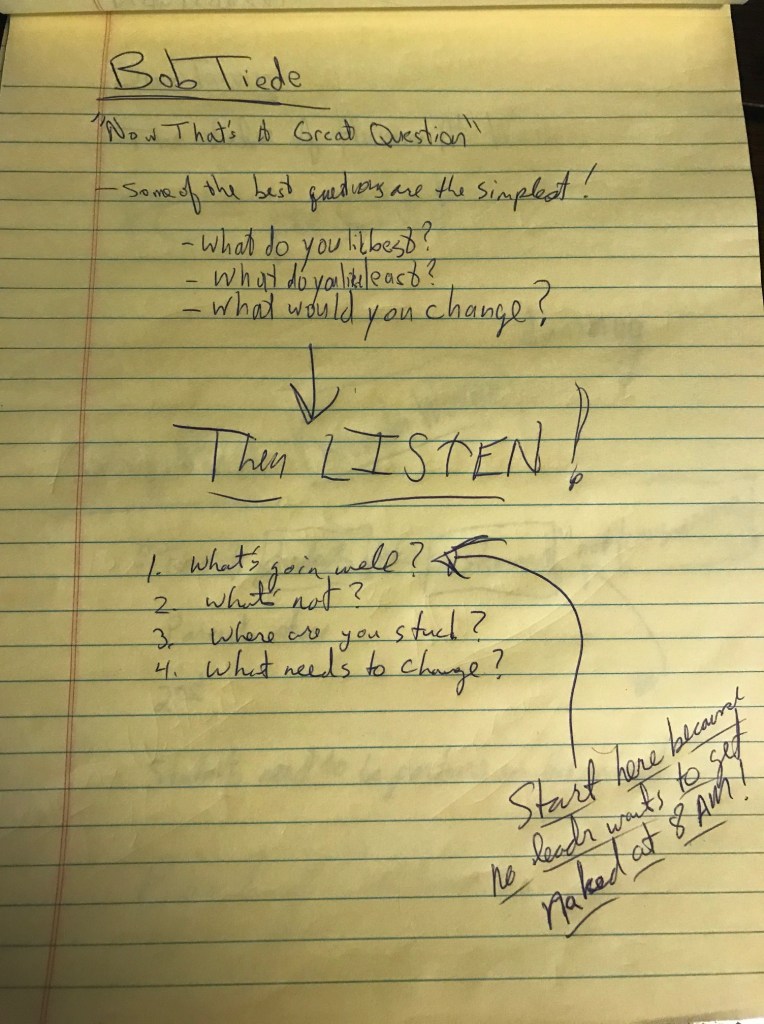
Don’t forget. What’s your job while asking these questions? LISTEN During Virtual LeaderCon Bob explained to always start with “what was liked best” and “what was going well.” Otherwise you are just starting with the potential for the conversation to become a “gripe-fest” and we have all been there before. Nothing productive ever comes out of a “gripe-fest.” Then Bob gave what I awarded as the best quote of the day on Wednesday: “Start with what’s going well, because no leader wants to get naked at 8:00 AM!” I loved it! His point was for us to start with the good things because that will put us in a much better frame of mind for truly listening to the things that need improvement. Isn’t he awesome at putting things in a way we can understand?
Bob, if you’re reading this, I’ll ask you a couple of questions (would love for you to leave a comment):
- What did I get right in this post?
- What would you like to add that I left out?
Gift Yourself Being Present For Your Own Personal Time


What a great week it has been. I have been working with schools, starting the fall gatherings of 3D Leadership, recording teacher webinars for the National FFA Organization for their virtual National FFA Convention and many other things. One of those many other things was having the opportunity to participate in and speak during the “Daily Debrief” of Kevin Eikenberry’s Virtual LeaderCon. What an incredible program and experience. It went on all five days this week with over 30 individuals with world-class expertise. I have an entire notepad filled with notes. I certainly will be using posts in this blog to process my learning. Additionally, I have already used things I learned from Virtual LeaderCon in the other work I have been doing this week.
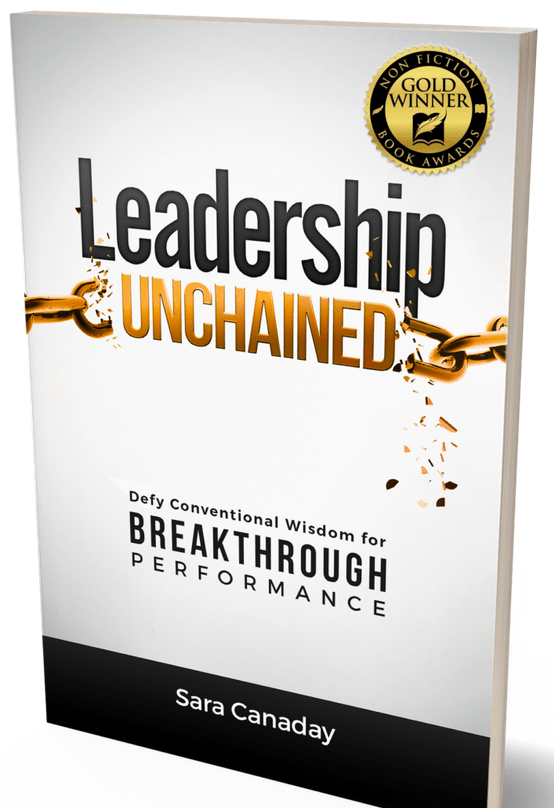
There were so many great pieces of advice said that I wrote down, but on Wednesday, Sara Canaday, was great. I’ve know Sara for a while and she is the author of Leadership Unchained. At the end of her discussion with Kevin Eikenberry, he asked her one last question. He asked, “What’s the one piece of advice you want to give to the leaders here at Virtual LeaderCon?” Without hesitation, Sara answered, “Gift yourself with being present for your own personal time.” Huge! That his me like a ton of bricks. But…how to really do that, right?
“Gift yourself with being present for your own personal time.” ~ Sara Canaday
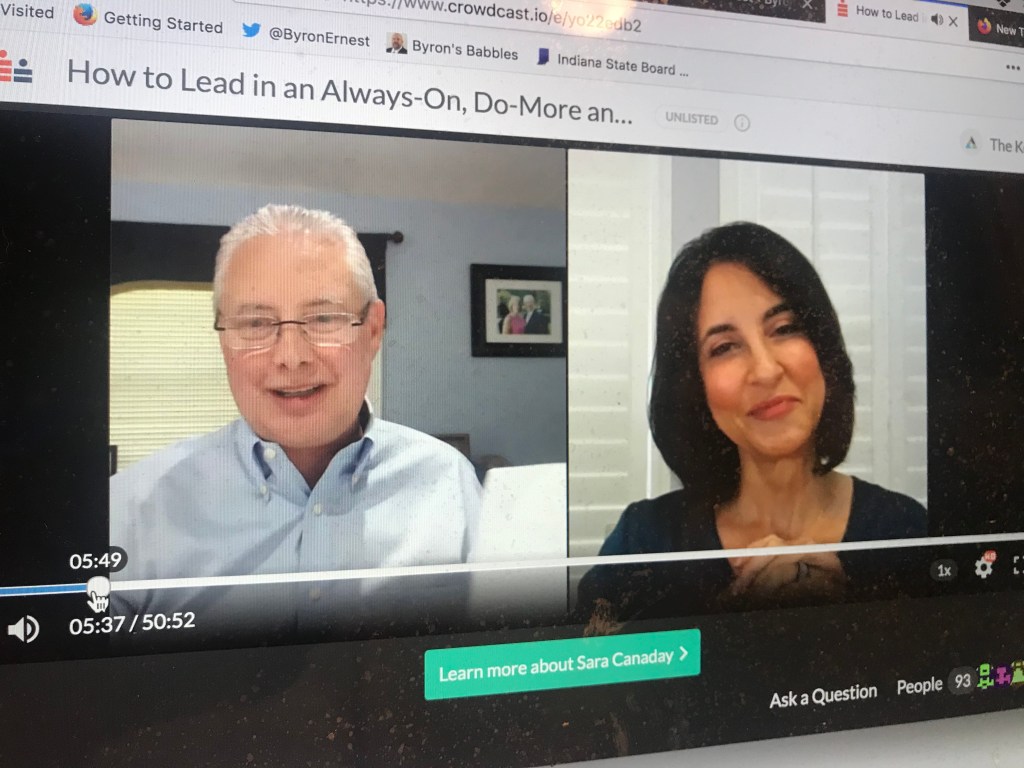
Well, we actually learned some things earlier in the conversation between Sara and Kevin that are useful in answering the question of “How?”. While Sara tells us we should calendar at least one hour, and really try for two, for personal time to marinate the happenings and learning from the week, the Virtual LeaderCon conversation taught us we probably are already doing some this. For example, my taking time to write this blog post represents taking time to marinate and process learning. Sara talked about how we always take the things people write way to literal. Its why we have trouble making changes in our lives, which as we learned from Rumi in the 13th Century when he said, “…Today I am wise, so I am changing myself.” I’m sure you have experienced the person who when they finish a book becomes obsessed with everything in the book – quoting it constantly, trying to implement every single thing in the book, actually trying to shape-shift into the author, et cetera, et cetera. Really, it’s impossible to do that and frustrating to everyone around that person. We need to take what we read and learn and apply it where applicable and needed.
The point here, specifically, is to find the things that work specifically for you, and don’t forget the things you are already doing. For me, for example, my blog is very important and personal for me to marinate the happening and learning of my life.

Yesterday I tried to also put into practice Sara’s suggestion of the the one hour of marinating personal time by using something I already had to do – an hour drive to a school I am supporting. Usually I would be listening to a book or podcast, but yesterday morning I decided to just enjoy the morning – no sound at all. I left home in the dark and was headed east at exactly the correct angle to watch the sun come up (the sunrise in the photo featured in this post was of that very sunrise). I noticed so many things. I noticed the soybeans at different stages of maturity. Some were ready to be harvested (in fact I saw some being cut on my drive home); some were still a beautiful deep green; and many others were somewhere in-between. I also noticed the fresh cut sorghum-sudangrass on both sides of the road near a large dairy farm. I had noticed these sorghum-sudangrass fields on previous trips to this school and had noted this this farm was on the same cutting schedule as my own sorghum-sudangrass crop.
There were so many other things I saw. But, here’s the deal: My mind became so clear I was able to come up with a great new idea that I can’t wait to implement. Because I drive a lot, it will be very easy to gift myself a little more personal down time – a present to myself. Where can you gift yourself being present for your own personal time?
Leading Like Elastigirl-Hulk
 So, if you could combine two superheroes into one, which ones would you bring together? During our Georgia 3D Leadership gathering this past weekend I had a participant that did just that. One of our activities had attendees pick or create a superhero that best described themselves. One of our participants blew me away with a combination of She-Hulk and Elastigirl (Mrs Incredible). I have included a picture of her creation with this post.
This sort of thing has already been done. In the late 1990s Marvel and DC tried a big crossover event in which their superheroes met, fought, and came out friends. Thus was born the Amalgam Universe. Put simply, two super-cosmic beings arranged to have the Marvel and DC Universes merge with one another, such that their finest heroes also merged to become amalgams of each other (hence the name). Some were merged because they were similar in powers or purpose, some because their names sounded alike. In like fashion, our participant created “Elastigirl-Hulk.”
 Jennifer Walters, an attorney, who is the She-Hulk got her powers after being shot and needing a blood transfusion. Her cousin Bruce Banner (Hulk) gave his blood for the transfusion and the rest is history. Jennifer got a mild version of the radioactive powers. She-Hulk taught us to never accept more than we deserve. Because of her ability to self-transform between Jennifer Walters and She-Hulk, she taught us that work-life balance is achieved by recognizing that work and life are both important. Finally, she taught us to have a sense of humor.
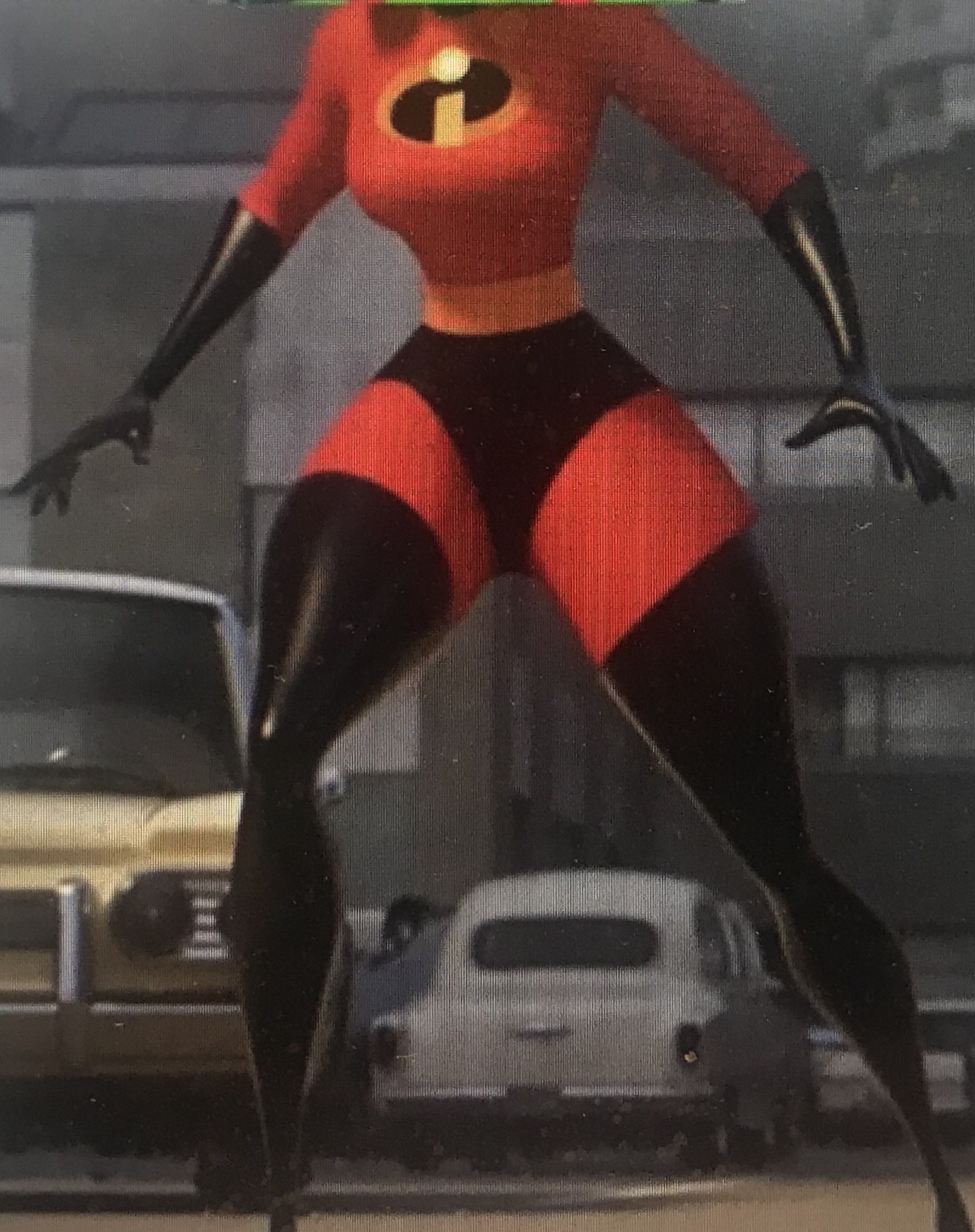 Now let’s take a look at Elastigirl (Mrs. Incredible). Her superpower is elasticity, allowing her stretch, shape-shift, and be flexible. Elastigirl understood the importance of developing teams to be capable of becoming a strong support system for all members to achieve their own goals and the goals of the organization.
Therefore, combine the flexibility and community building abilities of Elastigirl with the strength, intelligence, and the ability to control between being tough and being gentle and we’ve got quite an incredible (pun intended) woman. What superheroes would you combine?
I Don’t Want We’ll See!
 Here is my second of 52 posts reflecting on the 52 lessons in David Taylor-Klaus‘ great book Mindset Mondays With DTK: 52 Ways To Rewire Your Thinking and Transform Your Life. The title for Lesson 2 was “Collect Better Evidence” and dealt with our ability to choose. DTK taught us that our limiting beliefs are what limit our possibilities.
“The most difficult thing is the decision to act, the rest is merely tenacity. The fears are paper tigers. You can do anything you decide to do. You can act to change and control your life; and the procedure, the process is its own reward.” – Amelia Earhart
 This reminded me of something I learned from my son, Heath, when he was very young. Yes, I said I learned from him, which was often the case. He would come and ask me about going somewhere, doing something, or buying something and I would give the standard parent cop out statement, “We’ll see.” That did not fly with Heath. He would pop back with, “I don’t want we’ll see!” Once he started doing this it didn’t take long for me to realize these were teachable moments.
When something came up that was a “We’ll see” situation I would sit down and say “Ok Heath, let’s weigh out our options and make the decision right now.” Needless to say, sometimes the decision went in his favor and many times it did not. Bottom line: Heath will tell you his ability to make good and quick decisions and be ok with the results is a result of our “I don’t want we’ll see” moments.
Heath will also tell you that I say, “Let’s do something; even if it is wrong,” a lot. No action is the worst choice of all. I used to tell my students that there are really no bad decisions if you have analyzed all the evidence you have available. Sometimes things just are not going to go the way you want them to.
DTK argues in Lesson 2 that with awareness and practice we can collect better evidence giving us the power to make the choices enabling us to realize our vision. How many times have you said “We’ll see” to a choice you need to make for your own life? The choice is yours. We need to tell ourselves “I don’t want we’ll see!” We need to choose can over can’t and do something.
“Today I am Wise So I Am Changing Myself”
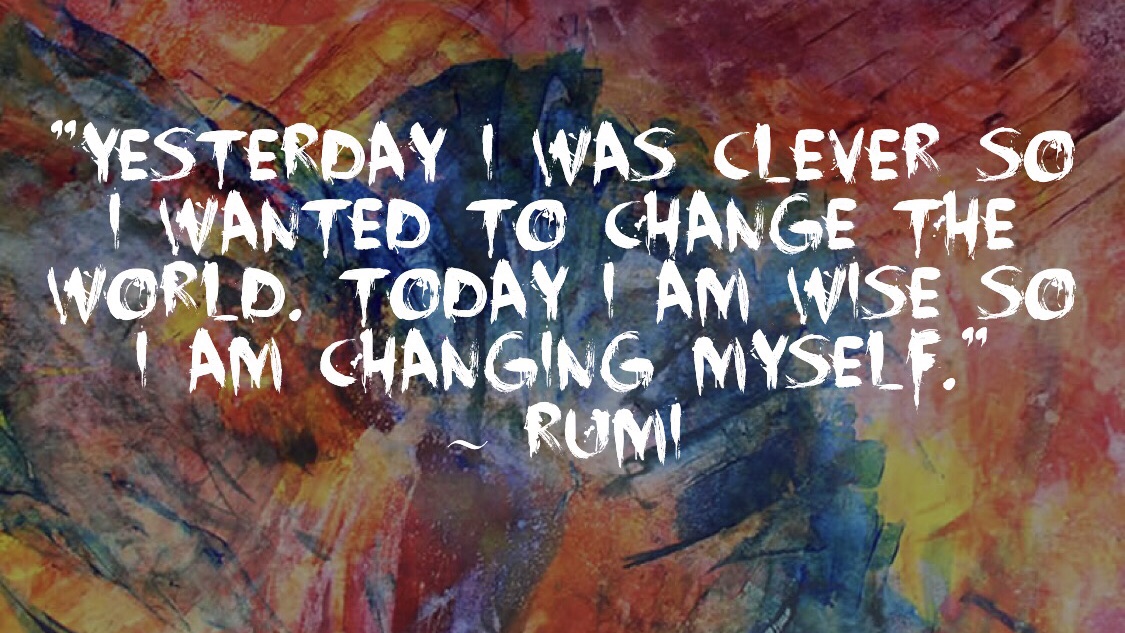 I love studying the work of the great philosophers. As I was studying the work of William James while writing Open Your Mind To The Past & All Of This May Mean Something I came across another great philosopher I hadn’t thought about in a while, Rumi. Actually, I guess really he is considered a poet and scholar. His words of wisdom from the 13th Century have continued to stand the test of time. I’m also impressed with the global impact of his work.
“Yesterday I was clever so I wanted to change the world. Today I am wise so I am changing myself.” ~ Rumi
My favorite Rumi quote is, “Yesterday I was clever so I wanted to change the world. Today I am wise so I am changing myself.” When I think about who I was 10, 20, 30, 40, or, well you get the idea, years ago I am now a very changed person. Early on I was all about changing the world as fast as I could. Now, I’ve learned and gained the wisdom to realize I need to keep evolving and changing myself so I can be best suited to contribute to the world today.
One of my favorite rock bands is Nothing More. They have a song, “Do You Really Want It?” that I use as a throughline for a leadership development session. There is a line in the song that is very impactful; it says, “Everybody wants to change the world; But one thing’s clear; No one ever wants to change themselves.” Spot on! I had the chance to have a long philosophical conversation on the bands tour bus a couple of years ago.
“Everybody wants to change the world; But one thing’s clear; No one ever wants to change themselves.” ~ Nothing More
Here’s the deal: changing ourselves doesn’t mean becoming a different person. It means improving ourselves to become a better person. If we’re doing it right we become self-aware, aware of others, develop a growth mindset, find meaning and purpose in our lives.
“All because we hate the buzzkill.” ~ Nothing More
We must learn to understand ourselves better. We must also develop empathy for others, authentically love ourselves, become values driven, and be authentic in all we do. Another line in the Nothing More song says, “All because we hate the buzzkill.” When I was visiting with their lead singer, Jonny Hawkins about this line he said we always get frustrated with all the people who are not authentic and talk a big change for the better talk, but are in it for themselves. He also stated these folks are really “virtue signaling”; just trying to say they are better than us. I wrote about this in Leading Without Virtue Signaling.” So, we need to better ourselves to be in a position to contribute positive change to the world. Rumi had it right!
Open Your Mind To The Past & All Of This May Mean Something
 Late last night I found myself flipping through the television channels. Actually, using the term channels probably really ages me – are they even called channels anymore? Anyway, I came across an old episode of Star Trek: The Next Generation (TV Series). This was my favorite of the Star Treks because I love the character Captain Jean-Luc Picard (played by Patrick Stewart). My favorite line of his that is in almost every episode is “Make it so.” I practice “Make it so!” leadership and just realized I haven’t really blogged specifically about that. Maybe tomorrow.
As I surfed and found Star Trek, the episode was just beginning. The episode was Season 2, Episode 17 and was titled Samaritan Snare. There were two throughlines established early: Captain Picard needed heart replacement surgery (routine in the 24th Century) so was traveling with Wesley Crusher in a small craft to far away Starbase 515. The Enterprise was on a rescue mission to a Pakled vessel that turned into an attempt to steal computer knowledge.
On their journey to the medical facility and surgery Picard and Crusher had a deep and revealing conversation where Picard shared how his heart had been damaged in a fight with Nausicaans as a young ensign. While at the base Crusher will be taking Starfleet exams. Here is the conversation:
Captain Jean-Luc Picard: There’s no greater challenge than the study of philosophy.
Wesley Crusher: But William James won’t be on my Starfleet Exams.
Captain Jean-Luc Picard: The important things never will be. Anyone can be trained in the mechanics of piloting a starship.
Wesley Crusher: And Starfleet Academy…
Captain Jean-Luc Picard: Takes more. Open your mind to the past – art, history, philosophy. And this all may mean something.
Star Trek has taught generations of us how great humanity could be if we study and learn from our past, learn to deal with our biases, and work together (I bolded that for emphasis) to create a better future. People have always faced difficult times and situations, and Star Trek always reminds us that when smart people come together they can come up with smart answers. It would be interesting to know just how many have been inspired to leadership, science, engineering, medicine, or many other careers because of Star Trek. As Edmund Burke taught us, “People will not looking forward to posterity, who never look backward to their ancestors.” Thus, pretty good advice from Captain Picard to open our minds to the past so that all this does mean something. Pretty good advice indeed in the 21st Century year of 2020!
I hadn’t thought about philosopher William James for a long time. William James, the father of psychology and a leading thinker of the 19th Century, actually laid the groundwork for the study and research that continues on leadership. James asserted that individuals do make a difference in history, and that the study of influential people an important pursuit. Interestingly, as I studied more and more on this I came back across the work of Thomas Carlyle and the “great man” theories I talked about in Leaders Crashing and Flying Higher. It also had me looking at studies on “hero-worship.”
According to James (1880, 1884, 1890/1956) any change that happens can be attributed to an individual or multiple individuals. The potential of a group, organization, business/industry, community, or country will be brought out not by just one individual leader, but by a collective of leaders. Thus why I believe everyone is a leader. I really believe James believed this too. No one leader has the power to determine change. No one has that kind of power. Instead a leader must work within the context she is given. Leadership then brings together individuals with circumstances.
And, I really got to thinking that this theory was modeled by the entire Enterprise crew. It took leadership from all to solve the issue with the Pakled vessel and Picard’s surgery that ended up having complications. The head surgeon said that the complication was out of his realm of knowledge and that Picard was dying. He then said that he knew someone who could solve the issue – she was summoned and did. Nothing happens in a vacuum. This is why the context matters and everyone’s expertise matters and must be brought to the “table.” This is why everyone must be a leader.
Seeking Opportunities To Observe & Update Our 🌎Worldview🌍
 We create our own beliefs, they don’t happen to us. We choose what and how we believe. As we grow up, we see the world and ourselves in a particular way. This “way” is based on environmental influences, our parents/families, and our peers. Whether we like it or not, we are responsible for developing our own belief system.
“To argue with someone else’s experience is futile. To add their experience to your own is possibly useful.”
One of my favorite quotes by an unknown author is, “To argue with someone else’s experience is futile. To add their experience to your own is possibly useful.” To me this is what empathy is about – understanding how another person’s experiences have shaped them. If we take time to truly study the experiences of others, those experiences can help give us information free of confirmation bias.
One Machiavelli principle I prescribe to is that we should always “declare” what we believe. This does not, however, mean that those beliefs can’t evolve and change. Thus, why declaring is important. In fact, sometimes we must grapple with contradictory evidence. As our society becomes more and more global, we have more and more of our own experiences and the experiences of others to process. This contemplation of dealing with opposing views and possibly believing parts of both has always intrigued me. F. Scott Fitzgerald taught us, “The rest of a first-rate intelligence is the ability to hold two opposed ideas in mind at the same time and still retain the ability to function.” I see this as an ability of great empathy, openness, humility, and leadership.
“It’s not what you don’t know that gets you into trouble, it’s what you know for sure that ain’t so.” ~ Mark Twain
This trait of openness was reinforced in an awesome book I’m reading right now, Creative Confidence: Unleashing The Creative Potential Within Us All by Tom Kelley and David Kelley. In the book we are taught that building on the ideas of others requires humility. We must first acknowledge to ourselves the we don’t have all the answers. The upside to this is that it takes the pressure off of us to know we don’t have to generate all the ideas on our own.
 Mark Twain taught us that, “It’s not what you don’t know that gets you into trouble, it’s what you know for sure that ain’t so.” We need to be diligent to not be fooled by what we “know for sure” about ourselves, our customers, our students, those we serve, our communities, or the world. We must seek out opportunities to observe and update our worldview.
Leaders Crashing & Flying Higher
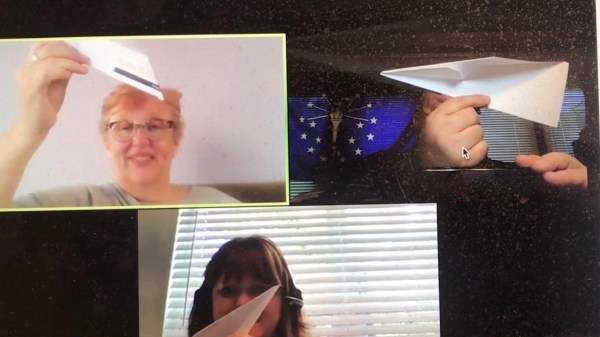 So what traits do great leaders have? That’s such a loaded question – different great leaders demonstrate different traits. If you ask a group of teacher leaders to select the top traits they think are important in a leader, you’ll find as many answers as you have teacher leaders. No one has ever been able to come up with a definitive list of leadership traits that everyone – or even a majority of people contemplating leadership – agrees on. This doesn’t stop me from trying however. During our August 3D Leadership gatherings I always do a discussion/activity called “Good Leader/Bad Leader: Crashing & Flying Higher.” This involves an activity where participants fly paper airplanes to each other with good leadership traits on the left wing and bad leadership traits on the right wing. They then keep adding to the lists as we fly the planes. This is really fun virtually on Zoom. Yes, you can fly paper airplanes virtually! Ultimately, their task is to develop a top five good leadership trait list and a top five bad leadership trait list,
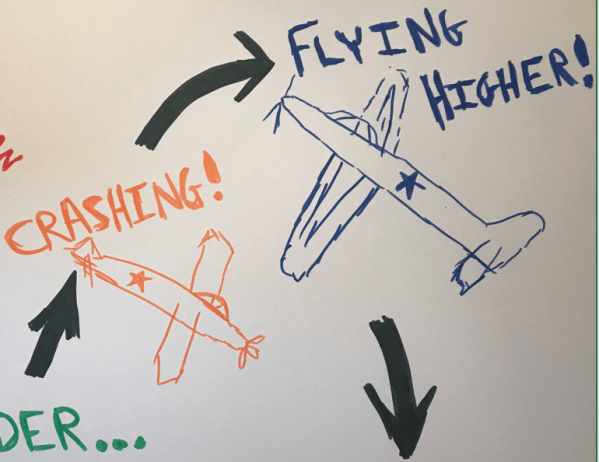 The exercise enables a great discussion and thought provoking debate. What we find is that each person’s list of good and bad traits is heavily dependent on her or his experience with different leaders. I get to do this activity 9 or 10 groups per year and every group’s lists are always at least a little different, but many times are very different. Things like who is leading the school, turnover of leaders, style of leadership of leaders, culture of the school, et cetera. This activity somewhat reinforces the idea that the trait theory of leadership is not the end all be all. “The trait theory of leadership focuses on identifying different personality traits and characteristics that are linked to successful leadership across a variety of situations. This line of research emerged as one of the earliest types of investigations into the nature of effective leadership and is tied to the “great man” theory of leadership first proposed by Thomas Carlyle in the mid-1800s. The idea with trait theory is that if you can identify the personality traits or characteristics a great leader has, you can look for those same traits in other leaders, or even develop those traits in people who want to be leaders.
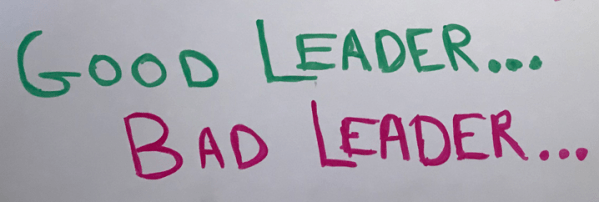 The differences that I see when doing the “Good Leader/Bad Leader: Crashing & Flying Higher” activity suggest that this may due to situational variables in which different leadership skills emerge when opportunities for leadership arise. These situations might include turnaround work, poor leaders in place, war, a political crisis, or in the absence of leadership. As a believer that everyone in an organization is leader, I believe that there must be adaptive leadership for many situations.
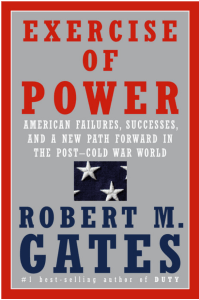 I just finished reading Robert Gates’ great new book, Exercise of Power: American Failures, Successes, and a New Path Forward in the Post-Cold War World. Having served for eight Presidents of the United States, he certainly saw different leadership styles and traits. He explained that most want to put Presidents into ascribing to idealism, realism, or transactional. As he stated, great leaders must be all three. He gives examples of Presidents being all three. In other words, to be effective, leaders must be able to adapt. When I reflect on the top five “good leader” traits that our 3D Leadership group from Tennessee came up with this past Saturday, I believe they are traits that would serve all leaders well. Here is there top five list:
- Listening to understand
- Authentic
- Being consistent
- Straight forward
- Relationship builder
Here of the top five “bad leader” traits causing leaders to crash, from our Tennessee teacher leaders if you are interested:
- Insecure
- Belittling
- Negative
- Leads by intimidation
- Doesn’t walk the talk
Leading Like A Superhero


Ever since we were kids we’ve dreamed of becoming superheroes. During our first fall gathering of 3D Leadership, I used a superhero throughline and had participants research superheroes and pick one that best represented themselves; or they could create an all new one. As always, they were super creative (a superhero power) and as they shared out I asked them a few questions:
- What is your superpower?
- How did you get your powers?
- What’s something that your arch nemesis has?
- Where would you live when your not saving the world?
- If you were on a team of superheroes, what would your role be?
- What would you fight the enemy with?
- In addition to your powers, what weapon would you want?
A couple of these superheroes really jumped out at me: Wonder Lori and Glinda. Wonder Lori was a new and made up superhero and Glinda was based on the good witch in the Wizard of Oz. The superpowers for these two were empathy and serving. Pretty good superpowers for leading like a superhero, right? Really being a superhero is about tapping one’s ability to do extraordinary things; and, being able to help others doing extraordinary things.
I was really struck by the superhero Glinda from the Wizard of Oz. The participant picked Glinda because of her power of always showing up at just the right time. This blew my mind because I had never thought about this in all the times I have watched the Wizard of Oz. But, what a great superpower, right. All of us as leaders would love the superpower of showing up at the right time. Glinda really did show up at just the right time, every time.
Additionally, the participant quoted Glinda at the end of the movie when she said, “You had the power all along, my dear, you just had to learn it for yourself.” This is such a powerful statement. Glinda was a great teacher—and this compliment is not undeserved. The first lesson she teaches is one of delegation. She tells Dorothy the Wizard might be able to help her get home, but that the journey to Oz is a long and treacherous one. Dorothy needs, as always seems to be the case, more information and asks for it (she’s very good at asking questions). Glinda tells Dorothy to follow the Yellow Brick Road and never take the ruby slippers off her feet. Of course, the Munchkins help her get started and find her way on the yellow brick road. Dorothy has more questions, but Glinda is a master delegator: she waves her wand and disappears! Remind you of any great leaders you have worked with?
Even though we don’t see Glinda very much in the movie, she’s clearly behind the scenes keeping watch, removing barriers, and doing things to help without desiring any recognition. We learn this in the scene in which Glinda sends snow to counteract the effects of the sleep-inducing poppies. Glinda never rushes in dramatically on a white horse (even thought there are really cool horses in the movie that change colors) to fix everything herself and, in the process, undermine Dorothy’s self-confidence as a leader. Even when Glinda reappears at the end of the movie, it is only to make sure that Dorothy has learned the lessons of the ruby slippers for herself – “You had the power all along, my dear, you just had to learn it for yourself.”


1 comment