Leading Like Faramir As Teacher And Role Model
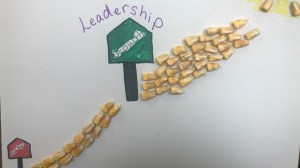
Faramir’s leadership in J. R. R. Tolkien’s The Lord of the Rings offers a rich lens through which we can explore the themes of character judgment and moral complexity. Throughout the story, Faramir exemplifies qualities that reflect a deep understanding of morality and personal integrity. I was drawn to study Faramir more because of Fleming Rutledge’s great book, The Battle for Middle-earth: Tolkien’s Divine Design in The Lord of the Rings. When she said, “This entire section on Faramir is a study of leadership” (p. 295) I was hooked. Faramir developed into a great teacher and role model, which is what leaders do.

One key moment is his encounter with Frodo Baggins and Sam Gamgee, where he chooses to act based on principles rather than raw power or the desire for glory. Unlike his brother Boromir, who succumbs to the lure of the One Ring, Faramir demonstrates restraint and wisdom. He recognizes the greater good over personal ambition, suggesting that a leader’s moral fiber is defined not by isolated incidents of bravery or strength but by their overall intentions and decisions.
“Nearly all men can stand adversity; but if you want to test a man’s character, give him power.” ~ Abraham Lincoln
Faramir’s willingness to let Frodo go free, despite the potential risks involved, showcases his ability to see beyond immediate concerns and consider the larger implications of his actions. This decision reflects a complex morality; he understands the importance of trust and mercy, qualities that aid in the growth and change of individuals. Rather than judging Frodo based on preconceived notions about the Ring-bearer, he sees the value in his character and the struggle he endures.
Furthermore, Faramir’s interactions with his father, Denethor, reveal another layer of judgment and moral complexity. Denethor is often portrayed as a tragic figure consumed by despair and pride, contrasting sharply with Faramir’s humility and sense of duty. Faramir’s leadership is characterized by a commitment to doing what is right, even in the face of familial loyalty and expectations. His choices underscore the notion that one’s character cannot be easily distilled into isolated actions, as they are often influenced by broader circumstances and personal growth.
I believe Faramir’s leadership encapsulates the idea that true character is revealed through consistent intentions, thoughtful actions, and the ability to adapt and reflect on one’s choices. His journey invites us to consider the intricacies of morality and the capacity for individuals to grow beyond past misjudgments, much like the overarching themes present in Tolkien’s work.


leave a comment