Beyond Years: Unpacking the True Nature of Wisdom Across Generations

I am loving reading Robert Heinlein’s Time Enough for Love. Another quote from Lazarus to Ira jumped out at me. He said, “Ira, age does not bring wisdom. Often it merely changes simple stupidity into arrogant conceit. Its only advantage, so far as I have been able to see, is that it spans change. A young person sees the world as a still picture, immutable. An old person has had his nose rubbed in changes and more changes and still more changes so many times that he knows it is a moving picture, forever changing. He may not like it—probably doesn’t; I don’t—but he knows it’s so, and knowing it is the first step in coping with it” (p. 19). First, I have always been a believer that age does not equal wisdom. Second, I have never believed that years of experience necessarily translate to job effectiveness, particularly in teaching.
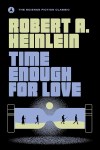
Through Lazarus, Heinlein touches on the idea that wisdom is not solely a product of age but can also stem from experience, personal growth, and perspective. Heinlein often explored themes of individuality and the importance of questioning established norms, suggesting that younger people can possess deep insights and wisdom through their unique experiences, even if they haven’t lived as long. This challenges the common assumption that older individuals are inherently wiser.
Wisdom comes not from experience, but from having an understanding of the ever-changing nature of life. The contrast between how young and older individuals perceive the world highlights the importance of adaptability and openness to change. Embracing this fluidity can help us navigate challenges more effectively.
I was intrigued by the imagery of the young person seeing life as a still picture and the older person seeing life as a moving picture. A still picture captures a single moment in time, while a moving picture tells a story that unfolds over time. This contrast can symbolize how we perceive life: the static view of a moment may not show the full context or the changes that follow. It reminds us that life is dynamic and often requires us to look beyond what is immediately visible.


leave a comment