Being Vulnerable
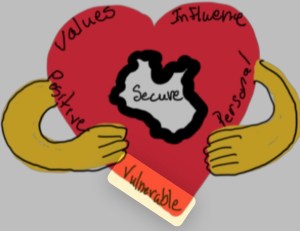
Gandalf’s words at the end of J. R. R. Tolkien’s The Return of the King carry a deep and comforting message. When he said, “Go in peace! I will not say: do not weep; for not all tears are an evil” (p. 155), he was acknowledging to Sam, Merry, and Pippin as they said goodbye to Frodo, that tears and grief are natural responses to loss and change. Tears reflect the love and care we feel for others, or just our emotional state at the time. Gandalf recognized that mourning is part of healing and that crying can be a gift. It’s really an expression of the heart’s depth. His words gently reminded us that sadness has a place in our lives and that through our tears, we honor what we have lost and find a path toward acceptance and peace.
As a believer that vulnerability is one of the most underused and underdeveloped leadership attributes, we must recognize our own and others’ emotions. Crying can be a moment of vulnerability that resonates deeply with others. I have blogged about crying before in Tears Give The Courage To Suffer. Emotional transparency fosters trust and authenticity. In my new book, Mere Leadership, I said, “Vulnerability allows leaders to connect with others on a human level, fostering trust and open communication. By acknowledging their limitations and mistakes, leaders create an environment where followers feel safe to express their own vulnerabilities” (p. 72). This is all about understanding ourselves as well as others.
Gandalf was showing his strong emotional validation by recognizing, understanding, and accepting Sam, Merry, and Pippin’s emotional experience in that moment of saying goodbye to Frodo. We can validate emotions by acknowledging both the feeling someone has and the situation that triggered it.


leave a comment