Frodo and Cincinnatus: Heroes of Humility and Service Beyond Glory
Yesterday when I wrote Leading Like Frodo: Frodo’s Quiet Withdrawal considering Frodo’s completion of the quest and fading from the public’s eye, I couldn’t help but think about Cincinnatus. Cincinnatus did not want to lead for power, but to serve. He always returned to the farm after saving Rome twice. At the conclusion of all his service Cincinnatus just wanted to go back to his farm, where he milked his own cows and branded his own calves. He exemplified civic virtue. Cincinnatus accepted authority only when necessary and relinquished it promptly afterward. His leadership exemplified selfless service to the republic, emphasizing that true heroism involves duty without seeking personal glory.
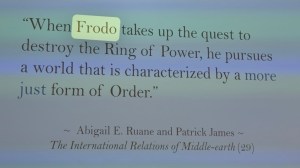
Frodo Baggins, from J. R. R. Tolkien’s The Lord of the Rings, was a humble hobbit tasked with the enormous responsibility of carrying the One Ring to Mount Doom to destroy it. Frodo was persistent, brave, resilient, and humble. He embodied the virtue of service, willingly bearing a burden for the greater good. Frodo’s journey highlighted themes of sacrifice, perseverance, and humility. Despite the fame and power associated with the Ring, he remained modest and committed to his mission for the sake of others.
Both Frodo and Cincinnatus are archetypes of humble service and sacrifice. Frodo’s journey reflected individual perseverance in the face of great evil, while Cincinnatus’s story underscores civic responsibility and humility in leadership. Neither sought power or recognition; instead, they accepted their burdens out of duty and prioritized the common good. Their stories remind us that genuine heroism often resides in quiet dedication, perseverance through hardship, and humility. Frodo and Cincinnatus had values essential for a just and resilient society.


leave a comment