Accepting Ambiguity Can Be A Form Of Wisdom

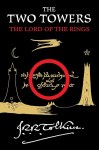
I love this statement by Gimli at the beginning of J. R. R. Tolkien’s The Two Towers: “Maybe there is no right choice.” It reflects a profound theme about the complexity and ambiguity of moral and strategic decisions. It suggests that sometimes, situations are so nuanced that no option is clearly correct or ideal, and choices involve sacrifice, risk, or uncertainty. Growth often comes from navigating these tough choices, and that accepting ambiguity can be a form of wisdom.
I also believe this reflects a perspective that is a valuable and underused approach in teaching and parenting our children as well. Teaching children that sometimes there isn’t a perfect or clearly right answer, but rather the best choice given the situation, helps them develop critical thinking and resilience. We need to encourage our kids to weigh their options, consider the consequences, and accept that uncertainty is a natural part of decision-making. By modeling and guiding them through these ambiguous situations, we foster adaptability, courage, and confidence in their ability to navigate life’s challenges. It’s about helping them understand that making thoughtful decisions amidst uncertainty is a skill worth cultivating.
Gimli’s statement is a good reminder that in difficult circumstances, leaders and individuals may need to accept that perfection isn’t always attainable. It emphasizes the importance of making the best possible decision with the information available, even if it’s inherently imperfect. Gimli’s words highlight the human experience of facing difficult dilemmas where clarity is lacking, encouraging resilience, adaptability, and courage in the face of uncertainty.


leave a comment