Power And Its Risks
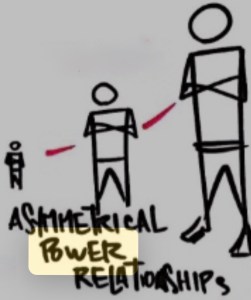
In The War for Middle-earth: J.R.R. Tolkien and C.S. Lewis Confront the Gathering Storm, 1933–1945, author Joseph Loconte said, “It is thus unsurprising that their [C. S. Lewis and J. R. R. Tolkien] stories [The Chronicles of Narnia and The Lord of the Rings] identify the Will to Power as the chief source of the evil in the world that must be resisted. Both The Chronicles of Narnia and The Lord of the Rings vividly depict how characters face temptation that can lead to moral corruption. These stories remind us that power and influence can be seductive, often blinding individuals to their ethical responsibilities.

From an interview, Loconte quoted Niall Ferguson saying, “In both The Chronicles of Narnia and The Lord of the Rings we see exquisite portrayals of temptation, and near fatal corruption.” Ferguson also said, “For the generation of Oxonians we’re talking about, it was obvious that power corrupts, and that absolute power corrupts absolutely.” Ferguson was emphasizing that experiencing power tends to lead to corruption, and when power is absolute, the risk becomes even greater. This teaches us the importance of checks and balances whether in governance, organizations, or personal conduct to prevent the rise of tyranny and moral decline.
Lewis’s and Tolkien’s narratives illustrate that no one is immune to temptation; even heroes can falter if they are not vigilant. It underscores the necessity of humility, self-awareness, and ethical vigilance, especially as one’s influence grows. Understanding these themes encourages us to foster systems that promote accountability, transparency, and ethical standards. It also reminds leaders and individuals alike to remain humble and cautious of the corrupting potential of power.


leave a comment