The Power of Bilbo’s Luck in The Hobbit
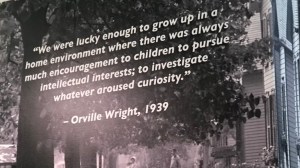
One of the things that really intrigues me about J. R. R. Tolkien’s The Hobbit, is how much the luck of Bilbo Baggins is referred to. Tolkien’s major theme of luck throughout The Hobbit has always intrigued me. I have always wondered and deeply pondered Tolkien’s why. I believe the major theme of “luck” points far beyond mere coincidence to an invisible divine intervention.
My favorite lines/scene in The Hobbit is when Gandalf asked Bilbo, “Surely you don’t disbelieve the prophecies, because you had a hand in bringing them about yourself? You don’t really suppose, do you,” he [Gandalf] asks, “that all your adventures and escapes were managed by mere luck, just for your sole benefit?” (P. 341). Gandalf confirmed for us that what Bilbo and the narrator had been calling “luck” the whole time was more than simply chance. I love Bilbo’s response: “Thank goodness!” said Bilbo laughing, and handed him [Gandalf] the tobacco-jar” (p. 341). Bilbo’s adventures have been “managed” by divine Providence for a purpose far greater than the enrichment of one small hobbit. This humble “Thank goodness!” reveals Bilbo as a humble servant leader.
I love how Corey Olsen pointed out in Exploring J. R. R. Tolkien’s The Hobbit out that Bilbo’s response of “Thank goodness!” “shows that he is quite satisfied to learn that he has not really been the protagonist of his story, after all. Bilbo is at peace, and our final image of him is a fitting one. Bilbo, laughing around his parlor table in Bag-End with Gandalf and Balin, hands the tobacco jar to his friend, as they all smoke their pipes together in contentment” (p. 304). This spoke to Bilbo’s humbleness and his recognition of being a part of something much larger than himself.
Olsen also pointed out that, “Bilbo’s story challenges us to think about the relationship between fate and human choice” (p. 7). As a person of faith I do believe there is divine intervention in our lives, but I also believe there is also a certain amount of luck. I know I am introducing quite the paradox with that statement but I am okay with that. I don’t claim to know what is divine intervention and what is not and I am okay with that tension. I am comfortable, just as Bilbo was, to say “Thank goodness!” that I really am not the protagonist and in control of everything like I need to be humbled occasionally into understanding I am not.
The latent points that Tolkien brings into The Hobbit are amazing. The use of “luck” is an excellent example of this. It is not obvious from the beginning, but we learn as the story goes on we learn that there is much more than luck at work in the story. Life has a way of making things look like luck, but when we look back we find that in some cases something much more divine is at work. We can’t just suppose that all the great things in our life happened just by luck. I believe there is a combination of divine intervention, the intervention of others (both good and bad), our own preparation (being prepared for what we don’t know we need to be prepared for), and probably some pure luck.


leave a comment