Polyphonic Leadership
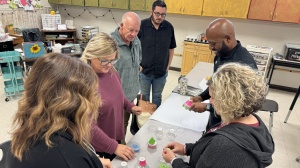
In my University of Oxford class I’m in right now we have been using an orchestra metaphor through line to discuss orchestral leadership. While reviewing some literature I came across the musical term “polyphonic”, which means a musical texture comprised of two or more independent melodies or voices which combine to form one piece of music. The term “polyphonic” can also be used to describe a leadership style that encourages the inclusion and involvement of multiple perspectives, voices, and ideas.
A polyphonic leader values collaboration and diversity of thought, allowing different individuals and teams to contribute their unique insights and expertise. This approach recognizes that no one person has all the answers and that collective intelligence and the synergy created by multiple voices can lead to more innovative solutions and better decision-making. Polyphonic leadership fosters an inclusive and empowering environment where everyone’s contributions are valued and respected, leading to higher employee engagement and overall organizational success.
In contrast to the polyphonic style of leadership would be the monophonic leader. This is a very hierarchical style with an autocratic leader and relies solely on the perspective and opinions of one individual. This can lead to a lack of diverse ideas and a narrow focus on one person’s strengths and weaknesses. It may also create an environment where employees feel their contributions are not valued or heard. Monophonic leadership can hinder innovation, hinder collaboration, and ultimately hinder overall organizational success.
Polyphonic leadership is in sync with constructivist theory, which I subscribe to in education, because it promotes the idea that knowledge and meaning are constructed through collaborative and inclusive processes. Constructivist theory emphasizes the active participation of individuals in creating their own understanding of the world, and polyphonic leadership aligns with this by valuing diverse perspectives and encouraging open dialogue and collaboration among team members. We need to help all those we serve tap into the collective intelligence and creativity of their team members.


leave a comment