Unofficial Teachers

Alister E. McGrath spoke of one of C.S. Lewis’ friend and mentors as having been one of the best unofficial teachers Lewis ever had in, C.S. Lewis: A Life: Eccentric Genius, Reluctant Profit. I love the title given to this friend and mentor of “unofficial teacher.” We have all had them. We need the wisest and best of unofficial teachers because they offer unique perspectives and knowledge that can greatly benefit individuals and society as a whole. Unofficial teachers often possess specialized expertise in specific fields or areas of interest, and they may have a deep understanding of topics that may not be covered in traditional educational settings.

These unofficial teachers can provide alternative viewpoints, challenge conventional wisdom, and offer innovative solutions to problems. They may have practical experience or real-world insights that can supplement formal education and provide valuable lessons.
Additionally, unofficial teachers can play a vital role in mentorship and personal growth. They may offer guidance, support, and inspiration to help individuals navigate their careers, develop important skills, and overcome challenges. The insights of an unofficial teacher can foster intellectual curiosity, critical thinking, and creativity in learners.
Therefore, seeking guidance from the wisest and best unofficial teachers can expand our knowledge, broaden our perspectives, and help us become well-rounded individuals capable of making meaningful contributions to society.
Reigniting Our Passion

Last evening while facilitating a kickoff of our National FFA Teacher Ambassador trainings, we had teachers discussing needing to regain the “spark” and a desire for networking. I’m excited about this because building relationships are key to keeping our “spark.” By meeting new people and building genuine relationships, you can find support, inspiration, and new ideas that can reignite our passion for our work. Additionally, networking/relationship building can give us access to valuable resources and connections that can help us be successful and regain our spark.
Another great thing about developing new friends is that sometimes they can become mentors to us. Having friends who are also mentors can be incredibly valuable. They know us personally and can provide honest feedback, guidance, and support that is tailored to our individual needs and goals. Plus, they are invested in our success and will often go above and beyond to help us achieve our objectives.
Vulnerability
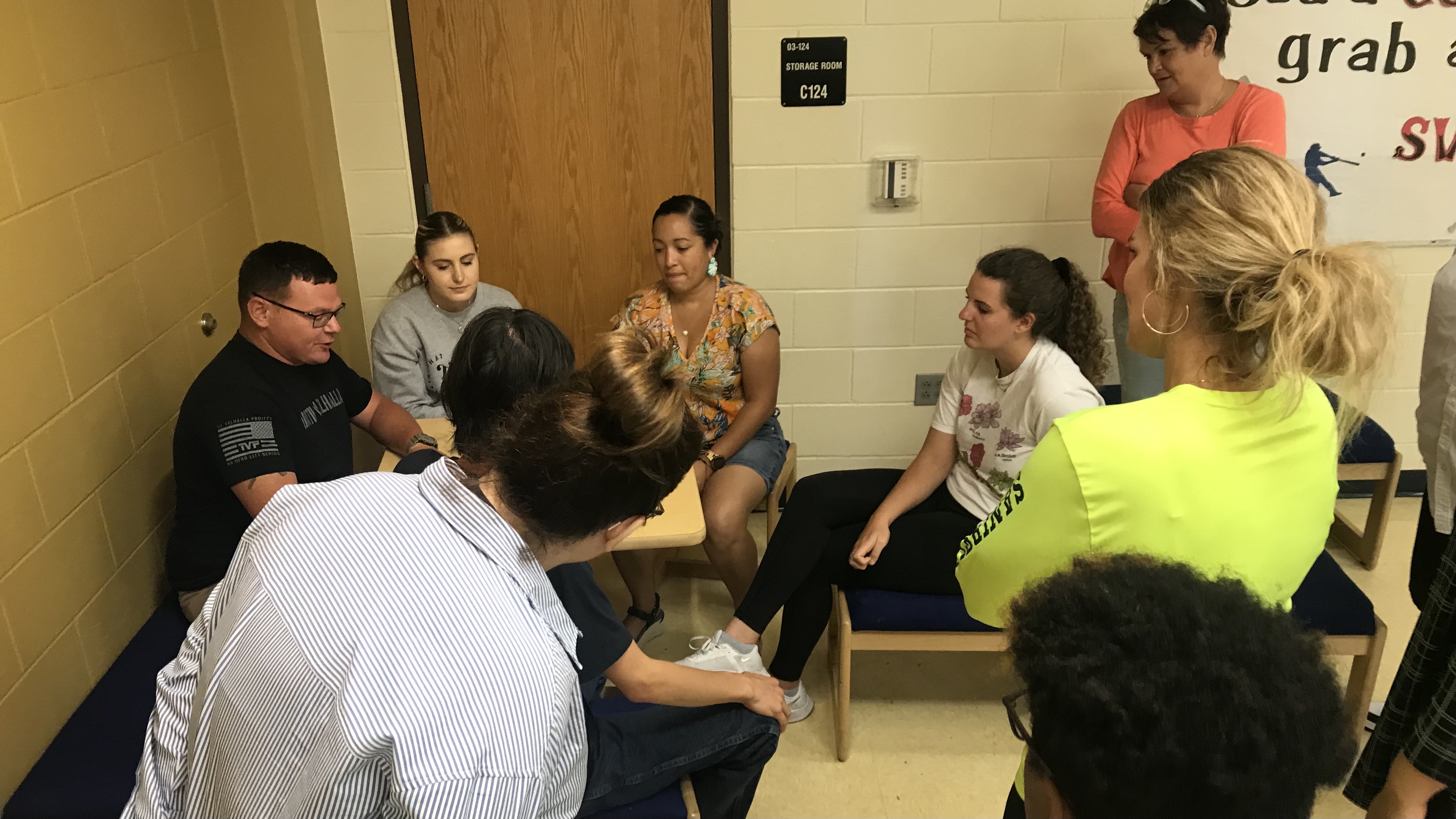
I have been discussion vulnerability a lot lately. In other words not faking it. I have written in these posts before just how much I hate the phrase, “Fake it till you make it.” Sorry to break it to those so called leaders who I hear saying this – it cannot be done. This is where vulnerability comes in. Great leaders are vulnerable and don’t mind modeling when they don’t know how to do something or don’t know the answer. I have added “being vulnerable” to my core values. Just what does it mean to be vulnerable? For me it is about letting others see the real me. It is being and showing who I am, what I know, and what I don’t know. Way back in the early days of my teaching career I had professors and others that would say, “Don’t ever let your students know you don’t know an answer.” Stupid advice! Once again, you can’t fake it…your students will know. And, let me tell you, some of the greatest lessons and days in class were when something happened in a lab and the students would ask why and I would have to say, “I have no clue.” Then we would proceed to discovering the answer together. It was incredible.
So, don’t underestimate vulnerability as an important leadership trait. Being vulnerable helps us develop trust and true connections with those we serve. We become more approachable when we are willing to share our own struggles and challenges. What steps are you taking to cultivate vulnerability within yourself and your organizations?
Being Reflective
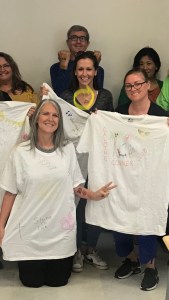
Self-awareness requires reflection. I am a very reflective person and believe in providing space for those I serve to do that reflection. Today I was doing professional development for Charlotte County Public Schools at the 2023 Summer Education Summit in Punta Gorda, Florida. In this morning’s session entitled “Self Care for Educators” I did an activity with temporary tattoos. One of the participants made a profound statement about where she placed her tattoo – at the base of her neck (see photo). She said, “I placed it there because the only way I can see it is in a reflection and this reminds me that to be self aware I need to be reflective.” Drop the microphone! 🎤 We then discussed that reflection involves taking a step back and examining one’s thoughts, feelings, and actions in order to gain a deeper understanding of oneself.
Furthermore, reflection can help us identify patterns and habits that may be holding us back or causing us problems. It can also help us recognize our strengths and values, which can guide us in making important decisions and pursuing our goals. Reflection is all about learning. We must curate the actions in our past to move into the future. Are you taking time to reflect?
Surface Level Career Versus Deep Level Career

You all know I am the farm kid that loves rock music. You also know I love studying rock musicians, their art, and their leadership. This past week I had the chance to hear the awesome Shannon Gunz, of Sirius XM Octane, interview Josh Katz from the band, Badflower. The interview took place at Welcome To Rockville held May 18-21, 2023 in Daytona, Florida at Daytona International Speedway. He made an interesting distinction about coming out of the pandemic and wanting to make sure he was still cultivating an environment where people thrive, innovation flourishes and progress is achieved. He talked about his message feeling different. Another profound statement he made was about the distinction between a surface level career versus something really deep. Josh wanted to make sure the art that the band was turning out and the message was impactful (deep). This caused me to spend time pondering this shallow versus deep career.
As a person who has spent my entire life in the education arena, I’ve been blessed to be in a deep career. I believe having a deep career means that we are passionate about our work and deeply invested in it. We have a sense of purpose and fulfillment in our job beyond just earning a paycheck. Really, the deepness takes it beyond a job. On the other hand, a surface-level career is one that may provide financial stability but lacks personal fulfillment or passion. It’s important to find a balance that allows us to feel both satisfied in your career and financially stable. I appreciated Josh discussing wanting to make sure that their work took them into the deep career realm. How about you? Are you doing something really deep?
Making Things Work

At my son’s graduation from Murray State University yesterday, President Dr. Robert Jackson made the comment, “Many things work to make things work.” Very true! He was referring to the graduation ceremony as well as the process of a student coming to Murray State as a freshman and graduating four years later ready to take on the world. There are often multiple factors or elements that contribute to making something successful or effective. This also suggests that there is not just one single solution, but rather a combination of different components that work together to achieve the desired outcome. Great leaders focus on the key inputs of organizations and make sure they are delivered at the right quality and at the right time.
Effective organizations rely on a combination of different processes/components rather than a single solution to achieve success. Those organizations, like Murray State University, understand that complex problems require a holistic approach and they are able to leverage the strengths of their team and resources to achieve their goals.
.
An Adventure Of Our Own Making

It can be a motivational or empowering sentiment, suggesting that we have the freedom and agency to pursue our dreams and explore new possibilities. I also loved the phrase from Padraig Cavender to Megs and George Devonshire, “It’s an adventure of our own making” in Once Upon A Wardrobe, by Patti Callahan Henry. Padraig made this comment as they were visiting castle ruins in Ireland. George, who was eight years old and dying of a heart condition, wanted to see this as his only Christmas present request. Padraig showed up at George and Megs’ house on Christmas Eve Eve (I love that Patti gave Christmas Eve an Eve in this novel) and told them to get their stuff and get ready to leave. Megs left their parents, who were not home, a note and off they went – on an adventure of their own making. I am doing some work for the Smithsonian this week in Washington D.C. and I got to thinking about how great of places all the Smithsonian units are for allowing us to make our own adventures. Especially for our students, having all these archives is incredible. And, with thousands and thousands of the archives on line now, ALL students can have an adventure in learning. I love adventures and we need to encourage our young people be adventuresome.
The phrase “It’s an adventure of our own making” implies a few other things to me, such as:
- that we have the power to create our own unique experiences in life.
- that we have control over our own destiny.
- that we can shape our lives through the choices we make and the actions we take.
We need to help young people to take healthy adventures by leading by example. We need to encourage others and ourselves to try new things. We can develop a sense of adventure while also prioritizing our well-being. We can navigate new experiences by setting goals, managing risks, and learning from any challenges we encounter.
Every Human Interaction Is Eternally Important
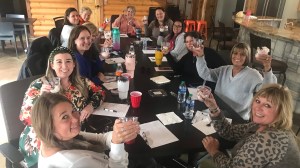
I have spent this entire week working in schools with teacher leadership academies or facilitating strategic planning. Spending time with everyone in a school setting is incredible. I absolutely love the interactions I have now in the work I do, but I do miss the daily interaction with students I had in the classroom as a teacher. Yesterday, I was reminded of this by the phrase, “Megs, every human interaction Is eternally important.” This comment from C.S. Lewis to Megs Devonshire in the historical fiction novel, Once Upon A Wardrobe, by Patti Callahan Henry made me reflect on just how important every interaction really is; even if just a smile or simple hello. The word “every” is very important in this phrase. Those interactions can truly make or break someone. This phrase reminded me, and I hope it does you too, of the value and significance of human connection and the impact it can have on our lives and the lives of those around us.

When I was in the classroom as a teacher I would shake every scholar’s hand before they entered the classroom. This was an important ritual that was extremely important and meaningful to both my students and myself. This interaction allowed me to really know the student in the context of that moment. You can learn a lot about a person when you shake their hand. Particularly if you have a meaningful relationship with that person and interact with them every day. The phrase “every human interaction is eternally important” suggests that each interaction we have with others is significant and has a lasting impact. In Once Upon A Wardrobe, C.S. Lewis was emphasizing to Meg, the importance of our relationships and connections with others, and encourages us to approach each interaction with care and consideration. Focusing on building genuine connections and being present in the moment can lead to more fulfilling relationships and experiences.
Viewing Students Through An Asset Model Lens
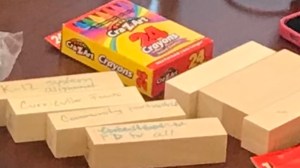
Yesterday, I had the opportunity to facilitate a leadership retreat for Silver Creek School Corporation here in Indiana as they begin a year-long strategic planning process. It was a very inspiring day, and I was reminded of just how complex education is. Every child we serve comes with different experiences and different aspirations. It is our job to make sure each of personal journeys can be pursued and is successful. Each individual should be able to pursue their journey without interference or obstruction. We need to recognize and build upon the unique strengths and talents that each student possesses.
Our students are filled with aspirations, goals, dreams and desires – we should facilitate and learn from these. Our students are rich with experiences and should be viewed through the lens of an asset model instead of a deficit model. By using an asset model, educators can create a positive and empowering learning environment that encourages students to reach their full potential. This approach involves identifying and nurturing the skills, interests, and talents of each student and providing them with opportunities to develop and succeed. Viewing students through an asset model lens helps to create a more inclusive and equitable education system that values diversity and promotes success for all students.
Improving Our Time
I am reading the incredible book, A Man of Iron. The Turbulent Life and Improbable Presidency of Grover Cleveland by Troy Senik right now. I am confident there will be many blog posts prompted by this book. This post is about a comment Senik made early in the book as he was describing Cleveland’s journey as a child and young man. He wrote, “If we want to become great in our future lives we must improve our time in school.” He also said, “We must improve our time as children.” This observation that we must improve our time really jumped out at me. As father of a son who graduates from college this spring it has been awesome to watch him grow, develop, and improve. It has also been my job to not be a main character, that’s his role, but a side character in this journey. It has been such an honor to be a supporting actor in his journey. Funny, I hadn’t really thought of it, but my wife and I’s job has been to provide the experiences for him to improve. Additionally, my son has done a great job of improving his time.

Back to “We must improve our time as children.” Whether as parents or educators, we must improve time by helping children learn new skills, pursue their interests, and develop healthy habits, so that they can become well-rounded and successful individuals later on. Furthermore, we need to focus on our education, social skills, and emotional growth during the formative years so that children can face the challenges of adulthood with confidence and resilience. Bottom-line: the time spent during childhood has an important impact on our future. Every path matters – so we have an obligation to do everything we can to help our our children navigate, both with guidance and providing experiences as supporting actors.


leave a comment