Learning From SMART Coaches
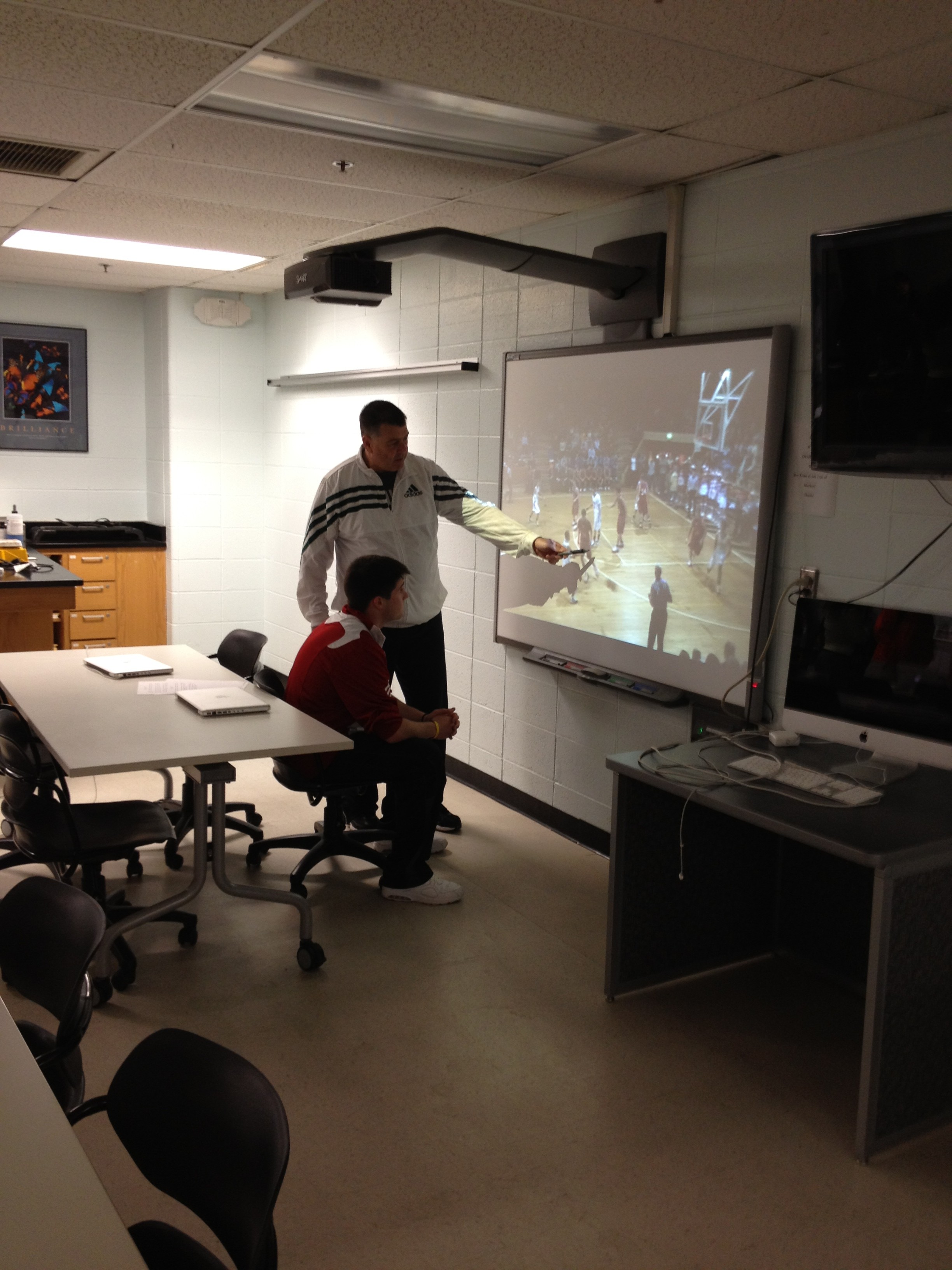
Coach Hendrix in SWELL
This past week I wrote a post for EDCompass Blog entitled, SMART Coaching. In this post I described how I learned from our basketball coach, Albert Hendrix, how to better differentiate instruction. I encourage you to click here to read the post because I want to go a little deeper in this post. As I reflected on the way Coach Hendrix teaches I realized he is doing what Christensen, Horn, and Johnson (2011) described as “student-centric” in Disrupting Class: How Disruptive Innovation Will Change the Way the World Learns, Expanded Edition. I had this book recommended to me by Scott Shelhart (@KD9SR) during the #TalkToTony Education Twitter Town Hall a couple of weeks ago with Dr. Tony Bennett, State Superintendent of Public Instruction.
Christensen et al. (2011) discussed how our educational system is monolithic and needs to be more student-centric. By monolithic the authors mean we teach to only one learning style. Student centric means teaching to the way a student learns. Coach Hendrix teaches is a student-centric manner. By using the SWELL Classroom he is able to split the team up according to, not only different line-ups, but also the players’ knowledge of the game. Additionally, for those that are more spatial learners (need to see or visual) than kinesthetic, the triangulated SMART Boards give Coach Hendrix the ability to show players what they need to be doing.
What I learned from Coach Hendrix is that all players have specialized needs. They are all at a different starting point, have varied learning styles, and all learn at different paces. In other words, just like every student I teach. You might say every student is “differently-abled.”
During the 1800’s education was customized and student-centric by the teacher for level and pace out of necessity – all students were in one room. It is now important for us to once again become student centric. “Teachers can serve as professional learning coaches and content architects to help individual students progress – and they can be a guide on the side, not a sage on the stage” (Christensen et al., 2010).
Reference
Christensen, C.M., Horn, M.B., Johnson, C.W. (2011). Disrupting class:How disruptive innovation will change the way the world learns, expanded edition. New York, NY: McGraw-Hill Companies.
Flavor of the Month or Research & Development?
 I heard discussion and saw an advertisement talking about education having our “Flavors of the Month.” In other words what’s the next initiative, program, product, or technology that will increase standardized test scores, student performance, student engagement, teacher effectiveness, learning, or whatever other metric we might be using (all of which are important). It’s interesting the advertisement using the “Flavor of the Month” analogy was for a professional development program. Interesting, huh?
Here’s my take. First of all, transformational change does not come from programs and initiatives. Those are things! It comes from having a process where action research is constantly occurring. It also is about having a collaborative culture where learning is always occurring. Garvin (2000) called this environment the learning organization. “A learning organization is an organization skilled at creating, acquiring, and transferring knowledge, and at modifying its behavior to reflect new knowledge and insights” (Garvin, 2000, p. ii). Now, think about that definition. If you think about it you’ll understand when I say it is good to use a few “Flavors of the Month” every so often to try new learning techniques for effectiveness. I would not have known I like Pistachio Ice Cream had I not been tempted to try it on a Flavor of the… trial. What’s wrong with trying new things? We need to view it as Research and Development.
The problem within our schools is we then need to collaborate in a learning organization environment to truly know what worked and did not. We need to have knowledge sharing in conjunction with knowledge generation. Now I know I will get all the negative reactions that are associated with any time of professional development or professional learning communities – no money, no time, yada yada yada. A true learning organization is a culture not a thing.
Let me give you an example. Yesterday I wanted to try using a People Search. This is an activity where students receive a chart with eight questions and they have to collaborate with eight different students to answer each question. They both initial when they believe they have the correct answer. I tweaked this activity to do it electronically and invited another teacher in who uses this activity often with success to observe and critique afterward. We spent time reflecting afterward and it was incredible and worthwhile personal growth time spent. Did you notice this did not cost money, require board approval, or any of the other things we complain about or use as excuses.
This interaction was a true modeling of a learning organization. There was no fear of failure, and even if it had failed, my teacher guest is of the same culture as me. We are not afraid of risk. The process of a learning organization starts from a cognitive phase where new ideas are exposed and are digested by the people followed by a behavioral phase (trying something new) where these ideas are put to use and finally a process improvement phase (reflection). So don’t forget we must develop a culture of Research and Development, knowledge creation and sharing, and the learning organization.
Reference
Garvin, D. (2000). Learning in action: A guide to putting the learning organization to work. Boston, MA: Harvard Business Press.
Agriculture – Our Next Moon Shot
 A few weeks ago there was an article that discussed the agriculture industry as not being a viable career choice for students. It seems to me that agriculture continues to be one of the least understood industries, with some of the most tremendous opportunities for our students. When starting the Agriculture Science program at Lebanon Community School Corporation eight years ago, I spoke of the fact that agriculture is more than Cows, Plows, and Sows. I now use the phrase that agriculture is our next “man on the moon” that Kennedy had. Think about it; as our population increases we will need food, clothing, shelter, sustainable fuel sources, cures for diseases, and the list goes on and on. Where will these come from? AGRICULTURE SCIENCE!
When people begin discussing Science, Technology, Engineering, and Math (STEM) education and careers, I like to remind them that it really should be STEAM – Science, Technology, Engineering, AGRICULTURE, and Math. But don’t take my word for it, click here to take a look at the results of the 2011 Employment Summary Food, Agriculture, Life, and Natural Resources May Graduates – College of Agriculture, Purdue University.
As our next “moon shot” it is critical that we continue to support agriculture science as an important Career and Technical Education (CTE) component in our secondary schools. It is also critical that teachers, such as myself, take the integration of science very seriously into our curriculum. It is also critical that we continue to recruit the best students into agriculture to be the Neil Armstrong’s of the agricultural industry and take the giant leaps of solving world hunger, disease, fuel needs, and all other areas related to food, life, and natural resources.
SWELL Education
SMART Worldwide Effective Learning Lab
This week’s post is going to direct you to four posts I have done for SMART Technology’s EDCompass Blog. I serve as a guest blogger and have done a series of four posts describing my journey as a SMART Exemplary Educator. This journey has also involved the development of the SWELL (SMART Worldwide Effective Learning Lab) classroom. The four titles are listed here and linked to the EdCompass Blog. Check out these posts!
Could you Convince Your School to Put a SMARTBoard in Every Room?
A SWELL Place To Be: The Story of the SWELL Classroom
A Typical Day in the SWELL Classroom
Professional Development for Digital Learning is a TALL order
Also check out this video my class made about project based learning and the use of technology. To view the video click here.
Pillars of Student Engagement
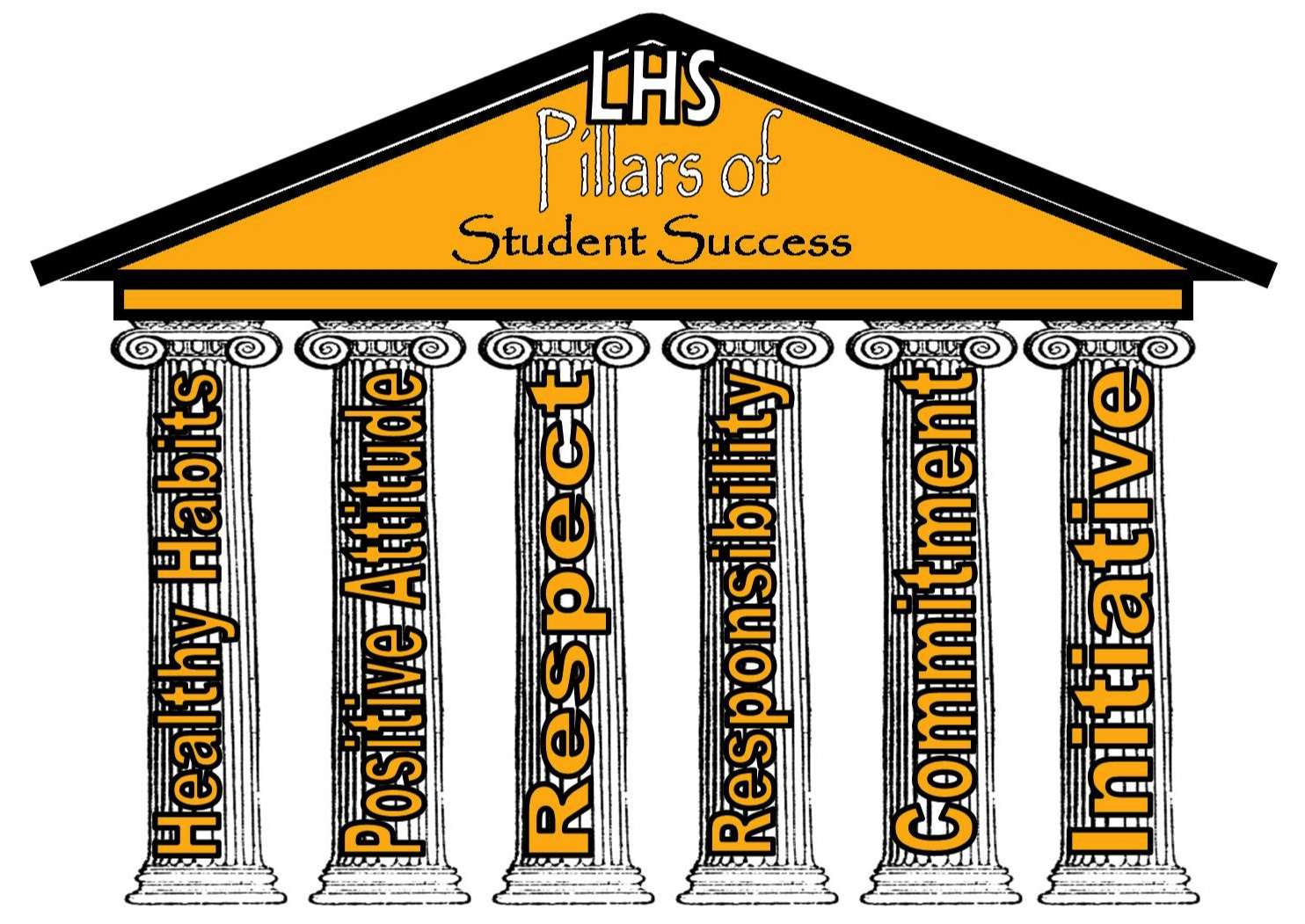
Pillars of Teacher Effectiveness

Students Achieving Engagement
 Back on December 9, 2011 my post was about action research we are doing at my school on student engagement. I wrote about the four themes that our students developed about what great teachers needed to do to keep them engaged in the learning process. To read the post click here. Here are the themes from the student responses as to how students are best engaged: 1. Students learn best from Passionate and Energetic teachers; 2. Students learn best from teachers that are Prepared and Creative; Students learn best when the material is Relevant to them; and 4. Students learn best when they best when they believe the teacher genuinely Cares about them.
This past week we took two student LAB times (time each day I spend with the same group of students) to discuss the students’ role in being engaged learners. The discussion revolved around the answers the students gave to the question: What can students do to improve engagement?
Here are the themes and every related comment made by the students:
Proper Sleep
Come to class well rested, Decent amount of sleep, Get more sleep, Get enough sleep, Get more sleep at home not in class, Get more sleep, Sleep more – go to bed earlier, Get enough sleep, Get a good night’s sleep, Go to bed earlier, Get enough sleep, Get enough sleep, Get more sleep, Proper rest, Get plenty of sleep, More Sleep, More Sleep, Get proper amounts of sleep, More sleep (not in class), Get more sleep, Get more sleep – try to have a specific time by which to go to bed, Get more sleep by putting away electronic devices, managing time better, going to bed earlier, and cutting off sugar and caffeine at an earlier time, Get Enough Sleep (at “home”), Get more sleep, Get enough sleep, Get more sleep at home, Get sleep, Reasonable bedtime
Eat Breakfast
Eat a nutritious breakfast, Eat breakfast, Breakfast in the morning, Eat Breakfast, Eat a good breakfast, Eat breakfast – set up night before, eat the right foods, and bring a healthy snack, Eat healthy, especially breakfast, Eat breakfast, Eat breakfast, Eat a good breakfast, Eat breakfast, Eat breakfast, Breakfast, Eat breakfast, Follow proper diet (nutrition/meals), Eat breakfast, Eat Breakfast, Eat correct meals, Eat breakfast, Eat breakfast
Positive Attitude and Motivation
Positive outlook, and motivation and guidance, Be a more positive student, Have a positive attitude, Self motivation, Be self-motivated to reach your future goals, More self-motivation, Positive outlook, Motivate yourself, Have a more positive attitude, Students need to work towards having a positive attitude every day they come to school, Positive attitude, Be positive – care about yourself – care about your classmates – care about your education – maintain a positive outlook, Get motivated, Positive Attitude, Have a positive attitude towards classmates, teachers, and schoolwork, More Positive Attitude (This one was brought up the most), Have a positive outlook each day, Self Motivation, Motivate others by encouraging them, Care about your grades, Care about grades, Keep Motivated, Change your attitude about school: don’t be a “Debbie owner” and cooperate, Students should be setting clear-cut, obtainable goals
Respect
Students need to care and respect others students and teachers, Meet teachers halfway/show respect, Be less disruptive, Don’t join in on bullying or picking on others, Don’t derail lectures during class – cooperate more, Have respect/Less drama, Students need to have an equal amount of respect for themselves and their peers, Respect, Respect Students and Teachers/Don’t judge others, Students can be more cooperative (not disruptive, kind, courteous, respectful), Be more respectful to both fellow classmates as well as teachers, Teamwork – help classmates if they need help, Be willing to help others, Get to know your classmates (it helps your comfort level in classes.)
Responsibility and Work Ethic
Do not procrastinate, Be responsible, Don’t procrastinate, Don’t procrastinate, Use time wisely and apply yourself when in class, Be responsible for my actions – do assignments- get excited to learn – take notes – put homework in agenda book, Don’t procrastinate-Use student handbook – use class time wisely when teachers give homework time – set a schedule while doing homework (ex: after I do 10 problems THEN I can check Facebook) – make a too do list to check off, Take advantage of time/don’t procrastinate, Be responsible for actually doing the work, Students need to be proactive in class and avoid procrastination, Take responsibility, Stop procrastinating – set priorities, Don’t procrastinate, Don’t Procrastinate, Take more responsibility, Don’t procrastinate, Be responsible – be on time to class – be prepared – don’t procrastinate, Don’t procrastinate, Don’t procrastinate, Don’t Procrastinate, Don’t procrastinate, Don’t Procrastinate, Don’t Procrastinate, Be responsible for yourself: take notes – do assignments – pay attention in class
Commitment
Take notes, Do your homework completely, Be engaged in class activities; don’t work on homework for other classes, Be prepared for class (complete homework/reading, be well rested), Take good notes, Take Notes, Stay Focused and take “active” notes, Come to school prepared- supplies, Actually do homework at home not during other classes, Apply yourself/do your homework, Take good notes, Take good notes in class, Study to be prepared for homework, tests, and class discussions, Do the homework, Do the homework, Do The Work, Bring the necessary supplies (book, pencil, paper,etc), Take good notes, Do your homework, Do your homework, Learn how to take notes, Self-preparation, Turn in all homework even if it is not completed – do all homework the night it is assigned and while it is fresh, Keep on top of my homework, Students can do homework/ come prepared for class, Make an effort – even if you don’t like it, suck it up and do it, Do Homework and use agendas to record assignments, Turning in homework – Studying for tests
Active Involvement
Ask questions in class and get help outside of class if necessary, Ask questions, Ask questions and participate in class and school activities, Asking questions – focus on listening and taking, notes, Ask questions, See more teachers and ask questions when needed-students should not be afraid to ask teachers questions – If they are shy or do not feel comfortable wait until after class or email their question to the teacher, Participate more in classroom activities, Ask questions, Ask for help, Apply Yourself More Often, Ask questions, Ask questions in class, Participate – ask questions – get help after school – take notes – don’t sleep in class, Be active participants in class (do homework/study, ask questions, focus, be prepared with supplies, use your class time wisely), Participate/ask questions in class, Pay attention – ask for help, Focus in Class, Students will be active participants in class by cooperating with teachers, avoiding procrastination and doing their work, asking questions, and taking notes, Students can participate in class/ ask questions, Pay attention in classes, Be more engaged in learning…ie. Pay attention – Ask Questions – Be here, Ask more questions in class, Apply yourself to each subject to the best of your ability, Ask questions and support classmates when they ask questions, Participate by volunteering on a regular basis, Ask questions whether it be in class or outside of class if that is more comfortable. Don’t be scared to say something silly, Ask good questions when not understanding, Ask Questions
To complete this exercise the students wrote down three areas on an index card that they personally were going to commit to for improved engagement. We as teachers are committing to: 1. Students learn best from Passionate and Energetic teachers; 2. Students learn best from teachers that are Prepared and Creative; Students learn best when the material is Relevant to them; and 4. Students learn best when they best when they believe the teacher genuinely Cares about them. The students are also taking ownership by having identified their own areas of commitment.
Teaching: My “Can Do” Profession
 Yesterday, I was asked to provide my thoughts on whether teacher salaries should be based on student achievement. The idea of teacher pay being linked to student achievement is certainly at the forefront of education reform. I am proud that Indiana has taken a lead in this arena with the legislative reforms of 2011. First of all I want to frame my thoughts through the lens of Brill (2011) who recognized that teaching is hard work, very hard work. Brill (2011) called it “grueling work” (p.2). He went on to say, “It required more talent, more preparation, more daily reevaluation and retooling, more hours in the class day, and just plain more perseverance than many teacher, and most teachers’ union contracts were willing or able to provide” (p. 2) Many took this statement as a dig toward teaching and unions. I took it as a huge compliment to my profession – teaching. Notice I said profession. To me Brill’s (2011) statement recognizes me as a highly effective professional who needs to be evaluated and compensated as such. Therefore I do believe in a compensation model that uses student achievement as part of the compensation metric.
Thank goodness most professions have not taken a “these kids” or “can’t do much approach.” Can you imagine if professionals in the medical field took the attitude: “not much we can do for this cancer” or “can’t do much for diabetes.” Many of our friends and relatives would not be with us today. I for one want my profession, teaching, to be thought of as the “can do” and “all kids can learn” profession. As a professional teacher I am glad that Indiana has new legislation that recognizes me such and evaluates me as a professional teacher leader. Call it what you want, merit pay, bonus pay, or whatever, but the bottom line it really comes down to what Pink (2009 ) described as “base-line rewards.” In Indiana a portion of the compensation will now be based on student achievement and performance. The system is still based on a base-line rewards system where I am truly paid as a professional. This was a crucial step in getting our profession where it needs to be. Many have pointed to whether this system becomes a “carrot-stick” type of compensation that some research says doesn’t work. I look to it as be the adequate and equitable reward that Pink (2009) subscribed to when he said, “If someone’s baseline rewards aren’t adequate or equitable, her focus will be on the unfairness of her situation and the anxiety of her circumstance. You’ll get neither the predictability of extrinsic motivation nor the weirdness of intrinsic motivation. You’ll get very little motivation at all” (p. 55). I am excited we are going to a model where I am paid to be a highly effective teacher leader.
This past week further evidence as to just how important the teacher really is was released. Lowry (2012) reported that Harvard researchers Chetty and Friedman and Columbia researcher Rockoff reported that an effective teacher has a high economic value. Lowry (2012) reported “Replacing a poor teacher with an average one would raise a single classroom’s lifetime earnings by about $266,000, the economists estimate. Multiply that by a career’s worth of classrooms.” To read the full article click here. To me this speaks volumes to my value as a professional.
Finally, my last thought on a compensation model that bases a portion of the salary on student achievement and performance – We cannot afford not to do it that way because it is what is in the best interest of our students. This should be how we frame every education decision – What is best for our students!
References
Brill, S. (2011). Class warfare: Inside the fight to fix America’s schools New York, NY: Simon & Schuster.
Lowry, A. (2012). Big study links good teachers to lasting gain. New York Times. Retrieved on January 6, 2012: from http://www.nytimes.com/2012/01
/06/education/big-study-links-good-teachers-to-lasting-gain.html
Pink, D. H. (2009). Drive: The surprising truth about what motivates us. New York, NY: Riverhead Books.
Values, Dreams, & Priorities

In my reading, studying, and reflecting this year I have been reminded time and time again how our values drive us as leaders. Those same values drive me as an educator as well. I am glad that I chose to read the book The Leadership Challenge by Kouzes and Posner. In their book they gave us the five principles of leadership:
- Model the Way
- Inspire a Shared Vision
- Challenge the Process
- Enable Others to Act
- Encourage the Heart
I am not going to write about all of them, but suffice it to say; you need to read the book!
As an educator and leader I must envision exciting and enabling possibilities. As Kouzes and Posner said, “In some ways, leaders live their lives backward. They see pictures in their mind’s eye of what the results will look like even before they’ve started their project, much as an architect draws a picture or an engineer builds a model. Their clear image of the future pulls them forward.” As a teacher leader it is so true that I must live my life backward.

It is important that we see the end goal of what a great school and educational system looks like. Indiana’s State Superintendent of Public Instruction, Tony Bennett, has been a great modeler of this. As a teacher I must live life backwards, by seeing where the students need to be at the end of a course. So how does one live life backwards effectively? VALUES, PRIORITIES, & DREAMS!
In my opinion one of the biggest mistakes teachers and coaches make is teaching and coaching a person where they want them to be instead of where they are. One of my values in education is realizing that we must allow our students to be bad at something before they can get good at it. Let me tell you a story:
An important philosophy I have is allowing students to be bad at something before they can become good at it. The best example I can think of is Scott Martin,[1] a student who was a terrible public speaker. I use many student presentation activities in my classes, so this young man had plenty of opportunity for improvement. While having Scott as a student, a teacher made a comment to me that he did not have students make presentations because they were so poor at it. I remember saying, “Shame on you! How can students get any better if they are not allowed to try, with us helping them?” We must be willing to stand beside our students and allow them to be bad at a skill while we are teaching them to become proficient. Scott Martin went on to become a gifted speaker. In fact, he emceed the opening ceremony for our new welding shop. He did an outstanding job for the ceremony which had school board members, advisory committee members, business and community leaders, and parents in attendance.
As Kouzes and Posner said, values serve as guides to action. It is important to have our values driving us. As a teacher leader those values are equally important.
Many times when collaborating with other teachers it is easy to let that learning time turn into a gripe session about issues that are about the adults (general frustration) and not the students. It’s easy for me to bring the group back to what’s important by reminding them that what is important is the goal of a first rate learning environment for the students of Lebanon High School. In order to speak up w must know what to speak about. Our values give us that voice. Kouzes and Posner said, “Personal values clarity drives commitment.” So for us to have our priorities in order and dreaming positive dreams we must first know what we value most.
[1] Scott Martin graduated May, 2009. Author has permission to use this story.
Great Educators: 30 Days of Restoration
 I am so excited to share with you this week about a book that you all need to buy. The book is Great Educators: 30 Days of Restoration Workbook 2012 Edition. This workbook has been dedicated to all the great educators in the nation. The book is a 30 day exercise for educators to renew an restore their excitement and dedication to their profession. Whether you are a new or experienced teacher, this workbook will help you bring joy and enthusiasm back into your classroom.
This book gives teachers a chance to explore what other educators are doing in their classrooms and schools to be powerfully influential as teacher leaders and highly effective teachers. Each day’s story comes from an award-winning teacher that was nominated to be a part of the book.
Why am I so excited? Because I am featured on Day 24. My plan for Implementing Cross Department Collaboration is outlined in this chapter. Day 24 begins with a quote from me: “Teacher expectations affect student achievement, so it is important that we have high expectations for our students. My personal mission is to use rigor, relevance, and relationships to be a steward of high student achievement.” My chapter deals with realizing the importance of collaboration.
It is important to take time to have a conversation with one another and share successful teaching strategies. Then, teachers will have the opportunity to make adjustments that allow for the creation of innovative ways to teach students how to learn to learn. To do this I introduce a what I call Cross Department Collaboration (CDC). A plan that my Agriculture Science Department uses to meet with anther department each month to share best practices or learn new strategies.
I will let you read the book to learn more about my journey with collaboration and leading our school to become a learning organization. I hope you will consider buying the book. Every chapter has a worksheet section at the end for reflection on the day. This book would be a great source of professional development. Happy reading.
 Byron's Babbles
2 comments