Being Part of a Grand Story
In my study of J. R. R. Tolkien’s The Hobbit, I have been fascinated by Bilbo Baggins’ transformation. Bilbo Baggins is a gentle, humble hobbit. He enjoyed a simple life filled with comfort, good food, and quiet days. However, beneath his unassuming exterior, he possesses a curious and courageous spirit that leads him on an unexpected adventure beyond his cozy home. Throughout The Hobbit, Bilbo evolves from a cautious, reluctant participant into a brave and resourceful hero, discovering strengths and qualities he never knew he had. I already wrote about Bilbo’s development in From Timid to Trusted: Humble Leadership and
Courage and Wisdom Blended in Measure.
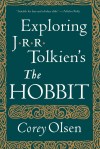
Interestingly, Corey Olsen also focused on Bilbo’s evolution in his great book, Exploring J. R. R. Tolkien’s The Hobbit. He posited that, “At the beginning of the book, the narrator invites us to judge whether Bilbo ‘gained anything in the end.’ In Chapter Five [The Hobbit], we are still far from the end, but we can already begin to see what Bilbo is gaining. Bilbo has passed the turning point in his career. He has ceased to be a passive victim of his adventure, and he has embraced his new life. He has even come to take pleasure in seeing his own life as part of the great, grand stories that he listened to (with obvious pleasure, despite their Tookishness) even when he lived in Bag-End” (p.p. 108-109). Olsen went on to say, “Bilbo has come to see that, though adventures may in truth be “nasty . . . uncomfortable things” that “make you late for dinner,” as he said back in Chapter One [The Hobbit], it can also be rather grand to be a part of one of the great stories” (p. 109). Bilbo had discovered qualities in himself he never knew, reminding us to recognize and develop our own and our team’s potential.

One of my favorite lines in The Hobbit is toward the end of the book when Gandalf told Bilbo, “You are not the hobbit that you were” (The Hobbit, p. 338). While reading the book I was witnessing the changes in Bilbo, but this really drove it home. The “quest” had changed Bilbo, and for the better. Think about how many times this happens to us. When I think back to my time as a principal of a turnaround school, there were times when it was pure hell. But it was also some of the most rewarding and life-changing work I have ever done. I developed friendships I still have today and I am certainly a different and better person for having been on that quest.
Bilbo’s transformation in The Hobbit offers valuable lessons for leaders. Initially, Bilbo is cautious, comfortable, and somewhat hesitant to step beyond his familiar world. But through his journey, he developed qualities like bravery, resourcefulness, perseverance, and adaptability. Those traits, along with embracing challenges, thinking creatively under pressure, and growing through experience, are essential for effective leadership.
Bilbo also learned to lead with humility and kindness. My other favorite line in The Hobbit is, “Already they had come to respect little Bilbo. Now he had become the real leader in their adventure. He had begun to have ideas and plans of his own” (The Hobbit, p. 259). Despite his growth and developing into a leader, Bilbo remained humble and caring, qualities that foster trust and teamwork.
Bilbo’s evolution in The Hobbit can serve as an example to encourage leaders to have courage, be adaptable and flexible, and open to personal growth. Also, we need to always remember to inspire our teams to do the same.


leave a comment