Visions & Revisions

In this week’s Mindset Mondays with DTK lesson in Chapter 29 entitled “Make ‘Em Proud,” David Taylor-Klaus (DTK) posed this question to us: “Would the child you were be proud of the adult you are?” He told us this was very complex because as kids we had all kinds of things we wanted to do and then as adults the world tells us we can’t be all those things. The problem is that none of this talk from the world is true. Somewhere along the way we lose our wonderment with the world and begin to believe the lies of our limitations. I loved how this wonder was described in Rules Of Civility by Amor Towles, “Anyone can buy a car or a night on the town. Most of us shell our days like peanuts. One in a thousand can look at the world with amazement. I don’t mean gawking at the Chrysler Building. I’m talking about the wing of a dragonfly. The tale of the shoeshine. Walking through an unsullied hour with an unsullied heart.” We must fight being constrained by other people’s truths.
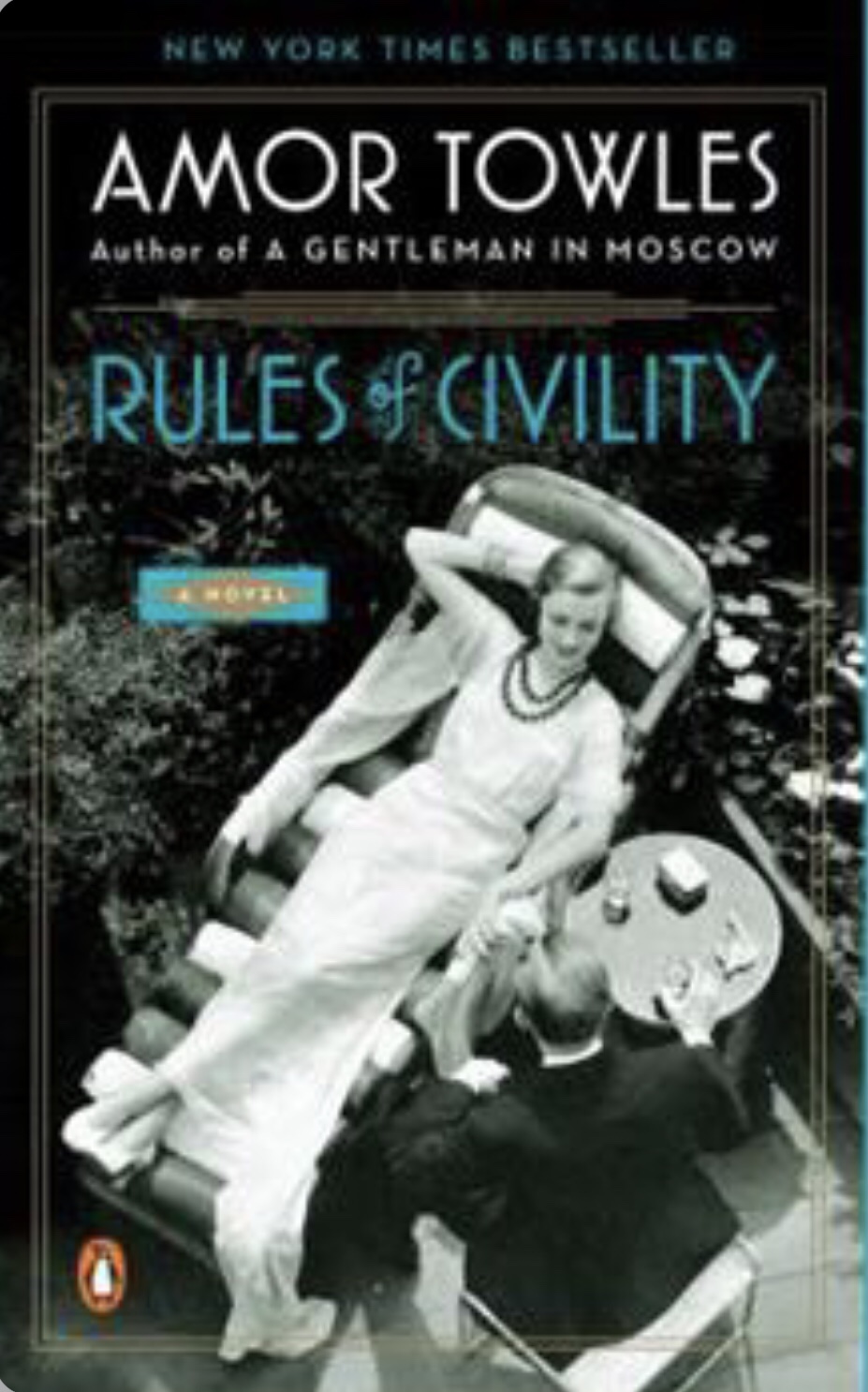
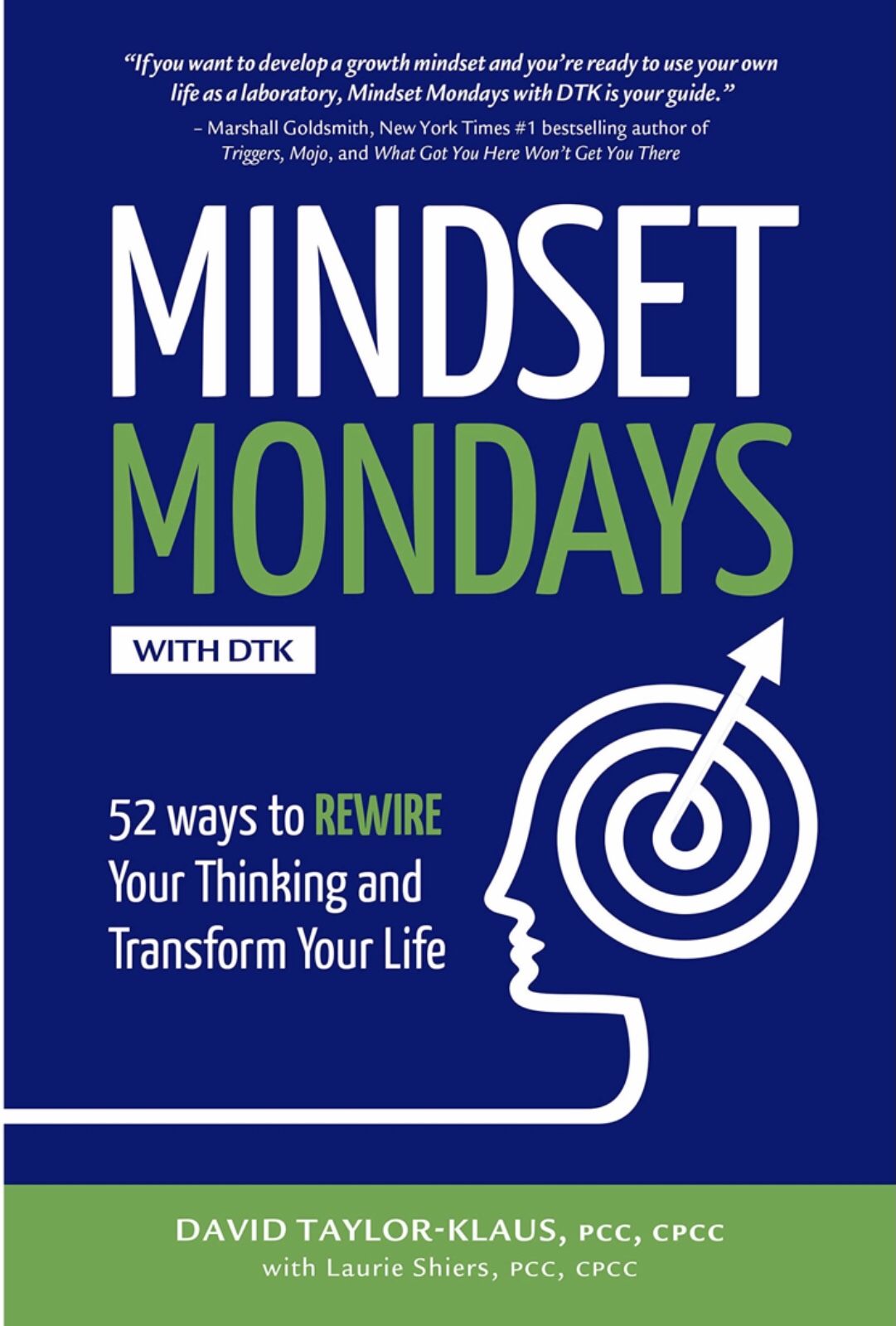
DTK asks us if it could be as simple as, “The childhood you, when faced with something they didn’t like, would set out to create something different.” I believe it could be that simple. We should never stop exploring, learning, growing and evolving. I loved another description of life from Amor Towles in Rules Of Civility that said, “It is a bit of a cliché to characterize life as a rambling journey on which we can alter our course at any given time–by the slightest turn of the wheel, the wisdom goes, we influence the chain of events and thus recast our destiny with new cohorts, circumstances, and discoveries. But for the most of us, life is nothing like that. Instead, we have a few brief periods when we are offered a handful of discrete options. Do I take this job or that job? In Chicago or New York? Do I join this circle of friends or that one, and with whom do I go home at the end of the night? And does one make time for children now? Or later? Or later still? In that sense, life is less like a journey than it is a game of honeymoon bridge. In our twenties, when there is still so much time ahead of us, time that seems ample for a hundred indecisions, for a hundred visions and revisions—we draw a card, and we must decide right then and there whether to keep that card and discard the next, or discard the first card and keep the second. And before we know it, the deck has been played out and the decisions we have just made will shape our lives for decades to come.” I believe this is true, but one caveat I make is that the deck is not limited to 52 cards and is infinite. We never have to quit shaping our lives – we get to keep drawing cards till the very end.
So, in honor of that inner child that is always with us, we need to ask ourselves how we are doing in the card game of life – keeping, discarding, asking for a new card, or even shuffling the deck. Let’s make the childhood versions of ourselves proud.
Where Were You Era

Today marks the one year anniversary of the COVOD-19 Global Pandemic. We are now officially on Day 366. Yesterday I blogged about the moment when I realized we were in this for the long haul in The Good News Is. I discussed my “Where were you?” moment. Now on Day 366 I believe Joseph Michelli’s describing the events of the global pandemic as a “Where were you?” era in Stronger Through Adversity is a better descriptor. In that same chapter, Dr. Michelli posed the question, “So, what will you remember about the pandemic?”
One of my first deep reflections came in the form of a blog post on May 8, 2020 entitled The Day We Started Down The Path With No Footprints. A year ago our lives shrank and routines were turned upside down, children were sent home from school and parents became teachers for months without breaks. Offices, restaurants, theaters, sporting events and arenas emptied. My least favorite words became “unprecedented” and “pivot.” I still cringe when I hear those words.
Today we are beginning our second year of pandemic life. While things we found to be novelties last year, may not be so cool this year, we still need to find ways think of new and improved ways of doing things. We need to use this anniversary as a profound opportunity to take inventory of what we might have been missing pre-COVID, what we’ve improved, reflect on lessons learned, and acknowledge what we’ve lost or missed. These are very important conversations to have.
Because I believe we all are leaders, I believe we should take Dr. Joseph Michelli’s advice from Stronger Through Adversity and have conversations. He suggested we develop a leadership legacy statement that highlights our optimal leadership impact (competence, purpose, or character). Here is mine that I wrote:
“Hopefully I’ll be remembered as a thoughtful leader who showed love for those I served by providing growth and development.” My Legacy Statement
I would love to hear your desired legacy. Dr. Michelli taught us we need to be having conversations that “…lead to more discussions where you encourage one another, commiserate setbacks, celebrate victories, and problem-solve barriers along your path to realizing your full potential as a leader.” He went on in the book to say, “Productive dialogue can only occur when we ask, find, and share wisdom each of us collects along our journey.” I love having those conversations and learning what others are doing to improve, cope, learn, and take advantage of opportunities during this global pandemic. Let’s keep the conversation going.
Pandemic Tested Lessons
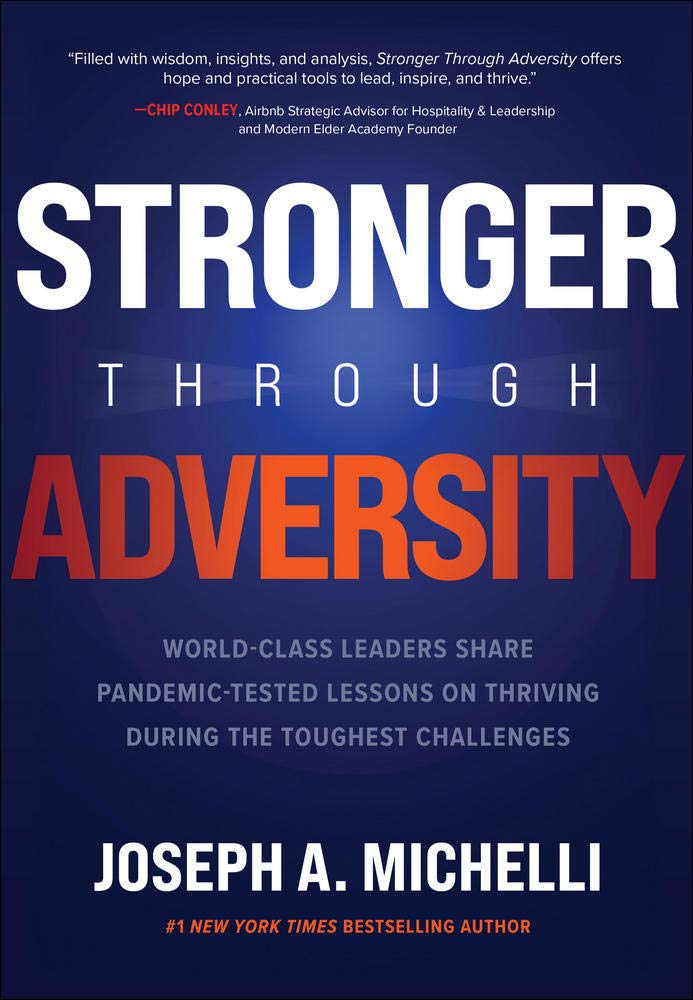
Stronger Through Adversity: World-Class Leaders Share Pandemic-Tested Lessons on Thriving During the Toughest Challenges by Joseph Michelli
My rating: 5 of 5 stars
I am a huge believer in intersectional learning. This is the learning that can be accomplished from the commonalities and complexities of different industries, businesses, and organizations. I have always been a fan of Joseph Michelli’s work and books. He has knocked it out of the park with this latest book. This book is the encyclopedia of intersectional learning. I learned and reflected on so many things while reading this book.
I finished the book on the evening before the one year anniversary of the COVID-19 Global Pandemic. We need to use this anniversary as a profound opportunity to take inventory of what we might have been missing pre-COVID, what we’ve improved, reflect on lessons learned, and acknowledge what we’ve lost or missed. These are very important conversations to have. This book gives us the context to have the deep and meaningful conversations to help our communities of organizations, families, and businesses, cope, improve, and find the silver linings.
If you are one who likes to learn from others and then apply that learning to your own context, then this book is for you. He has studied and chronicled, in-depth, the many companies he has worked with, improved, consulted, and learned from. Every leader should read this book.
View all my reviews
The Good News Is

In A Tale Of Two Cities Charles Dickens wrote “It was the best of times, it was the worst of times, it was the age of wisdom, it was the age of foolishness, it was the epoch of belief, it was the epoch of incredulity, it was the season of Light, it was the season of Darkness, it was the spring of hope, it was the winter of despair, we had everything before us, we had nothing before us, we were all going direct to heaven, we were all going direct the other way – in short, the period was so far like the present period, that some of its noisiest authorities insisted on its being received, for good or for evil, in the superlative degree of comparison only.” It’s like Dickens was writing about the past 365 days of the COVID-19 Global Pandemic. Read it again and I believe you’ll agree it is a pretty good description of what we’ve been through.
365 days ago today, March 10, 2020, I realized while enjoying an Indiana Pacers game with some great friends from the Purdue University Krannert School of Management that we were headed for the worst of times. I made the comment toward the end of the game, “What happens if someone in the arena has the coronavirus? Or, what happens if someone on one of these teams has coronavirus?” I guess it was one of those “Where were you?” moments. Well, we found out the very next day. Rudy Gobert, of the Utah Jazz, was diagnosed with the virus on March 11, and the NBA suspended its season following play that night. Also, it was March 11, 2020 that the World Health Organization officially declared the COVID-19 Global Pandemic. Thus began the worst of times.

This morning I read Chapter 20 in Joseph Michelli’s great book (one of the silver linings of the pandemic that you all should read) Stronger Through Adversity. The title of the chapter, “Run Toward The Future,” is such a perfect descriptor for how I, and those I look to as examples and mentors, have been trying to approach this crisis. The book is a great guide on how to continue running toward the future, no matter what field you are in. It was evident from that moment at the Pacers game a year ago that life was never going to be the same. I quickly came to the realization that I was going to have to adapt, learn, grow, and get uncomfortable in order to survive. I was kind of asking myself if I had the wisdom and belief to somehow make this the best of times. I love how Dr. Michelli put it, “Some leaders only ran from danger, while others also ran toward the future” (p. 248). After a few days of getting my bearings, I consciously made the decision to use every day of the pandemic to become a better me. I can honestly say I have grown personally and professionally in the past 365 days in ways that would have never been possible under pre-pandemic circumstances.
Additionally, I made a commitment to be a beacon of hope and positivity for others. Every professional development event, meeting, or gathering I always start with something related to what day of the pandemic it is. It has actually kind of become my trade mark. For me it became and continues to be about looking for the silver linings and helping others find the silver linings. I continue to ask the questions of:
- What’s the opportunity after the opportunity? (think about that a little and it will make sense)
- What have we stopped doing during the pandemic that needs to be stopped permanently?
- What have we started doing that needs to continue?
For example, I’m a pretty good in person facilitator and speaker, but I’ve got to tell you I was apprehensive about going virtual. But overnight, literally, going virtual with presentations was what I did. Now, the opportunity after the opportunity is programs developed to be either in person or virtual, whichever the client wants. And, we stopped traveling for short, less than a day, events in luau of doing them virtually- that needs to continue. Not to mention I have improved my listening skills, ability to remember names, ability to read non-verbal queues, and make sure every voice is heard. My point is the last 365 days have enabled me to improve my craft. For a while in the spring I was doing three and four webinars a day, as we were providing free in-service for teachers. As I was helping teachers learn remote learning best practices, I was becoming a better facilitator. Those days were grueling, but as I look back they were very rewarding. Teachers tell us all the time that was some of the best development they’ve ever had and wish we could go back to offering that much development. Hear that opportunity?
Even though it has been the worst of times, there have been many moments of the best of times. And, we have certainly seen wisdom, foolishness, and belief during the past 365 days. Let’s go back to Stronger Through Adversity, where Dr. Michelli quoted James McElvain, PhD, Chief of Police for the Vancouver, Washington, Police Department, as saying, “Being a leader means you are in the forever business…” (p. 255). On day 365, and who knows how many more days of the pandemic are ahead, we need to be asking ourselves, “How are you running to the future as a leader of a forever business?”
What Do you Dare To Attempt?

Do you have some kind of dream trapped within you that has somehow become stifled by the fear of failure? The answer is probably yes, because we all have those. In this week’s Mindset Mondays with DTK lesson in Chapter 28 entitled “Dare Yourself,” David Taylor-Klaus (DTK) told us “The things you avoid in life hurt more than those you face” (p. 207). The problem, though, is that most things that are worth doing involve a real possibility of failure. I like to look at it this way: what do I have that is worth doing whether I succeed or fail?
“If one advances confidently in the direction of his dreams and endeavors to live the life that he has imagined, he will meet with a success unexpected in common hours.”
Henry David Thoreau

DTK told us, “The things you dare in life feed you more than those you avoid” (p. 207). I like to think of striving to make today better than yesterday. We will not develop the next great breakthrough product or create the next transformative process if we are not willing to take the risk and learn from subsequent mistakes. DTK ended Chapter 28 by asking “What do you dare to attempt?” So, I ask you: what do you dare to attempt?
Beauty, Influence, Fame, & Privilege

I am still working through my notes and writing blog posts about the great book by A Gentleman In Moscow by Amor Towles. This is certainly one of the top books I’ve read this year so far. The protagonist, Count Alexander Ilyich Rostov, was in Paris when the Hermitage fell, and returned after the Revolution. He is under house arrest at the Metropol, the fine hotel in which he lives, for the authorities have forbidden him ever to leave lest he is shot. Count Rostov learned that “Beauty, influence, fame, and privilege are borrowed rather than bestowed.” All can go away in an instance. After learning that the character Anna Urbanova, who was an actress, becomes a has been, and falls from grace after Stalin’s disapproval that the films she stars in refer too grandly to “waltzing and candlelight and marble stairs;” in other words nostalgically looking at times gone by, she and the Count unwittingly join the Confederacy of the Humbled. Who make up the Confederacy of the Humbled? Here’s what we learned:
“Like the Freemasons, the Confederacy of the Humbled is a close-knit brotherhood whose members travel with no outward markings, but who know each other at a glance. For having fallen suddenly from grace, those in the Confedarcy share a certain perspective. Knowing beauty, influence, fame, and privilege to be borrowed rather than bestowed, they are not easily impressed. They are not quick to envy or take offense. They certainly do not scour the papers in search of their own names. They remain committed to living among their peers, but they greet adulation with caution, ambition with sympathy, and condensation with an inward smile.”
A Gentleman In Moscow

All of us have been humbled at some point or another. Being humbled causes us to look at life differently. It can take many forms, a star athlete is benched, a young person is not invited to the prom, or a politician loses an election. It causes the humbled to look at life differently. As the character in the book notes, one is a little less quick to envy or take offense. As I get older and realize life doesn’t always play out the we wish it would and that randomness and luck are hidden handmaidens of our own fates, the way we conduct ourselves in the daily interactions with people, the small kindnesses, the instinctive and careful decencies, become more front and center in our self identities. As Count Rostov taught us, “But in the end, it has been the inconveniences that have mattered to me most.” So, embrace the inconveniences in life. They are, as the Count explained, life itself.
What Do You Look Forward To?

While reading Rules Of Civility by Amor Towles, I was struck by this comment made speaking of her father by the character, Katey Kontent: “Whatever setbacks he had faced in his life, he said, however daunting or dispiriting the unfolding of events, he always knew that he would make it through, as long as when he woke in the morning he was looking forward to his first cup of coffee. Only decades later would I realize that he had been giving me a piece of advice.” This got me to thinking about how today many people don’t seem to be driven by purpose and passion like in the past. They also don’t seem happy. We’ve always been taught that purpose and passion bring happiness and the desire to get out of bed each morning. What if it takes more than purpose and passion for happiness? What if there is more to it?
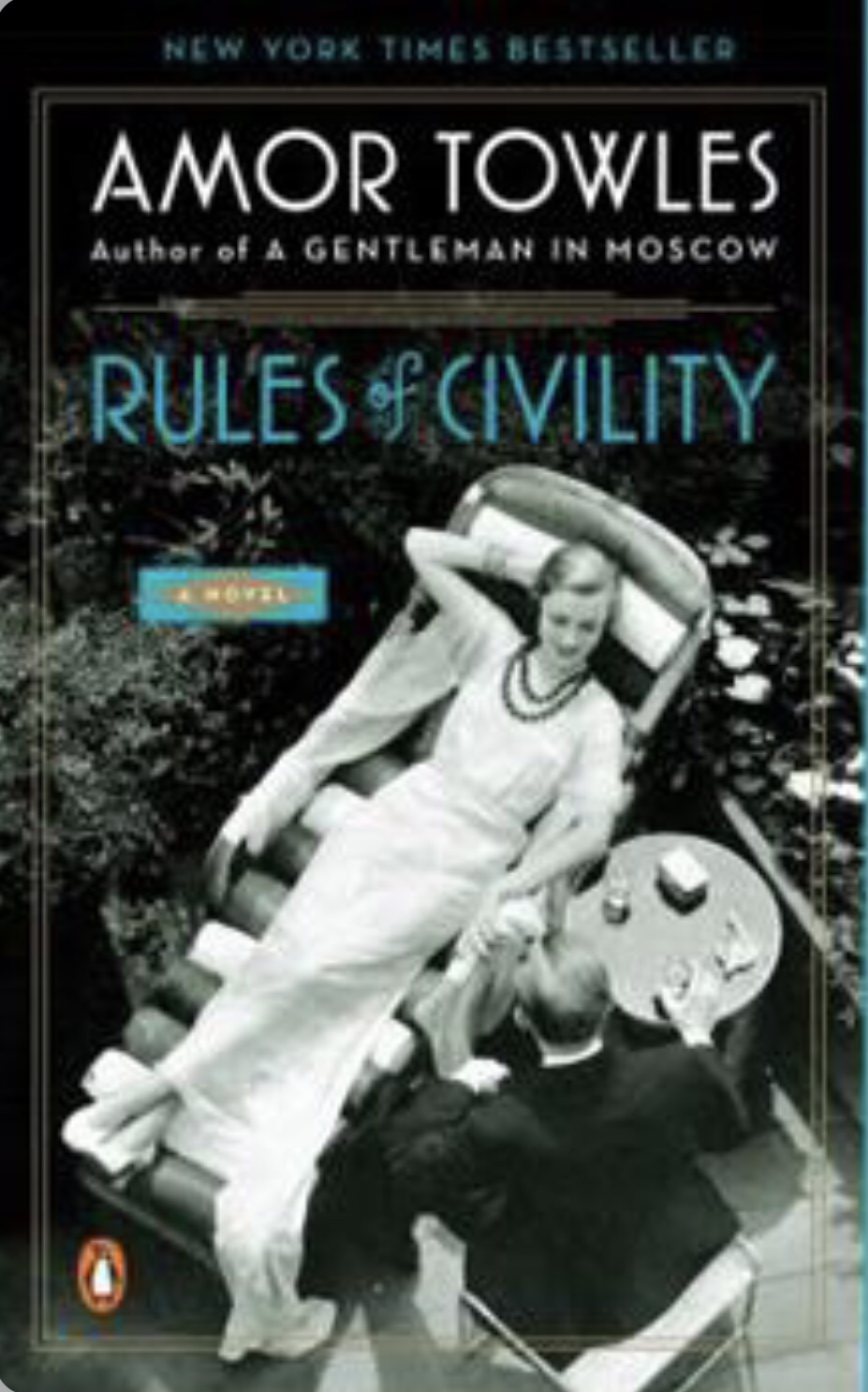
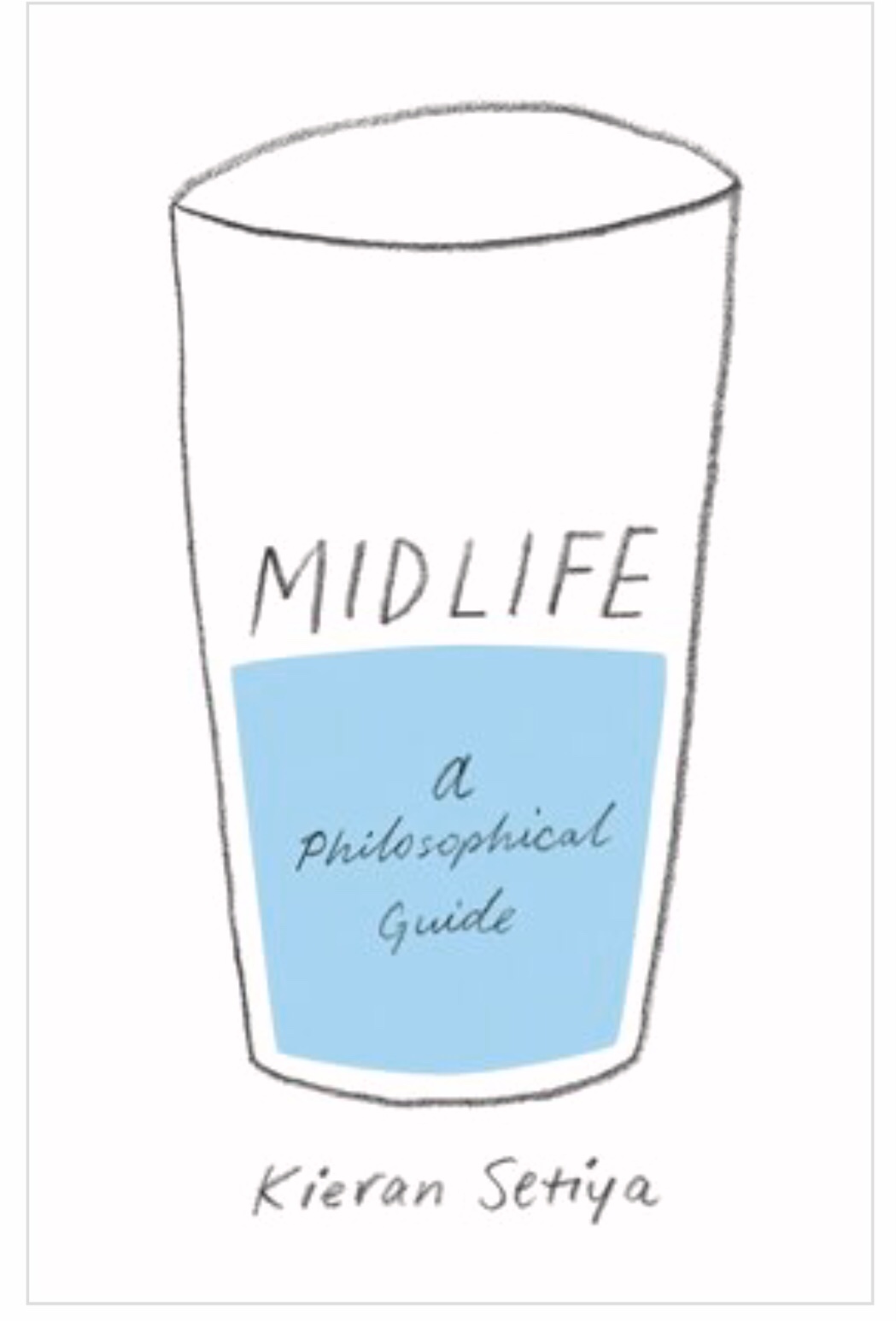
According to Kieran Setiya, in Midlife: A Philosophical Guide, it also takes looking past our own happiness to “something else.” John Stuart Mill, the famous nineteenth century British philosopher, realized that people who are happy always have their minds fixed on some object other than their own happiness. “Aiming thus at something else.” Setiya taught us that “The “something else” that you aim at can be any kind of hobby, interest, or pursuit – like watching baseball, cooking, or collecting stamps. All that matters is that it interests you.” It could also be as simple as looking forward, as Katey’s dad from Rules of Civility looking forward each day to his first cup of coffee. Or, Katey’s looking forward to reading each day.
Mill also realized that chasing his passion of changing the world through social reform had caused him to not recognize many of life’s pleasures that had nothing to do with solving problems. Happiness means learning from Katey Kontent and valuing the aspects of life that don’t involve problems and solutions. For you, as it did for Katey, that might mean reading. Or, it may mean that cup of coffee and newspaper each morning. For me, this has reminded me how important my trip to the barn every morning and evening is to my day. Spending time caring for the animals brings happiness to my day – every day. Setiya reminded us that “What matters is making time for passions that involve more than addressing life’s misfortunes.” What are the things that make you happy and keep you excited to get out of bed each morning?
The Gap Between Intent & Impact

I love it when what I have been reading in one book informs what I have been reading in another, thus causing me to pause, reflect, and collect my thoughts. One of the passages that really resonated with me from Beverly Kaye and Sharon Jordan-Evans in the sixth edition of Love ‘Em Or Lose ‘Em was recognizing “the gap between intent and impact.” Many times I view this as are you really doing (impact) what you say you are (intent)? Thus the tale of the two gaps: some just talk with no intention of acting, which brings no impact and others talk the intent and just don’t do the right things for the impact to happen. What I’ve found is, the leaders who bring real impact walk the walk. They just “do” without having to tell you about it. This in turn brings up another gap discussed by Beverly and Sharon: “The gap between espoused values and practiced values.” Make no mistake, these two gaps are very real in organizations and I am going to guess you have experienced them. What resonated with me was the notion that if we really want to love ’em (those we serve) then mass customization of how we deal with those we serve does not work. There is no one policy for the workforce anymore. We need to allow for everyone to be a part of determining what is fair and right for them.
I believe we even need to use this mindset when working with students in our educational environments. I remember as a high school principal thinking how ridiculous it was to have students who were in many cases the bread winner of the family, maybe raising a child of their own at home, or caring for the younger siblings while mom or dad were at work have to ask for a pass to go to the rest room. I know, there has to be accountability, but I believe in having high standards and helping students develop their own thoughts on what is right for them. What I have found is, is that the majority of students will rise to a high standards and want that kind of accountability. I wanted our school to treat the students like adults – because in many cases they had become adults. It is our job to help them determine what is fair and right for them. In the end, won’t this help them understand and learn to do this when they are are in the workforce and leading others?
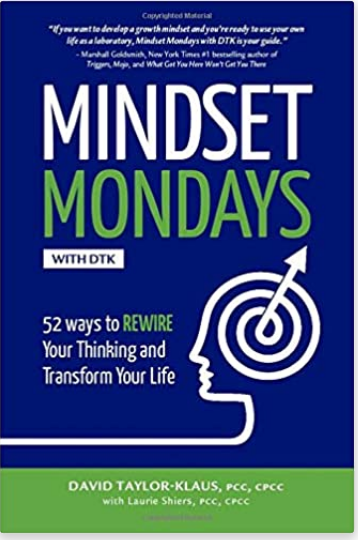
Furthermore, in this week’s Mindset Mondays with DTK lesson in Chapter 27 entitled “Love What You Do,” David Taylor-Klaus (DTK) told us “Paying attention to my impact has always helped me build my practice in a way that trying to fill the roster has not.” He went on to say, “It’s so easy to focus on getting through the list, yet when you choose to focus on what you can love, it’s amazing how much easier your checklist becomes.” Therefore it is much more important for us to be doing what we love as opposed to checking tasks off a checklist. Most importantly, finding what we love is not just important to us it is crucial to us creating an impact for those we serve. This is really essence of of Beverly and Sharon’s “loving ’em.” Are we removing the gap between intent (espoused) and impact (practiced)? Do you know what your love is? More importantly, do you know the love(s) of those you serve? If you don’t, Beverly and Sharon told us to, “Ask so you don’t have to guess.”
Do Not Forget The Small Talk

I have finished two great books this week that have caused me to do a great deal of thinking about how we communicate with each other and how, now on day 351 of the global pandemic, we need to be communicating with others. Pre COVID we had ample opportunities to casually chat with our colleagues. Now, much of the time we pop up on a screen and must talk to everyone, or not at all. In A Gentleman In Moscow by Amor Towles, the protagonist, The Count Alexander Ilyich Rostov, exclaimed “We all have many small details about ourselves that we can put together to make a mosaic of who we are.” These small details are important to relationship building. The Count used conversation to elaborate on the smallest of details. Even in our virtual interactions we must build in time (or let it happen organically) for small talk. This does not mean asking a single question that everyone in the group must answer – that is not small talk.

Growing up we raised a lot of White Pekin Ducks. It was always interesting to me that when a group of ducks got separated from each other, once they got back together there was a great deal of chattering and quacking like they were getting caught up on all the latest news. It was amazing to watch and listen to this loud interaction. Boy would I have loved to speak White Pekin Duck. Ducks are like us, very social. In fact, they do not like to be alone and should never be raised as singles. I believe we have found how much we are like that. Therefore, I always like to get on to virtual gatherings I facilitate about 15 minutes early and will leave the room open for a short time afterward. This mimics the time that we all do small talk before and after meetings. This gives us a chance to sort through what was called “our vast catalog of casual questions” in A Gentleman In Moscow. This needs to be unstructured time to be worthwhile. Many leaders have real trouble just letting this happen naturally.
As chair of board for the National Association of State Boards of Education (NASBE) I have had to get comfortable with meetings starting a little late (maybe 10 minutes) because participants from all over the country are Zooming in and want to talk about the personal things we would all talk about if in the literal room together. Clearly, there is a balance to reach, but if I didn’t allow for this it would be irritating to the members. We must create space for small talk.
If we use the interrogatives for conversation, we can learn so much about those we serve. Sharing a space is not always sharing an experience. Allowing space for small talk will also allow for us to, as Beverly Kaye and Sharon Jordan-Evans told us in the sixth edition of Love ‘Em Or Lose ‘Em to “Ask so you don’t have to guess.” These interactions help us to understand how to love those we serve. I love how The Count did it in A Gentleman In Moscow. He used the phrase “So tell me…” Don’t you love it when someone starts with “So tell me…” instead of “Let me tell you…”?
Finally, if you’re one that needs a little more structure, ask questions that those gathered will have an opinion about. But, don’t forget, you may not have the same opinion. This is okay and fun. Let’s not forget just how important small talk is to really knowing those we are associated with.
Flavors of Motivation

I loved chapter 26 in Mindset Mondays With DTK by David Taylor-Klaus (DTK) entitled “Seek to Build” this week. He started with “There’s the flavor of motivation that’s irritation, a move away from something; and the flavor that’s inspiration, a move towards something” (p. 193). I had never really thought about motivation in this light, or flavor if you will (pun intended), before. The bottom-line here is, however, that both being motivated by irritation or inspiration can both create positive ends. As a creative innovator, I thought about being motivated to create change because of the irritation of the thing, policy, or procedure that needed changing. This is a good thing. It’s why, many times, products get improved. Conversely, inspiration does the same thing. I am reminded of some of the blog posts I was motivated to write in the last week came from the inspiration of books I am reading.
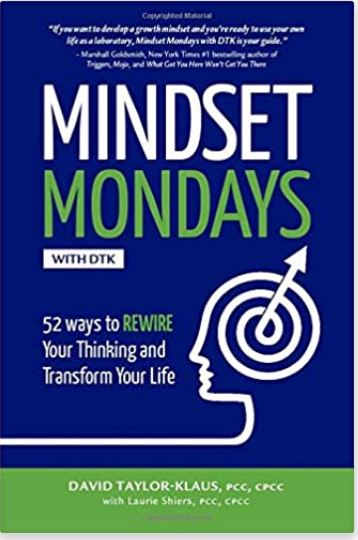
Therefore both ways of being motivated can be powerful for us. Many times the two flavors of motivation are blended together like a chocolate and vanilla twist ice cream cone. As DTK taught us, “Judging inspiration as good energy and irritation as bad energy deprives you of a valuable source of motivation. Don’t vote. Both flavors of motivation propel into action” (p. 194)! So, use the energy created by the flavors to create positive change in all you do and for all those you serve.
 Byron's Babbles
1 comment