A Might Be
In the book Perelandra by C.S. Lewis, the phrase “A might be” really intrigued me. The protagonist in the book, Elwin Ransom, represented the human perspective and was referring to the concept of potentiality or what could possibly be. It reflected the idea that everything in existence has the potential to become something else or to undergo change. It suggests that there are endless possibilities and potential outcomes in the universe.
I do believe we have endless possibilities and potential. As humans, it is our role and responsibility to explore and discover those possibilities and potential outcomes. We have the ability to think, reason, and make choices, which gives us the power to help shape all that goes on around us. It is up to us to use our potential wisely and make decisions that not only benefit ourselves but also contribute to the greater good of humanity and the universe as a whole. What might be?
The Unlearning Leader

Those of you who regularly read my blog know I am taking courses at the University of Oxford Saïd Business School. Yesterday the question of ‘“What are the things I need to start and what are the things I need to stop?” was posed. This is a very meaningful prompt to contemplate. It was then discussed that “Failing to unlearn runs the risk that new responsibilities and demands will be layered onto existing ones; nothing is ever discarded and work becomes overwhelming” (2023, Saïd Business School). This really hit home in the policymaking side of my life in education. As we consider redesigning high school or anything in education, we have a lot of things to unlearn.
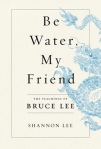
Then I thought back to some teachings of Bruce Lee. I recently read Be Water, My Friend: The Teachings of Bruce Lee by Shannon Lee. Bruce Lee believed that “the value of a vessel – whether a cup, pot, or bottle – is in its emptiness.” He saw emptiness as a metaphor for openness and potential and believed that when a vessel is empty, it has the capacity to be filled with new ideas, knowledge, and experiences. Just as a cup can only hold water when it is empty, a person’s mind can only receive new information and grow when it is open and receptive. Emptiness allows for limitless possibilities and growth. Let’s not forget that unlearning and emptying our minds can be just as important as learning, so we don’t end up with overwhelming layering.
Wonder Woman Leadership
I got back into the U.S. today and had the chance to turn the television on. I watched no television while I was in England. It was time to sneak some screen time! When I turned on the television an old episode of Wonder Woman was on. I just kept watching the 1977 Season 1 Episode 14 because Diana said to Wonder Women (Lynda Carter), “I don’t think he is much of a war hero.” Diana thought one of the stars of a movie being made using actual military heroes was a scared lier. Wonder Woman replied saying, “sometimes that has to do with something called ego.” The war hero starring in the film had only become heroes through circumstances that had occurred allowing him to look like a hero. This really hit home after spending the past weeks intensely studying the work of C. S. Lewis.
Lewis told us this in Mere Christianity of pride: “There is no fault which makes a man more unpopular, and no fault which we are more unconscious of in ourselves. And the more we have it ourselves, the more we dislike it in others” (p. 121). Lewis taught us that if we want to acquire humility, we need to realize we are proud. Pride is one of the great vices according to Lewis. I wrote about humility in Becoming Humble. Lewis also told us we could and should feel pride when someone we respect is proud of us. As he said, “Pleasure in being praised is not Pride.” It becomes pride with conceit; when we start believing we are better than everyone else.
Interestingly, the proud person is the one that tells us that he is humble. We certainly don’t need the high and mighty, egotistical leader. We need authentic and humble leaders.
Meditation at The Kilns
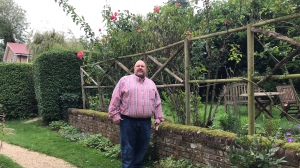
I have had the opportunity for a great deal of “meditation” this week regarding so many aspects of both my personal and professional life while serving as a Scholar in Residence at The Kilns. I use the word “meditation” here and put it in quotes purposely because it is in the title of an essay titled “Meditation in a Toolshed,” by C. S. Lewis. For this post I am using the definition of meditation from Oxford Languages of “a written or spoken discourse expressing considered thoughts on a subject” for “meditation.” I make that distinction because my own definition of meditation here has been based on the opening two paragraphs of “Meditation in a Toolshed”:
“I was standing today in the dark toolshed. The sun was shining outside and through the crack at the top of the door there came a sunbeam. From where I stood that beam of light, with the specks of dust floating in it, was the most striking thing in the place. Everything else was almost pitch-black. I was seeing the beam, not seeing things by it.
Then I moved, so that the beam fell on my eyes. Instantly the whole previous picture vanished. I saw no toolshed, and (above all) no beam. Instead I saw, framed in the irregular cranny at the top of the door, green leaves moving on the branches of a tree outside and beyond that, 90 odd million miles away, the sun. Looking along the beam, and looking at the beam are very different experiences.”
C.S. Lewis, “Meditation in a Toolshed” in God in the Dock (Grand Rapids: Eerdmans, 1998, pp. 212-215.)
And that’s just the beginning of the essay! The point Lewis was making is that instead of merely looking at the sunbeam and looking through it, out into the world beyond the dark of the toolshed, he sees a completely different picture. As he said, “Instead I saw, framed in the irregular cranny at the top of the door, green leaves moving on the branches of a tree outside and beyond that, 90 odd million miles away, the sun” (Lewis, p. 212). There is a difference between simply looking at something or experiencing it. We must use our experiences, just as Lewis used his toolshed experience to see something greater. Without this deeper meditation the experience would be lost on us. I call this being the “Deer In The Headlights.”
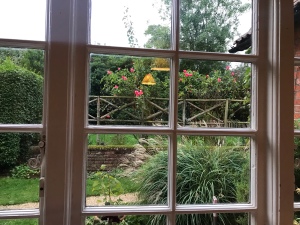
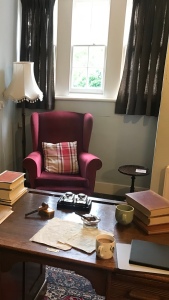
This is why it was so important for me to be at The Kilns as a Scholar in Residence. I felt the need to live through (along) this incredible place that C. S. Lewis lived, meditated, and wrote as opposed to just looking at it. I didn’t want to just see the property – that’s a tour. I wanted to see through the property – living through The Kilns. I wake each morning to see the roses outside the windows and then can go smell them. I hear the stairs creak and crack as I walk up to Lewis’ study. I will never forget the feel of the southerly breeze and warmth of the sun through the window in Lewis’ study. You get the idea.
My entire study experience has been deepened because of the full immersion into C. S. Lewis’ life. Even my walks to the local pubs and other sites gave me the opportunity live through Lewis, who was described as a habitual walker. I wanted to walk where he walked. Lewis used the simple example of the neurologist who can describe pain scientifically, but really understands it because he has looked along pain (experienced) and not just looked at pain.
Lewis explained that we can’t look at or along, but use both. He said, “…we must start with no prejudice for or against either kind of looking” (p.215). We need the entire picture from looking at and along.
The Kilns And World War II

Another bit of history from The Kilns. The house in Oxford, England and home of C. S. Lewis, served as living quarters for teenage girls during Operation Pied Piper. During World War II Operation Pied Piper was a major evacuation program that took place in the United Kingdom. The operation aimed to protect children, particularly those living in urban areas, from the dangers of bombing raids by evacuating them to rural locations.
Some important things to remember about Operation Pied Piper include:
1. The evacuation: Starting on September 1, 1939, over 3 million people, mostly children, were evacuated from cities and towns to safer areas in the countryside. The initiative ended in 1946.
2. The reasons behind it: The main objective of the operation was to safeguard children from the devastating effects of aerial bombings by the Nazis. By relocating them to areas less likely to be targeted, it was hoped that their lives would be protected.
3. The process: Children were often separated from their families and housed with host families or in designated reception areas. Some experienced homesickness and difficulties adapting to new environments, while others formed lasting bonds with their hosts.
4. Post-evacuation challenges: After the initial wave of evacuation, many children returned to their families in cities due to the lack of immediate bombing threats. However, when intense bombing resumed later in the war, further evacuations occurred.
5. Long-term impact: Operation Pied Piper had a significant impact on the affected children and society as a whole. It highlighted the vulnerability of civilian populations during wartime and raised awareness about the need for child protection services and support systems.
It’s important to note that while Operation Pied Piper was a crucial part of history, it may also contain personal stories and experiences that contribute to the broader narrative of the human experience during times of conflict. I became interested in learning more about Operation Pied Piper while reading The Secret Book of Flora Lea by Patti Callahan Henry.

While at The Kilns this week I had the opportunity to spend some time in the room where the children stayed (see photo). I tried, but couldn’t, to imagine what it must have been like to have a luggage tag put around your neck and shipped off to be picked out of a line and then spend long periods of time with people you did not know. I did love the story told while I was here at The Kilns that Jack (what everyone called C. S. Lewis) would sneak the girls out through the window to take them for fish and chips. That really raises him on the coolness scale for me even further. Don’t you agree?

The other notable area on the site is the bomb shelter (see photo). It is hard to imagine living less than an hour from London where bombs were falling and wondering if and when it might happen in Oxford. It is believed that Oxford was safe because it was being saved by Hitler to be his capital of Europe.
This was some very interesting history and certainly shaped many lives.
Narnia Door To Leadership

Today I had a Narnian experience. I went to the Narnia Door located in St Mary’s Passage in Oxford, England. I’ve got to say that making that walk with the Lamp just ahead was just like I would imagine Narnia. And the door! From the wood used to make the door, to the lion carving on the door, to the two sculptures of fauns that look like Mr. Tumnus, I could see why there are many who believe this was the inspiration of C. S. Lewis for Narnia. It is cool that this is one of those myth versus history things because no one knows for sure. Me; I believe there might just be some truth to it. Think about it: Lewis was on the Oxford campus from 1925-1954. He had to see that door!
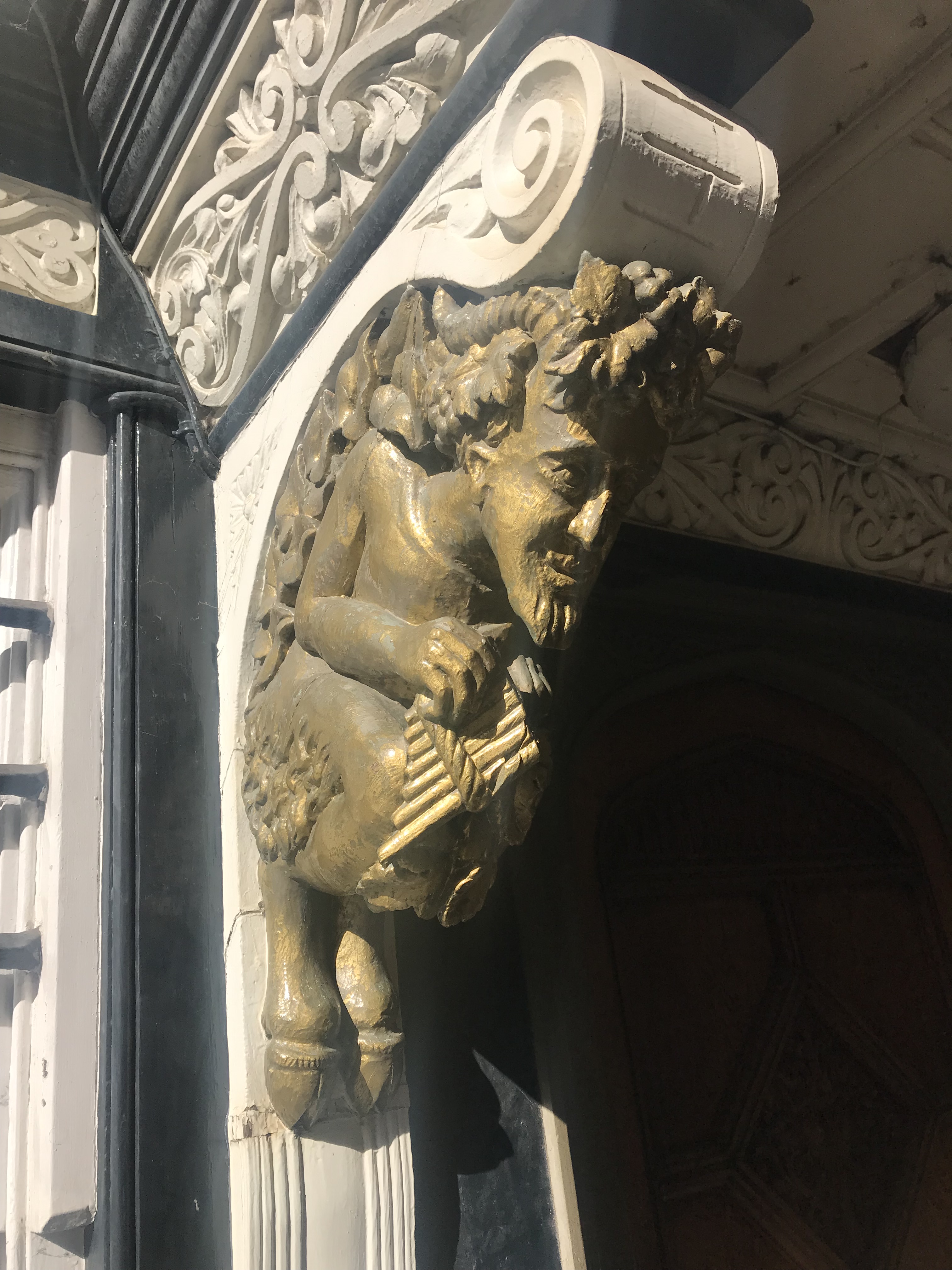

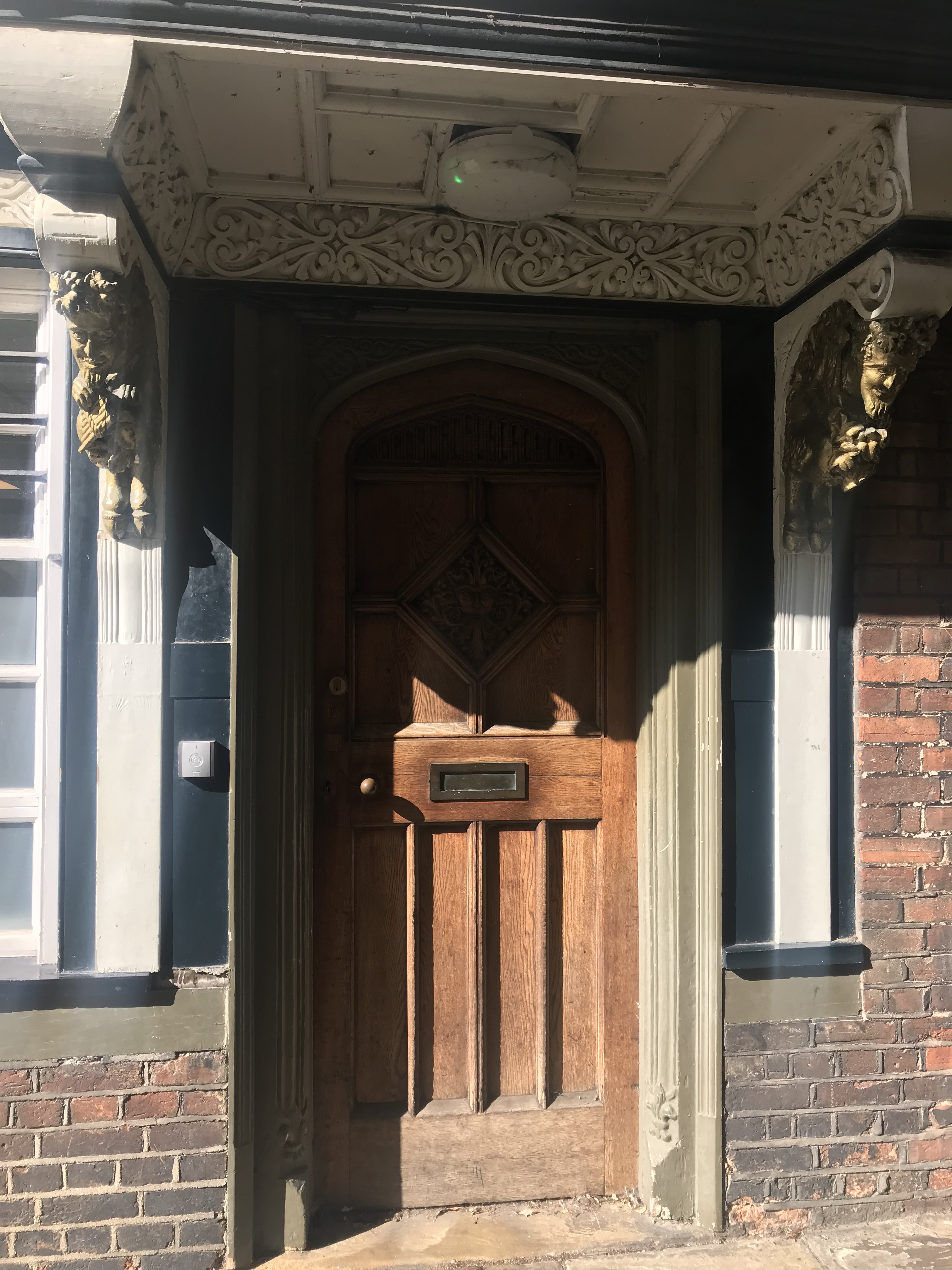
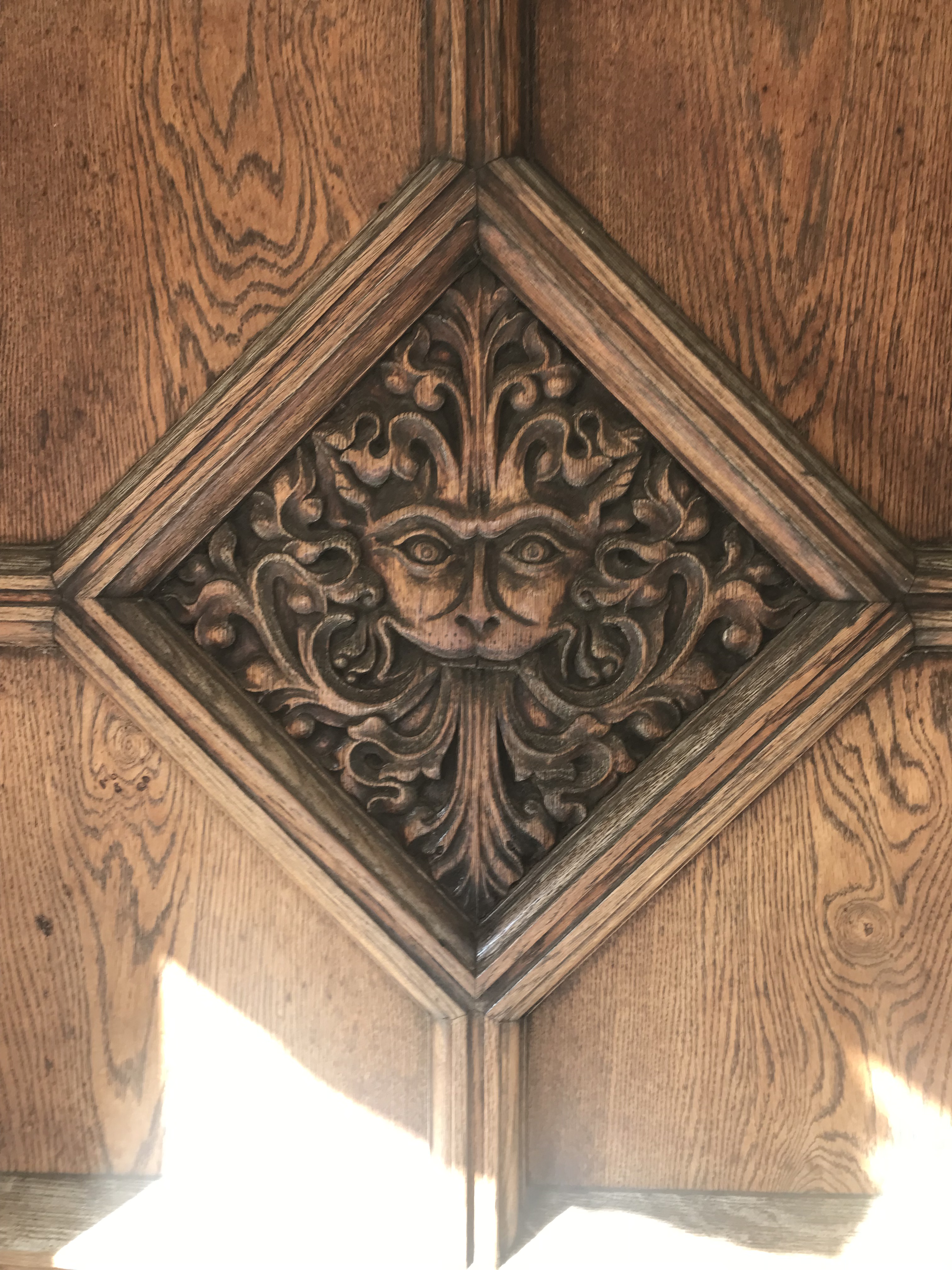

Let’s get back to the genius of Narnia. As I walked back and forth on St Mary’s Passage to the Lamp and back to the door, over and over, I was thinking about the kids – Peter, Susan, Edmund and Lucy Pevensie (check out my pictures). What it would have been like to have been them going through the wardrobe to the Lamp and beyond. Then I began to think about all the leadership lessons that Lewis had built into this fairy tale. The one that always stands out to me most is when Aslan empowered Peter (another leadership lesson) to lead the Narnian army. His reaction was that he could not do it because he had never led an army before. As a believer that everyone is a leader, we often find ourselves in situations where we don’t have all the experience we might want or all the answers. Reality is, this will always be the case. I just told a group of mentor principals last week that my first year as a principal I would have people come and ask me questions that I had no idea what they were even talking about. Fortunately I had great people around me and we were able to figure out all the answers together. And, I want to note: we NEVER used the philosophy of “fake it till you make it.” That DOES NOT WORK! Don’t try it. As we know, Peter channeled his courage and was successful.
Through my involvement with the University of Oxford I just became a member of 2U’s edX Career Engagement Network and they posted this yesterday:
Re: Imposter Syndrome – An estimated 70% of the population has experienced imposter syndrome at some point in their career. You don’t need to meet 100% of the requirements to apply for the job.
I love what they say here: you don’t need 100% of the requirements to apply. In fact I’m not sure there is ever a person that has 100% of the requirements. I know I never have; particularly when I founded my own business or, as I mentioned earlier, became a principal for the first time. I find teachers bringing up imposter syndrome. Amazingly, it is always some of the best teachers I’ve witnessed in the classroom. Unfortunately, many times the feelings of imposter syndrome come from expectations put on us by others who really don’t understand the job to start with. Bottom-line: we need to allow ourselves to be challenged and grow.
The Life Beyond Our Own Air Is Not Evil
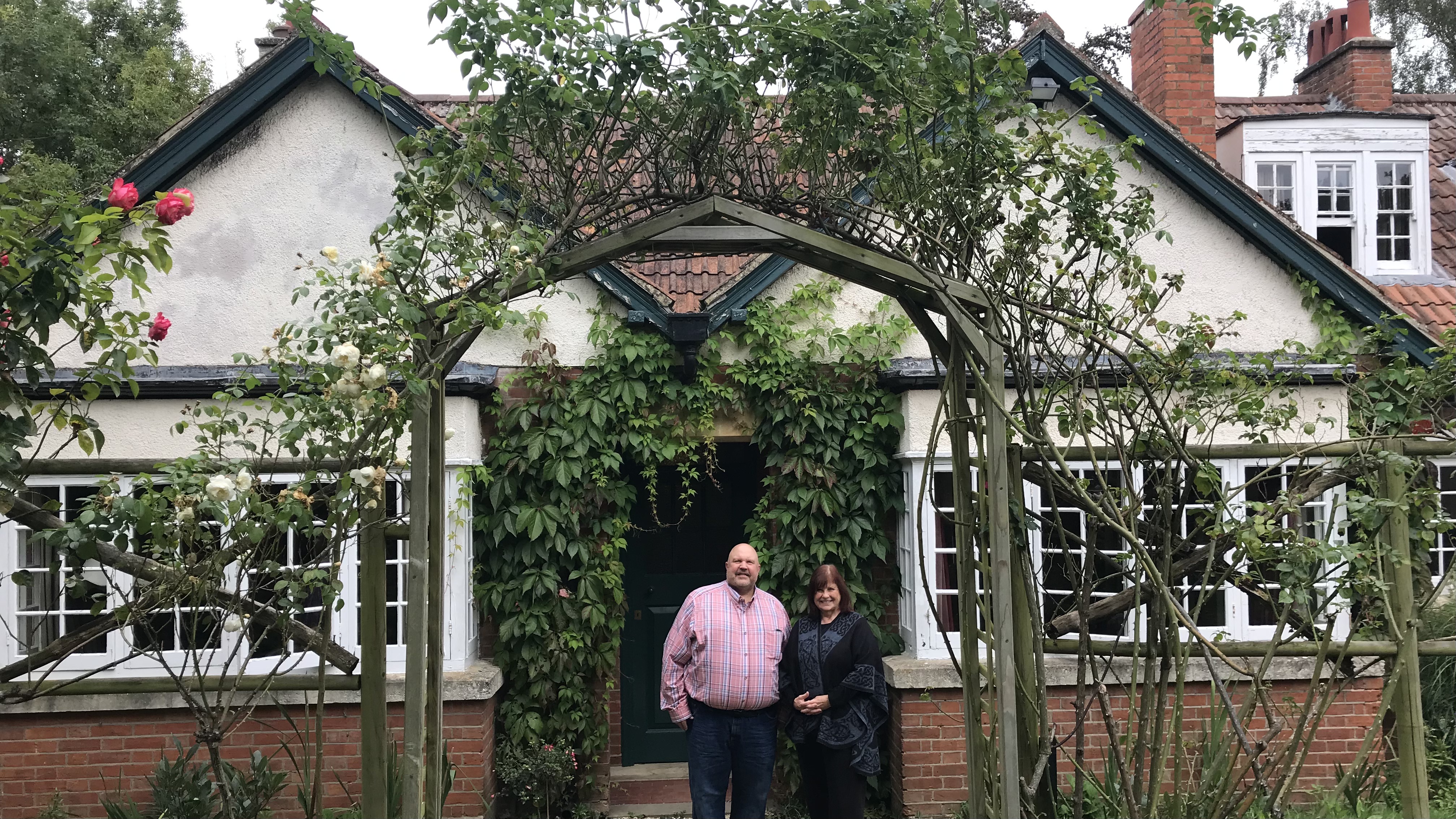
I have another post inspired by Out of the Silent Planet by C. S. Lewis. I read this book while living at The Kilns this week as a Scholar in Residence. Dr. Debbie Higgens, Director of the C. S. Lewis Study Centre at The Kilns, handed me the book when I was first getting settled in after learning I had not read The Space Trilogy by C. S. Lewis that includes Out of the Silent Planet, Perelandra, and That Hideous Strength. At the time I wondered how this was going to fit the research work and writing I was doing about leadership, but I have to say it was an exciting guide to this week’s work. There have been so many phrases in the book that went right along with my studies. One such line in the book made me think about my overall pilgrimage to The Kilns. Here I was in a foreign country, by myself, in a house living with people I had never met until a few hours ago. A little scary, but glorious all the same. Then, in Out of the Silent Planet I read, “The tellers of tales in our world make us think that if there is any life beyond our own air, it is evil.” You ever thought about how true this is?

Our mythology has taught us that any life form, or anything outside of our own atmosphere would be bad or evil. Now, Neil Armstrong and company helped to subside this, but we still do this, even when thinking and speaking of of other countries. Before leaving to come here I had people asking me if I was nervous or scared to be living with people I did not know at The Kilns. This was curious to me – they are humans just like me – once I said “hello” they would not be strangers anymore. Just another reason why building relationships is so important. One of our challenges to inclusion is the myth of how different anywhere and anyone beyond our own air is. Not that everyone believes other places to be evil, but it is close to that in some instances. Our differences scare us when they should excite us.
I get there being an uneasiness when first meeting someone from a different country, but when truly getting to know them the uneasiness goes away very quickly. When arriving at The Kilns I literally put my bags in my room and was ushered to the dining room for tea. I had never done a formal tea before so I needed to be taught. My hosts were gracious in explaining things like how to put jam and clotted cream (in that order – trust me it is a big deal in the English air space) on my biscuit. It was a glorious time that I will never forget. In fact it is one of the highlights of my experience. I really got to know those I would be living with. My point is, I know people who that would have completely stressed out. Somewhere we have gotten wired in our systems just what Ransom said in Out of the Silent Planet, “The teller of tales in our own world make us think that if there is any life beyond our own air, it is evil.” I know he was referring to outer space in this book, but the “beyond our own air” can apply in some cases to the next neighborhood over.
We need to work hard to break this myth, particularly in our young people, by giving them experiences in others’ air. As adults we need to also take the opportunity to get in other human air space and get to know more of our fellow humans. Let’s get out there and experience life beyond our own air.
My Mad Obsession For Learning

As you are aware if you have been reading my posts this week, I am reading Out of the Silent Planet this week at The Kilns. This morning will be by last morning until my next visit. As I reflected, with the smell of my new morning favorite of crumpets with jam and clotted cream (applied in that order I might add – because it is a ‘thing’ here) this morning, I realized that what C. S. Lewis said in Out of the Silent Planet is so true: “The love of knowledge is a kind of madness.” My eagerness to gain deeper learning of C. S. Lewis and study his work through the lens of leadership has become somewhat of a mad obsession. But that mad obsession has led me on this wonderful odyssey. I am headed to Oxford today to spend time at the Bodlein Library for further study. Additionally, I began courses at the Saïd Business School of the University of Oxford this week in Professional Services Firms leadership. More to come on where all this research, studying, and learning will take me; or, better yet, allow me to take others!
Last week I had the opportunity to learn from Gary Bolles as part of The Kevin Eikenberry Group‘s Virtual LeaderCon. As a student of Peter Drucker, who said, “Culture eats strategy for breakfast,” I perked up when Gary said, “Mindset eats skill set for lunch.” Bolles had outlined the three rules of our work as we know it now:
- Mindset
- Skill set
- Tool set
Bolles was encouraging us to start with the growth mindset and encourage everyone we serve to create personal development plans and consider themselves lifelong learners. As you may know, I am not a fan of the term ‘lifelong learner’ as we are learning every day whether we want to or not – it is about what we are doing with that learning that matters. In my case, I have gained a mad obsession for learning. That mindset for learning will invariably cause gains in ‘skill set’ and ‘tool set’. This really flips the old school of thought that we must start with all the technical skills. One of the very profound things that Bolles said was, “The future of work will be judged by how we have helped others lead.” He went on to say that, “…leaders will be judged by how many problems never reached their desk.” So, for this continual learning to happen we, as leaders, must take responsibility for helping others. And, since I believe everyone is a leader; this means we must all be responsible for helping others and growing our own knowledge.
First Bubblings


As you know, I am at The Kilns in Oxford, England right now as a Scholar in Residence for the C. S. Lewis Foundation. It has been an amazing week and right now I am having my morning coffee sitting where Jack (C. S. Lewis) would have been sitting in the Common Room. I came out here intending to finish reading Out of the Silent Planet but instead looked over at the bookshelf beside me and pulled out Boxen: Childhood Chronicles before Narnia. Douglas Gresham wrote the Introduction and in it said, “So there was a sort of emotional and intellectual gap in Jack and Warnie’s literary experience” (p. 8 in Boxen). Gresham was referring to the books available in the house which were too old (advanced) for them. Their parents had no taste for faery (English spelling) tales. So, they bridged that gap. Imagine that C. S. Lewis was only eight years old when he described power and the rise and fall of nations in ‘History of Mouse-Land’ (p. 30 in Boxen).
Interestingly, Jack and Warnie did not write Boxen for anyone but themselves, but it could be a leadership book. Here’s what I mean (descriptors in parenthesis are from me):
- King Hacom used his power well and used counsel (collaborative/open minded).
- King Bublish I was conceited and full of pride (humble).
- King Benjamin was popular and knew everyone (Relationship builder).
- Governor Leppi I was a great scholar, but cruel, foolish, stubborn, and weak (pretty self explanatory).
As I reflect this morning, my mind is going in several different directions. Douglas Gresham called Boxen the “tangible and readable first bubblings forth of the springs of literature that were, years later to be the source of a great river from Jack and a healthy tributary from Warnie…” (p. 10). We talk a lot about making sure we are teaching creativity to our children and that we are making space for creativity in adults, but we need to make sure we give everyone the opportunity for “bubblings” no matter what state of life. I, in my sixth decade now am bubbling over from all the new thoughts in my head. Oh, to be sitting here having coffee with and talking to Jack!
Our Collective Identity
Mythology has come up a lot in the book I am reading while sitting where C. S. Lewis sat in the Common Room at The Kilns. The book is Out of the Silent Planet. I had not read Lewis’ acclaimed three volume Space Trilogy and was handed the books shortly after I arrived here for my Scholar in Residence Program. Wow, this is some incredibly thought provoking writing. One such quote from the book is, speaking of the character of Ransom, “It even occurred to him that the distinction between history and mythology might be itself meaningless outside the earth” (p. 169). The distinction between history and mythology lies in their nature and purpose. History is the study of past events based on evidence and facts, aiming to provide an accurate account of what happened. It often relies on primary sources such as eyewitness accounts, documents, and archaeological findings. The primary goal of history is to understand and interpret the past.
A place where the distinction of history and mythology gets blurred is the ideas of legends and heroes: American mythologies also include legends and heroes such as George Washington, Abraham Lincoln, and Martin Luther King Jr. These figures are celebrated for their contributions to American history and are often seen as symbols of national identity and values. I believe, however, these historical humans should be studied as human beings and not heroes or legendary myths.
On the other hand, mythology refers to a collection of stories, beliefs, and traditions that are often passed down orally or through written texts. Mythology may include elements of history but also incorporates supernatural, symbolic, and legendary elements. It serves various purposes such as explaining natural phenomena, teaching moral lessons, or outlining cultural values and beliefs.
The concept of the American Dream is a powerful myth in American culture. It represents the idea that individuals can achieve success, prosperity, and upward mobility through hard work, perseverance, and determination.
While history strives for accuracy and relies on verifiable evidence, mythology is more focused on conveying deeper truths and exploring the human experience through storytelling. Mythological narratives can be influenced by cultural, religious, and societal factors, making them subject to interpretation and evolution over time.
Mythologies and history are a part of all cultures around the world and play a significant role in shaping our values, rituals, and understanding of the world. They provide insights into a culture’s history, worldview, and collective identity.
 Byron's Babbles
leave a comment