Explicitly Rethinking Your Leadership

There are so many great pieces of information in today’s chapter in Mindset Mondays by David Taylor-Klaus (DTK). The lesson (#5) was entitled “Rethink Your Thinking.” I have a school leader I am mentoring for a client right now who I just had a conversation about this very topic with. In fact, I actually said, “You need to rethink how you are doing this to get it streamlined.” He was involving himself in every single thing that happened. Every single thing that is happening in the school has his fingerprints on it. Result: the rest of the team is not using their expertise to the fullest, and he is so bogged down, he can’t get it all done. As DTK pointed out, “Delegating the activities and tasks that drain energy frees you up for activities that fuel your growth, serve your clients [in this case the teachers and students], and deepen your impact.” We need to think about and recognize how the highest and best use of our time can be most powerfully spent.
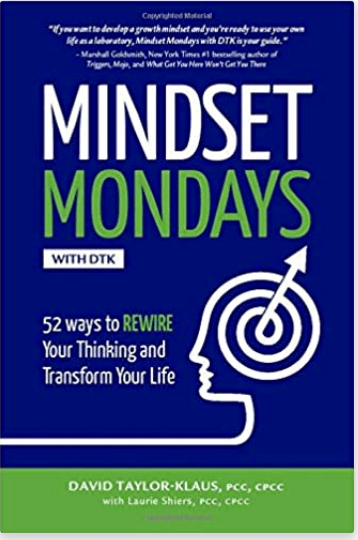
This will be easy to solve for my men-tee. He already believes in distributed leadership and a flattened hierarchy, so all he needs to do is “declare explicitly” empowerment to others. Notice my terminology here: “declare explicitly.” I have found this to be a step that gets left out. Sometimes as leaders we need to make sure and make the implicit, explicit. In order to rethink his thinking and go down the much more improved and streamlined path, my men-tee must make sure the teachers know explicitly what needs to have his fingerprints on and what the teachers can just do. The teachers are at street-level working with our students and are in the best position to make many decisions and solve issues because this is where the data is created.
Don’t Overlook The Brilliance Of Our Students
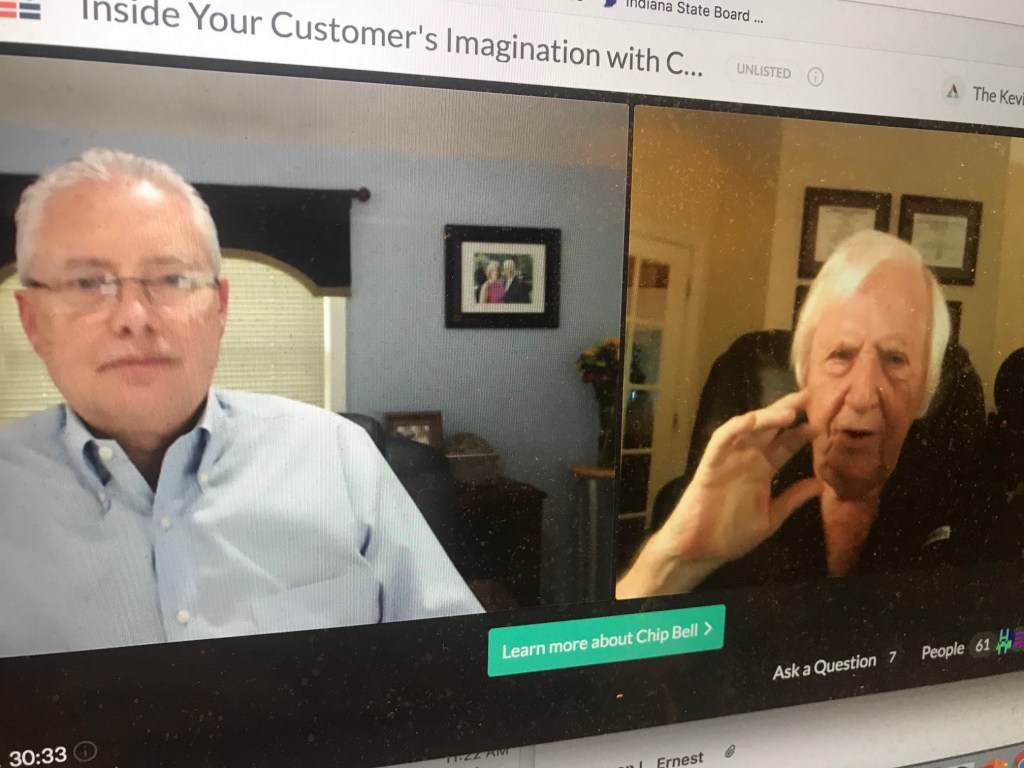
I’m still getting caught up on my reflection of the lessons from Kevin Eikenberry’s Virtual LeaderCon last week. This post is about Chip Bell’s response to my question about where education and the students we serve fall into the realm of the work he has put together in his latest book, Inside Your Customer’s Imagination: 5 Secrets For Creating Breakthrough Products, Services, and Solutions. The first thing he said was, “We must treat students like customers, not consumers.” There is brilliance in our students that so many times gets overlooked.

I asked Chip to go into a little more detail about treating students like customers and not consumers. To this he stated that we have board meetings and where are the students (I’m excited that many states have put students on their state boards of education – I’m still working on Indiana)? But, local school boards should think about student members in some capacity, too. He also asked us to think about where the student was when we were having planning meetings. Chip explained that everything we do should “have our customer’s fingerprints all over it.” He used the example of when we coach little league baseball we tell the kids to “be the ball.” We need to be telling our students to “be the customer.” And, then letting them be the customer. Chip believes our students should be partners along with our students’ families. He promotes student-staff partnership initiatives.
Chip Bell reminds us that customers can give us our best next idea. We should be asking the question, “What is something no-one else has ever thought of?” This discussion reminded me that the words “customer” and “consumers” are often interchangeably used and are easily confused with one another. While students are consumers and the ultimate user of the product, we need to treat them like customers – the person buying the product. We need to think of our students as a final customer– these are the customers who buy the product for their own need or desire. This kind of thinking will help us to better individualize education for every student.
We must innovate. Listening to our students will help us to do this. We can’t keep offering the same thing over and over and over again. We owe it to our students to be authentic. As Chip told us during Virtual LeaderCon, “Authenticity wins every time.”
Salient Issues From The Field Of Personalized, Competency-Based Education

I had the opportunity to be a part of what I would call a silver lining of the COVID-19 Pandemic situation. Aurora Institute had to pivot to their annual symposium being virtual so took that opportunity to develop a virtual pre-symposium webinar series of over 20 webinars leading up to the Aurora Institute Virtual Symposium being held October 26-28, 2020. Click here to see past webinars and click here to see webinars yet to happen. The webinar series has been incredible and I had the opportunity to present with Lauren Bailey from the Middlebury School Corporation and Sarah Koontz of Horizon Education Alliance. I have had the opportunity to work a great deal with both of these great individuals when providing professional development on project-based learning for the school corporations in Elkhart County, Indiana and then when we (Noble Education Initiative) partnered with them on our free webinars last spring. Click here to read about this.
Yesterday, Lauren, Sarah, and I presented on Integrating Project-Based Learning in Online and Blended Courses in Indiana for the Aurora Institute Pre-Symposium Webinar Series. This was such an awesome experience and I have had so many participants reach out afterward wanting further information and wanting to stay in touch. I also love the fact that the Aurora Institute has made the recordings of these webinars open access. Its great that that these webinars are available for educators, education leaders, and policymakers for high quality learning.
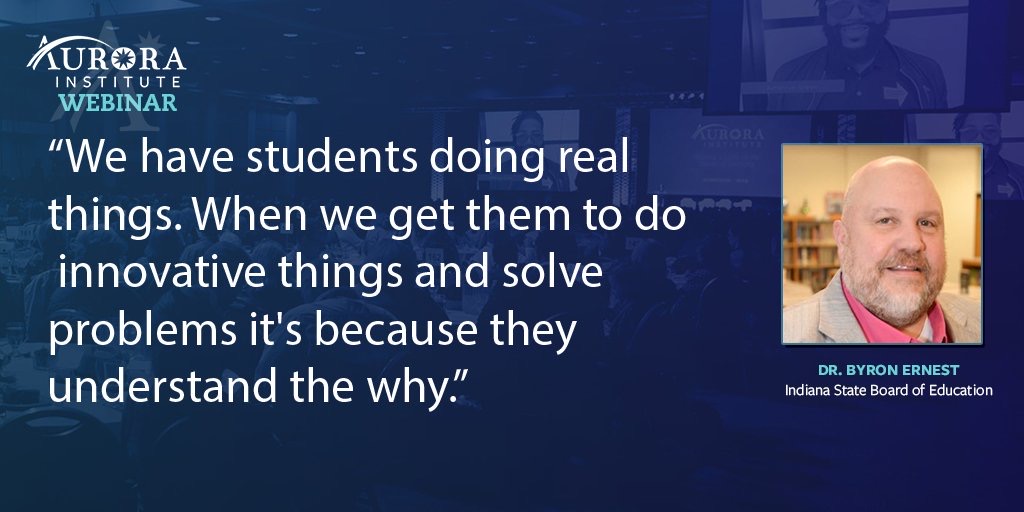
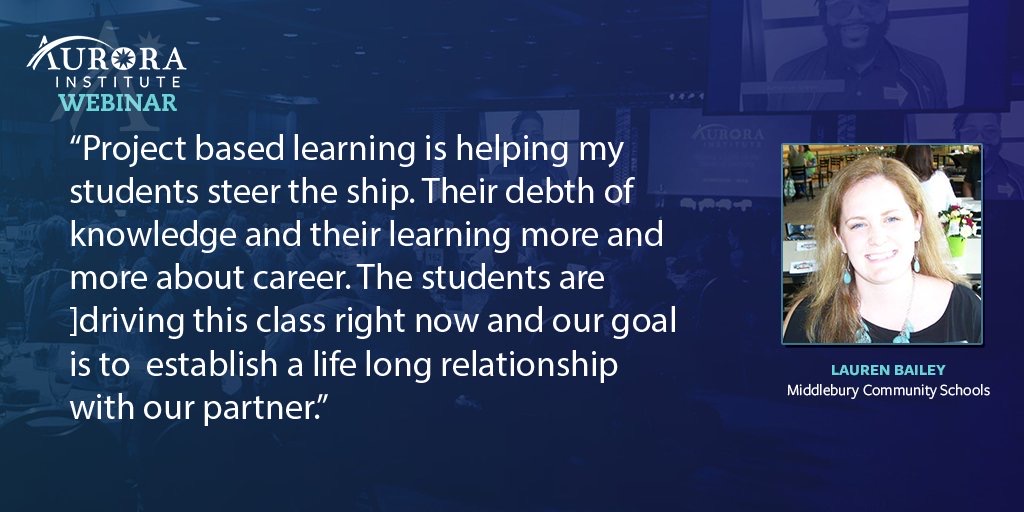
For this post I am going to let our webinar recording and the quote banners that the Aurora Institute did do the talking. Here is our webinar:
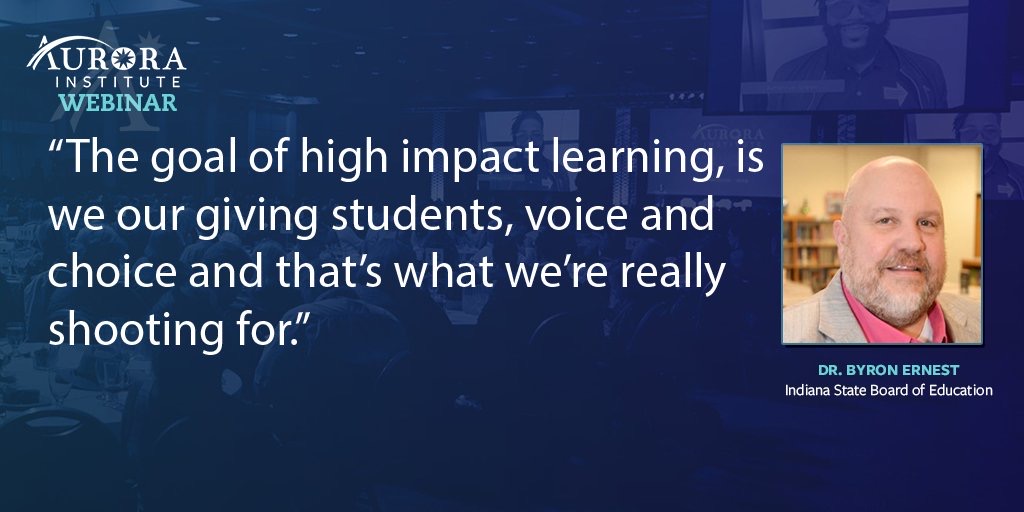
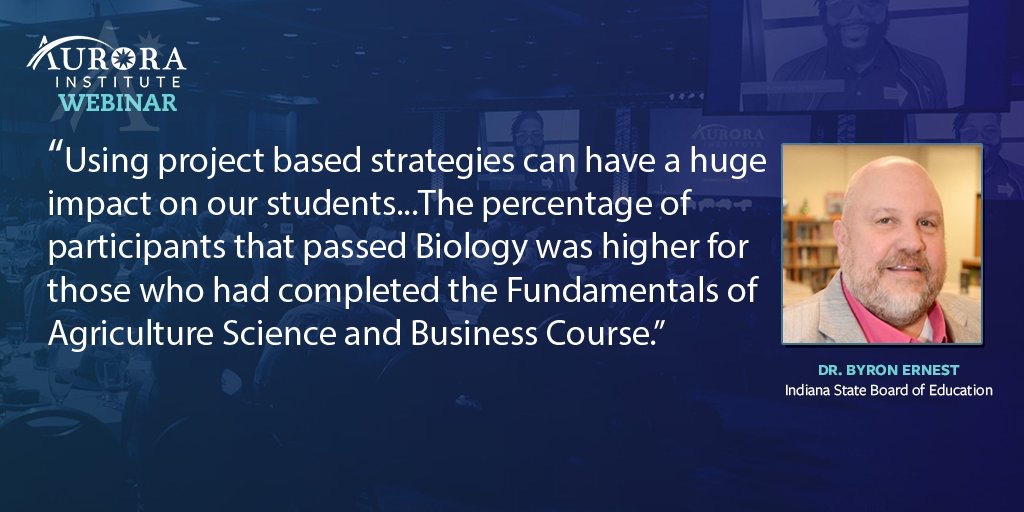
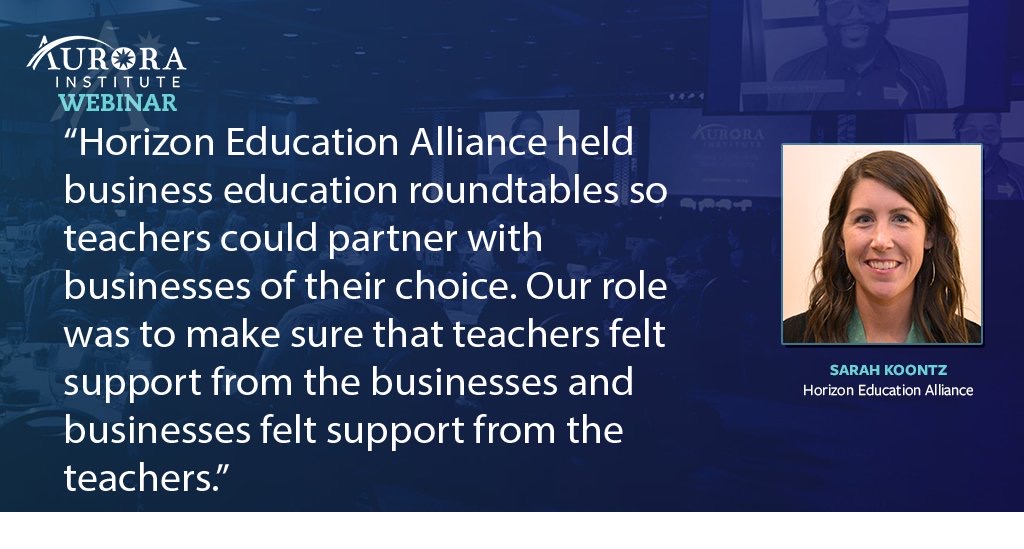
Here are some quotes from the webinar:
Angry Fishing
 I just tweeted that having your son in Murray, Kentucky at Murray State University had its advantages; one of which is getting to spend the day on Kentucky Lake fishing for Crappie. Heath picked such a beautiful place in the world for college. We had a great day that started at 5:30am. It’s always great to spend the day doing anything together with the boy. We have been blessed to make so many memories doing a variety of things together. I’ve always said that raising this kid has been the single most important and rewarding thing I am doing.
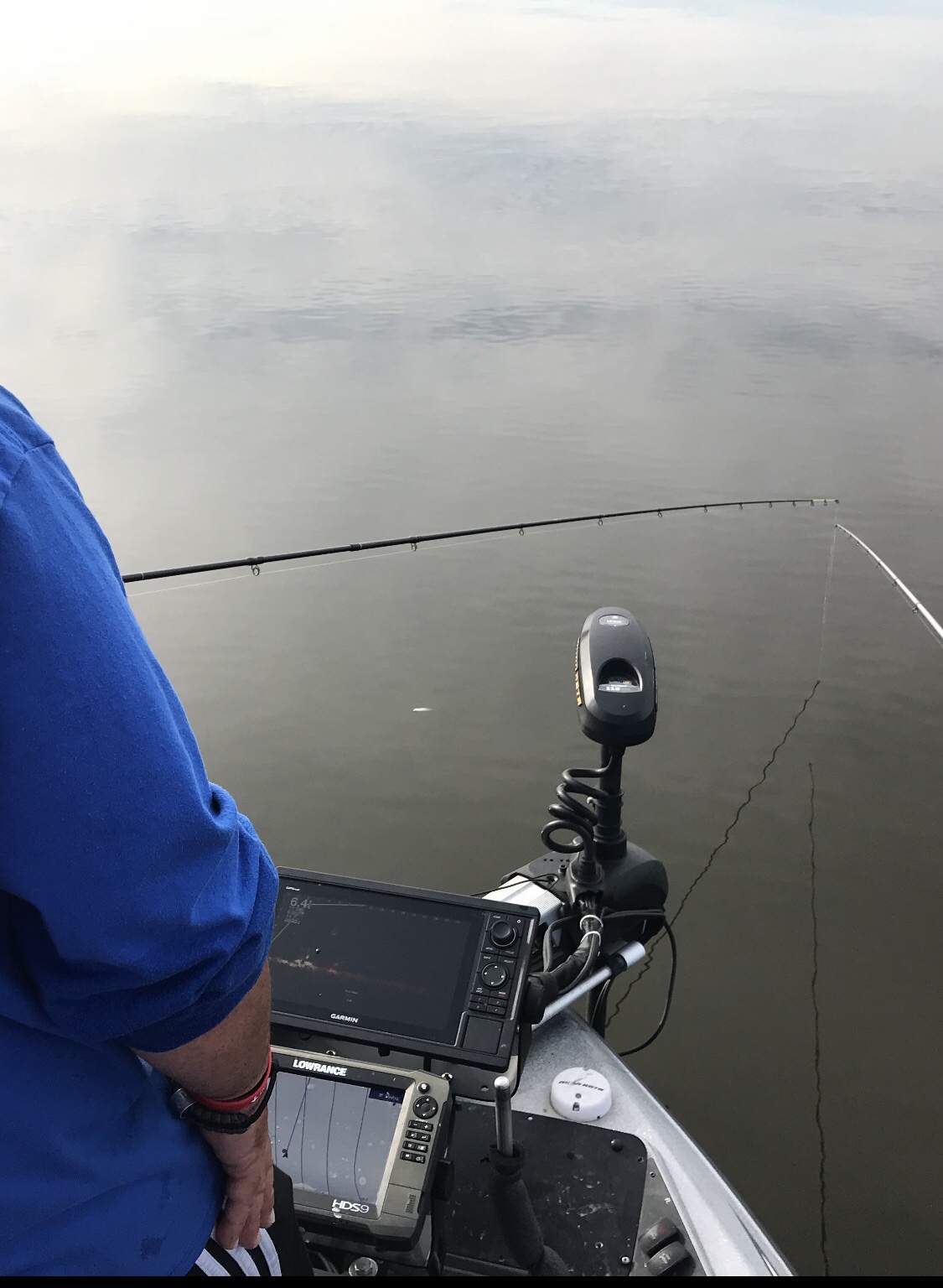 Today, we had the opportunity to use some of the latest computer vision technology for fishing. Thus the title for this post: Angry Fishing. It was truly like a video game, at times, that I would call Angry Fishing (referring to Angry Birds). As always, I was fascinated with the technology and learning how to use it. I was also amazed at how being able to use the technology, in much the same way a video game does, enabled me to improve my fishing skills.
 We were fishing for Crappie today and they require a very patient technique, but you must be quick to set the hook at the right time. With the video technology we could literally watch the fish going for the bait. I’m not going to lie, I missed several today because I got caught up watching fish going for Heath’s hook and him catching them. We were able to, in real-time, just like when playing Angry Birds, know what adjustments to make in our techniques. And the great part about Angry Fishing (real life fishing like we were doing) is you get to do it over and over, just like you can when playing Angry Birds. It was fascinating!
This was a reminder of how we need to always employ ways to give students, or anyone we are teaching for that matter, immediate and usable feedback. Today, I was even able to begin to self diagnose areas for improvement and make those changes immediately. Another reason we need to always be teaching using real-world and relevant contexts. We all, no matter what our age learn best when we are using adaptation. We need to be applying across disciplines, thus why I am right now applying this day of fishing to doing a better job of teaching and professional development. This also gives us the opportunity to apply the learning to real-world predictable and unpredictable situations. I talk about these same things when using Angry Birds as a throughline for discussing high impact teaching strategies.
It is also my hope, and I believe they are, that these technologies can be a catalyst for transformation of fishing and fishery policy. Under a sustainable approach, where we satisfy the needs of the present without compromising the resources of future generations, technological innovations like my son and I used today offer an opportunity to improve the fishery and seafood industries; as well as protect the environment. Electronic monitoring systems and computer vision technologies combined with artificial intelligence machine learning is being used to improve the cod fishery and preventing overfishing of halibut in the Pacific.
I continue to be amazed and hungry to keep learning the technological innovations that can help us all learn more effectively and continue to make the world a better place. The possibilities are as vast as the great bodies of water we love to fish on. Join me in continuing to explore and learn!
Open Your Mind To The Past & All Of This May Mean Something
 Late last night I found myself flipping through the television channels. Actually, using the term channels probably really ages me – are they even called channels anymore? Anyway, I came across an old episode of Star Trek: The Next Generation (TV Series). This was my favorite of the Star Treks because I love the character Captain Jean-Luc Picard (played by Patrick Stewart). My favorite line of his that is in almost every episode is “Make it so.” I practice “Make it so!” leadership and just realized I haven’t really blogged specifically about that. Maybe tomorrow.
As I surfed and found Star Trek, the episode was just beginning. The episode was Season 2, Episode 17 and was titled Samaritan Snare. There were two throughlines established early: Captain Picard needed heart replacement surgery (routine in the 24th Century) so was traveling with Wesley Crusher in a small craft to far away Starbase 515. The Enterprise was on a rescue mission to a Pakled vessel that turned into an attempt to steal computer knowledge.
On their journey to the medical facility and surgery Picard and Crusher had a deep and revealing conversation where Picard shared how his heart had been damaged in a fight with Nausicaans as a young ensign. While at the base Crusher will be taking Starfleet exams. Here is the conversation:
Captain Jean-Luc Picard: There’s no greater challenge than the study of philosophy.
Wesley Crusher: But William James won’t be on my Starfleet Exams.
Captain Jean-Luc Picard: The important things never will be. Anyone can be trained in the mechanics of piloting a starship.
Wesley Crusher: And Starfleet Academy…
Captain Jean-Luc Picard: Takes more. Open your mind to the past – art, history, philosophy. And this all may mean something.
Star Trek has taught generations of us how great humanity could be if we study and learn from our past, learn to deal with our biases, and work together (I bolded that for emphasis) to create a better future. People have always faced difficult times and situations, and Star Trek always reminds us that when smart people come together they can come up with smart answers. It would be interesting to know just how many have been inspired to leadership, science, engineering, medicine, or many other careers because of Star Trek. As Edmund Burke taught us, “People will not looking forward to posterity, who never look backward to their ancestors.” Thus, pretty good advice from Captain Picard to open our minds to the past so that all this does mean something. Pretty good advice indeed in the 21st Century year of 2020!
I hadn’t thought about philosopher William James for a long time. William James, the father of psychology and a leading thinker of the 19th Century, actually laid the groundwork for the study and research that continues on leadership. James asserted that individuals do make a difference in history, and that the study of influential people an important pursuit. Interestingly, as I studied more and more on this I came back across the work of Thomas Carlyle and the “great man” theories I talked about in Leaders Crashing and Flying Higher. It also had me looking at studies on “hero-worship.”
According to James (1880, 1884, 1890/1956) any change that happens can be attributed to an individual or multiple individuals. The potential of a group, organization, business/industry, community, or country will be brought out not by just one individual leader, but by a collective of leaders. Thus why I believe everyone is a leader. I really believe James believed this too. No one leader has the power to determine change. No one has that kind of power. Instead a leader must work within the context she is given. Leadership then brings together individuals with circumstances.
And, I really got to thinking that this theory was modeled by the entire Enterprise crew. It took leadership from all to solve the issue with the Pakled vessel and Picard’s surgery that ended up having complications. The head surgeon said that the complication was out of his realm of knowledge and that Picard was dying. He then said that he knew someone who could solve the issue – she was summoned and did. Nothing happens in a vacuum. This is why the context matters and everyone’s expertise matters and must be brought to the “table.” This is why everyone must be a leader.
Leading Like A Superhero


Ever since we were kids we’ve dreamed of becoming superheroes. During our first fall gathering of 3D Leadership, I used a superhero throughline and had participants research superheroes and pick one that best represented themselves; or they could create an all new one. As always, they were super creative (a superhero power) and as they shared out I asked them a few questions:
- What is your superpower?
- How did you get your powers?
- What’s something that your arch nemesis has?
- Where would you live when your not saving the world?
- If you were on a team of superheroes, what would your role be?
- What would you fight the enemy with?
- In addition to your powers, what weapon would you want?
A couple of these superheroes really jumped out at me: Wonder Lori and Glinda. Wonder Lori was a new and made up superhero and Glinda was based on the good witch in the Wizard of Oz. The superpowers for these two were empathy and serving. Pretty good superpowers for leading like a superhero, right? Really being a superhero is about tapping one’s ability to do extraordinary things; and, being able to help others doing extraordinary things.
I was really struck by the superhero Glinda from the Wizard of Oz. The participant picked Glinda because of her power of always showing up at just the right time. This blew my mind because I had never thought about this in all the times I have watched the Wizard of Oz. But, what a great superpower, right. All of us as leaders would love the superpower of showing up at the right time. Glinda really did show up at just the right time, every time.
Additionally, the participant quoted Glinda at the end of the movie when she said, “You had the power all along, my dear, you just had to learn it for yourself.” This is such a powerful statement. Glinda was a great teacher—and this compliment is not undeserved. The first lesson she teaches is one of delegation. She tells Dorothy the Wizard might be able to help her get home, but that the journey to Oz is a long and treacherous one. Dorothy needs, as always seems to be the case, more information and asks for it (she’s very good at asking questions). Glinda tells Dorothy to follow the Yellow Brick Road and never take the ruby slippers off her feet. Of course, the Munchkins help her get started and find her way on the yellow brick road. Dorothy has more questions, but Glinda is a master delegator: she waves her wand and disappears! Remind you of any great leaders you have worked with?
Even though we don’t see Glinda very much in the movie, she’s clearly behind the scenes keeping watch, removing barriers, and doing things to help without desiring any recognition. We learn this in the scene in which Glinda sends snow to counteract the effects of the sleep-inducing poppies. Glinda never rushes in dramatically on a white horse (even thought there are really cool horses in the movie that change colors) to fix everything herself and, in the process, undermine Dorothy’s self-confidence as a leader. Even when Glinda reappears at the end of the movie, it is only to make sure that Dorothy has learned the lessons of the ruby slippers for herself – “You had the power all along, my dear, you just had to learn it for yourself.”
“Sticky” Learning
 I made the comment last week that relevance makes the learning “sticky.” This really caught on and caused quite a bit of discussion. As an old Agriculture Science teacher I have preached about using relevant and real-world contexts for facilitating learning for years. In fact, I even wrote a book about it: The Hand In The Back of The Room: Connecting School Work To Real Life. This book is all about how we (four agriculture science teachers at one school) went about teaching science in the relevant context of agriculture. The great part of the story is the statistically significant impact leading learning in a relevant context had on student learning. In other words, there was proof that relevance makes learning “sticky.”
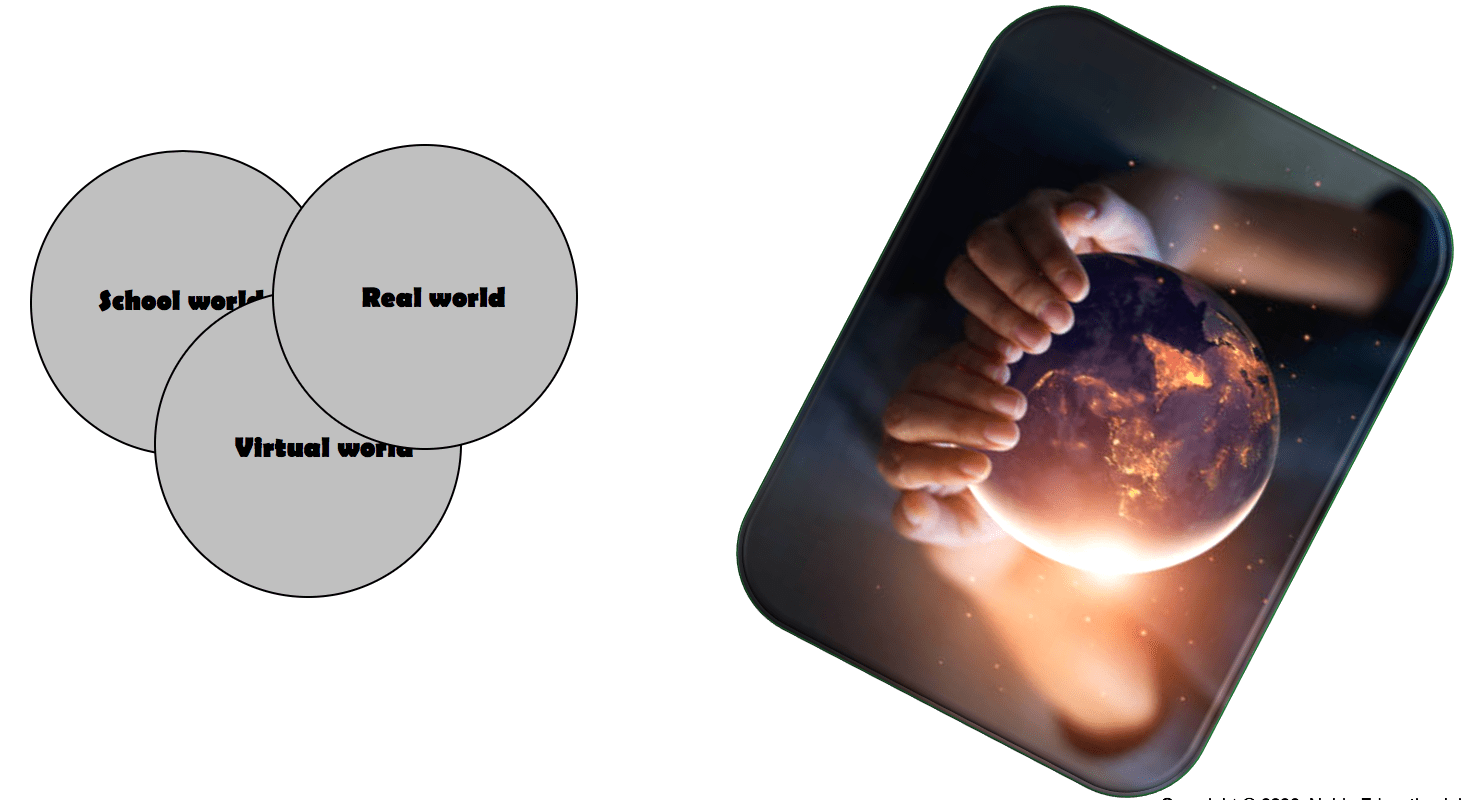
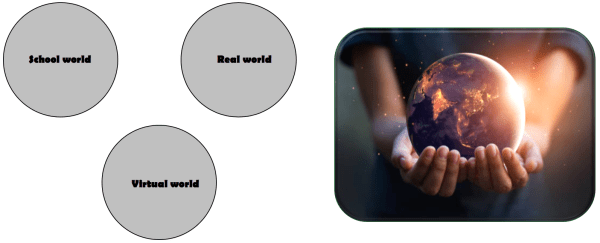
 In the book I state, “It has always been my belief that there are three worlds that a student exists and learns in; school world, real world, and virtual world. While these three worlds can be drawn as three separate circles, I believe that for true learning to take place we must, as educators, help connect the circles for them. This means finding a way to facilitate learning in a way in which the student uses real world contexts where the student plays an active role” (location 320 on Kindle). Right now, during the Global Pandemic (we are in day 165) we have some real opportunities to make use of these world colliding. I wrote about this yesterday in When Worlds Collide. I also argued in the book that, “…facilitating learning in a relevant context enables the work to be student centered and for there to be a connection made between the student’s real world and school world for learning” (location 331 on Kindle). This connection is what makes the learning so “sticky.”
“We have to make sure that all our students have access to these kinds of challenging and hands-on activities. Although much of the focus has been on the new technology that is fueling the maker movement, even more important are the values, dispositions and skills that it fosters, such as creativity, imagination, problem-solving, perseverance, self-efficacy, teamwork and “hard fun.” ~ Secretary of Education, John King Jr.
I proposed at time of writing the book and would still advance six ideas for improving learning (Ernest, 2016):
- Knowing what the end product needs to be before practicing the parts
- Study content and apply it to authentic real world predictable and unpredictable problems/issues
- Applied learning opportunities must be afforded to the students
- Students must participate in active exploration of real world problems
- There must be opportunities for students to make adult connections
- We must make schoolwork more like real work and real life.
If we intentionally use the six ideas, we will make the learning be what former Secretary of Education, John King Jr. called “hard fun.” The nature of using relevant contexts makes the learning more rigorous. I love the term “hard fun” over rigor. If our students are learning to adapt what they have learned by addressing real world situations they will be more motivated and the learning will stick with them.
The bottom line is that education can be inspiring for our students. I believe agriculture education has an important place in creating a real world context for our students to learn in. I also believe that there are many ways for cross-curricular collaboration to be done in all subjects. At the very least, we have an obligation to our students to find ways to give our students hands-on, real life lessons that answer the questions of the hand in the back of the room and make the learning sticky for our students.
When Worlds Collide
 Last week I did a professional development webinar for teachers where we were talking about one of my favorite topics that I am most passionate about – making learning relevant, authentic, and engaging. As we continue to try and disrupt education as we know it and move from a teacher-centric model to a student-centered model, there are two ways to go about this:
- Focus on making learning more customized to each student
- Focus on making learning more relevant, authentic, and engaging.
At times it seems these two foci collide. We also discussed how our students live in three worlds – school world, virtual world, and real world. Right now, as we enter day 164 of the Global Pandemic, I believe these worlds have collided as well. The point is we must truly be preparing our students for the complex, rapidly changing, technology driven, increasingly connected world they will face. I said that I thought there was a song about worlds colliding that is often played at football games. A participant quickly reminded me it was When Worlds Collide by Powerman 5000. Of course I had to listen to the song and check out the lyrics. I loved that one of the lines in the song that is about being strong and not giving up was, “What is it really that motivates you?” That is what we really must find out from each of our students; or, even help them find out for themselves.
 Strategies for deeper learning that increase student engagement and produce the kinds of skills needed for today’s economy and career requirements can be improved by leveraging the practices of personalized learning allowing each student to get the kind of differentiated instruction needed to ensure that they have mastered the content. Additionally, when implementing personalized learning students benefit when we balance their computer aided learning with robust, relevant, and authentic projects. And, guess what? When taught with these strategies, in this environment, students will be more engaged.
As our students’ worlds collide we have to remember that in the world outside of school, learning happens in real time as students begin to realize they need to know something. We must remember, however, that in the real world being knowledgeable is only part of what makes a student successful. Making sense of the knowledge, communicating effectively with others about that knowledge, grappling with diverse perspectives, applying that knowledge, and validating their ideas are just as important. Our students must be able to adapt what they have learned to both predictable and unpredictable real world situations.
Don’t Be Lazy!🧰Use The Right Tools!
 I had the chance to do some work in the barn today. That brings the same joy to me that going to the beach might bring to many of you. My son and I have been doing some cleaning and reorganizing as part of a larger campaign we were calling our “Farm COVID-19 Cleansing.” Now that he is back at college, I am on my own. Today as I was working, I realized that I would get along much better if I would use a different pitchfork. I had the other style in another barn, not 50 yards away. Finally, I told myself, “Don’t be lazy; go over and get the right tool.” I did and finished up the task much quicker and effectively.
Then I began to ponder about all the things going on in education, business, industry, and all our lives due to the COVID-19 Global Pandemic (we are in Day 161, now). We must not get lazy. We need to deploy the right tools to get the right things done effectively. Go the extra yard (in my case it was 50), so to speak, to do things right. This post is not about what those specific tools are, but about, for instance, in education that our students deserve to have the right tools to fit whatever education modality he or she is in – online, blended, or in person.
161 days ago we all said, “Let’s just do the best we can.” That was appropriate 161 days ago. Not now, though. Now, we need to be doing all the right things and using the right tools no matter what industry we are in. Good enough isn’t good enough.
Where Is The “Twin”?
 Today I had the opportunity to moderate a great global webinar entitled “Creation of a Digital Twin.” The webinar was put on by GIA SMART Factory League. I am always honored to have the opportunity to work with this organization and it was incredible to be in the [virtual] room with industry representatives from over 36 different countries. And…now that we have learned we can hold these events effectively virtually and learn together apart, we can get together more often and not have the huge travel expense. Talk about holding the whole world in your hands!
 I value the opportunity to spend time learning from those in business/industry and manufacturing. It saddens me that many leaders in education talk a big game about wanting to hear from business stakeholders, but most of what happens is lip service. We need more walking the talk. Those in education must stop thinking we know more than those that hire the students we educate. It must be a partnership. There must be a true dialogue of listening to understand.
 That’s why I love events like the one today where we can learn together and learn each other’s industry specific languages. Today we were learning about the “digital twin.” The creation of a digital twin enables us to simulate and assess decisions:
- Before actual assets are built and deployed
- Before maintenance
- Before a design change
- Before complex tasks
 A number of industries are creating digital twins, digital replicas of products, and many other things including body parts. Today we saw a digital twin of the heart done by Philips Innovation Services. The heart digital twin performs patient specific adaptation. It was amazing. Imagine the testing of procedures and products for heart repair. Also, think of the possibilities for training and education. Endless!
 The digital twin mirrors what it is twinning in bits keeping the bit replica synchronized with the real one. I learned today that just certain parts of an asset can be selected to twin. Thus making it easier to focus in on specific functions or parts. It was pointed out that this could be of incredible use in education and training. In this sense digital twins are a new tool for education: rather than studying on the real thing you can study on its digital representation. Even though in a polling question I asked during my introductory statement today, there were only 7% of participants using digital twin technology for training/development and education, and 27% just starting too, technologies like virtual reality provide new tools for education.
Imagine if we had a digital twin of ourselves. We would still have all the flaws, but some some smart technician might find ways to help us improve. Far fetched? I think not!
 Byron's Babbles
1 comment