The Books That Opened My Eyes In The Fourth Quarter of 2020
Well here they are; the collection of blog posts inspired by great authors and great books in the last quarter of 2020. There has been so much great learning from books this year. So many times it might be just a sentence or paragraph that makes me pause and reflect, make me want to study something a little (or a lot deeper), or make me want to read another book. That’s why I always seem to have three to four books started at the same time. I know, that would drive many of you crazy, but it is how my mind works. Everything we read fills our mind with new information. We never know when those new bits of information might come in handy. The more knowledge we have, the better-equipped we are to tackle challenge we may face. You might want to consider allowing yourself some time to read each day. Because of all the distractions available to us now we don’t spend much time on any one thing. When you read a book, if you’re like me, all of your attention is focused on the story, I get lost in the content and the rest of the world just falls away, and you can immerse yourself in every fine detail you’re absorbing.
I’m sure I am going to need to update this post as it is just the 28th and I know of two or three posts I am formulated that are inspired by great books I am reading right now, but I wanted to go ahead and get this out there and will update before the end of the year. I’ve already posted about the posts inspired by books from the first three quarters of the year in these three posts:
The First Quarter Of An Incredible Year Of Reading
Second Quarter 2020 Book Inspired Posts
2020 Third Quarter Book Inspired Posts
Here are the posts inspired by great books for the fourth quarter of 2020:
October, 2020

Take Off The Mask & Cut Out Those Frustrations
Safety Nets Instead of Safety Barriers
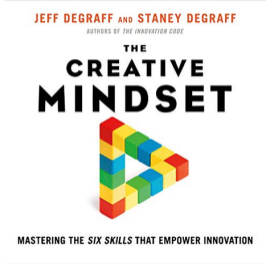
Approaching The World With A Sense Of Childlike Wonder
November, 2020
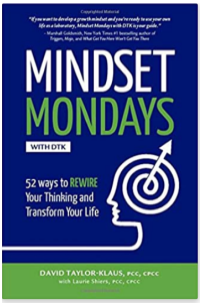

Do Ideas Cause Change Or Does Change Cause Ideas?
December, 2020
Do You Feel Like I Do On Christmas 2020?
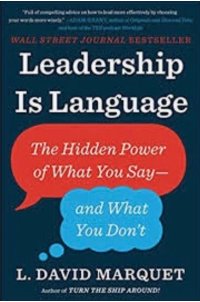
The Language To Open Our World
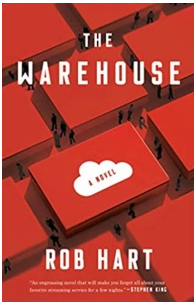
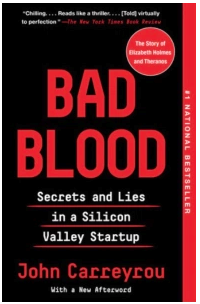
Adding Fiction To The Reading Diet
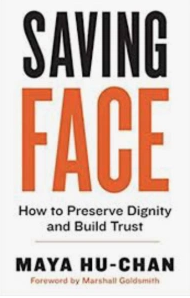
Waves Of Change
“Sometimes in the waves of change, we find our true direction”
Unknown

As I read this quote I thought about how very relevant this is to us all in 2020. Changes from the global pandemic continue to hit us hard. Sometimes things are unexpected and we have to adjust on the fly to changing circumstances. As we ride the waves, the unrecognizable becomes clear, and finding new direction becomesJust as the tide changes, other things in our life can change too, and this can push us towards the path that we were destined to follow.
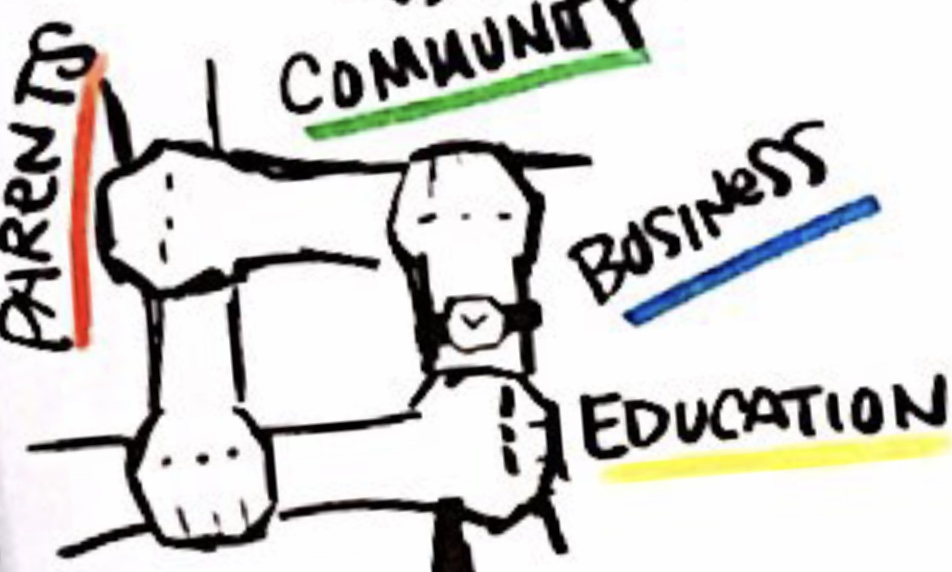
Change is something we cannot keep from experiencing, but the way we get over the hurdles is where the difference stands. We all have extra obstacles put in the way right now during the global pandemic. The question becomes what are you learning, what are you doing with that learning, and how are you sharing the learning? We must be a community. How are you breaking through and finding the right path?
The World At Our Fingertips
Pierre Bourdieu posited that as human beings, we don’t just passively experience the social world around us. Instead, we actively construct that world ourselves through our actions and the ideas that guide them (Bourdieu, 1987). It is interesting to think about his views in today’s context where we literally have the world at our fingertips. In many ways our, now 261 day, journey of the global pandemic has allowed us to learn ways and become more proficient at connecting globally and becoming more geo-neutral.
Bourdieu believed society to be complex, multifaceted, and dynamic. In other words people are in a constant state of flux within the social classes. He argued there are four main classes: the working class, middle class, upper class, and cultural elite. I can’t help but wonder what effect the global pandemic will have on social structure. New ways of working, job loss, new business, education system in flux, and needed changes to the health care industry are all going to have an affect on society and our social structure.
People’s social trajectories under normal circumstances change, but now are really changing due to the pandemic. The social and economic forces are playing a big role right now in how we act. Bourdieu called this ‘habitus’ or socialized norms or tendencies that guide behavior and thinking. Habitus is neither a result of free will, nor determined by structures, but created by a kind of interplay between the two over time: dispositions that are both shaped by past events and structures, and that shape current practices and structures and also, importantly, that condition our very perceptions of these (Bourdieu, 1984, p. 170). Understanding the social structure helps us to consider the social setting and the differential access to various forms of capital that create and reinforce inequality.
Right now as the world continues to shrink we have much more pressing issues to worry about than who has the newest or latest model of the latest vanity vehicle. As Bourdieu taught us, we have some power in how we position ourselves in the social structure. Today we have the advantage of every country and every continent being connected constantly. This allows for collaboration among nations and countries around the world. We need to continue to work on being a community. It’s right at our fingertips.
Bourdieu, P. (1984). Distinction: A Social Critique of the Judgement of Taste. London, Routledge.
Bourdieu, P. (1987). Distinction: A Social Critique of the Judgement of Taste. Cambridge, MA, Harvard University Press.
Building A Community

As I reflected on the post I wrote yesterday, Imagining The Unimaginable, my mind went to just how powerful a community can be. In the case of an FFA Chapter, the students coming together to figure out how to hold events virtually during the pandemic; or in the case of agriculture teachers, coming together to discuss ideas for engaging students. It could also be a school community coming together to decide how to best educate children during a pandemic. It has been interesting to me to witness just how powerful a close knit community can be.
As I watch the classrooms that have continued to thrive during the fluid changes of going back and forth from virtual to in person to blended and then back to virtual, it has been the classrooms where the teacher had a clear community developed with her students. I have also witnessed a strong community of virtual students in a school come together to help each other learn how to become effective virtual teachers. Positive experiences with communities allow individuals to feel more connected to their environment and the people in it. Further, the connection that comes with being in a community can act as a support system for members when they require encouragement or help.
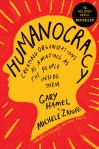
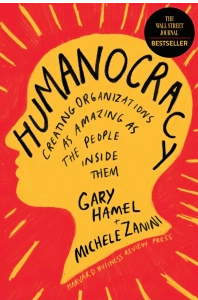
I have been fascinated with the power a community can bring for a long time. Check out what I wrote about community in Community: Aggregating for Innovation. Humans are made to live and work with others in a community where we can thrive. We are social beings that have evolved to exist within communities. In the great book Humanocracy, authors Gary Hamel and Michele Zanini told us that success depends on local improvisation. Try and tell me we are not seeing that during the pandemic. Hamel and Zanini said, “When interdependencies are varied, multidisciplinary, and difficult to specify in advance, you need a community” (p. 210). Is that a description of education, or what? A community gives us the opportunity for mining the wisdom of several people and helping each other out along the way.
“To solve unprecedented problems, individuals have to surmount unforeseen obstacles and extend the frontiers of human knowledge. That’s best accomplished by a community—a band of physically proximate compatriots who trust one another, are unmindful of rank and unencumbered by petty rules, and are mutually accountable and knit together by a common goal.”
Hamel & Zanini, 2020, Humanocracy, p. 210.
Organizations which emphasize community create a sense of belonging and foster transparency while reducing feelings of isolation. Having a strong community is so important right now as people and students alike are working and studying remotely. Hamel and Zanini also taught us that “At crunch times, silos and titles disappear” (p. 223). So, if we already have a strong community, void of bureaucracy, we are that much more prepared for a crisis. Overall, educational entities and workplaces who have a strong community have one major thing in common: they’re people centered. If the events of the last 255 days have shown us anything, it’s that the ever-changing work world and culture at large are ready for a more human-centered approach to the way we live, work, and relate to one another.
Imagining The Unimaginable

Last night I had the pleasure of recording a professional growth video focused on student engagement with five National FFA Teacher Ambassadors from Missouri, Nevada, Tennessee, and West Virginia. The goal of our recording was to provide teachers from around the country with ideas on how to keep students engaged right now whether it be in the classroom or in FFA activities. The recording turned out awesome and I really got to thinking about how the teachers were excited about the fixes their FFA chapters had developed for keeping students/members engaged during the global pandemic. We are on day 254, by the way. And, I loved the fact that several times it was the students who came up with the solution or idea for engagement. Make no mistake, though, they are still looking for ideas for upping their engagement game.
We also discussed things that we want to continue post-pandemic, like having members who can’t attend an event in person, for whatever reason, be able to join virtually. We weren’t thinking in that mindset 254 days ago. Things like pandemics, wars, and other social crises often create new attitudes, needs, and behaviors, which need nurturing. I believe in the power of imagination and creativity. Right now there are very few things that are absolute and for sure. We live in a very complex and ever changing environment right now – the future never releases hard data.
What we were really saying in the video was that we must keep imagining every possible scenario. In other words, letting our imaginations go wild. We must be imagining the unimaginable. Think about it; what is happening right now during the pandemic to our society has no precedent, or data behind it. No matter what industry we are in right now we need to continue to be creative and use our imaginations to open the path forward.
There is a silver lining, however. As I pointed out, these five teachers gave us numerous ideas and opportunities the pandemic have made imaginable. All kinds of new ways of staying engaged and connected have been implemented that will continue after this pandemic has passed. Because we will probably never return to our familiar pre-pandemic realities, we need to keep imagining an even better future.
Beyond COVID-19
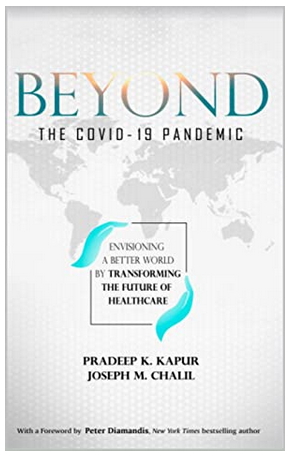
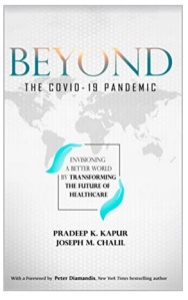
Beyond the COVID-19 Pandemic: Envisioning a Better World by Transforming the Future of Healthcare by Amb. Pradeep K. Kapur
My rating: 5 of 5 stars
This book could not have come at a better time. I finished reading it on Day 250 of the COVID-19 Global Pandemic. No part of our lives has been untouched by the pandemic. As an education policymaker I am always amazed at the parallels between the medical/healthcare field and education. Figuring out how to move forward as the pandemic rages on and in, hopefully soon, a post-pandemic world will be critical. While this book serves as a guide for us to improve healthcare and create a new paradigm, educational leaders need to read this book because so many of the ideas and recommendations are applicable. It reminds us how important it is to take time and learn from what we have experienced and contemplate, very thoughtfully, the path forward.
View all my reviews
Leapfrogging To New Paradigms In Education
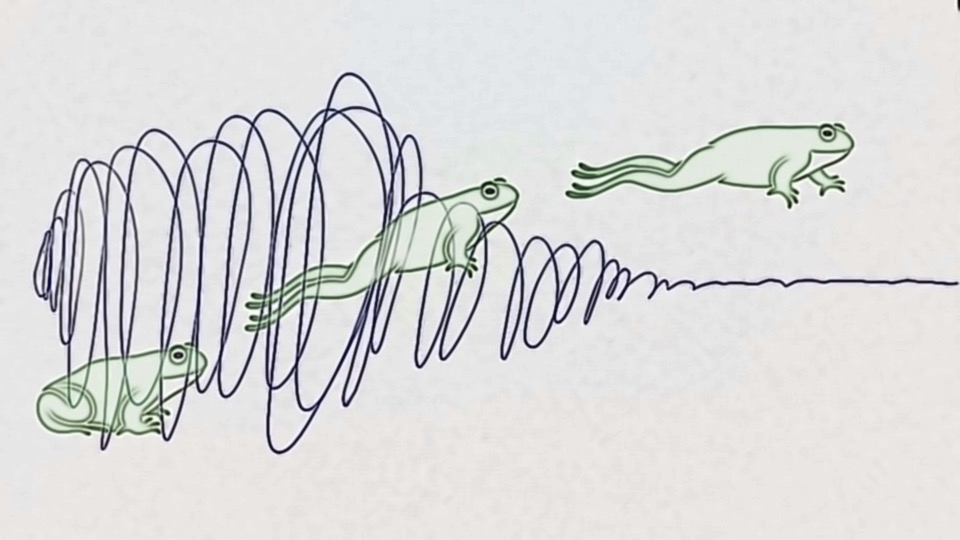
I am going guess most of us played the game of ‘leapfrog’ at some point in our childhood. You know, the game where a number of children bend down and another child jumps over them one at a time, moving the line forward. If you are still playing this game – no judgement here. I refuse to grow up, too. This is, however, a great metaphor for where we are right now as a country. You all know how I love a good metaphor and Susan Patrick, President and CEO of Aurora Institute, knocked it out of the park (note the baseball metaphor) during her opening remarks and call to action at Aurora’s 2020 National Policy Forum saying, “We are at a ‘leapfrog’ moment in education.” This is so true!
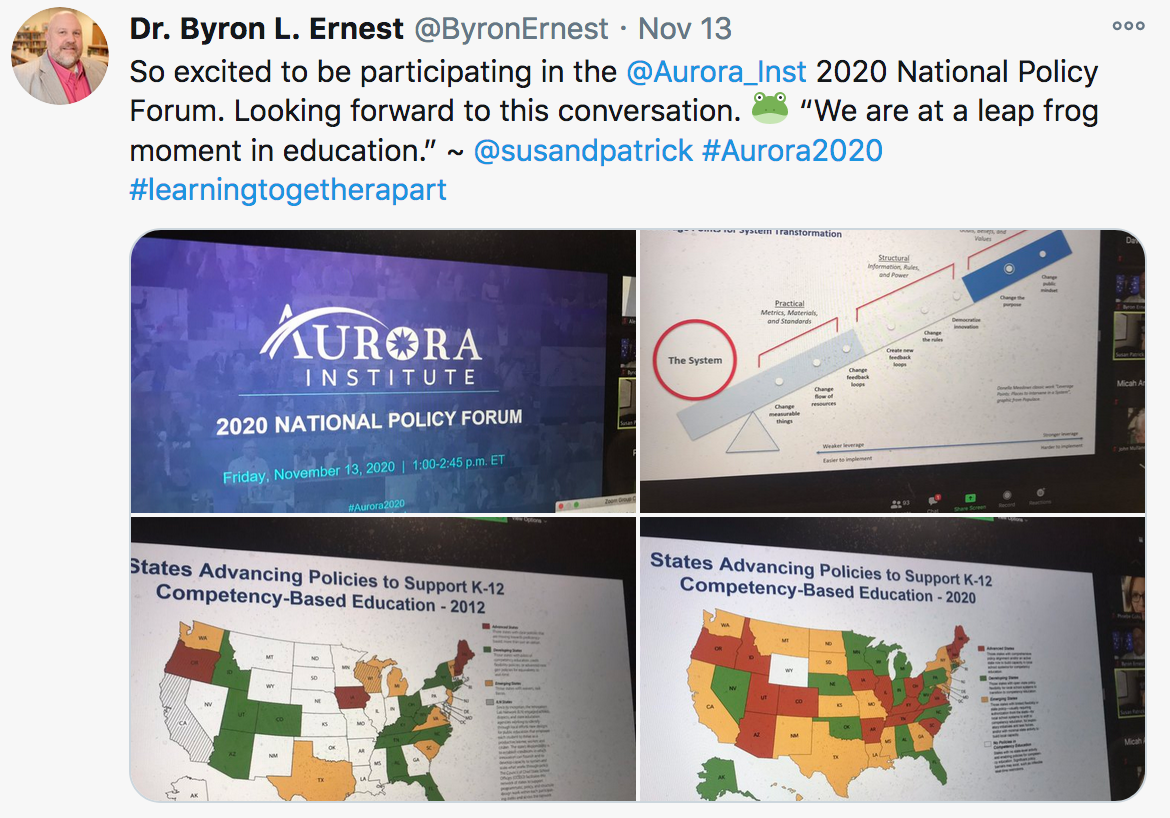
Besides the definition of ‘leapfrog’ as a child’s game I did not really like the other definitions because phrases like “moving past others quickly” or “missing stages” were used. I did kind of like Cambridge Dictionary’s definition of “to improve your position by moving quickly past or over something that blocks your way.” To Susan’s point, we have an obligation in education right now to do this for ALL students.
I had the opportunity to speak on a global platform to over 40 countries back in the spring and I presented the following list of what I believe to be our Global Education Policy Considerations:
- Connectivity and Technology Access
- Remote Learning – I followed the first bullet with this because remote learning is so much bigger than just devices and broadband access. We also need to be thinking about the support students need in coaching, mentoring, tutoring, social emotional learning, nutrition, and basic care/safety needs
- Personalized/Self Directed Learning/Mastery-Based Learning
- Equity In Learning
- Educating Students with Physical and Learning Disabilities
- Mental Health Counseling / Physical Health Support
- Flexibility
- Support for Teachers
A pretty daunting list, I know, but we must get our focus just right on these issues and now is the time to ‘leapfrog’ to that focus. And, maybe, just maybe, the bullet point of ‘flexibility’ is one way to get us there. If we put on our equity lens and take all the points into consideration can we create space, remove obstacles (I like thinking obstacles better than barriers because obstacles can be ‘leapfrogged’ and removed; barriers not so much) so we can address all these issues. The COVID-19 Global Pandemic has also highlighted how in need of attention areas of our education system truly are, with concerns of equity and quality leading the lists.
I would like to submit the following question for us all to consider as we contemplate the future of education for ALL: Can we have new paradigms for education? I certainly believe we can.
We truly are at a ‘leapfrog’ moment in education. I believe the Aurora Institute has the Strategic Pillars in place to be a catalyst for bringing about this ‘leapfrog moment’ and bringing about new paradigms in education. Here they are:
Policy & Advocacy
Removing barriers and creating space for education innovations by advancing enabling policies and providing technical assistance, expertise, briefings, and support to policymakers at all levels.
Field-Building & Knowledge Creation
Building the field across networks, creating new knowledge, analyzing field data and sharing the latest research to produce and communicate insights to move the field forward.
Convening & Connecting
Providing unparalleled networking and learning to professionals designing new learning models, our events connect the field’s leading experts and practitioners with the trends, promising practices, and research to shape the future of education.
I so appreciate Susan Patrick inspiring us to leapfrog forward. As Abraham Lincoln taught us, “You cannot escape the responsibility of tomorrow by evading it today.” Let’s not forget that excellence is our best equity proposition. By leading collectively we can create an educational ecosystem that is best for all students.
Out of Kilter
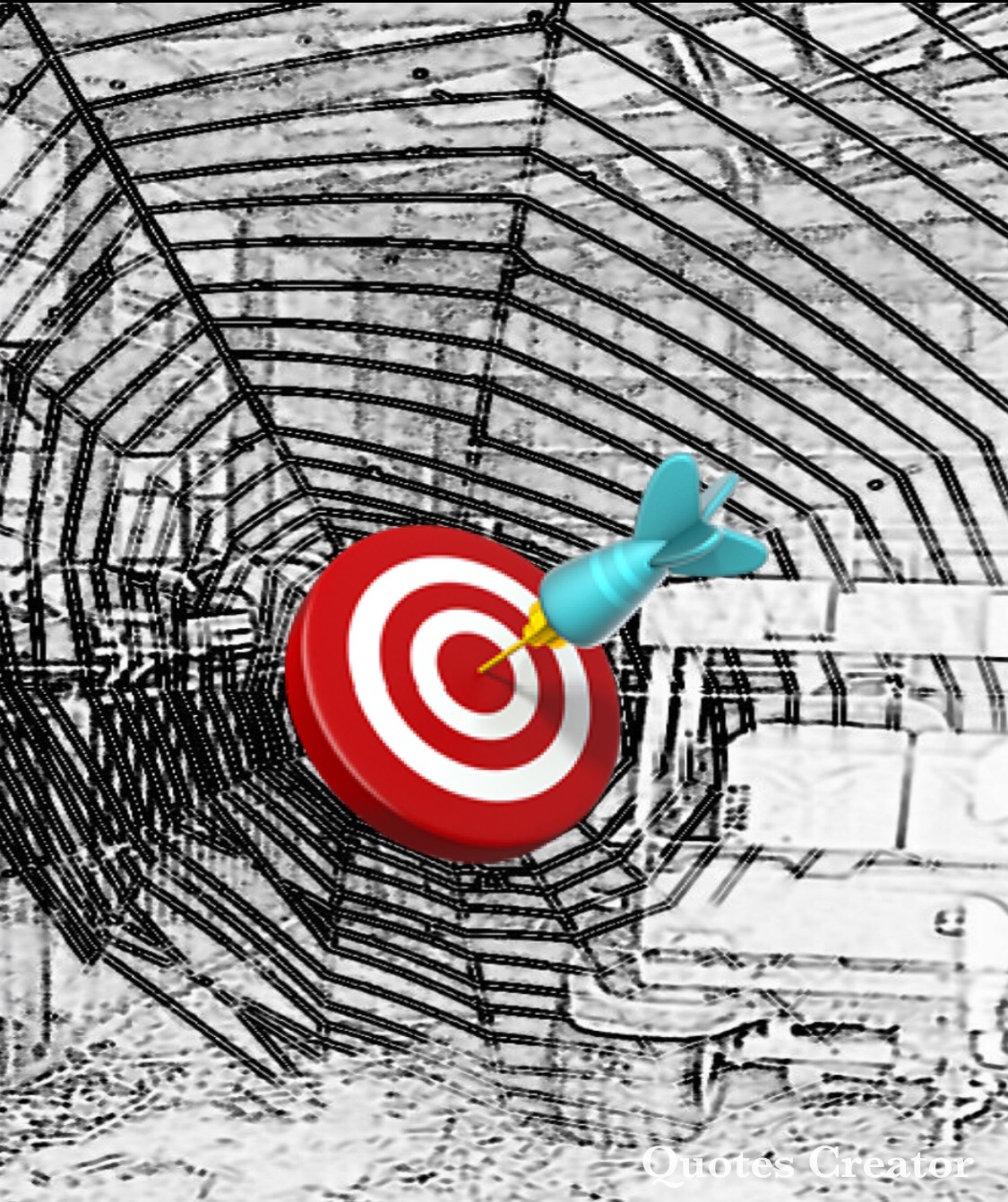
We had a gathering of our Carolina’s 3D Leadership Program today and, as is always the case, I was inspired and learned a lot from the group. Last week I blogged about the activity where I showed the group the picture of a spider web that I had taken in the barn that morning to the group to prompt a discussion. You can read about Leaders Weaving The Web here. Today I switched up the prompt just a little. Here it is: On Day 247 of the Global Pandemic, relate the journey you are on to the picture. The picture was the photo featured in this post minus the target and dart. After having some time to discuss in small breakout groups, they came back with some very insightful points for discussion. This post includes all of their points except one: the picture looks as though we are looking through a filter. I will address that point in a separate post.
Looks Like a Target
It was commented that the web looks like a target. I loved a comment that was made that even though the world has been thrown “out of kilter” (this, from one of our participants, is so much better than saying unprecedented times), we still have much to accomplish for our students. We must still be meeting our educational targets for our students and developing them as a whole person. In other words we need to be very careful about what things we have paused that turn into permanent pauses. Some pauses need to be made permanent, but we really need to match what decisions we make to the targets that need to be achieved for our students.
Looks Like Broken Glass
One group of participants said the web looked like broken glass. This was a reminder that we must keep going. This reminded us that there has been a great deal of positive innovation brought by the pandemic. Also, we discussed that the pandemic cannot be used as an excuse to lower expectations. Our kids deserve effective instruction and like was said earlier we must continue to lead them to their learning targets.
Looks Fragile
The group pointed out that everyone is very fragile right now, but there is strength in the web. We need to make sure we are serving like the silk of the spider web connecting all the small, important pieces together for our students, families, and those we serve. We need to continue connecting ideas, which in-turn creates the beautiful masterpiece. Even though the web looks fragile, we need to remember that much of the strength of the spider web comes from its elasticity.
It turns out that a key property of the silk in the spider web that helps make it so robust is something previously considered a weakness: the way it can stretch and soften at first when pulled, and then stiffen again as the force of the pulling increases. Now that is a great metaphor for during this time of being out of kilter. We are being pulled and we need to soften and allow for being stretched, which will then allow us to stiffen and become strong for those we serve. Markus Buehler, an associate professor of civil and environmental engineering (CEE) at MIT, has done extensive research on spider webs says this about the web: “It’s a very flaw-tolerant system.” We need to also assume this “flaw-tolerant” position when dealing with students or those be serve.
Hopefully this being out of kilter is preparing us for a new phase of greatness in education, business, and our lives. With each day of the pandemic my hope is that we are assuming an attitude of preparation. I know I am very different today that I was 247 days ago. I’d like to think that most of those differences land in the positive column. Let’s keep moving forward – onward and upward!
The Education Catapult
Last evening I had the opportunity to do some of what I call #LearningTogetherApart. Yesterday was Day 245 of the Global Pandemic and the webinar was entitled “Post-Election 2020: Charting a Path Forward in Education.” The webinar was put on by The Hunt Institute and the National Association of State Boards of Education (NASBE), which I am chair of the board for, was one of the partner organizations involved in making this conversation possible. Other partners were The School Superintendents Association, National Association of Elementary School Principals, National Association of Secondary School Principals, and National School Boards Association. And, what a great conversation it was. The panel included The Honorable Margaret Spellings, Former U.S. Secretary of Education (2005-2009), President & CEO Texas 2036; The Honorable Arne Duncan, Former U.S. Secretary of Education (2009-2015), Managing Partner, The Emerson Collection; Chancellor Richard A. Carranza, New York City Department of Education (2018-Present); and Superintendent Alberto Carvalho, Miami-Dade County Public Schools (2008-Present). As you can see this was quite the lineup of experience and expertise in the room.
Another highlight yesterday was receiving the new book Beyond The COVID – 19 Pandemic from authors Pradeep K. Kapur and Joseph M. Chalil. I am so glad that I started reading it in the space between the end of the work day and the webinar. In the preface of the book there are six questions posed for the global community to contemplate (p. xxi-xxii):
- What sort of changes are required at the policy level to cope with such pandemics in the future?
- How do we better equip global organizations to evolve for dealing with the challenges ahead?
- Do we need to think of setting up new organizations to replace the WHO and the UN?
- Can we have new paradigms for healthcare?
- How do we create reserves and stockpiles of essential healthcare supplies? Where will the money come from when the budgets are already under great stress?
- How do we get the global economy back on its feet?
As you can see, these are pretty good guiding questions and even though these are not education specific questions they could be great guiding questions for any conversation. Really, the answers to these questions need to involve education in every answer. The authors point out that the pandemic is the biggest disruption to our county in 100 years. In having studied the 1918-1920 pandemic, I am amazed that we are experiencing and struggling with many of the same issues we had then. I can’t wait to immerse myself into the book as these authors dream big and have offered solutions that are possible if we just reach political consensus and carry through to implementation (a core value of how I try to serve as a policymaker on the Indiana State Board of Education).
The panelists last night were also using their experience to dream big. I want to touch on a few thoughts they had by referring back to tweets I made during the conversation. Allow me to pick a highlight or two (or three) from each of the participants using tweets. You can check out all the tweets at @byronernest or by going to #ElectionEd2020. Here we go!
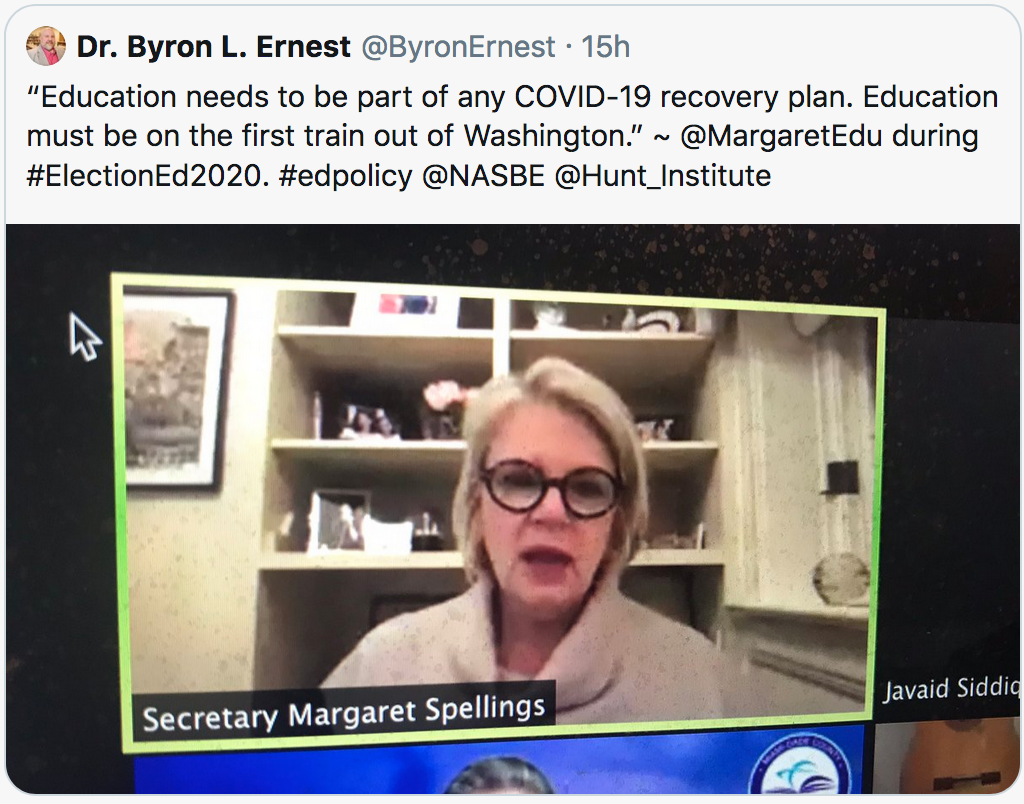
Secretary Margaret Spellings reminded us that education must be a major component of any pandemic recovery plan. As she said, “Education must be on the first train out of Washington.” And, she also reminded us that in order for there to be economic recovery, education must be involved. As a person who believes so much in the involvement of business/industry in education it gave me hope when she suggested that “Alignments between our schools and workforce are going to be critical right now.” This also includes continued alignments with higher education for all of dual credit, dual enrollment, Advanced Placement, internships, and work-based learning opportunities. We cannot let the pandemic take these away from our students. These opportunities provide for some of the greatest outcomes being afforded our students. I loved that Abigail Potts, NASBE’s Director of College, Career, and Civic Readiness, retweeted my tweet on this with comments that added the importance of our high school pathways, broadband access, and state and local investment. And, Abby pointed out in that tweet that education is not partisan but a place to come together to support our students. Thanks for the tweetversation (yes, I just made up a word), Abby!
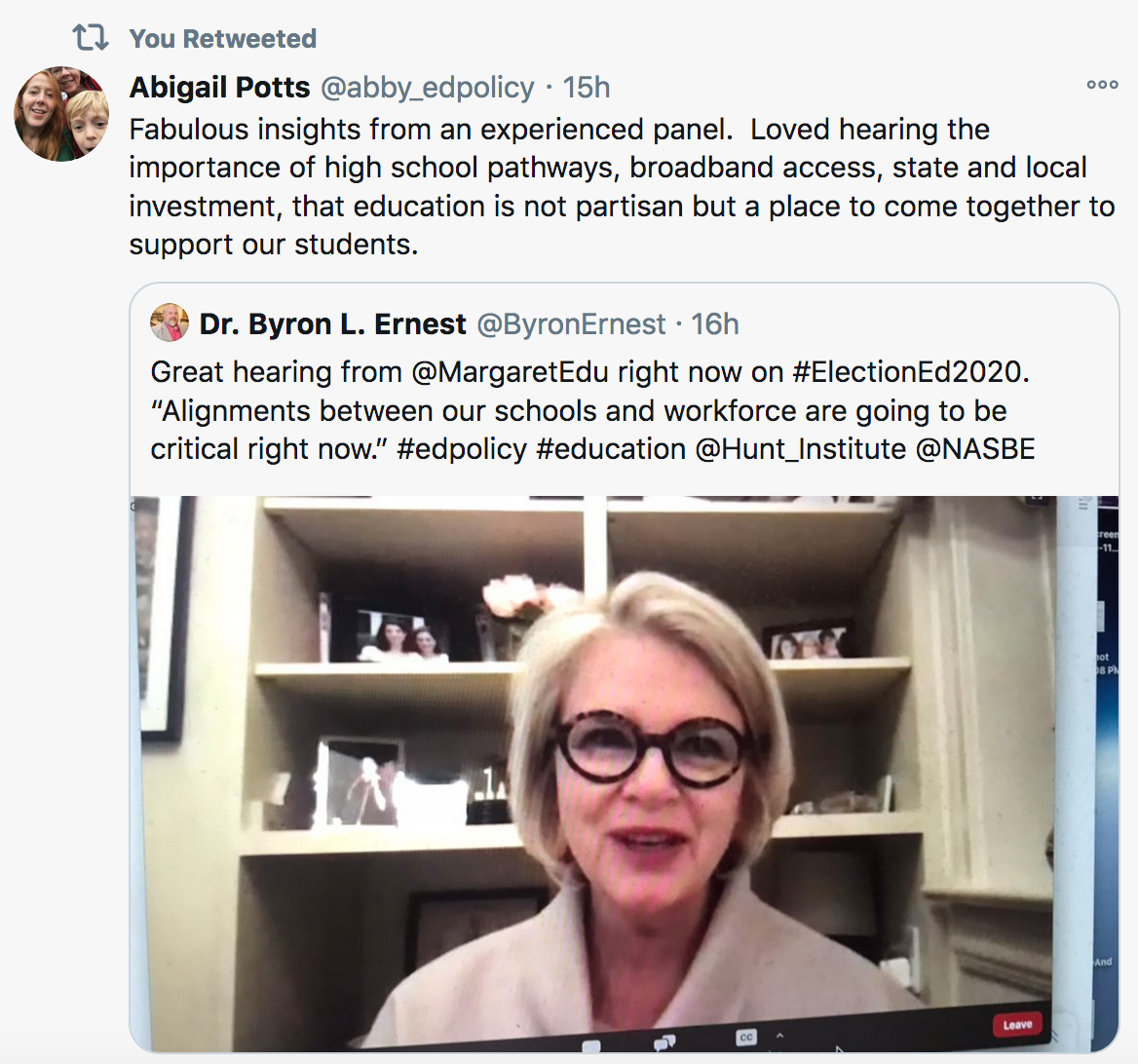
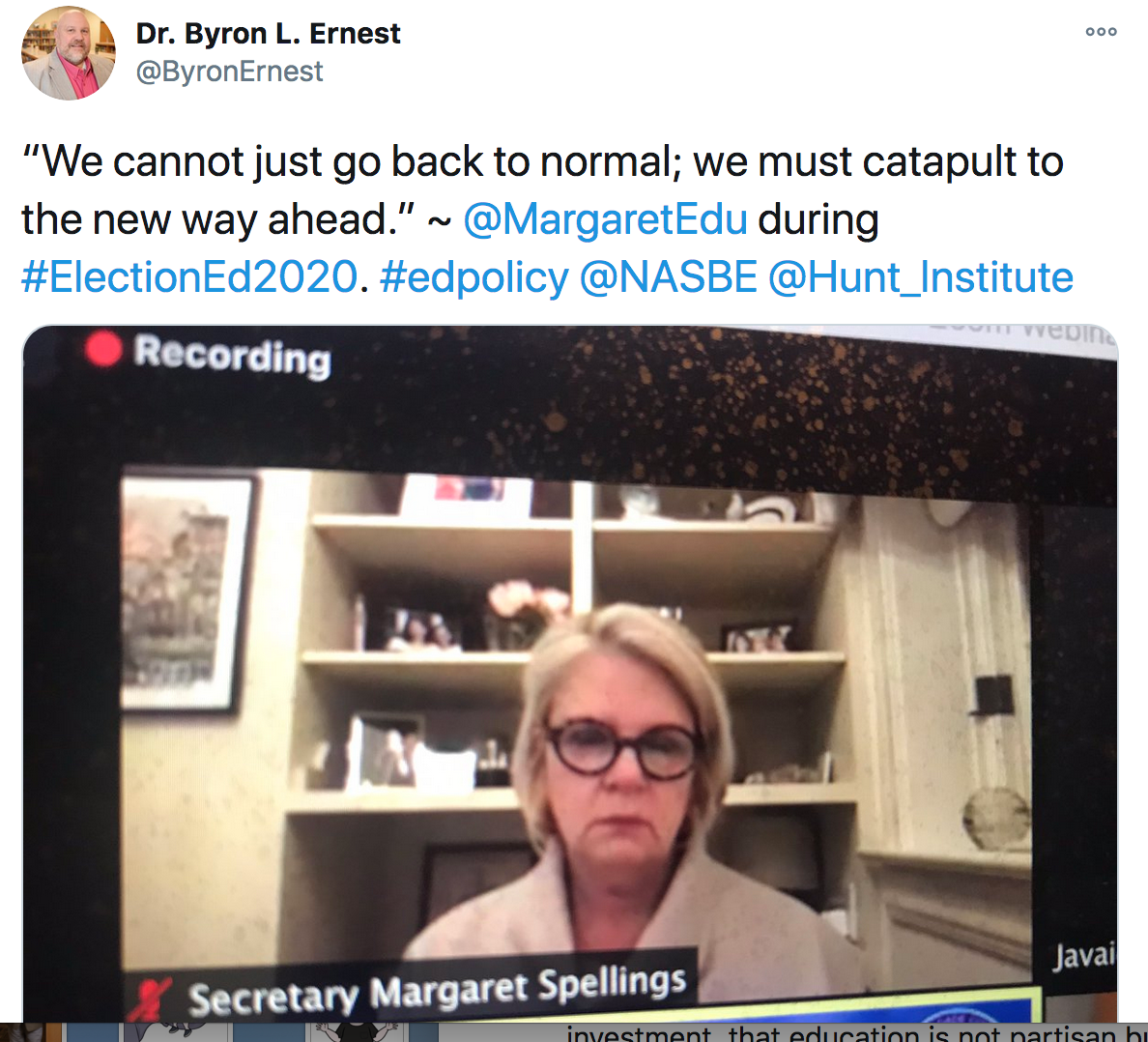
Additionally, I have to add in one more insight from Secretary Spellings. She reminded us that “We cannot just go back to normal; we must catapult to the new way ahead.” I love the way she put that. I have continued to say over and over we have to take what we have learned and apply it and never look back. “Catapult” was the best term that could have been used for this. Go back to the questions posed in Beyond The COVID – 19 Pandemic and put them into the context of education and that is exactly where Secretary Spellings is suggesting we need to go.
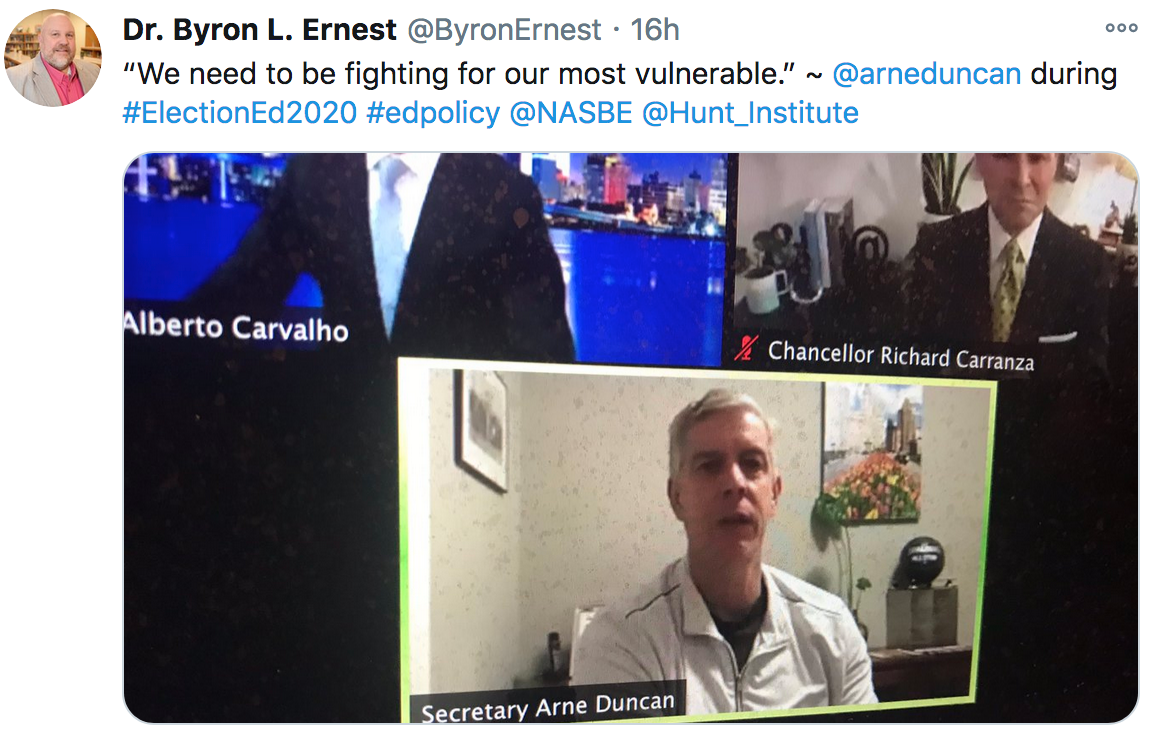
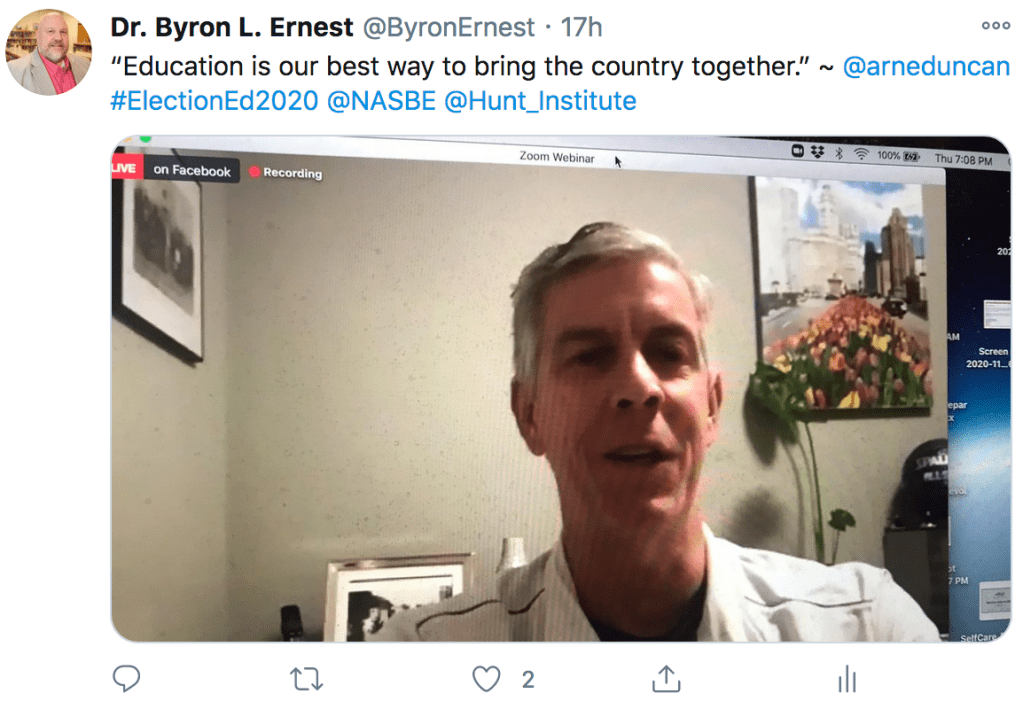
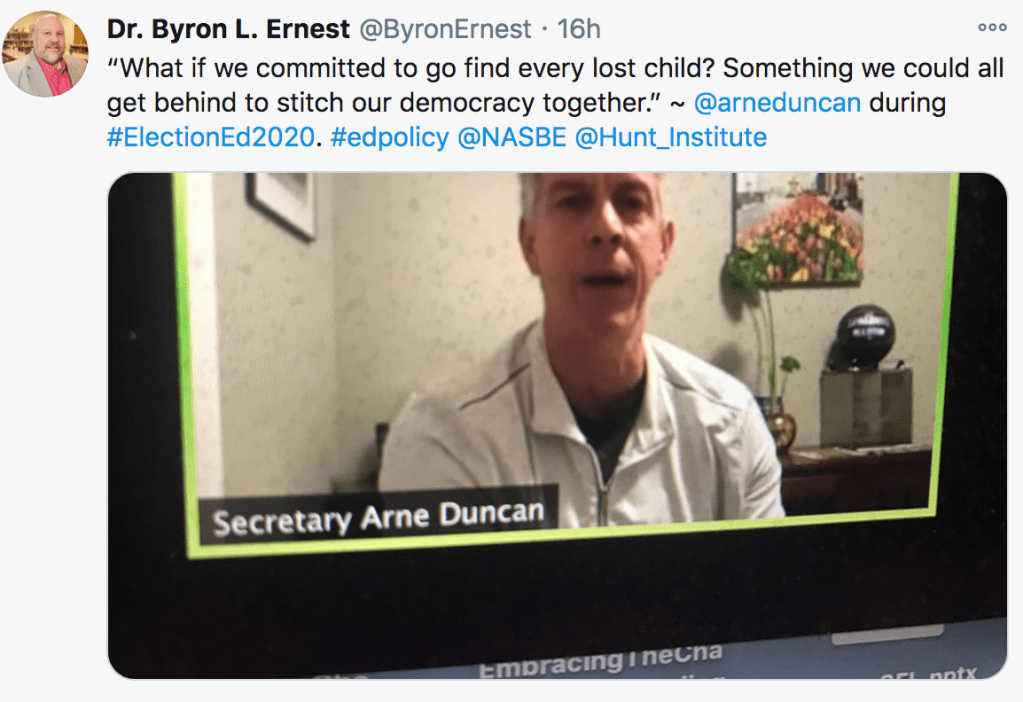
I got to know Secretary Arne Duncan during my service as 2010 Indiana Teacher of the Year. He is so passionate about doing what is right for ALL children. In fact he made this clear when he said, “We need to be fighting for our most vulnerable.” I’ve also been impressed with the non-partisan way in which he views education. He also reminded us that “Education is our best way to bring the country together.” He firmly gave us a call to action for stitching our democracy back together. He posed the question, “What if we committed to go find every lost child?” Wouldn’t it be great if we could reach some consensus on a vital few things we could all work on and begin our evolution dealing with educational challenges? Secretary Duncan finally reminded us that, “We need need a healthy debate/conversation, putting aside political ideologies, based on data. We need the courage to do some things differently.” Well said!
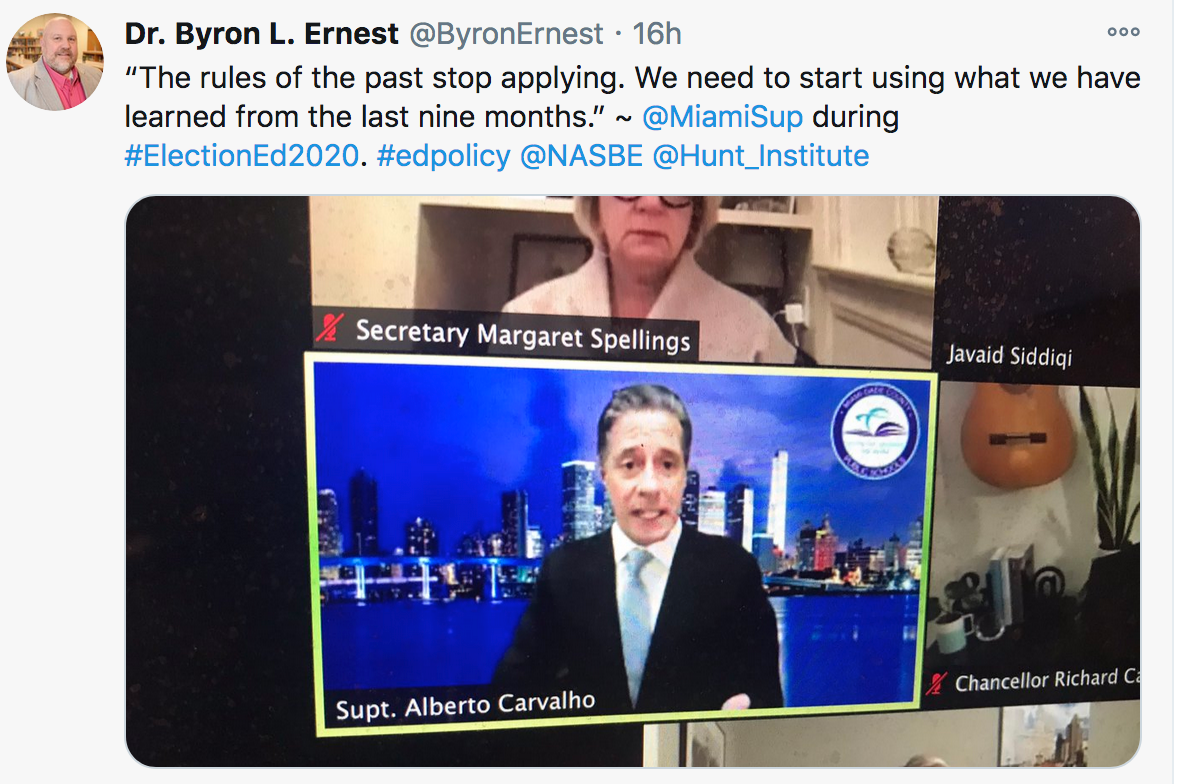
Superindent Carvalho and Chancellor Carranza brought great perspective to the conversation from street level at the school. Superintendent Carvalho taught us that “The rules of the past stop applying. We need to start using what we have learned from the last nine months.” Providing education to ALL children has been a continuing challenge for families, schools, local, state, and federal governments, and leaders around the world. To answer the challenge we have tried and need to continue to try different paradigms to equity in learning for all. In my opinion we must develop a system by which we are developing the whole child in every child. Also, we must develop an ethos that sees the potential in every student. As a policymaker I use the test question of “Will this policy reduce inequity, maintain inequity, or increase inequity?” to inform my decisions. As I listened to these two school leaders I thought about how, after 245 days, we really need to assess what to de-prioritize and what needs to be prioritized.
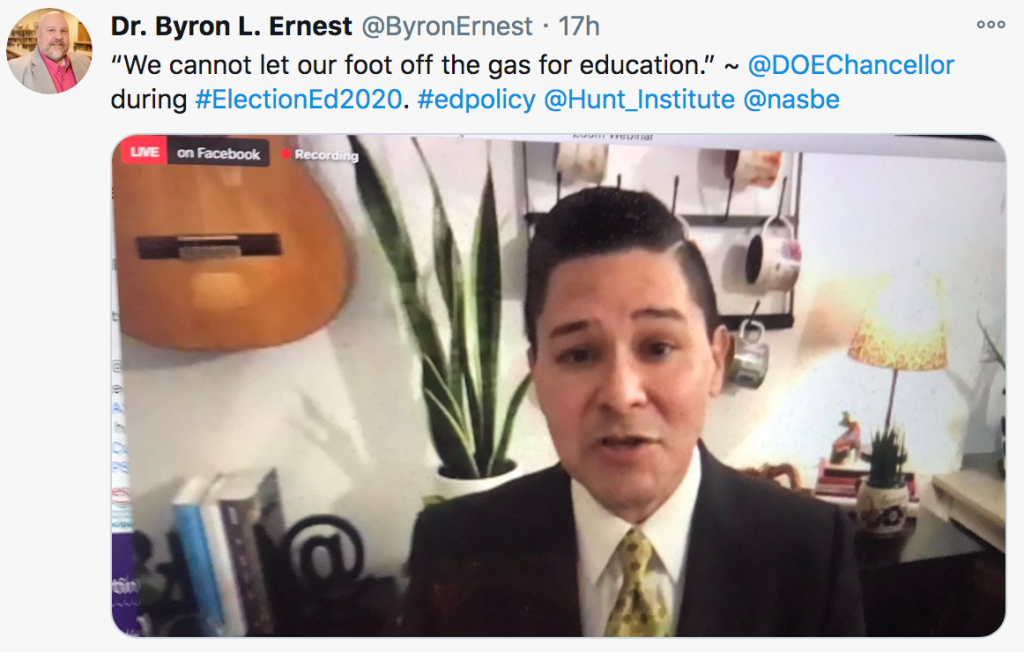
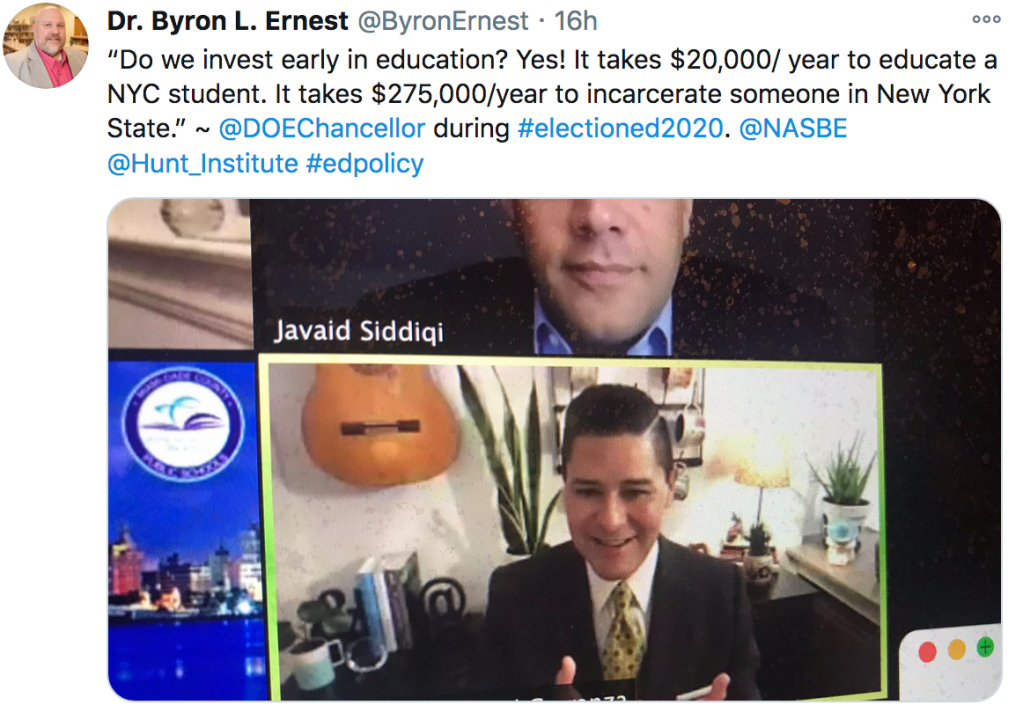
Chancellor Carranza warned us to not “let our foot off the gas.” Some might argue that in some areas we need to put our foot on the gas, but those are the areas that Secretary Duncan told us we need to all get around and start working together on. When speaking of early childhood education and education funding in general, Chancellor Carranza gave a very real example by asking and answering his own question: “Do we invest early in education? Yes! It takes $20,000/year to educate a NYC student. It takes $275,000/year to incarcerate someone in New York State.” This was a reminder to us all how important an investment education is. And, let’s not forget the economic impact of having students prepared for our ever changing workplaces. Additionally, I think a lot about how we need to identify all the reasons for our students’ learning struggles. This goes beyond having devices and internet access. It takes us into the support structures in place or not in place for the student. We must have the whole portrait of student if we are create the ideal environment for learning.
As you can see, this was quite the discussion and I’ve only scratched the surface. This truly was a conversation, not an interrogation around defining the challenges and how to best disrupt education with the exponential learning we have done during the pandemic.
“Who Am I Not To Be?”
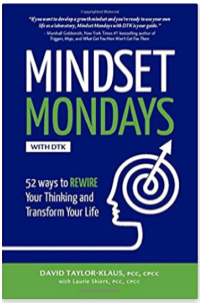
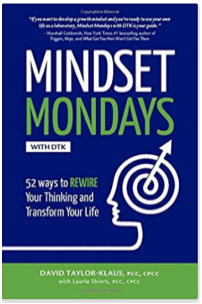
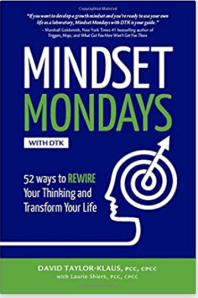
 This morning, on day 170 of the COVID-19 Global Pandemic, I am committing to a 52 week journey in a new book that gets released tomorrow, September 1st. I have been perusing my advanced copy of Mindset Mondays With DTK: 52 Ways to REWIRE Your Thinking and Transform Your Life for several days and really like what I have found in the book. As the author, David Taylor-Klaus, told us in the book, it is to be savored over time and used every week for a year. I love books that are organized in 52 lessons to use over a years time. This gives me a chance to also do a weekly reflection blog post, of which is this the first of at least 52 I am committing to do.
“The greatest weapon we have against stress is our ability to choose one thought over another.” ~ William James, discussed on pages 39-41 in Mindset Mondays With DTK
The title of the first lesson was Choose Consciously. It was ironic that DTK called our ability to choose, a weapon. In a leadership gathering I facilitated over the weekend I used superheroes as a throughline and we talked about leadership weapons. The ability to make the right choices was a superpower weapon of choice for some. “Who am I not to be?” (DTK, 2020, p. 40) is a statement that DTK has made to himself. So, really, who are we to not be? Whatever we want to achieve starts, as DTK taught us, with examining our own ideas of what is and is not possible.
 The choices we make are even more important in this time of “doomscrolling.” I usually love the creation of new words, but I’m not real big on this one that means continuing to surf or scroll through bad news. The act of doomscrolling, then, is to roll toward annihilation. So, back to David’s question, “Who am I not to be?” The one thing we get to control is our mind; so, we need to quit things like doomscrolling and control our mindset and beliefs.
Social media has been a blessing staying connected. One of the other challenges, besides doomscrolling, however, that has been created because of our ability to easily connect is some continually comparing themselves to their peers. DTK addressed this in the first lesson saying, “So instead of comparing our beginning to somebody else’s middle, we actually, see their success as an inspiration instead of a threat” (DTK, 2020, p. 41). I have always believed that each of us has our own personalities and set of skills that make us very special. We just cannot let ourselves fall in a trap of comparing, because there just is no comparison to ourselves – we are a “one-of-a-kind”. We cannot allow our internal expectations of what defines success keep changing depending on what others desire. Think about it: “Who am I not to be?”
 Byron's Babbles
1 comment