Knowing The Water

Yesterday I assumed the role of Chair of the National Association of State Boards of Education (NASBE) Board of Directors. The day before, in a meeting, I was introduced with the byline that in 24 hours I would be taking the helm. I’m not sure why, but I shivered a little at this. I even said, “I’m not sure what to think about that.” Then, our NASBE Northeastern Area Director, Dr. Audrey Noble (Delaware State Board of Education member) who is an avid boater/sailor said, “You’ll be fine. The key to success at helm is about knowing the water, and you know it well.” She had made a powerful statement there and had said a lot.
Later, as I reflected on that interaction, I remembered an awesome story that came out of World War II. And, of course, the story involves the great leader and 34th President of the United States, Dwight D. Eisenhower. The story goes that he went to the tent where his soldiers were mapping out a location for the troops to cross a river. Eisenhower pointed at a spot on the map and said, “We will cross here.” One of his troops said, “We cannot cross there, Sir.” Eisenhower asked why not. They told him they were not sure how deep the water was. Eisenhower pointed to his dampened pants leg and said, “It is this deep.” Clearly, he “knew the water.” Eisenhower had taken the time to actually get his feet wet and know where he was sending his troops.

Leadership by example and working shoulder to shoulder with those you serve continue to be the most successful forms of leadership. These concepts can take many different forms, but is expressed well with the phrase that is on a picture that hangs in my den, “Walk The Talk.” Walking the talk is one of my core values. It really speaks to the fact that our character is our legacy. If we say we believe or will act in a certain way, then our actions should prove that. I blogged about this in Walk the Talk!
A helmsman relies on his knowledge of the water he is in, visual references, GPS, other technological tools, and a rudder angle indicator to steer a steady course. Leading in an organization is no different. One must “know the water.”
Focused Perspective
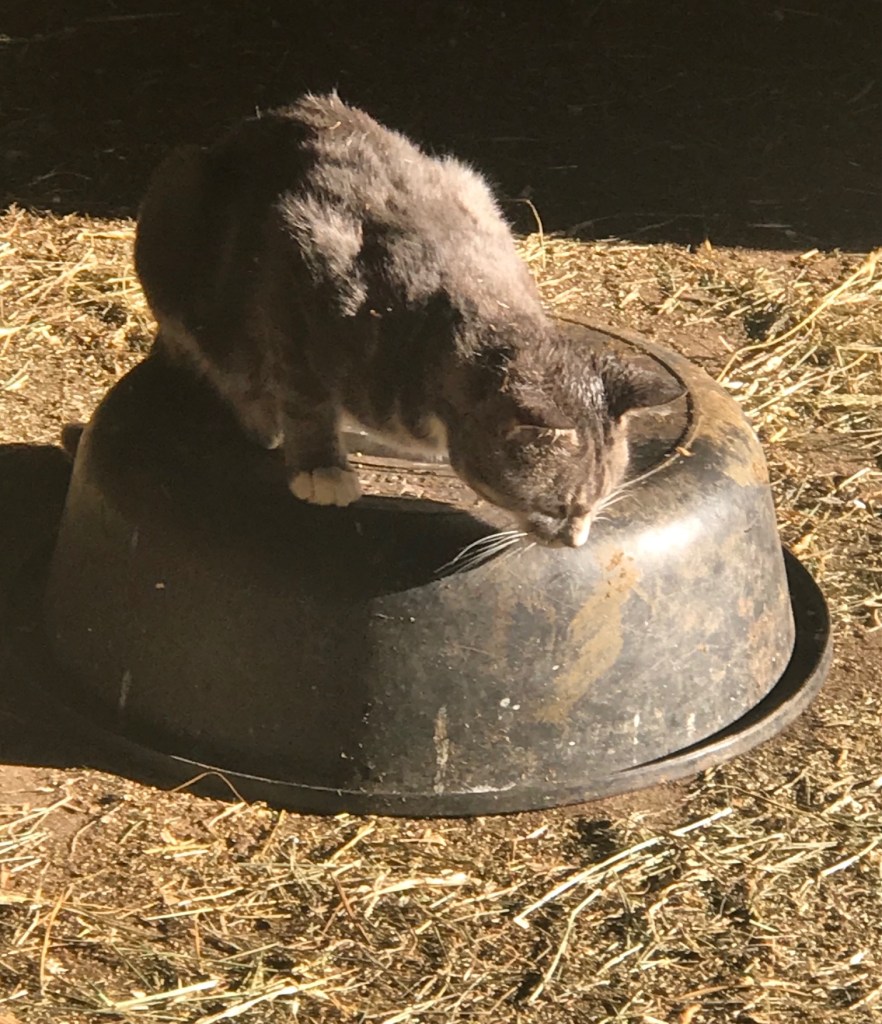
Have you ever noticed a cat’s ability to focus like a laser on something that interests them? There is never a challenge to get them to focus, but they become oblivious to what others around them are focused on. This is one of the things I love about cats; they do not need constant attention. But, when they do, you better be prepared to give it to them because that will be their sole focus. If you’ve ever been around cats you know that when they want some affection, they will not notice that you may be focused on something else. I was watching one of our barn cats this morning sitting on a feed pan I had just moved and flipped upside down after a show heifer was done eating. He was hyper-focused on something and I could not take his attention away (see picture).
When working with developing leaders I always talk about the effective leader is focused on self, others, and the wider world. The art of being self-aware and self-managing is about being centered. This enables us to notice our thoughts and feelings, label them, reappraise things that do not serve the situation and lead forward. This centered perspective is important so that understand our own values and how those values fit in the big picture. This also determines what lens we are looking through to bring context to situations. Perspective enables a leader to clearly assess the reality of today while also envisioning what is possible for tomorrow.
We also need an empathetic perspective that has the heart to understand others and identify those who might be struggling and provided compassion. Remember, empathy plus action equals compassion. We need to give people space and permission to take care of themselves. Particularly right now, everyone is in just a little different place dealing with the pandemic. We must remember that their reality is just that, their reality. Asking those we serve what they need and then truly being prepared to help them is crucial. Just thinking through priorities and plans for action can many times do the trick. We don’t have to tell people how to do their job, but syncing frequently on priorities and plans of actions can be very supportive.
How about you? Are you so focused, like a cat, that you may be missing opportunities to focus on those around you and the wider world?
Change Is A Coming!
 There is one thing for sure as I sit and write this post on this Sunday morning; change is a coming. My son is coming home from college till at least April 6th, and learning remotely and online (since I miss him being at home every day, I am excited for him to be home). The students at the schools I serve will be learning remotely. The teachers and school leaders I serve will be learning and creating best practices for remote and online student learning. Also, we must develop best practices for caring for the non-academic needs of our students (eg. food, social emotional, et cetera). I need to consider what limiting social contact means for mean personally. Additionally, I am positive that there will be things on the policy side of my life, as an Indiana State Board of Education member, that will have to be decided. So, as I said, times are changing. The coronavirus (COVID-19) pandemic is bringing change to all the world and all our lives.
As I contemplate all the constant and fluid change going on around me, I continue to remind myself that change is a never-ending process. Change is not a journey or a one-time event. Additionally, as a person who doesn’t like the term expert, or am not even sure there is such a thing, we need to remember that, right now, there are no experts – we’ve never been through this before. So, we have a bunch of people doing the best we can. The changes we are experiencing due to the coronavirus (COVID-19) pandemic need to be continuous and participatory. We must communicate and collaborate. This can’t become about who can tweet what they are doing the fastest to feed their own ambition. Or, who can blast someone else for what they haven’t done.
The problem with thinking of change as a journey is that travel is sequential. We move from one leg of the journey to the next. Change, in contrast, isn’t a series of steps; it is not a map you can follow. There is no Maps App for change, particularly not for coronavirus. As a lover of metaphors, let’s imagine pouring cream (I prefer coconut flavored) into a mug of coffee. Almost immediately as the liquids merge, there is a color change from black to brown to a light tan depending on how much cream we add. Change needs to look more like that. Instead of someone trying to come up with a well-executed plan on their own, it becomes what I call triageformational. Yes, triageformational is a term I coined. I first blogged about it in Triageformational Leadership: New Hybrid Definition of Triage and Transformational Leadership. I believe it applies more now, with our coronavirus situation, than ever before. Here is what I said in that blog post:
“Those that I believe that would make great triageformational leaders place a high value on fostering an environment or community of collaboration. This community is balanced, diverse, and equitable. These leaders build community and culture by truly living out their own core values and the organization’s core values. Just like doing triage in an emergency situation, these leaders are prioritizing what gets done next by matching core values to the situation. This in turn brings about transformation and service oriented leadership.”
We must change the way we change. We cannot have all change initiatives coming from on high. CEOs and other bureaucratic leaders who decree the values they created alone have already failed. Those values must be collaboratively developed. So, how should we change? Well, change must be continuous and participatory, and we must look for those who know more than ourselves.
With The Crowd, Not Of It
 I am reading Robert Caro’s second volume in The Years Of Lyndon Johnson – Means Of Ascent. He is such a great author and I love the things in this book that make me ponder, reflect, and give me pause. Right now at about a third of the way through this volume I am learning about a most fascinating man, Coke Stevenson. Or, Mr. Texas as he was known, was Texas’ 35th Governor.

Cincinnatus Statue in Cincinnati
He is my kind of leader. He practiced the learning of one of my heroes, Cincinnatus, of not wanting to lead for power, but to serve. Cincinnatus always returned to the farm. At the conclusion of all his service he just wanted to go back to his ranch, where he milked his own cows and branded his own calves. See why I love this guy?
 Stevenson was beyond reproach in the Austin, Texas bar seen of lobbyists that was known for the three Bs: “beefsteak, bourbon, and blondes” (p. 158). The way Caro described him in this setting really caused me to think: “But although, in Austin, Stevenson was with the crowd at the Driskill Bar, he was not of it; there was a reserve, a dignity, about this tall, broad-shouldered, silent man with that watchful stare that set him apart from the crowd” (p. 159). This was a man that lived his values, instead of talking about them like so many leaders do.
I loved that statement, he was with the crowd, not of it. This was a man modeling, not just going along to get along. He was able to get along on his own terms. That’s a pretty big deal in my book. Following the crowd will cause us to be mediocre at best and live contrary to our core values. It really causes us to live a life of self-betrayal, and resigns is to an average life. It has been said that those who follow the crowd get lost in it.
Influencer, Inspiring, & Impactful
 At yesterday’s Indiana 3D Leadership gathering I was inspired to do some deeper studying, which is usually the case, because of discussion that took place. I usually say the discussion inspired me, but for this post I’m contemplating what to call it. More on why I say that, later in the post. Last night we did an activity that I call Rushmorean Leadership which was then followed up by an activity called extending the influence. The activity calls for teacher leaders to bring pictures to identify four great leaders to put on their own personal Mount Rushmore. Then they bring six additional pictures to extend the influence.
As with everything this Indiana group does, I was blown away. What struck me last night, however, was that one participant talked about the persons on their board as influencers. Then the next referred to the leaders as inspiring and yet another referred to the her chosen leaders as impactful. For some reason I just had to ask the question of the group: What’s the difference, if any, in these descriptors? A great discussion ensued, which then led to me studying deeper this morning.
We all know that leadership is not about a title or a designation. We also know, and I’m glad we discussed this in depth last night that ambition is not a favorable characteristic of great leaders. For ambition will take over purpose. Influencers, we decided, spread passion for work, causes, innovation, or change. Those that inspire evoke a sense of energy. Finally, impact involves getting results. Impact is ultimately the measuring stick of the influence or inspiration.
Influencers cause us to think about things differently. They help us to shape our purpose, passion, and core values. Interestingly several participants had parents on their boards and referred to how they had influenced their lives.
In contrast, those that inspire help us gain motivation. This inspiration may be in the form of receptivity, positivity, or motivation. There is research that links inspiration to motivation. This inspiration causes us to actively engage in environments that lead toward self growth and fulfillment of needs.
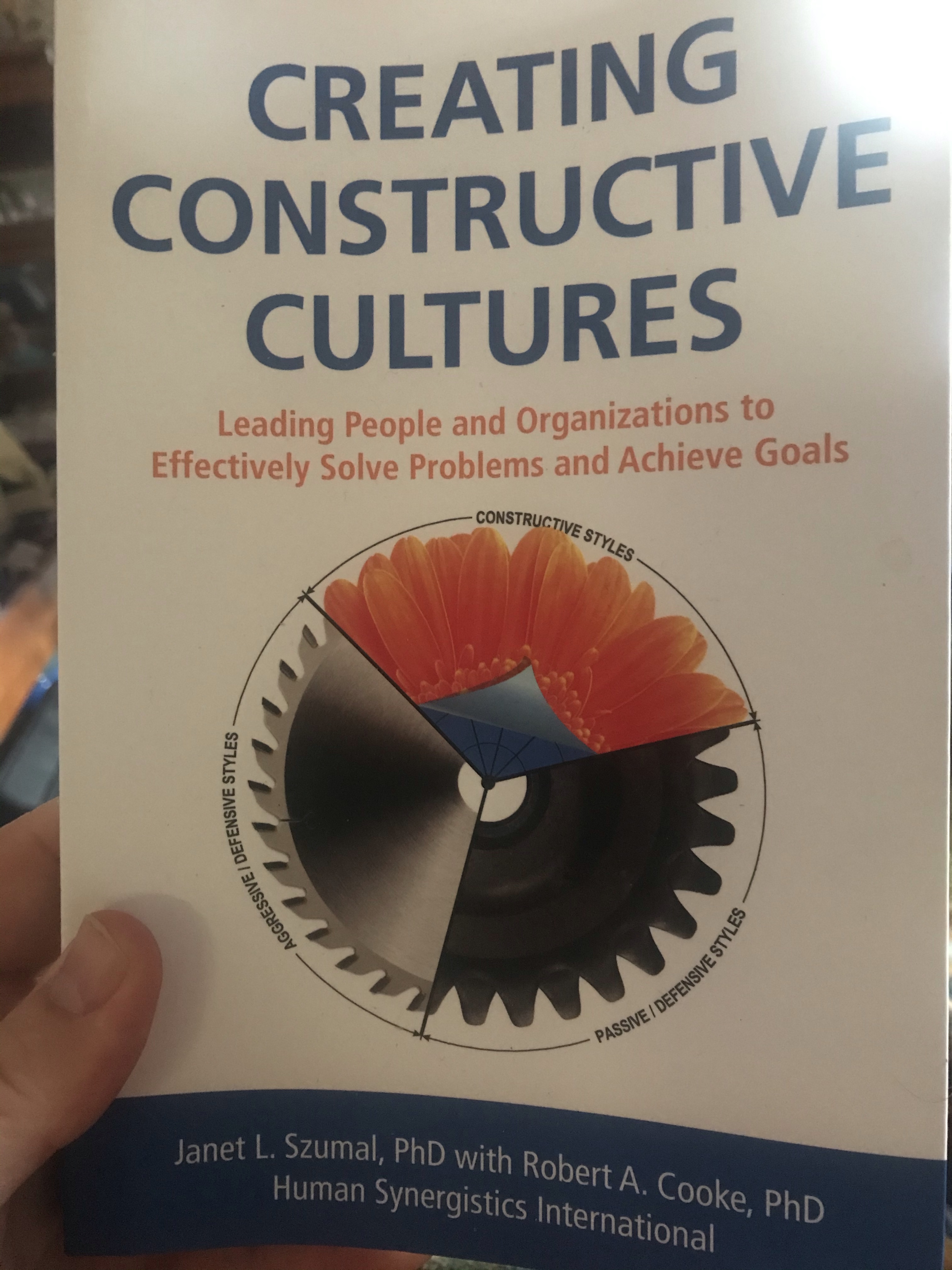 The more I studied and reflected on all this I formed the opinion that most, if not all, of the leaders chosen by the group were influencers who were creating an impact. These individuals were all helping to create constructive cultures, whether in organizations, nations, or globally. In their five star book, Creating Constructive Cultures: Leading People and Organizations to Effectively Solve Problems and Achieve Goals, Janet Szumal and Robert Cooke of Human Synergistics International ask the question: “As a leader, how can you both directly and indirectly influence your organization to ensure that members can independently and interactively solve problems and achieve the organization’s goals more readily and effectively?” I love the question because it has both directly and indirectly. Of the ten leaders each participant brought pictures of, some influenced directly, eg. parents. Others influenced indirectly, eg. Michelle Obama.
One thing is for sure; in all cases the individuals chosen embodied the necessary styles to create constructive cultures. All strove to create the cultural norms necessary for creating constructive cultural styles. See the constructive styles below: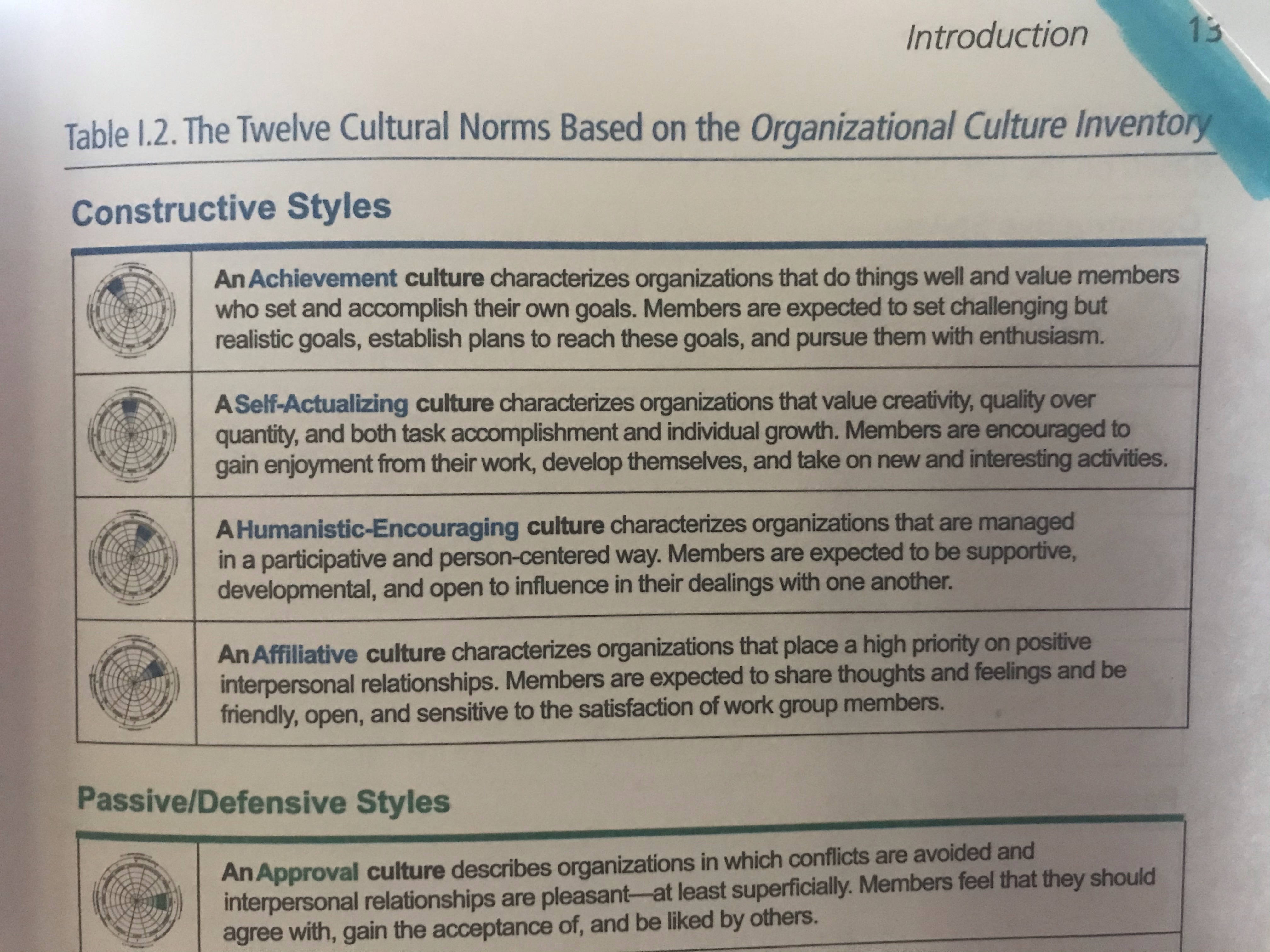
So, I’ve come to the conclusion that influencing, being inspiring, and being impactful are not mutually exclusive. They go hand in hand when being a model of personal growth for us and creating constructive cultures.
Seeing What Others Don’t See
 The best leaders see things that other leaders don’t see. At least I believe this to be true about the leaders I most respect. Recently, I heard it said of George Washington that he was an idealist and saw things as they should be. If we think of idealists as seeing the full potential in others and organizations, I certainly agree. Idealists are visionaries. Think about it, Washington’s vision for our country was visionary because there was not any other country out there to copy off off.
The part that really impresses me about Washington, however, is that he was also a pragmatic leader. He was a practical thinker. When he took over the Virginia Regiment and then the Militia he had to focus on the processes necessary to achieve the vision. Both times he was given groups of undisciplined/unruly men that he had to create the processes of rule, order, and training.
While Washington was that rare leader that possessed idealism and pragmatism, I believe it was his ability to truly inspire and mobilize people that separated him from others. Also, he was able to keep his ambitions in check – most let ambitions for power, position, money, or status wins out over purpose and core values. Washington might be our true shining star role model for this.
As I was studying for this post, I came across a quote credited to French novelist, Marcel Proust: “The real act of discovery consists not in finding new lands, but in seeing with new eyes.” This quote could certainly apply to great visionary leaders and Washington. In doing more research, however, I found this was a paraphrase and not what was actually written in Proust’s novel.
The quote is paraphrased out of Proust’s seven volume novel, Remembrance Of Things Past (1923). The actual phrase is in Chapter 2 of Volume 5, The Prisoner, and is actually referring to art instead of travel. You might disagree, but I believe the actual passage to be more meaningful than the paraphrased version. Here is the actual transcript:
“The only true voyage of discovery, the only fountain of Eternal Youth, would be not to visit strange lands but to possess other eyes, to behold the universe through the eyes of another, of a hundred others, to behold the hundred universes that each of them beholds, that each of them is.”
Proust was an incredibly talented and artful writer. His writing in this novel gives us another way to think about the leadership of Washington. He was seeing our country through another set of eyes, not just using the same paradigms that were known by all at the time. As an artful leader, Washington was able to envision what great things our new universe, a democracy, would behold for each of us.
Today, if we truly want to embrace one-of-a-kind ideas in a world of copycat thinking, we need to see the things that others don’t see.
Declaring Beliefs & Attitudes

John F. Kennedy was President on the day I was born
Trying to make sense out of political trends or political culture is very tricky at best. We see trends over time, but they are not always absolute. I’m not sure there is any longer a “typical American.” There are many indicators that become tendencies, but there are probably more exceptions. The bottom line is that there are many factors that influence Americans when they cast their secret ballot. I’ve been reflecting on this on this 2020 President’s Day.
Family certainly plays a role. Think about the Kennedy’s who were staunch Democrats. Think about the Bush’s who are die hard Republicans. When I look at my own son’s political views, he certainly has not fallen far from the proverbial tree. But, you can look at other families where the children go to the complete other side of political views. One only needs to study President Ronald Reagan’s children. We do know, however, from research that parental beliefs do have great influence on children’s political beliefs.
One thing is for sure, Americans have a great deal of political power. More than most realize. As Joe Biden always says, “All politics are personal.” Therefore, since it is personal and a conversation, then every American has a voice. First of all, and most importantly, everyone needs to vote. Voting is the most fundamental form of civic engagement in a democracy. Voting is an expression of your beliefs and also has consequences based on choices.
Machiavelli taught us to “declare.” I have always practiced this – there is never a mistake where I stand on something. Others just tell others what they want to here. Beliefs are those closely held ideas that support our values and expectations about life and politics. Our attitudes are affected by our personal beliefs and represent the preferences we form based on our life experiences and values.
In a democracy we have an obligation to “declare” these beliefs and attitudes. At the same time, however, it is important to respect those with differing opinions. I did not say agree with, I said respect. I have blogged about this in Civilized Disdain Vs. Political Correctness, What Can We Create Together, and Typical Discourse. Our beliefs and attitudes over time become a set of norms and core values that solidify our political and societal views. This in turn forms how we believe should happen in our society or what the government should do in a particular situation. Remember, your views are important and valued.
Deep Innovation
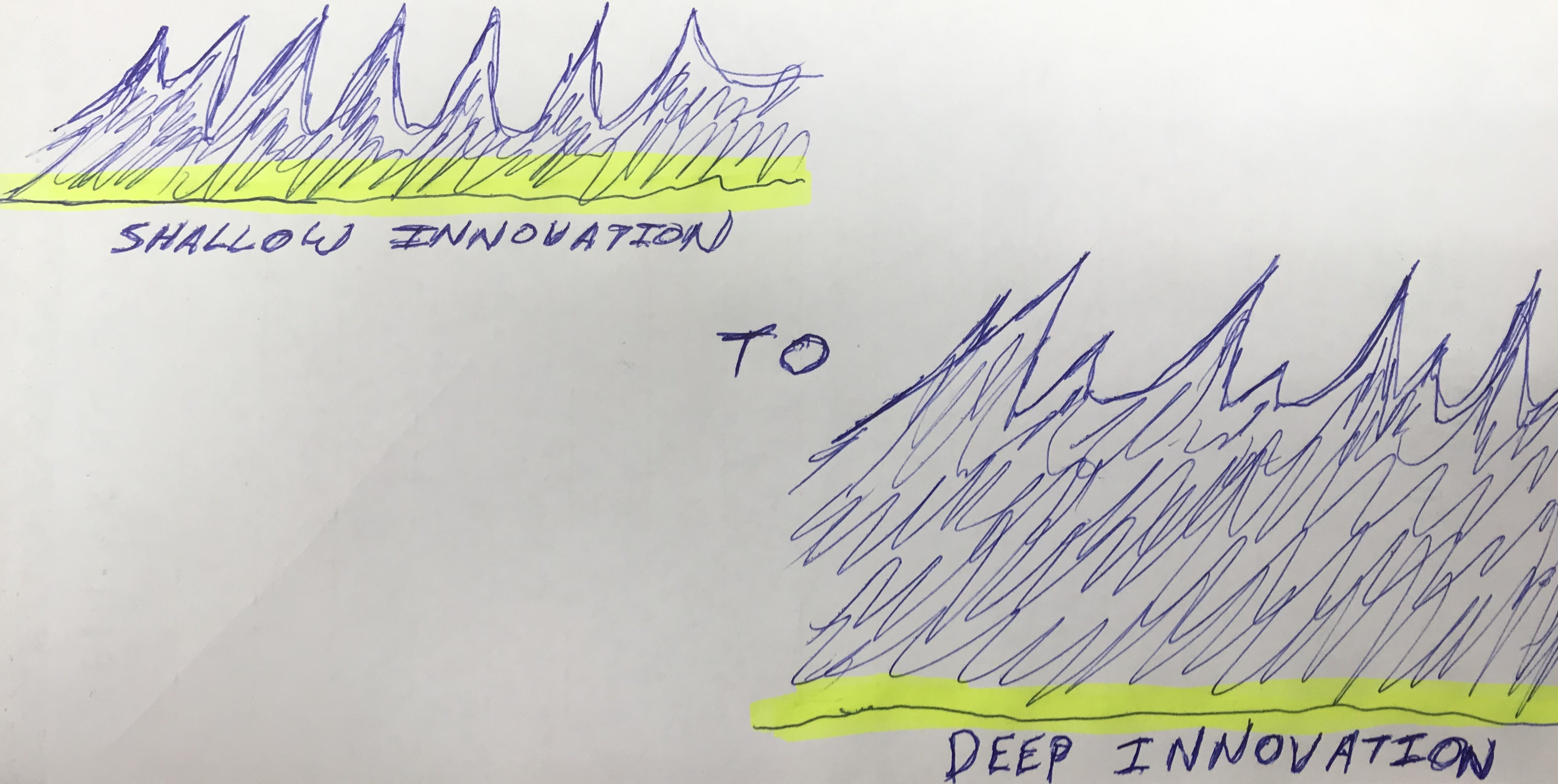 As a self proclaimed energetic change agent, I had a great chance to check my values and views toward innovation while reading the awesome book, Innovation For The Fatigued: How To Build A Culture Of Deep Creativity by Alf Rehn. Rehn argued that we have become “shallow innovators” and need to start practicing “deep innovation.” One problem is we start using the same old rhetoric that makes us think we are “maverick innovators,” being “transformative,” or practicing “disruptive thinking.” We think these buzzwordy titles mean we are innovating, but really we are merely tinkering around the edges and making superficial changes. See why I gave this book ⭐️⭐️⭐️⭐️⭐️?
“Innovation has become a tired buzzword.” ~ Alf Rehn
 According to Rehn, we need to focus on big solutions. In order to have deep innovation we need to start from scratch, or go in an entirely different direction. Real innovation, Rehn posited, looks beyond what we do and know now. One of my big takeaways was that we need to stop directing so much time and talent on incremental change. Many times we take the easy way out and make ourselves feel better, saying we are taking baby steps.
“Innovation history teaches us that human beings are terrible at identifying innovative ideas.” ~ Alf Rehn (p. 54)
Another part of the book that really jumped out at me was the section entitled “The Curse of Expertise” (p. 54). I have always worried about getting caught up listening to so called “experts.” In fact, I have blogged about my dislike of experts many times in Thanks For Not Being An Expert, Decision Making vs Problem Solving – and Why the Difference Matters, and Dig In & Stop Guessing. Rehn explained that many great ideas have been killed before they had a chance to prove themselves by these so called “experts.” Rehn said, “As curious as it sounds, the better we are at something and the more expertise we’ve amassed, the worse we often get” (p. 55). It is not that experts are bad, but we just should not rely on their word as the final word. Experts often forget that their expertise represents a very small part of the world’s total wealth of knowledge. We have a tendency to overestimate what experts know and want to use their opinions carte blanche. I see this happen a lot in policy decisions.
Finally, Rehn advised us to cultivate a culture of innovation. We need a certain amount of trust and an environment where we are able to voice our ideas or opinions without fear of censure or dismissal. This is what Amy Edmondson coined as “Psychological Safety.” If we lack an innovative culture we will only practice “shallow innovation” instead of “deep innovation.” This will then eat away at our organization’s purpose, according to Rehn. The loss of purpose will ruin an organization and affect employees at every pay grade of an organization.
So, let’s create a culture of innovation so we can practice “deep innovation” and change the world!
Empowerment Triggers The Approach System
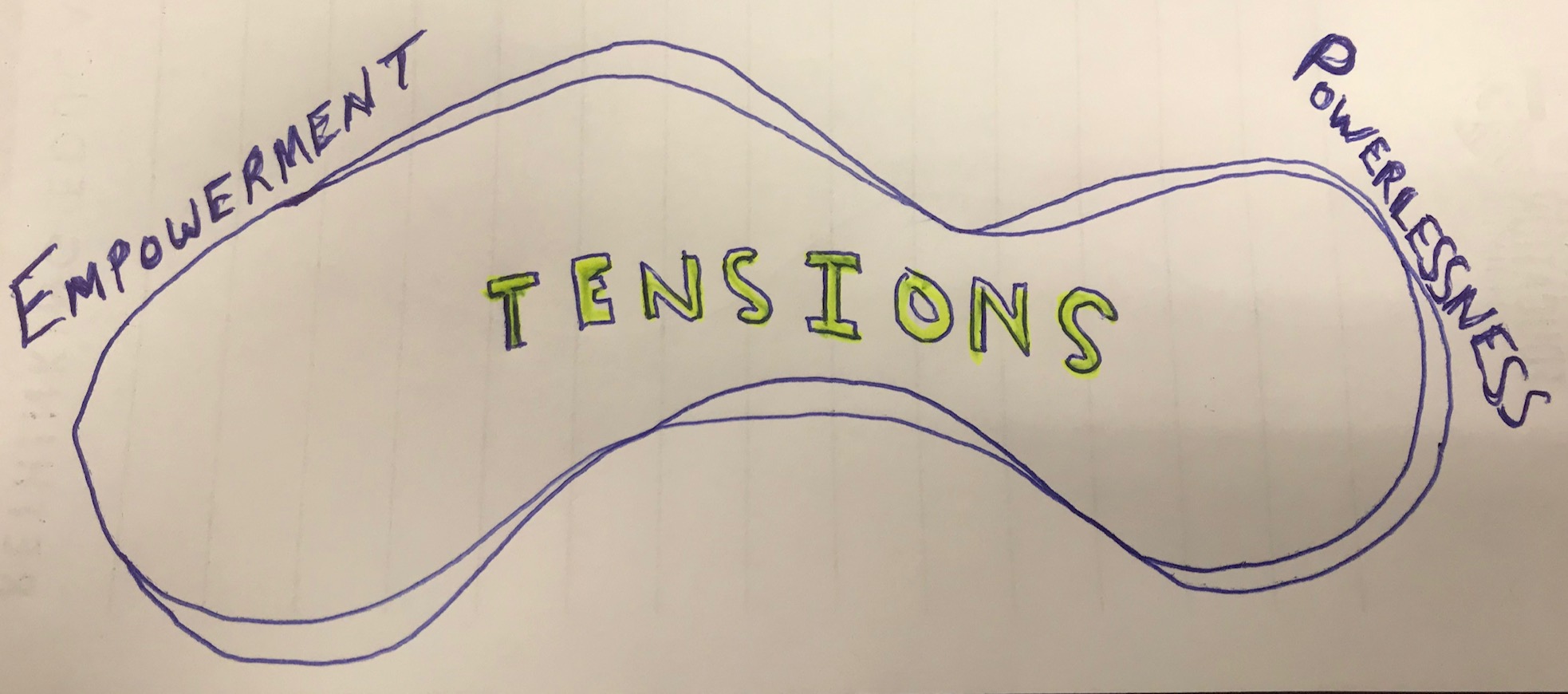 There has been a great deal written about student agency, student choice, and empowerment. In fact, just yesterday I was working with teachers on how to empower student in such a way to get to a self (student) managed classroom. Student agency and choice refer to learning by doing activities that are meaningful and relevant to learners, driven by their interests, chosen by the student, and often student (self) initiated. As a teacher, I loved giving students a stake in choosing from opportunities provided for them; or many times letting them come up with options. These opportunities might include giving the choice between doing a project, making a presentation, writing a paper, creating a product, or other activities. This ability to choose, or have agency, empowers the students, which leads to greater investment of interest and/or motivation.
 Like I said, I used student agency for years as a teacher and promote it as a major tenant of project based learning. It seems that this is really brain-based. Yesterday, I finished reading the great book Presence: Bringing Your Boldest Self To Your Biggest Challenges by Amy Cuddy. While this was not an education book, the principles of empowerment and powerlessness triggers that apply to our presence as a leader, also apply to the way we engage students.
In the book, Cuddy explained the approach and inhibition systems of the brain. This explanation came from the 2003 study of psychologist Dacher Keltner. The approach system is made up of regions in the brain that promote curiosity, being adventurous, and trying new things. The inhibition system, promotes cautious behavior. Too much of this causes us to see threats where others recognize opportunities. In other words, it stifles us. Think about these two systems both from a leadership standpoint and a student engagement perspective.
Keltner argued that empowerment triggers the approach system. In other words, if we believe we are empowered we are able to be more curious, adventurous, and willing to try new things. Doesn’t this sound like how we would like our students to be every moment of every day? Conversely, Keltner posited that powerlessness triggers the inhibition system. As was explained earlier, this causes cautiousness. Think about this from a leadership or educational perspective. When we empower others and give them autonomy this triggers our approach system, and contrarily when we take power and agency away and add constraints we trigger inhibition. Remember, power is the ability to change something. Do we not want our students and team members to be in a position to do this?
Bottom-line: the approach system will respond to rewards and opportunities and the inhibition system responds to constraints, threats, and punishments. Really if you think about this it is pretty simple. These two systems in our brain exert powerful influence over our actions, motivations, and emotions. How are you empowering? How are causing powerlessness? It could be as simple as giving student agency removing constraints, or not have having team members go through a bunch of compliance hoops of approval. Let’s keep these triggers in mind as we navigate 2020.
We Hate The Buzz Kill
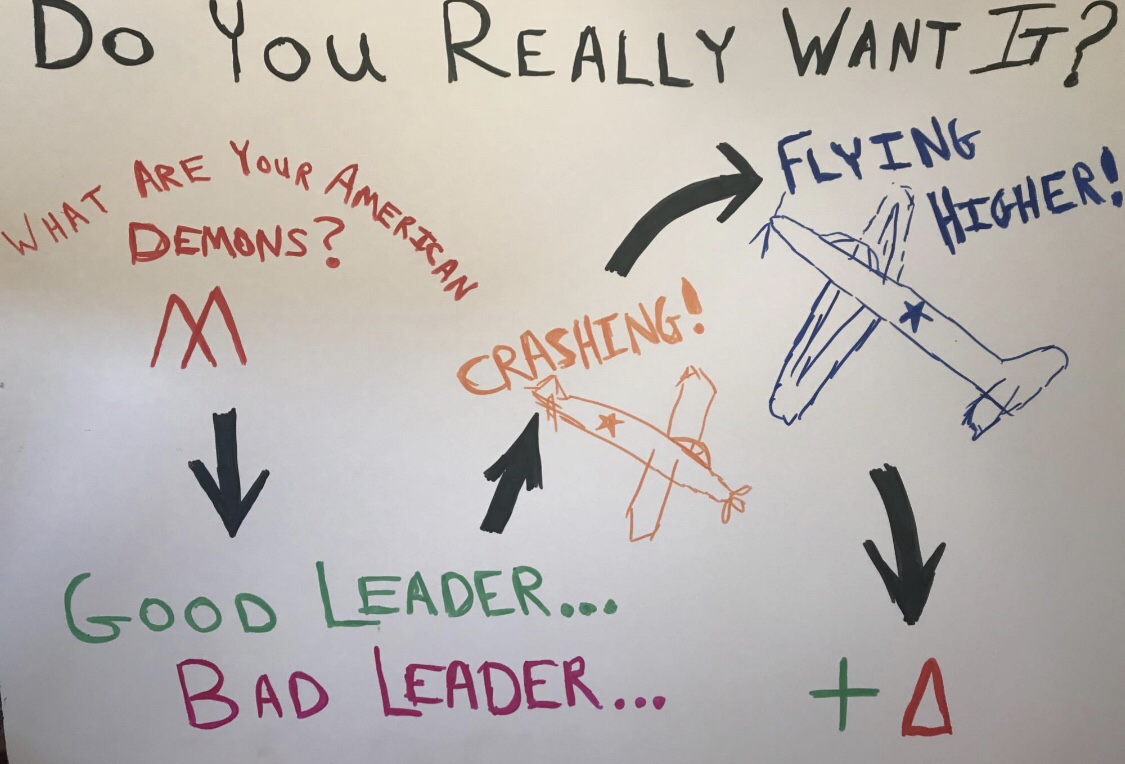
“Everybody wants to change the world…But one thing’s clear…No one ever wants to change themselves…That’s the way things are…All because we hate the buzzkill…Jaded when we need to feel…But we can change it all if you really want it.” ~ Nothing More in the song Do You Really Want It?
Today in our 3D Leadership, session with North and South Carolina participants, we discussed the concept of a buzz kill. This was prompted by a discussion and analysis of the lyrics to the great Nothing More song Do You Really Want It?
Beware of the buzz kill. That person who is in your organization, community, class, school, or government who takes a perfectly good idea, concept, or change and shucks it off as being worthless or not meeting their own values. They do it with their negativity and virtue signaling. The thing about buzz kills is they are usually smart, respected, and rationale people. they appear to be very noble in their actions, but are full of crap at the same time. Their points may make sense, but we do not want to hear them at the time. The goal of the buzz kill is to have you join their misery.
We also need to be aware that we can create the buzz kill for ourselves and those around us. Think about times when you’ve poo poo’d someone else’s, or your own dreams or steps to changing the world. Remember, if you are not experimenting with new ideas, you are probably stuck with old, out of date ones. Notions change all the time, after all. Stick with old ideas, and your thinking will end up obsolete.
We can change it all if we really want it. Ignore the buzz kill!
 Byron's Babbles
leave a comment