Don’t Get Naked At 8:00 AM
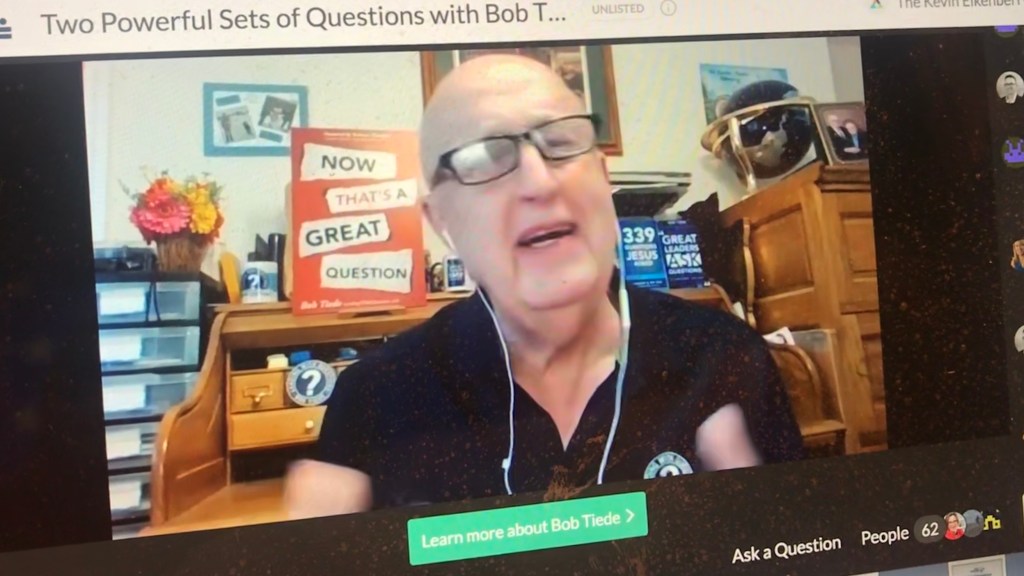
I’ll bet I got your attention with the title of this post. I’ll even bet you might be reading now just to find out what the heck I’m writing about. Well keep reading and you’ll find out. Bob Tiede is one a kind! And, I mean that as the highest of compliments. We had the chance to learn from Bob on Kevin Eikenberry’s Virtual LeaderCon on Wednesday. I have been a big time fan of Bob’s for a long time and I had chance for some personal messaging with him at the end of the day on Wednesday. PRICELESS! Bob Tiede has been helping leaders be their best for a lot of years and I have learned and grown a lot from following his work and reading his books.
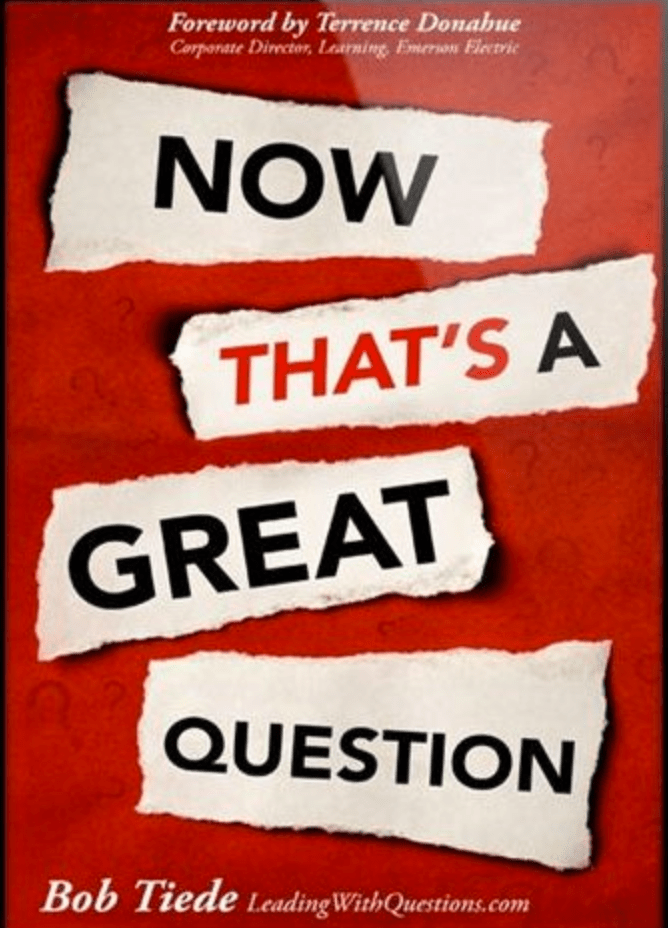
His latest work is Now That’s A Great Question. Why am I such a fan? Well, if you know me, you know I love to ask questions. Bob taught us that, “Leadership is not as much about knowing the right answers as it is about asking the right questions.” Brilliant, right? See, there I go asking a question.
“Leadership is not as much about knowing the right answers as it is about asking the right questions.” ~ Bob Tiede
Two Powerful Sets of Questions
During Virtual LeaderCon he reminded us that some of the best questions are the simplest. For example, here are three simple questions leaders can ask:
- What do you like best?
- What do you like least?
- What would you change?
After asking those three questions, Bob will tell you the most important thing to do is – LISTEN! Listening is the most important part. We must be listening to both understand and interpret. Then, we also must do something about what we have been told. Otherwise everyone will lose trust in us.
Here are four more great questions from Bob:
- What’s going well?
- What’s not going well?
- Where are you stuck?
- What needs to change?
“…no leader wants to get naked at 8:00 AM!” ~ Bob Tiede
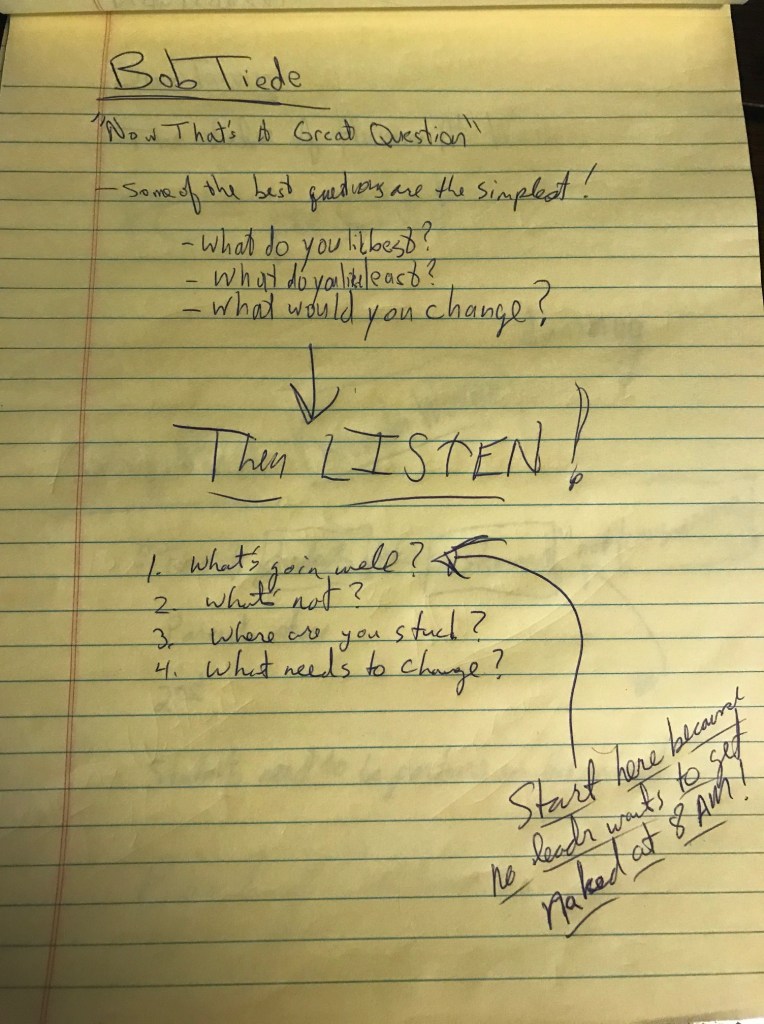
Don’t forget. What’s your job while asking these questions? LISTEN During Virtual LeaderCon Bob explained to always start with “what was liked best” and “what was going well.” Otherwise you are just starting with the potential for the conversation to become a “gripe-fest” and we have all been there before. Nothing productive ever comes out of a “gripe-fest.” Then Bob gave what I awarded as the best quote of the day on Wednesday: “Start with what’s going well, because no leader wants to get naked at 8:00 AM!” I loved it! His point was for us to start with the good things because that will put us in a much better frame of mind for truly listening to the things that need improvement. Isn’t he awesome at putting things in a way we can understand?
Bob, if you’re reading this, I’ll ask you a couple of questions (would love for you to leave a comment):
- What did I get right in this post?
- What would you like to add that I left out?
Gift Yourself Being Present For Your Own Personal Time


What a great week it has been. I have been working with schools, starting the fall gatherings of 3D Leadership, recording teacher webinars for the National FFA Organization for their virtual National FFA Convention and many other things. One of those many other things was having the opportunity to participate in and speak during the “Daily Debrief” of Kevin Eikenberry’s Virtual LeaderCon. What an incredible program and experience. It went on all five days this week with over 30 individuals with world-class expertise. I have an entire notepad filled with notes. I certainly will be using posts in this blog to process my learning. Additionally, I have already used things I learned from Virtual LeaderCon in the other work I have been doing this week.
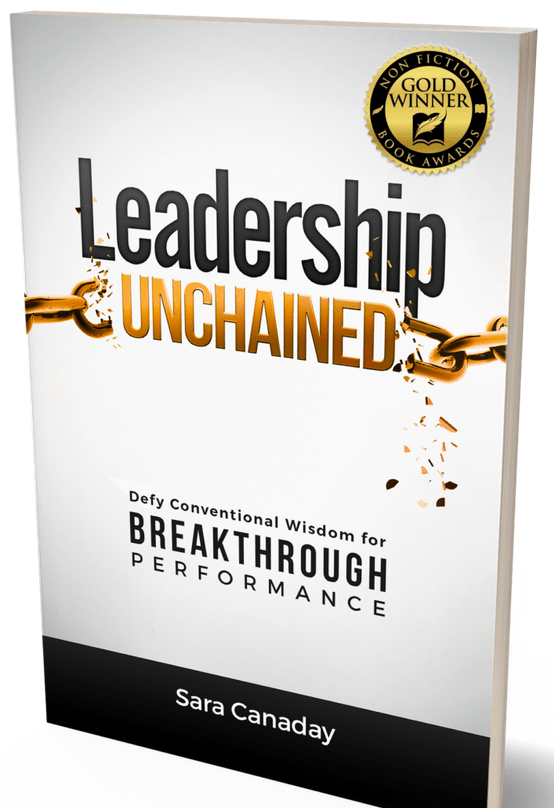
There were so many great pieces of advice said that I wrote down, but on Wednesday, Sara Canaday, was great. I’ve know Sara for a while and she is the author of Leadership Unchained. At the end of her discussion with Kevin Eikenberry, he asked her one last question. He asked, “What’s the one piece of advice you want to give to the leaders here at Virtual LeaderCon?” Without hesitation, Sara answered, “Gift yourself with being present for your own personal time.” Huge! That his me like a ton of bricks. But…how to really do that, right?
“Gift yourself with being present for your own personal time.” ~ Sara Canaday
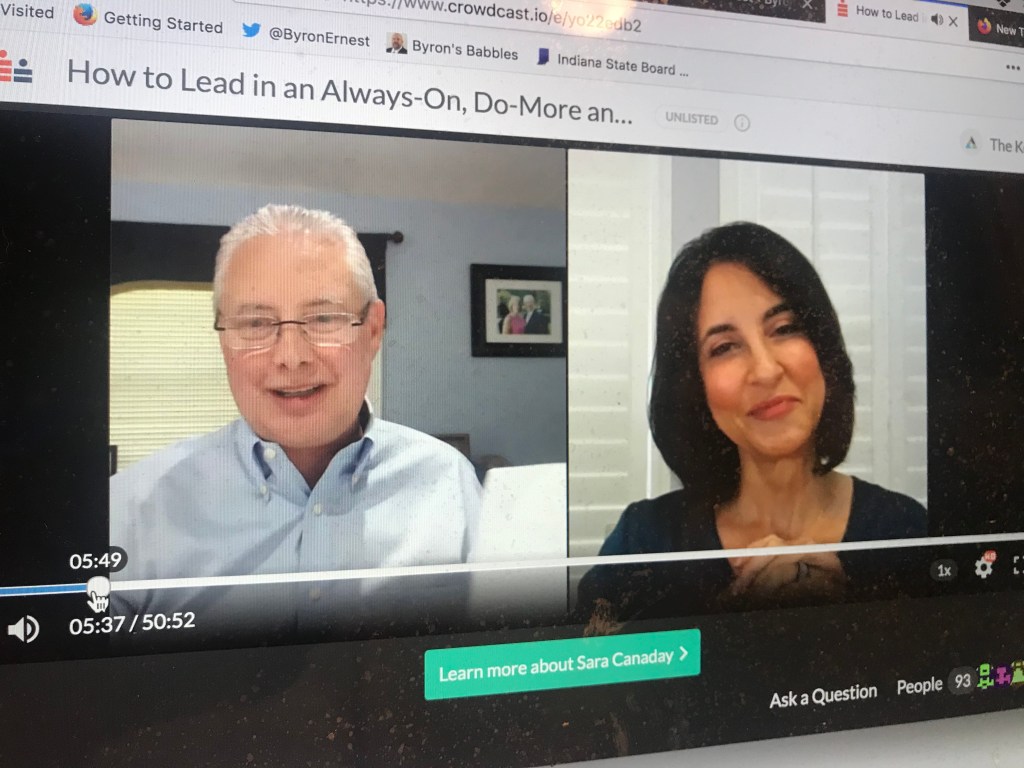
Well, we actually learned some things earlier in the conversation between Sara and Kevin that are useful in answering the question of “How?”. While Sara tells us we should calendar at least one hour, and really try for two, for personal time to marinate the happenings and learning from the week, the Virtual LeaderCon conversation taught us we probably are already doing some this. For example, my taking time to write this blog post represents taking time to marinate and process learning. Sara talked about how we always take the things people write way to literal. Its why we have trouble making changes in our lives, which as we learned from Rumi in the 13th Century when he said, “…Today I am wise, so I am changing myself.” I’m sure you have experienced the person who when they finish a book becomes obsessed with everything in the book – quoting it constantly, trying to implement every single thing in the book, actually trying to shape-shift into the author, et cetera, et cetera. Really, it’s impossible to do that and frustrating to everyone around that person. We need to take what we read and learn and apply it where applicable and needed.
The point here, specifically, is to find the things that work specifically for you, and don’t forget the things you are already doing. For me, for example, my blog is very important and personal for me to marinate the happening and learning of my life.

Yesterday I tried to also put into practice Sara’s suggestion of the the one hour of marinating personal time by using something I already had to do – an hour drive to a school I am supporting. Usually I would be listening to a book or podcast, but yesterday morning I decided to just enjoy the morning – no sound at all. I left home in the dark and was headed east at exactly the correct angle to watch the sun come up (the sunrise in the photo featured in this post was of that very sunrise). I noticed so many things. I noticed the soybeans at different stages of maturity. Some were ready to be harvested (in fact I saw some being cut on my drive home); some were still a beautiful deep green; and many others were somewhere in-between. I also noticed the fresh cut sorghum-sudangrass on both sides of the road near a large dairy farm. I had noticed these sorghum-sudangrass fields on previous trips to this school and had noted this this farm was on the same cutting schedule as my own sorghum-sudangrass crop.
There were so many other things I saw. But, here’s the deal: My mind became so clear I was able to come up with a great new idea that I can’t wait to implement. Because I drive a lot, it will be very easy to gift myself a little more personal down time – a present to myself. Where can you gift yourself being present for your own personal time?
Belief Is The Price Of Admission
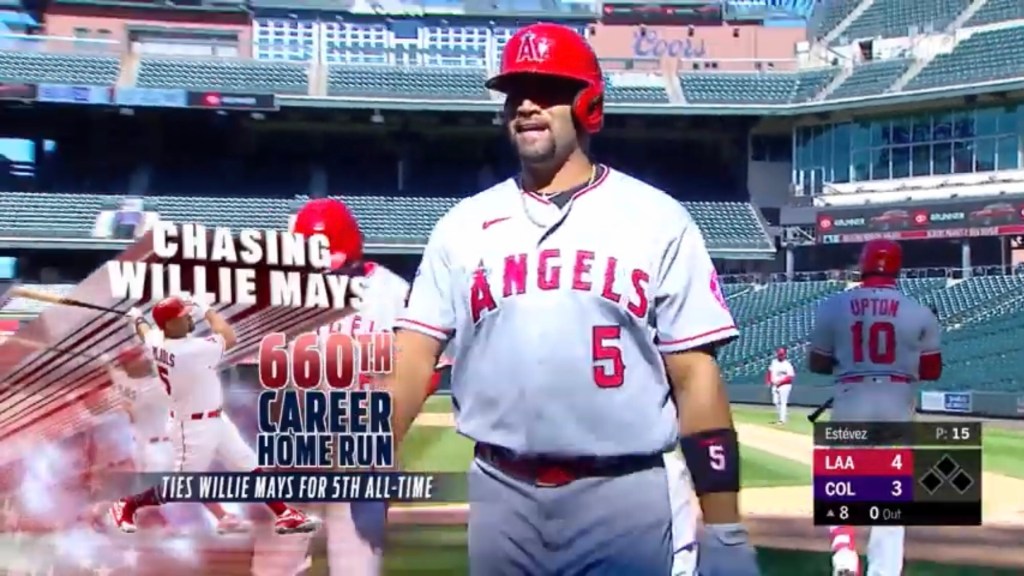
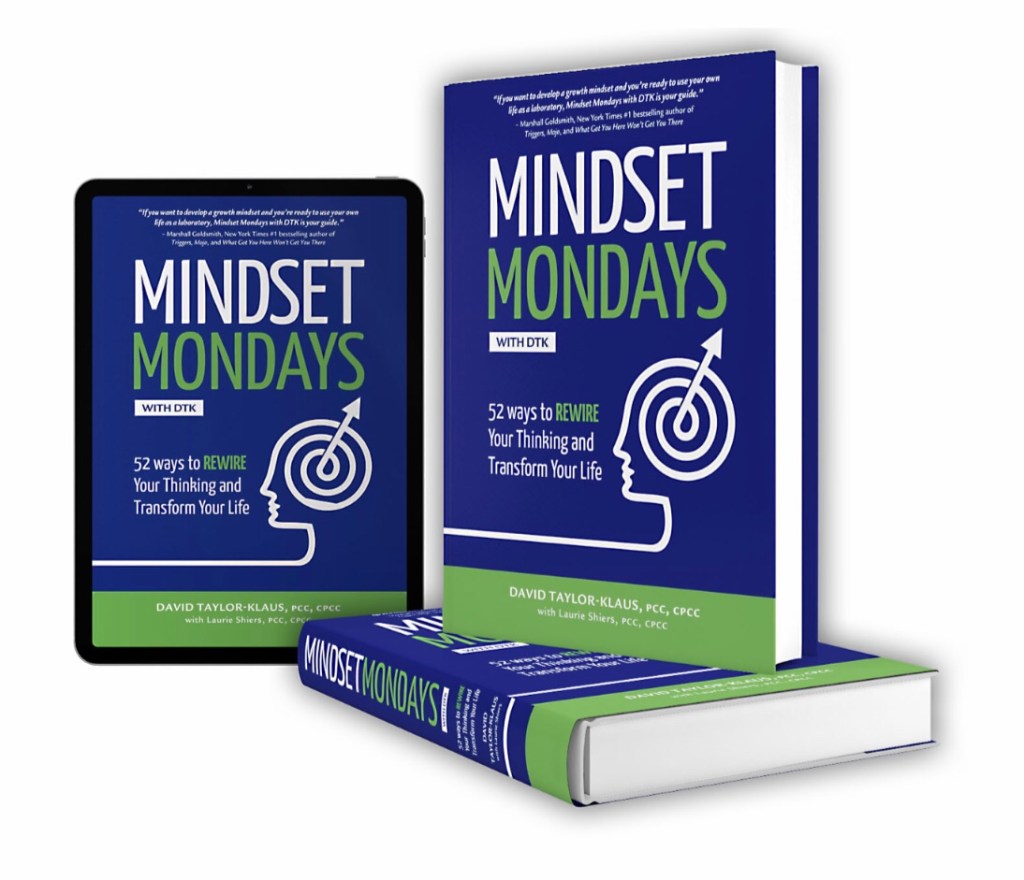
I love baseball. Something exciting happens every day and this past week was a great week for the game of baseball. Albert Pujols hit is 660th career home run this past Sunday, September 13th. This tied him with Willie Mays. That same day, Alec Mills threw a no-hitter for the Chicago Cubs. That was the first of his career. Monday, in Lesson 3 of the great book Mindset Mondays With DTK, by David Taylor-Klaus, which contains 52 weekly chapters designed to be done on Mondays, the lesson was entitled “Believe in the Impossible.” The lesson was about Roger Bannister breaking the four-minute mile in 1954. Everyone told him the four-minute mark could not be broken, but this did not stop him. He believed it could be done and that he was the person to do it. Bannister even broke the traditional way of training (how it’s always been done) and came up with his own, unconventional, way of training.
“Just because they say it’s impossible doesn’t mean you can’t do it.” ~ Roger Bannister
This made me think about professional baseball players and how impossible being good enough to break records or pitch no-hitters must feel at times. After hitting his 660th home run Pujols said, “To be able to have my name in the sentence with Willie Mays is unbelievable,” Pujols said. “I’m really humbled.” But really, Albert Pujols does believe he can do it. He tells us, “There is no time to fool around when you practice. Every drill must have a purpose. I try to never get away from that, habits are important.” This tells us, just as David Taylor-Klaus pointed out, that our belief in our ability to do something matters greatly. If we don’t believe something is possible, nothing else really matters.
I’m a really smart player. If you tell me something, I get it quickly. If there is something wrong with my hitting, tell me what’s wrong and I’ll pick it up right away. That’s the best thing I have going for me, my ability to listen to a coach and fix what I’m doing wrong. ~ Albert Pujols
Baseball, perhaps more than any other sport, is about heroes. Albert Pujols certainly has a hero’s story. That hero’s story starts like every other baseball hero story; with the player believing in himself – really believing in himself. This is why all of us imagine ourselves as pro baseball players, but only a few actually make it happen. It is important for us to recognize our ability to achieve goals. How we view ourselves, how we measure our value, how we assess our potential, and how we determine our worth all combine to create the life we will live. Are you paying the price for admission? Belief.
Leading Like Elastigirl-Hulk
 So, if you could combine two superheroes into one, which ones would you bring together? During our Georgia 3D Leadership gathering this past weekend I had a participant that did just that. One of our activities had attendees pick or create a superhero that best described themselves. One of our participants blew me away with a combination of She-Hulk and Elastigirl (Mrs Incredible). I have included a picture of her creation with this post.
This sort of thing has already been done. In the late 1990s Marvel and DC tried a big crossover event in which their superheroes met, fought, and came out friends. Thus was born the Amalgam Universe. Put simply, two super-cosmic beings arranged to have the Marvel and DC Universes merge with one another, such that their finest heroes also merged to become amalgams of each other (hence the name). Some were merged because they were similar in powers or purpose, some because their names sounded alike. In like fashion, our participant created “Elastigirl-Hulk.”
 Jennifer Walters, an attorney, who is the She-Hulk got her powers after being shot and needing a blood transfusion. Her cousin Bruce Banner (Hulk) gave his blood for the transfusion and the rest is history. Jennifer got a mild version of the radioactive powers. She-Hulk taught us to never accept more than we deserve. Because of her ability to self-transform between Jennifer Walters and She-Hulk, she taught us that work-life balance is achieved by recognizing that work and life are both important. Finally, she taught us to have a sense of humor.
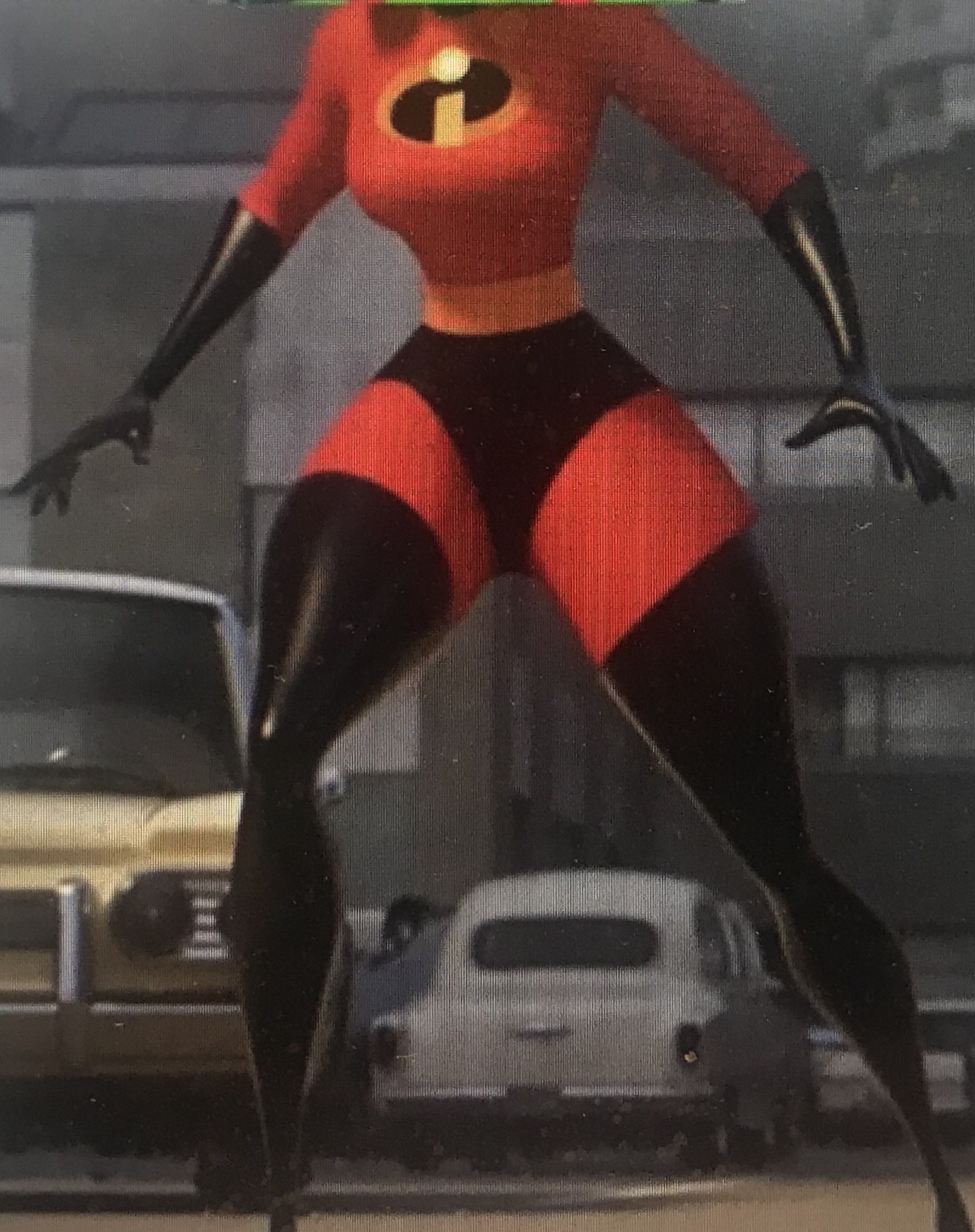 Now let’s take a look at Elastigirl (Mrs. Incredible). Her superpower is elasticity, allowing her stretch, shape-shift, and be flexible. Elastigirl understood the importance of developing teams to be capable of becoming a strong support system for all members to achieve their own goals and the goals of the organization.
Therefore, combine the flexibility and community building abilities of Elastigirl with the strength, intelligence, and the ability to control between being tough and being gentle and we’ve got quite an incredible (pun intended) woman. What superheroes would you combine?
Leading Like A Murmuration

There is nothing better than seeing, hearing, smelling, and feeling the farm wake up in the morning. This morning was awesome as a foggy mist gave way to a very cloudy dawn. There was first an owl letting everyone know she was awake. Then came the first sounds of other birds. A calf moo-d, letting me know I needed to tend to the breakfast needs of her and the others instead of enjoying the morning come to life. There are so many sights, sounds, smells, and things to feel. It’s almost overwhelming!

Well, I got all of the animals fed and cared for and went back to observing the cloud darkened misty morning. I was drinking some coffee from my Hong Kong coffee mug (you all know I collect coffee mugs from places I have gone and love to use them) and looking out over a field of Berseem Clover I mowed for hay a couple of days ago. Then the show began! A murmuration of birds was feeding in the field. Hundreds of them flying together in what looked like controlled chaos; or maybe it looked more like synchronized swimming. A murmuration, or bird dance, is basically an aerial ballet with hundreds or even thousands of black birds, starlings, grackles, cowbirds, or red-winged blackbirds flying together as if they had one mind or a choreographer conducting their every move. This eye-catching display reminded me of a computer generated effect from the movies. It was spectacular! I was spellbound by the murmuration’s twisting, swirling, morphing, shape-shifting animation.

While it is not known for sure why the murmuration happens, it is thought by ornithologists that the birds do the choreographed dance to avoid and confuse predators, like the owl I had heard earlier. Some also believe the murmurations are done as a cooperative effort for finding food. George F. Young studied starling murmurations and he described this synchronized aerobatic show as, “…remarkable ability to maintain cohesion as a group in highly uncertain environments and with limited, noisy information” (Young, Scardovi, Cavagna, Giardina, & Leonard, 2013). Basically, the research team found that the birds have the ability to manage uncertainty while maintaining consensus. To do this, each bird attends to seven others. By only attending and working with seven other birds, there are many dynamic parts that make up the entire group that then performs the murmuration.
So, what can leaders learn from these dazzling and beautiful illustrations of complex adaptive systems? In the context of this mixed flock of birds, the leadership is distributed, it is inclusive, and there must be effective, ongoing, and multi-directional communication. In other words, every bird needs to be a leader and follower. Because the birds, as the research found, are only tending to seven others, leadership is distributed for all. The prompt for a new direction (flight pattern) can come from anywhere. Just like in our organizations, leadership should be able to come from anywhere. This allows for quick real-time change in a complex adaptive system.
Think if our organizations were set up like a murmuration; anyone could discover and share good information. Then, seven others would be paying attention, so needed shifts could happen efficiently and effectively. Now, this culture is not without risk; distrust, the rumor mill, gossip, and false information could turn the murmuration into a crash site. Think about the trust that Blue Angel and Thunderbird pilots put in each other.
There is so much to learn from the striking murmuration display:
- We need to lead and follow at the same time
- There is no single leader
- There must be shared leadership
- There must be trust built so that every individual trusts each other implicitly, and are prepared to move in response to each other
- Sharing information must become a pervasive instinct
Watching a murmuration as the birds swoop, dive, and wheel through the sky is one of the greatest performances to watch in nature’s theater. While we not ever be able to reach the perfect synchrony of the birds, if we will but follow the principles that make the aerobatics possible we can become effective complex adaptive systems. Remember, everyone is a leader and everyone is a follower.
Never Forget
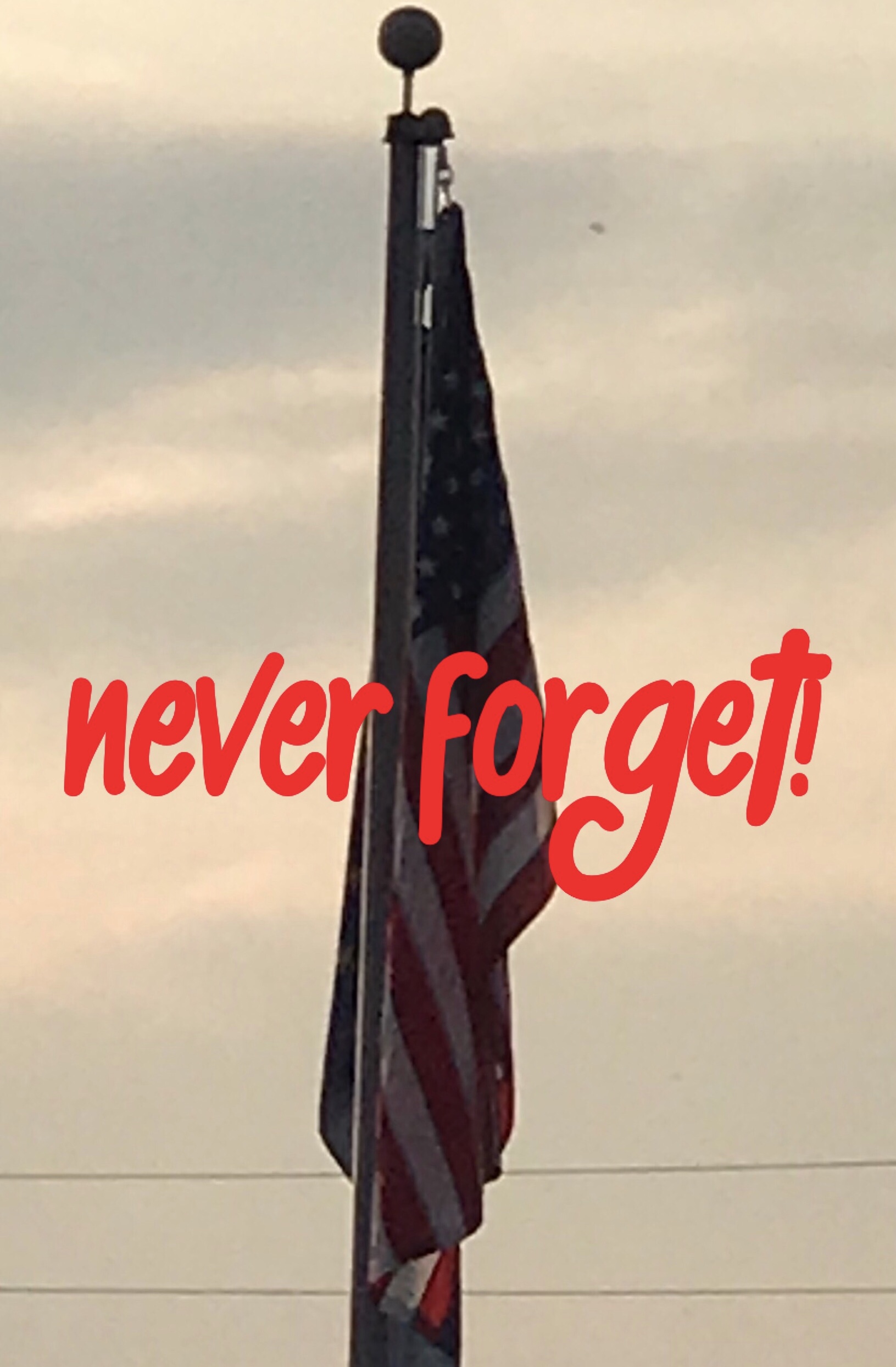 This morning as I reflected on 9/11 I caught myself going to my blog archives. Then I had that moment of “Gosh, I’m an idiot!” because I was not blogging yet in 2001. That short moment of stupidity reminded me just how important my blogging is to me. It is a very personal, yet very public, shared diary of my thoughts and learning. I take my blog posts very seriously because they are something I go back to often for reviewing the learning and experiences I have had. When I think about the “never forget” theme around 9/11, I think about how important written personal accounts are, not only from that day, but from every day.
In fact, just yesterday I was in a meeting discussing some past professional development I conducted and pulled up two past blog posts to answer some questions in detail. I was also amazed that the meeting had begun with a person I was meeting for the first time quoting things from my blog. He had combed through my blog to learn about me.
As I continued to think about 9/11 I realized the events of that day served as a catalyst to the start of the blogging revolution. The days of the citizen journalist were born. We want that first hand account from people who are just like us. I was teaching school on 9/11 and I can still remember a teacher coming over from across the hall to tell me that a plane had hit the World Trade Center. The TV was on in my room as we were watching the morning school news service that did a morning program for students each day. I did switch over to the news and we saw the towers smoking from a distant news camera. At that time the students in this rural school didn’t have cell phones, and if they did, not like the smartphones of today, so there wasn’t any outside communication going on. We switched off the TV and went on with the morning. Of course, I was getting tidbits as the day went on, but it wasn’t until I was on my way home with my son, Heath, who was one year old at the time. He was in the back seat of my truck and as we went past the gas station in Kirklin, Indiana we saw a line of cars that was about 3/4 of a mile long down the highway with people waiting to get gas. It then hit me; this was real. I hadn’t seen panic like this since the energy crisis of the ’70s. It was then I realized that life would never be the same. Life for my son would be very different than it was for me.
That day also changed the way we look at weblogs and citizen journalists. Bloggers were literally writing the first draft of history that day and forever after. That was truly a media revolution. Now we use video logs, or vlogs, in the same way. Can you imagine the first hand experience we would have seen on 9/11 had we had the photo and video capabilities we now have on our phones. We might remember 9/11 with even more iconic images. We might even have a very different understanding of the happenings of that day.
I don’t want us to forget how selfless heroes ran toward danger putting themselves in harms way to help others and how quickly we bounced back from tragedy. I don’t want us to forget the lives lost and the importance of being vigilant against future attacks. I also remember all the American flags flying proudly afterwards. We had them flying on combines and tractors that fall during harvest and for planting the next spring. We were all standing proud and together. Let’s “never forget” that!
I Don’t Want We’ll See!
 Here is my second of 52 posts reflecting on the 52 lessons in David Taylor-Klaus‘ great book Mindset Mondays With DTK: 52 Ways To Rewire Your Thinking and Transform Your Life. The title for Lesson 2 was “Collect Better Evidence” and dealt with our ability to choose. DTK taught us that our limiting beliefs are what limit our possibilities.
“The most difficult thing is the decision to act, the rest is merely tenacity. The fears are paper tigers. You can do anything you decide to do. You can act to change and control your life; and the procedure, the process is its own reward.” – Amelia Earhart
 This reminded me of something I learned from my son, Heath, when he was very young. Yes, I said I learned from him, which was often the case. He would come and ask me about going somewhere, doing something, or buying something and I would give the standard parent cop out statement, “We’ll see.” That did not fly with Heath. He would pop back with, “I don’t want we’ll see!” Once he started doing this it didn’t take long for me to realize these were teachable moments.
When something came up that was a “We’ll see” situation I would sit down and say “Ok Heath, let’s weigh out our options and make the decision right now.” Needless to say, sometimes the decision went in his favor and many times it did not. Bottom line: Heath will tell you his ability to make good and quick decisions and be ok with the results is a result of our “I don’t want we’ll see” moments.
Heath will also tell you that I say, “Let’s do something; even if it is wrong,” a lot. No action is the worst choice of all. I used to tell my students that there are really no bad decisions if you have analyzed all the evidence you have available. Sometimes things just are not going to go the way you want them to.
DTK argues in Lesson 2 that with awareness and practice we can collect better evidence giving us the power to make the choices enabling us to realize our vision. How many times have you said “We’ll see” to a choice you need to make for your own life? The choice is yours. We need to tell ourselves “I don’t want we’ll see!” We need to choose can over can’t and do something.
Lou Brock: Universally Admired
 So many things have directed my thoughts toward baseball ⚾️ this weekend. Yesterday was the 25th anniversary of Cal Ripken Jr.’s becoming Iron Man by playing in his 2,131st consecutive game (I blogged about it in Leading By Availability). Additionally, I’ve been sharing how I love having our family’s cutouts at Great American Ballpark supporting the Cincinnati Reds and the Reds Community Fund.
 Then came the sad news today that Hall of Famer Lou Brock had passed away. He was dubbed the “Steals King” and I always admired his ability to steal bases. Stealing bases is a great metaphor for leadership because to steal bases you can’t be afraid to fail, and you have to take your foot off base and go. Lou Brock was a stolen base specialist.
You can’t be afraid to make errors! You can’t be afraid to be naked before the crowd, because no one can ever master the game of baseball, or conquer it. You can only challenge it. ~ Lou Brock
In her great piece, HOFer Brock, Former Steals King, Dies at 81, Anne Rogers has quotes from many who described him as a mentor, great ambassador, driven, and universally admired. It was said he could light up a room when he entered.
Enough said! He taught us leadership when stealing bases and was universally admired. Thank you Lou, for the example you set. You will be missed.
My Labor Day 2020 Wish
 Today will mark the first time I have written a post specifically referencing or honoring Labor Day. Honestly, I believe this might be the first time I have even done anything other than work around the farm (which is always like a holiday for me) on Labor Day. This year, however, we decided to spend the long weekend with my son, Heath, in the Murray, Kentucky area near Murray State University, where he attends.
 We have had an absolutely fabulous weekend of fishing on Kentucky Lake, exploring the Land Between The Lakes, attending Mayfield (KY) Trade Days, learning to make pork rinds, having a big fish fry with the Crappie we caught, and making lots of new friends. The best part has been spending time with family around the campfire every night reminiscing and telling stories. While talking late into the night last night, Heath and I got into a discussion over what Labor Day really was all about. Neither of us had really given little or no thought to the origin or intent of the holiday. Of course, we both ended up on our phones and commenced to having a history lesson.
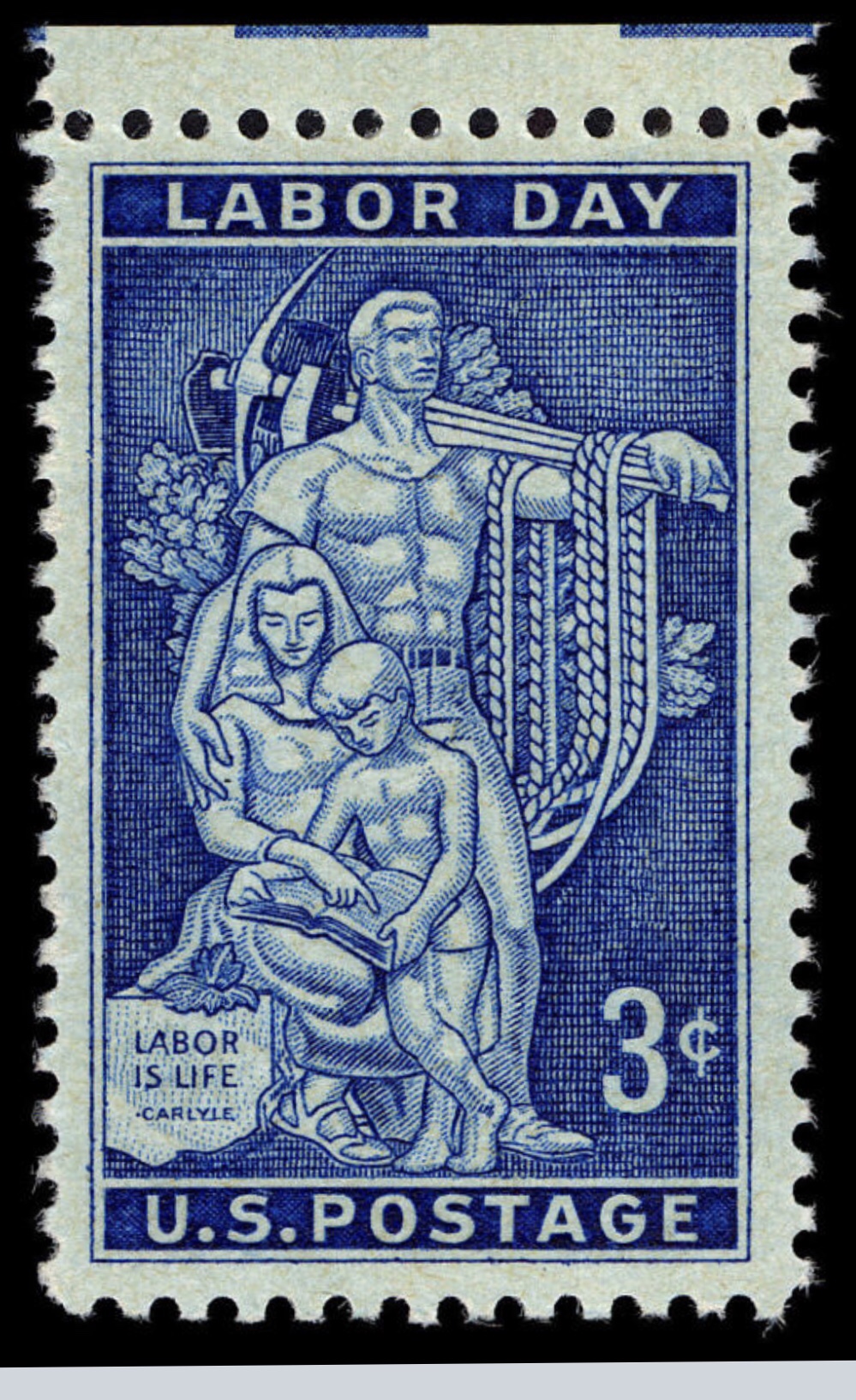
National Postal Museum, Smithsonian Institution
In 1894 President Grover Cleveland signed S. 730 into law making Labor Day a national holiday. From what we could gather, individual states had been celebrating Labor Day in some form or another since 1882. Then between 1887 and 1894, 23 states enacted there own Labor Day holidays. During this time in our countries history we had been experiencing many labor relations issues. These issues culminated with the Pullman Strike that actually stopped traffic west of Chicago. The railway workers actions elevated awareness of a growing need for displaying greater appreciation for American workers. Since that time we have still had labor disputes and there continues, and probably always will, be the ebb and flow between business and labor. Since the first Labor Day, many elected officials have used this day to reach out and connect with the constituents she/he serves.
As a servant leader this day is meaningful in recognizing the incredible contributions of all who have worked very hard to make this country great. I certainly believe we have made great social and economic achievements. My Labor Day 2020 wish is that we would all dedicate ourselves to continue to study our history, not bash it or try to erase it, but learn from it for continued improvement. Today I honor all who have worked so hard making strength, prosperity, and well-being possible in our country.
Leading By Availability
 For an avid baseball fan, today marks the 25th anniversary of a true milestone in baseball’s most revered records. 25 years ago Cal Ripken Jr. surpassed Lou Gehrig’s record of playing in 2,130 straight games by playing in his 2,131st game. In fact, one of my most valued items in my den is my autographed picture of Cal from that 2,131st game (see featured picture on this post). It was on this day in 1995 in front of a home crowd at Camden Yards hosting the California Angels that he became baseball’s new Iron Man. I had the honor of seeing Cal Ripken Jr. play at Camden yards many times with students when I was an agriculture science teacher and FFA advisor because we always took in an Orioles game when either traveling to or home from the National FFA Organization’s Washington Leadership Conference. What a leadership role model my students and I were seeing in Cal Ripken Jr.
To read more of my blog posts featuring inspiration from Cal Ripken Jr. read Learn From The Day! and Luckiest Leaders On Earth!
“It’s widely believed that the most important ability is availability. Cal Ripken Jr. cornered the market on that skill.” ~ Chris Haft
Thus, the title of today’s post: Availability. The title and topic were inspired by a great piece by Chris Haft, MLB.com. He started his piece, Cal Ripken Jr.’s Top 10 Career Highlights, with the statement: “It’s widely believed that the most important ability is availability. Cal Ripken Jr. cornered the market on that skill.” How true! Being available is really the ultimate thing any leader can be. By always, literally, being available he was able to provide leadership for the Orioles, be a role model for the players in his team, be a mentor for the players on his team, and be a role model and inspiration to all his fans, young and old. What an example of work ethic.
Availability is crucial. It is important for people to know they have personal access to their leaders. Every game his teammates new he would be working right alongside them. We need to be the leader that builds relationships by being available. Thanks Cal for setting the example for us and the bar high.
 Byron's Babbles
2 comments