Human Beings

I sat down this evening after a full day of working in the barn and flipped on the television to Tour of Duty. It was Season 3 Episode 40 (1989). MACV-SOG Colonel Brewster (Carl Weathers) yelled at a general telling him, “We must remember these solders are human beings.” This was a powerful reminder that everyone in our organizations are human beings. As leaders, it is important to remember that those we serve are human beings because it helps us maintain empathy, understanding, and respect towards them. Recognizing their humanity reminds us that they have their own thoughts, emotions, strengths, weaknesses, and individual experiences that shape their perspectives and actions.
By acknowledging their humanity, we can foster a sense of connection, trust, and inclusivity within our relationships and teams. It allows us to approach leadership with compassion, patience, and fairness, understanding that everyone makes mistakes and faces challenges.
Moreover, understanding the human aspect of those we lead enables us to create a supportive and nurturing environment that promotes personal growth, well-being, and overall success. By considering their needs, aspirations, and limitations, we can tailor our leadership approach to help them thrive and reach their full potential.
Ultimately, remembering that those we serve are human beings helps us build strong and meaningful connections, enhances teamwork, and promotes a positive and inclusive work culture.
I Want It All

I heard someone this week make the comment, “I want it all.” Have you ever made that comment? I have. This is kind of like “having your cake and eating it too.” The context that this comment was made was by a person asking for a list of department needs. As I listened to the discussion, I thought to myself, “There’s nothing wrong with wanting it all as long as you can reconcile what all is.” In the case here, the questions would be, is this list exhaustive; are all items going to have an impact on performance; or even, why do you want it all? Sometimes it’s important to consider the bigger picture and think about how what we are wanting/needing may affect the whole organization. The important thing is to be aware of the potential impact and be prepared to handle it responsibly. In other words, we need to reconcile what all is.
This wanting it all goes far beyond the example I gave. What if Jeff Bezos had been happy with just selling books out of his garage? For one thing, I would have been able to order supplies for my next workshop and had them the next day. He wants it all – and he continues to define what all is. What if Steve Jobs would have been okay with everyone having a bag phone? He really did want us to have it all in the palm of our hand! By the way, if you don’t know what a bag phone is – Google it. The great leaders never settle.
Wanting it all involves moving to higher heights, seeking out more people to help, more innovation to develop, or more possibilities to discover. We do, however, need to reconcile what all is and consider what having it all will entail. There will be possible/probable trade-offs, sacrifices, and costs associated with having it all. Which, maybe begs the question of whether we really can ever really have it all. I’ll leave that question to ponder another day. In the meantime, I am glad there are leaders who want it all.
The Revitalized and Rejuvenated Leader

Yesterday I had a reminder to embrace a greater appreciation for the natural world and the importance of nurturing and caring for living things. I came home yesterday from spending a couple of days moving my son from college to his new home in Owensboro, Kentucky. When I got home, we were still in our spring drought of now 30 days with no rain (we are finally getting rain today), and two of our plants that hang on the light post were all shriveled up and looked dead. I quickly got the water hose and watered them. This morning they had made a miraculous recovery. One of them even had a couple of new blooms. I was amazed. Seeing the plants revived and thriving again was incredibly satisfying. Bringing a container plant back like this is never a sure thing, but if there is life in the roots, there is a chance to save the plant.
Sometimes the people we serve get like my plants and need rejuvenated. Helping to reinvigorate their life and bring them a sense of purpose and fulfillment is very important. One thing we can do is remind team members of the value they bring to the organization. If team members are in need of rejuvenation, as a leader we can revitalization and rejuvenate them. I’ll bet you have individual you serve that needs nurturing and care.
Reigniting Our Passion

Last evening while facilitating a kickoff of our National FFA Teacher Ambassador trainings, we had teachers discussing needing to regain the “spark” and a desire for networking. I’m excited about this because building relationships are key to keeping our “spark.” By meeting new people and building genuine relationships, you can find support, inspiration, and new ideas that can reignite our passion for our work. Additionally, networking/relationship building can give us access to valuable resources and connections that can help us be successful and regain our spark.
Another great thing about developing new friends is that sometimes they can become mentors to us. Having friends who are also mentors can be incredibly valuable. They know us personally and can provide honest feedback, guidance, and support that is tailored to our individual needs and goals. Plus, they are invested in our success and will often go above and beyond to help us achieve our objectives.
Nautical Bluffers

Samuel Eliot Morison wrote about “nautical bluffers” in Admiral of the Ocean Sea: A Life of Christopher Columbus. He was speaking of sailors who showed a false air of confidence, particularly in high risk situations. These individuals would fake their knowledge of sailing or cover up their fear. These nautical bluffers, who still exist today, can teach leaders the importance of honesty and authenticity. Bluffing, in reality, has the opposite affect of being vulnerable. We need to be honest about our own fears and limitations and seek help when needed. Being authentic and vulnerable will more likely to earn us the trust and respect of those we serve.

Additionally, leaders can learn from the mistakes of nautical bluffers by recognizing the importance of continuous learning and skill development in order to maintain their credibility and expertise. This modeling of lifelong learning and personal growth can also be empowering to all those around you. Do you remember a time when a leader’s willingness to admit their lack of knowledge led to a positive outcome?
Fortune Favors The Brave

A couple of weeks ago I had the opportunity to go aboard and explore the museum ship, Pinta. It is an replica of the ship on which Columbus sailed across the Atlantic on his three voyages of discovery to the new world beginning in 1492. In fact, Rodrigo de Triana was the first to see land aboard the caravel, Pinta. My visit to this floating museum inspired me to do a more in-depth study of Christopher Columbus. I asked the crew members of the Pinta if they had any book recommendations. They did and recommended Columbus’ own journals and Admiral of the Ocean Sea: A Life of Christopher Columbus by Samuel Eliot Morison. I am reading the latter now and it is incredible. In my reading this morning, Morison wrote, “Fortune always favors the brave,” meaning that those who are willing to take risks and be courageous in their actions are more likely to be successful and receive good fortune.

Furthermore, fortune favoring the brave suggests that being bold and decisive can lead to positive outcomes and opportunities. Fortune, here, encompasses so much more than just a financial trope. Sure, this phrase “Fortune always favors the brave” can refer monetary gain, which did happen for those involved in Columbus’ voyages of discovery, but it can also apply to personal growth, relationships, and other aspects of life where taking risks and being courageous is important for achieving success and fulfillment. Ultimately, it emphasizes the importance of being proactive, confident, and willing to take on challenges in order to be significant in our lives of leadership.
Vulnerability
I have been discussion vulnerability a lot lately. In other words not faking it. I have written in these posts before just how much I hate the phrase, “Fake it till you make it.” Sorry to break it to those so called leaders who I hear saying this – it cannot be done. This is where vulnerability comes in. Great leaders are vulnerable and don’t mind modeling when they don’t know how to do something or don’t know the answer. I have added “being vulnerable” to my core values. Just what does it mean to be vulnerable? For me it is about letting others see the real me. It is being and showing who I am, what I know, and what I don’t know. Way back in the early days of my teaching career I had professors and others that would say, “Don’t ever let your students know you don’t know an answer.” Stupid advice! Once again, you can’t fake it…your students will know. And, let me tell you, some of the greatest lessons and days in class were when something happened in a lab and the students would ask why and I would have to say, “I have no clue.” Then we would proceed to discovering the answer together. It was incredible.
So, don’t underestimate vulnerability as an important leadership trait. Being vulnerable helps us develop trust and true connections with those we serve. We become more approachable when we are willing to share our own struggles and challenges. What steps are you taking to cultivate vulnerability within yourself and your organizations?
Being Reflective

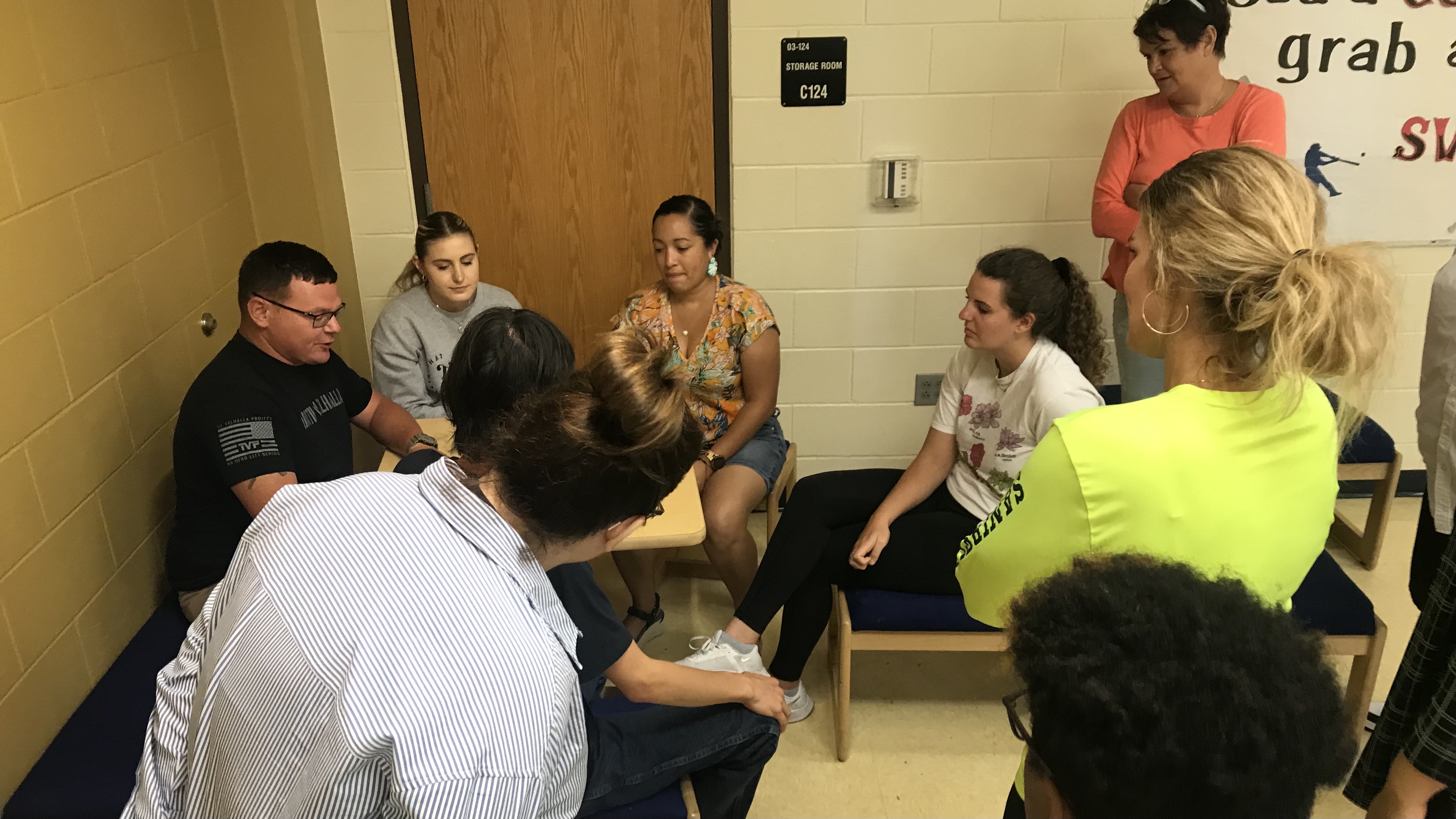
Self-awareness requires reflection. I am a very reflective person and believe in providing space for those I serve to do that reflection. Today I was doing professional development for Charlotte County Public Schools at the 2023 Summer Education Summit in Punta Gorda, Florida. In this morning’s session entitled “Self Care for Educators” I did an activity with temporary tattoos. One of the participants made a profound statement about where she placed her tattoo – at the base of her neck (see photo). She said, “I placed it there because the only way I can see it is in a reflection and this reminds me that to be self aware I need to be reflective.” Drop the microphone! 🎤 We then discussed that reflection involves taking a step back and examining one’s thoughts, feelings, and actions in order to gain a deeper understanding of oneself.
Furthermore, reflection can help us identify patterns and habits that may be holding us back or causing us problems. It can also help us recognize our strengths and values, which can guide us in making important decisions and pursuing our goals. Reflection is all about learning. We must curate the actions in our past to move into the future. Are you taking time to reflect?
Making Everything Into An Adventure
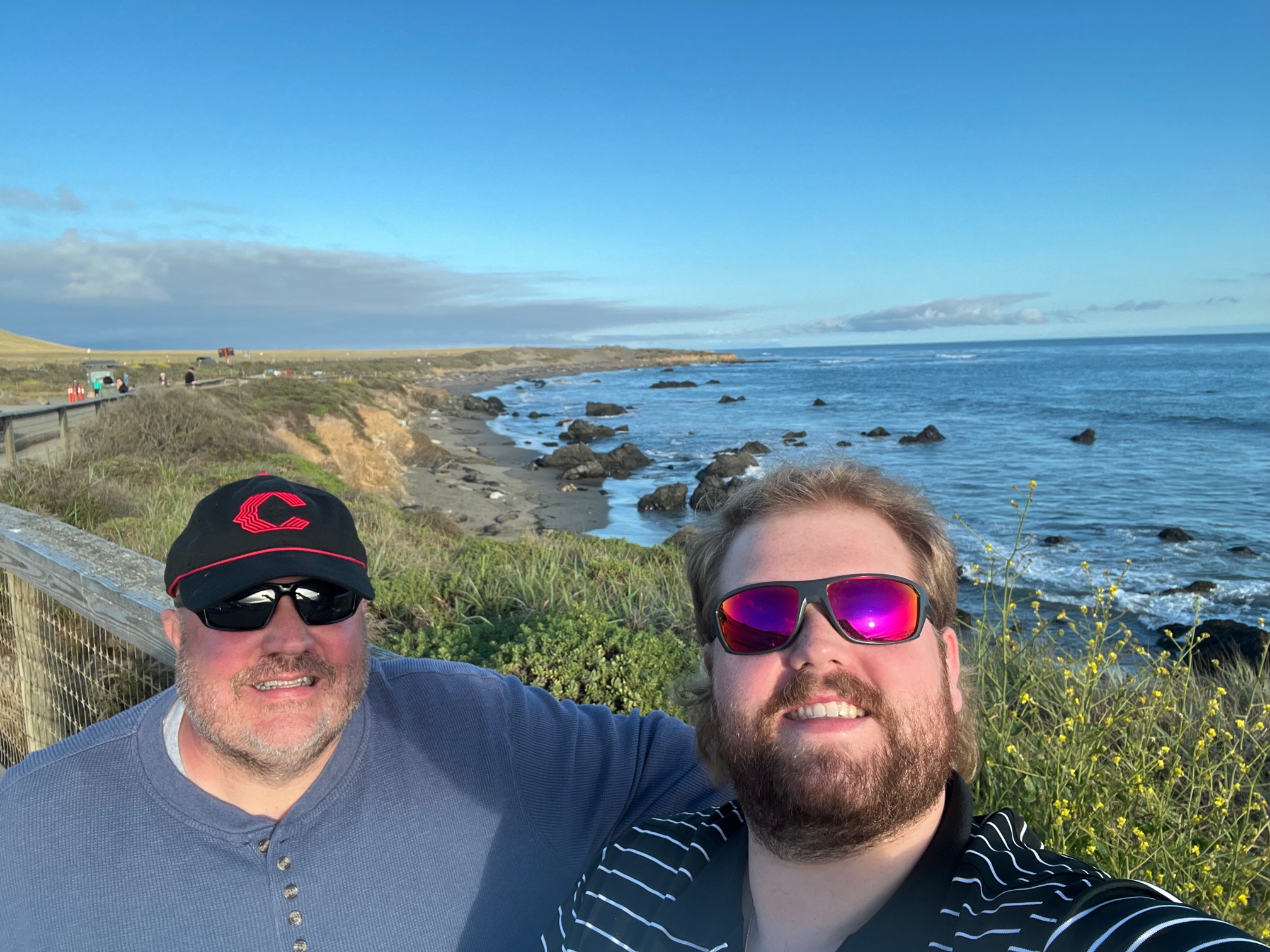
“That was the thing with Bridie, everything that was a market run or errand was not; it was an adventure.” I loved this line in The Secret Book of Flora Lea by Patti Callahan Henry Don’t you just love that person that makes everything into an adventure? Bridie Aberdeen was that person to Hazel and Flora. I really try to be that person. Even when driving my son home from school when he was younger we tried to make it into an adventure – like who could find the most John Deere tractors working in the field. It has often been said of me, “With Byron, everything is an event.” Guilty! And I am proud of it. This past week I had the opportunity to have my son travel with me to California to visit a very close friend and mentor with dementia. Everything we did on this trip was an adventure, from picking fresh avocados to fishing in the Pacific Ocean to doing wine tastings, and everything in between. The thing is that every single thing we did was an adventure. And, amazingly, with every adventure my friend remembered things from the past – places we had been together, things we had done, adventures we had taken 15-20 years ago. Also, my son had not been to Atascadero, California in several years and this trip brought back memories for him of things he had forgotten from being so young at the time. So many times we get so caught up in the day to day grind that we forget to enjoy the journey. If you think about it, it does not take any extra time to make all the things we do into adventures. Those adventures also build family and friendship bonds and memories that even dementia, in the case of my friend and mentor, could fully extinguish.
So, can everything be made into an adventure? I believe so. It’s really a mindset thing. The key is to find ways to infuse creativity, curiosity, and a willingness to take calculated risks into your daily life.
Surface Level Career Versus Deep Level Career

You all know I am the farm kid that loves rock music. You also know I love studying rock musicians, their art, and their leadership. This past week I had the chance to hear the awesome Shannon Gunz, of Sirius XM Octane, interview Josh Katz from the band, Badflower. The interview took place at Welcome To Rockville held May 18-21, 2023 in Daytona, Florida at Daytona International Speedway. He made an interesting distinction about coming out of the pandemic and wanting to make sure he was still cultivating an environment where people thrive, innovation flourishes and progress is achieved. He talked about his message feeling different. Another profound statement he made was about the distinction between a surface level career versus something really deep. Josh wanted to make sure the art that the band was turning out and the message was impactful (deep). This caused me to spend time pondering this shallow versus deep career.
As a person who has spent my entire life in the education arena, I’ve been blessed to be in a deep career. I believe having a deep career means that we are passionate about our work and deeply invested in it. We have a sense of purpose and fulfillment in our job beyond just earning a paycheck. Really, the deepness takes it beyond a job. On the other hand, a surface-level career is one that may provide financial stability but lacks personal fulfillment or passion. It’s important to find a balance that allows us to feel both satisfied in your career and financially stable. I appreciated Josh discussing wanting to make sure that their work took them into the deep career realm. How about you? Are you doing something really deep?
 Byron's Babbles
leave a comment