Nautical Bluffers

Samuel Eliot Morison wrote about “nautical bluffers” in Admiral of the Ocean Sea: A Life of Christopher Columbus. He was speaking of sailors who showed a false air of confidence, particularly in high risk situations. These individuals would fake their knowledge of sailing or cover up their fear. These nautical bluffers, who still exist today, can teach leaders the importance of honesty and authenticity. Bluffing, in reality, has the opposite affect of being vulnerable. We need to be honest about our own fears and limitations and seek help when needed. Being authentic and vulnerable will more likely to earn us the trust and respect of those we serve.

Additionally, leaders can learn from the mistakes of nautical bluffers by recognizing the importance of continuous learning and skill development in order to maintain their credibility and expertise. This modeling of lifelong learning and personal growth can also be empowering to all those around you. Do you remember a time when a leader’s willingness to admit their lack of knowledge led to a positive outcome?
Vulnerability
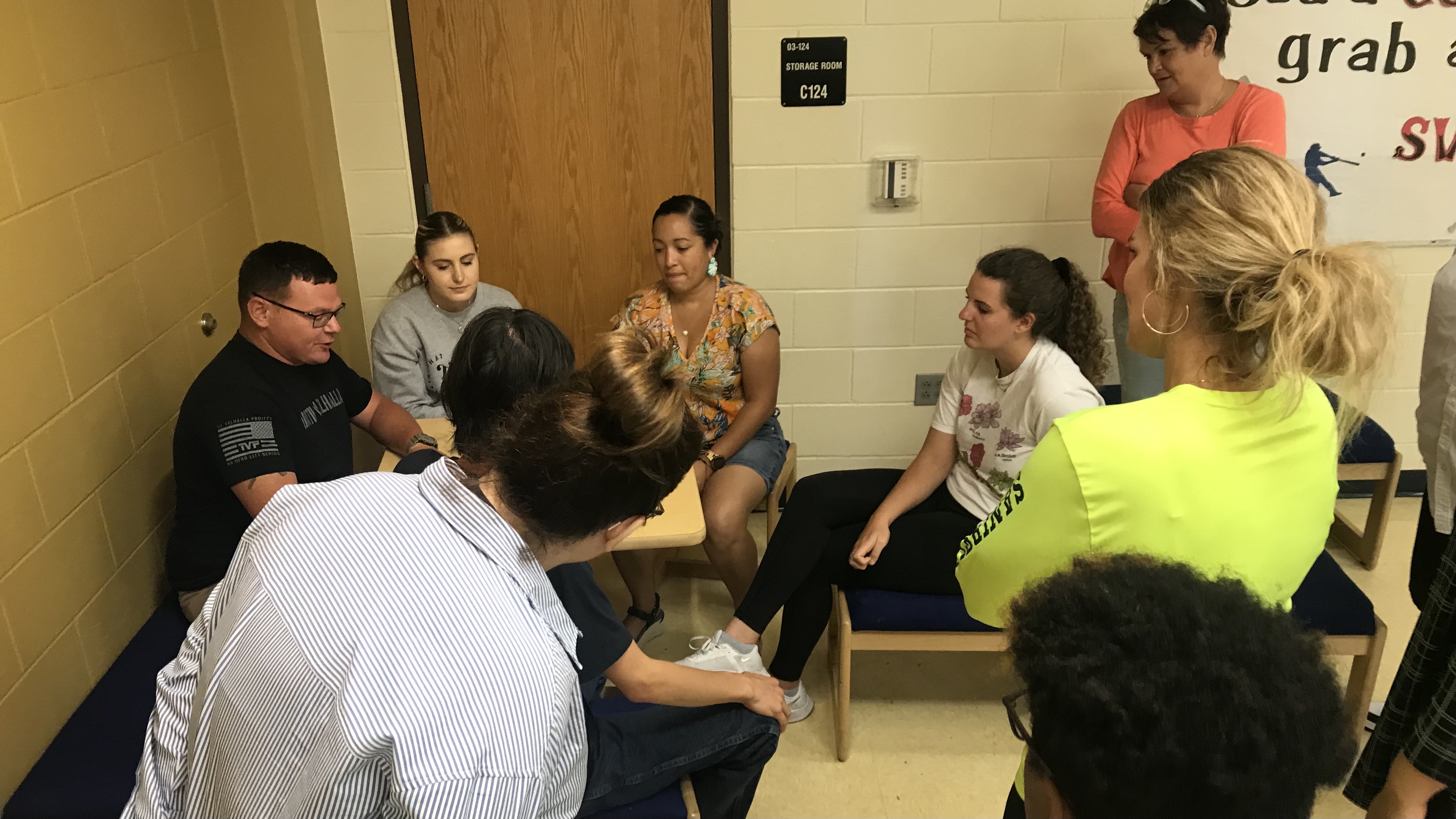
I have been discussion vulnerability a lot lately. In other words not faking it. I have written in these posts before just how much I hate the phrase, “Fake it till you make it.” Sorry to break it to those so called leaders who I hear saying this – it cannot be done. This is where vulnerability comes in. Great leaders are vulnerable and don’t mind modeling when they don’t know how to do something or don’t know the answer. I have added “being vulnerable” to my core values. Just what does it mean to be vulnerable? For me it is about letting others see the real me. It is being and showing who I am, what I know, and what I don’t know. Way back in the early days of my teaching career I had professors and others that would say, “Don’t ever let your students know you don’t know an answer.” Stupid advice! Once again, you can’t fake it…your students will know. And, let me tell you, some of the greatest lessons and days in class were when something happened in a lab and the students would ask why and I would have to say, “I have no clue.” Then we would proceed to discovering the answer together. It was incredible.
So, don’t underestimate vulnerability as an important leadership trait. Being vulnerable helps us develop trust and true connections with those we serve. We become more approachable when we are willing to share our own struggles and challenges. What steps are you taking to cultivate vulnerability within yourself and your organizations?
 Byron's Babbles
leave a comment