Genius Needs Passion

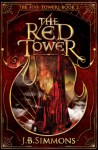
I’m working through more of my study notes from the great novel I finished last week, The Red Tower, by J. B. Simmons. This is the second book in The Five Towers series and “passion” was the theme in the Red Tower. Another quote from the book that caused me to think deeply was Cipher’s comment of, “I still like Blue, but it is cold. Genius needs Passion—otherwise I’m the doctor who’s always better than others, seeing them as tools. But Passion needs something else to control it—otherwise I’m with Samantha, fueling fires that should never be lit.” You probably caught it, but the Blue Towers theme was “genius.” Passion can be a powerful force in channeling genius by providing direction and purpose.
When someone possesses a unique talent or intellect—often referred to as “genius”—it can lead to ideas and creativity that are boundless. However, without passion, that genius may lack focus and become chaotic or overwhelming.
Here’s how passion helps keep genius under control:
- Focus: Passion allows us to concentrate our energy on specific goals or projects, enabling us to hone our skills rather than spreading ourself too thin across many interests.
- Motivation: A strong passion can drive persistent effort and dedication, helping us push through challenges and stay committed to our pursuits, ensuring that our genius is expressed through accomplished work rather than fleeting ideas. In his life before the towers, Cipher had let his genius as a doctor be overtaken by his ambition to recognized as “god-like” in his abilities. He was letting ambition drive his genius and purpose.
- Resilience: Passion can provide the emotional strength to overcome failures and setbacks. This resilience ensures that genius is not easily discouraged and can continue to evolve and adapt over time.
- Guidance: Passion along with our purpose acts as a compass, guiding decisions and actions. When individuals are passionate about a particular subject or field, we are more likely to seek knowledge, mentorship, and experiences that enrich our understanding and skills. This guidance should also help to keep us from falling into the ambition trap that Cipher had.
- Impact: When genius is fueled by passion, it often leads to work that resonates with us on an emotional level. This connection can amplify the impact of the genius, creating works that inspire, motivate, or even transform lives.
In essence, passion serves to channel genius into meaningful, impactful actions, ensuring that talents are utilized effectively and productively.
Navigating the Landscape of Fairness: Balancing Universal Principles and Individual Experiences

I posted on social media this morning that I had an author to add to my favorite author list. It is J. B. Simmons. He is the author of The Five Towers series. I am finishing up the first in the series, The Blue Tower, right now. INCREDIBLE! I have learned that Simmons’ fantasy writing, that includes history and faith, is influenced by C. S. Lewis and J. R. R. Tolkien. I have pages of notes from reading The Blue Tower. One of the quotes from the book that I pondered on, studied, and now blog about was, “Fair…” Abram sighs. “Fair is a misused word. You can only know fairness if you know everything, which none of us do” (p. 123). Simmons uses Abram’s statement to convey a profound truth about the nature of fairness. The idea is that fairness is a complex concept that requires a comprehensive understanding of all circumstances and perspectives involved in a situation. Since no individual possesses complete knowledge of every aspect or the experiences of others, true fairness can be elusive.
“As we mingle with others, let us be diligent in labor, just in our dealings, courteous to everyone, and, above all, honest and fair in the game of life.” ~ Official Closing Ceremonies of an FFA Meeting

This statement prompts a reflection on how we often judge situations based on our limited viewpoints. It suggests that the more we acknowledge our limitations in perspective, the more compassionate and understanding we can be towards others. It encourages readers to consider the nuances of human experience and the importance of empathy in our judgments.
I have to admit, I have always taken a more objective view of fairness. C. S. Lewis addressed the concept of fairness in The Abolition of Man, where he discussed the importance of objective morality and natural law. He emphasized that fairness and justice are rooted in these universal principles rather than subjective human opinions.
Additionally, in Mere Christianity, Lewis explored the idea of fairness in the context of Christian ethics, discussing how moral behavior relates to our obligations to others and the idea of treating people with respect and dignity. Which, without spoiling the book for you, is part of what The Tower Series is about – showing individuals how they have made mistakes and mistreated others. Both J. B. Simmons and C.S. Lewis offer us valuable insights into fairness from different angles.
The view of fairness in The Blue Tower as subjective emphasized the importance of individual experiences and cultural context in determining what is fair. This approach encourages us to consider the unique circumstances of each person or community when making decisions.
On the other hand, Lewis’ perspective, which roots fairness in universal principles, suggested that there are objective standards of right and wrong that apply to all people, regardless of context. This can provide a solid foundation for ethical behavior, ensuring that we uphold certain values consistently.
Bringing these two views together can create a more nuanced approach to fairness. By acknowledging the subjective aspects of fairness—understanding that people’s perceptions and experiences shape their understanding of what is fair—we can be more empathetic and considerate in our dealings with others. At the same time, grounding our actions in universal principles ensures that we maintain a consistent moral framework.
This all highlights the need for creating spaces for open conversations about fairness, where different viewpoints can be expressed and reconciled.
 Byron's Babbles
leave a comment