Leading By Being Accessible
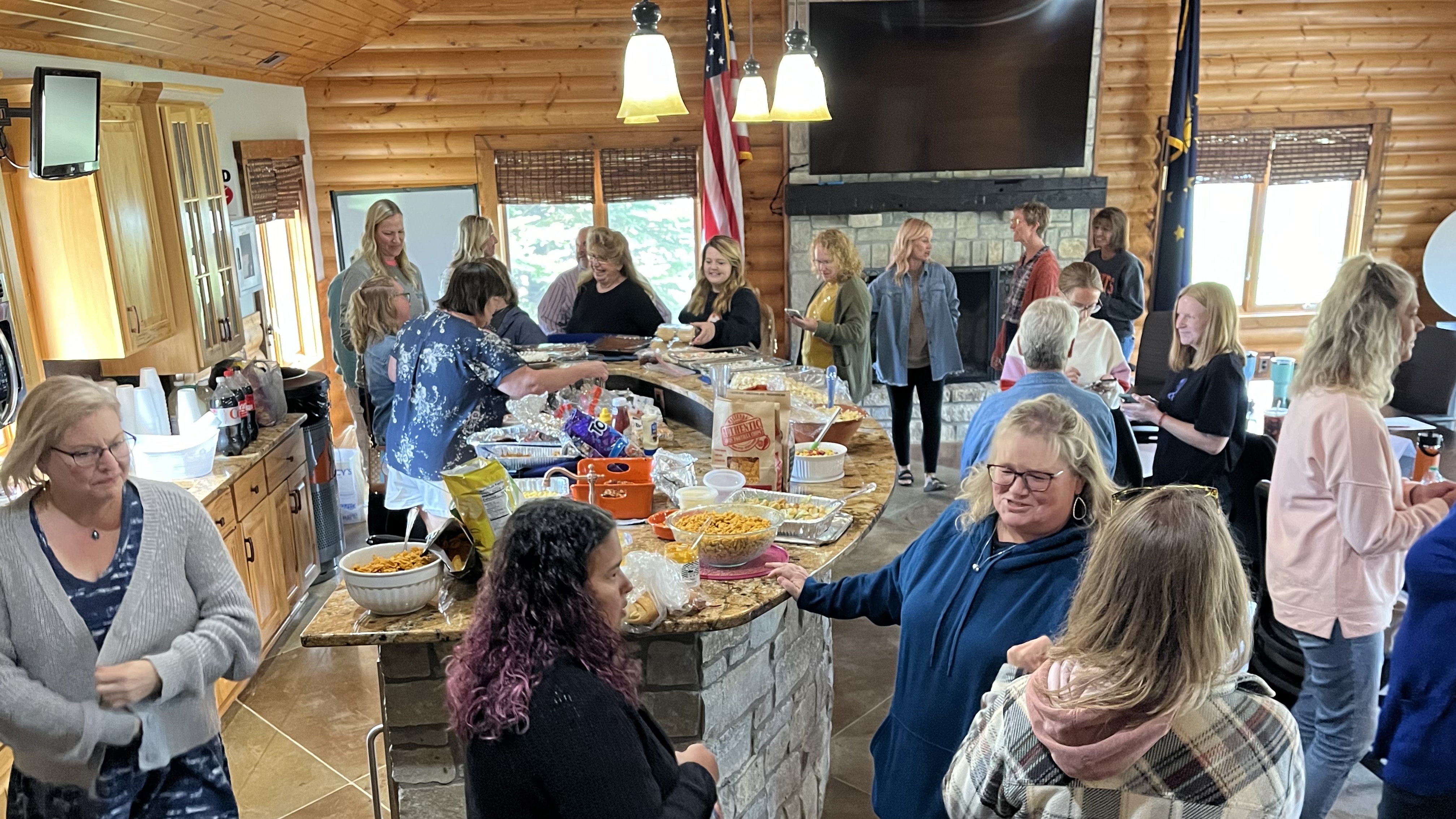
We had an incredible leadership development gathering of THE Leadership Academy Hamilton Heights School Corporation participants this past weekend. Included with this was a “family” reunion of sorts with participants from all four cohorts of the program. Needless to say, it was incredible and affirmed the principle of andragogy (method and practice of teaching adult learners) that adult learners want to learn in a cohort. I also employ heuristic learning practices that pull great vital things out of the learning. One of our incredible up and coming leaders and third year teacher, Audrey Summers, made a point that became the word of the day – AVAILABLE.
Her point was we talk a lot about being present and visible as leaders, but what we really need is leaders who are available and accessible. While being present and visible are crucial for leaders to connect with their teams, being available and accessible plays an even more vital role. She shared how important it had been in her first years of teaching for her department head and entire social studies team to be available to her. When leaders are available and accessible, they create an open environment where team members feel comfortable sharing ideas, concerns, and feedback. This openness fosters trust and collaboration, allowing everyone to contribute to the team’s success. Accessibility also helps leaders understand the needs of their team better, enabling them to provide support and guidance effectively.
It was amazing to learn from Audrey (what I call a reverse mentoring moment) about her views of being present. It so much more than just saying we have an open door policy. Ever noticed that most that say that really do not? It is about really being accessible and available to access us for questions, ideas, and concerns. Think about it. Sometimes all we need is to talk to someone. Leadership access is about creating an environment where communication flows freely and everyone is valued and heard. As leaders, we need to make a habit of making ourselves available and accessible to those we serve to see how they are doing, both professionally and personally. I shared with the group something that happened organically that we called Fireside Chats when I was principal of Emmerich Manual High School. It was one of my favorite parts of the day and made everyone accessible.
We all need to continually work at being accessible and look for those moments where we can encourage our team members to share thoughts, ideas, and learn what they are needing. What are your thoughts on how leaders can enhance their availability and accessibility?
Reverse Mentorships Revisited

I’m not sure where I would be without the incredible mentoring I have had over the years from students, yes you heard me right, and those younger and less experienced than me. I was reminded of this during a discussion where a teacher with 20 years experience was thanking a second year teacher for all she had learned from him. This mentoring extended far beyond the typical reverse mentoring of sharing knowledge about technology. The mentoring that was discussed in this conversation was about mentor on various topics of teaching strategies and cultural relevance.
Cara Dune: Take care of this little one.
Greef Karga: Or maybe, it’ll take care of you.
From The Mandalorian – Season 1 Episode 8: ‘Chapter 8: ‘Redemption’ (1×08) | Produced by Lucasfilm
The cool part about this organic mentoring relationship was that is was not a one way street. There were opportunities to exchange ideas, and even inspire one another. The beauty is that we know there are skills gaps on both sides, and that each person can address their weaknesses with the help of the other’s strengths. What’s interesting about these reverse mentorships beyond the incredible exchange of skills, knowledge, and understanding, there are great relationships and friendships created. Check out my very first blog about this in Reverse Mentoring. Bridging generational and hierarchical gaps to improve communication are important things that can happen. So, if you want to foster a more inclusive culture that values the contributions of all employees, and increase engagement and collaboration multiple generations, encourage more reverse mentorships.
 Byron's Babbles
leave a comment