Taking Relationships Beyond Surface Level

I had a person this past week tell me that he appreciated that I always worked hard at taking relationships beyond the surface level. This comment caused me to instantly reflect on the person making the comment and our relationship. We do have a meaningful bond built on genuine care, respect, and emotional investment. We have open, honest, and vulnerable communication. And we feel safe to express our thoughts and feelings to each other.
Contrast this with transactional relationships that tend to focus on specific exchanges or benefits, where each party is primarily concerned with what can be gained from the interaction. One reason I believe I was so grateful to the person making the comment is that I value those deeper connections. Early in my career I was much more transactional with my professional relationships. Looking back, however, those relationships that went beyond surface level are the ones that have impacted me most.
Relationships matter. Relationship that go beyond surface level are built on a solid foundation of trust and mutual understanding. Those deeper connections provide emotional fulfillment and satisfaction that transcends mere service or reciprocity. The deeper the relationship the more authentic and vulnerable we become. In both personal and professional relationships building trust takes time and consistency. Being reliable, honest, and supportive fosters a safe space for relationships to deepen.
It is easy to get caught up in transactional relationships, but it is when we take the steps to deepen the relationship beyond the surface level we find emotional fulfillment and satisfaction that transcends mere service or reciprocity.
Discovering Stockyards City: A Journey in Relationship Building Through History, Culture, and Cowboy Charm

I pride myself on being the person who finds the cool places to go when coming into a city or state as a visitor. This past week I was in Oklahoma City, Oklahoma for ExcelinEd’s National Summit on Education. I must first say that Oklahoma City far exceeded my expectations. The people are super friendly and there are lots of cool things to see. The coolest, however, was historic Stockyards City, Oklahoma. Luckily I saw a sign for it as my Uber was delivering me to my hotel. Farm kid that I am, with the word stockyards I was in.
Historic Stockyards City, Oklahoma, is a vibrant district that proudly showcases its rich heritage as a hub of cattle trading and ranching. Established in the late 19th century, it became a central site for the livestock industry, particularly with the opening of the Oklahoma City Stockyards in 1910. The area is renowned for its iconic structures, including the impressive Livestock Exchange Building and the famous Stockyards City Main Street, lined with Western shops, restaurants, and museums. Highlights include the annual “World’s Largest Stocker and Feeder Cattle Auction,” which attracts buyers and sellers from across the country, as well as the historic rodeo events that celebrate cowboy culture. Today, Stockyards City remains a lively destination, drawing visitors eager to experience its unique blend of history, culture, and Western charm. In fact there are cattle auctions at the stockyards each Monday and Tuesday.

I still haven’t told you the best part of Stockyards City yet that was also founded in 1910 – Cattlemen’s Steakhouse. Originally, in 1910, it was called the Cattlemen’s Cafe. As soon as I saw this on the web, I knew I had to go! I ended up going twice!!! The first time, a group of us were leaving an early evening event and one of our department of education team members said, “I really need to get something to eat.” I said, “I’ve got just the place.” Off we went.

It was awesome! We had the most incredible server ever who really understood what the customer experience is all about. She told us all about the food, she told us how the food was prepared, gave us recommendations, and gave us a full history lesson – such as that the original owner lost the restaurant in a 🎲 dice roll. True story. We had to have the famous Lamb Fries (I’ll let you click and find out what they are, if you don’t know). Our server put the history into perspective when she explained they were still using the same Lamb Fry recipe as when they opened in 1910. She then went on to tell us that was two years before the Titanic sunk in 1912. We were having the time of our lives!
Needless to say; after everyone heard of our incredible experience, there was a group of my home state peeps that wanted to go the next night. They invited me to go with them. There were other events I maybe should have gone to, but it seemed really important to spend time building relationships with this group. So I did and the group became 15.

Before I get to the real topic of this post (I know. It has taken a while) I need to say that our server the second night was the granddaughter of our server the night before. She was awesome, too! We had an incredible time and one person said to me, “I am so glad I finally got to hang out with you.” Then she texted me when I was on my way home and said, “Thanks for adding some fun to the week.” I so appreciated that! I like being that person who adds fun, smiles, and laughter to others’ lives.

Relationships are so important and I am so glad I practiced what I preach and decided to go with the group. Going to dinner can be a great way for building relationships for several reasons:
- Face-to-Face Interaction: Dining together provides an opportunity for personal, face-to-face interaction, which fosters deeper connections and understanding compared to virtual communication.
- Creating a Comfortable Atmosphere: A relaxed setting, like a restaurant, particularly when you’re eating Lamb Fries, can help people feel more comfortable and open, encouraging honest conversations and sharing of experiences.
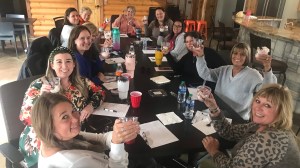
- Shared Experience: Sharing a meal creates a communal experience that can strengthen bonds. It allows for the creation of shared memories, which are essential for relationship building. And let me tell you, we have shared memories. Check out the photos for proof.
- Opportunities for Conversation: Meals often last long enough to allow for meaningful dialogue. This time together can be used to learn more about each other’s values, interests, and backgrounds.
- Cultural Significance: In many cultures, dining together is seen as a significant social activity. It can symbolize trust and camaraderie.
- Non-Verbal Communication: During dinner, body language and non-verbal cues play a huge role in communication, allowing people to connect on a deeper emotional level.
- Networking Opportunities: In professional contexts, dinner can facilitate networking and collaboration in a more casual environment, helping to establish rapport among colleagues or business partners.
Overall, going to dinner is not just about the food; it’s about nurturing relationships through shared experiences and open communication. I also really believe that historical or iconic restaurants like Cattlemen’s Steakhouse in Stockyards City can serve as fantastic catalyst for relationship building. Here are a few ways they can be leveraged:
- Cultural Experience: These restaurants often have rich histories and unique atmospheres that can spark conversations and connections. Sharing stories about the restaurant’s past or its significance can foster a deeper bond among diners.
- Shared Experience: Dining in a place with a storied reputation can create lasting memories. When colleagues or business partners share experiences in such settings, it can strengthen their rapport and encourage more informal discussions.
- Local Flavor: Emphasizing the local cuisine can also be a great conversation starter. Discussing regional specialties or the history behind certain dishes can lead to engaging dialogues.
- Networking Opportunities: Iconic restaurants often attract influential patrons. This environment can provide opportunities for networking, allowing guests to meet others, potentially leading to beneficial business relationships. A side note here: many of the first year scenes of Tulsa King were filmed close to where we were and Sylvester Stallone who plays portrays Dwight “The General” Manfredi in Tulsa King ate where we were eating 3-4 times per week. As a huge Stallone fan, I thought that was pretty cool.
- Incorporating Themes: For specific events or meetings, you can incorporate the restaurant’s theme into presentations or discussions, further tying the dining experience to the business objectives.
- Creating Traditions: Regularly meeting at a notable restaurant can become a tradition that strengthens personal and professional bonds over time.
I do really try to find the cool and historic places when I travel to other places. It’s also great to find great restaurants when at conferences. We all need to leverage more time for building and maintaining our relationships.
Building Relationships By Understanding and Appreciating
This past week I’ve had the incredible pleasure of being at the World Dairy Expo in Madison, Wisconsin. As you know we raise Jersey dairy show cows and so that is the place to be the first week of October. There will undoubtedly be posts about things I learned and my thoughts about applying what I learned to education, but for now I want to focus on something we (my wife was able to make the trip with me this year) did while in Wisconsin. One of the things I like to do is visit people I work with in the “real job” part of my life. I always say if I am within three hours of visiting someone I work with, I’m going.
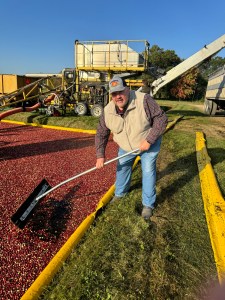
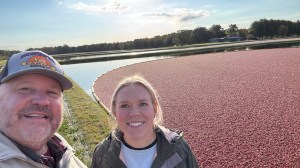
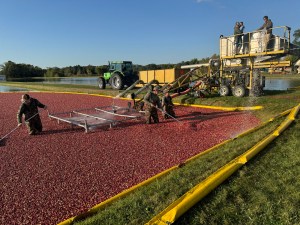
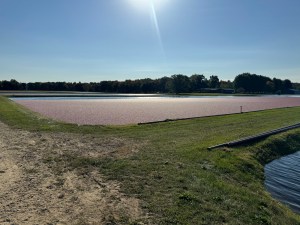
I stayed true to this yesterday. We went up to Tomah, Wisconsin to visit a National FFA Mentor Teacher Ambassador I have the honor of working with in the work I do with the National FFA Organization. We spent the day with Emma Huber who teaches agriculture at Portage Community School District. Emma’s family has a cranberry marsh (farm). Before yesterday, I knew nothing about cranberry production/harvesting. This was the weekend for harvesting the cranberries and my wife and I were able to spend the day taking part in all the operations associated with harvesting cranberries. It was actually quite the family affair, with family members coming from other states to take part. We also learned all about cranberry production. Needless to say, it was a glorious day, I learned A LOT, and we got to know Emma, her husband Josh, Emma’s mom, and the rest of the family and friends.
I love days like yesterday! As a curious learner and person who believes that relationships trump all – yesterday was truly was, as I said earlier, glorious. I have had the opportunity to visit several of the Teacher Ambassadors on their home turf or in their schools. This is important to me and one of my core values, “Listen, Hear, Learn, & strive to be better.” This is part of what I call “loving” those we serve. To be loved we must be understood and appreciated. I blogged about the line, “There is no point in being loved if you are not understood…And once loved and understood to be appreciated.” in The Life Impossible by Matt Haig in Living In Our Own Context.
Visiting those we serve in their home work or personal interest environments can offer substantial value to our relationships. In other words, getting to know them on a personal level. Here are some key benefits:
- Building Trust and Rapport: Meeting people in their own space fosters a deeper connection, showing that we care about them as individuals, not just as colleagues or clients.
- Understanding Context: Home visits provide insight into the circumstances and challenges that our teams or constituents face, enabling us to make more informed decisions and policies. We agriculture teachers understand better than anyone, as ag teachers make regular visits to students as part of their Supervised Agricultural Experience Program. It really is all about building the relationship.
- Gathering Feedback: Engaging directly with those we serve allows for open dialogue and immediate feedback, which can lead to better understanding of needs and expectations.
- Demonstrating Commitment: Our presence in our friends and colleagues’ environments signal that we are committed to supporting them and valuing their input.
- Identifying Opportunities: Being on-site allows us to observe firsthand areas for improvement, innovation, and potential collaboration that might not be visible from a distance.
- Inspiring and Motivating: Seeing how our efforts impact individuals’ lives can reignite our own passion for our work and inspire those we serve.
- Encouraging a Culture of Openness: It sets an example of transparency and approachability, encouraging others in the organization to follow suit.
As a rabid learner and relationship guy, these visits are an important strategy that deepen connections and enhance my effectiveness as a leader. Make no mistake; visiting these ambassadors is a “get to,” not a “have to.” I love it!!!
The Artwork of Stories & Relationships
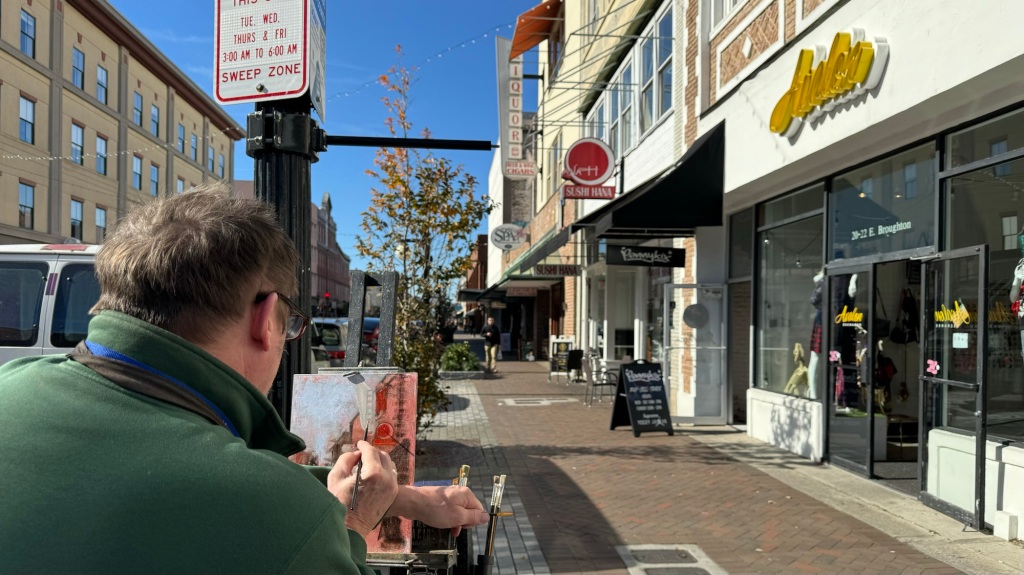
I love the opportunities that chance encounters bring for making new and valuable connections. Last week as we were going into Sushi Hana in Savannah, Georgia for lunch, I noticed an artist painting a streetscape in front of the restaurant. Those of you who know me well, know I can’t resist watching an artist practice their craft. He was just getting started, but I could tell this painting was going to be special (like I really know anything about it). The artist and I exchanged hellos and I told him I liked his work. My family and I went into Sushi Hana’s and ordered and I told them I had to go back out and meet the artist. I met Jeffrey Baumgartner, who coincidentally is from Chicago with Indiana connections. Small world! We immediately connected and he informed me it would take about three hours to complete. I told him I wanted to buy the painting. Then my wife came out and told me I needed to come in and eat. Imagine that!

After lunch I was back out to check the progress of “my” painting. It was coming along nicely and Jeffrey and I talked some more and made a plan for me to call him and 3:00 and see where he was on completing the painting. So, at exactly 3:00 as I stood along the Savannah River, I called my new artist friend back to see how my painting looked. He was just painting his signature on it as I called. Jeffrey told me it looked awesome. So I left my family to explore and climbed those old uneven steps up from River Street with some newfound energy and enthusiasm. Over to Broughton Street to see this exquisite piece of artwork (see photo). It was wonderful and I wanted it.

We agreed on a price then proceeded to talk, laugh, and share stories. Two students from the Savannah College of Art and Design (SCAD) came by who had watched and talked to Jeffrey earlier. He proceeded to give them an art, business, and leadership experience like no college professor could give. This artist was living it. He had driven his van (that he says is a “VanGo,” pun intended) to Savannah, set up in a campground, and was painting a new streetscape every day for a living. If that isn’t a real world and relevant context for teaching I don’t know what is. Not only was he schooling these young and aspiring artists, he was forming relationships. As a believer and teacher of building relationships as the most important leadership trait, I was watching and learning. Jeffrey was a master at it.
As I was complimenting him on his relationship-building prowess he told me that he came from the theater. “It’s all about the story, Byron,” he told me. So true; it is all about the story. I had gotten my painting, made new friends in Jeffrey and the students, and expanding my knowledge in leadership and creating an ideal customer experience. Jeffrey’s ability to connect had made the experience of buying this painting memorable and with a tremendous story.
Being able to build relationships is an important trait to have developed for a painter selling paintings, or any leader for that manner, because it helps in establishing trust and rapport with potential buyers. By building relationships, we can understand the preferences and tastes of our customers, tailor their artworks accordingly, and creating a personalized experience for the buyers. This lesson can also be transferred to all of us as leaders. We are creating experiences for those we serve.
Additionally, building relationships allowed Jeffrey to form a network of loyal clients who most likely will provide repeat business and recommend the artist to others. In Jeffrey’s case, he has a loyal following. This can help in expanding the reach and recognition of the painter’s work.
Moreover, through building relationships, we can also receive feedback and constructive criticism, which can be valuable for growth and improvement. By understanding the needs and desires of our clients and clients and those we serve, can better fulfill their expectations and create artworks that resonate with them.
Overall, being able to build relationships enables a painter to connect with their audience on a deeper level, promote their work effectively, and establish a strong presence in the art market.
Two Heads Are Better Than One

I’ve never heard anyone describe C.S. Lewis as a teacher of leadership, but in the exhaustive study I am doing of him and all his writings I continually find nuggets that are quite genius and related to leadership in some way. Here is one such nugget I found this morning as I finished reading A Mind Awake: An Anthology of C. S. Lewis:
“People were no cleverer then than they are now; they made as many mistakes as we. But not the same mistakes. . . . Two heads are better than one, not because either is infallible, but because they are unlikely to go wrong in the same direction” (p. 290).
C. S. Lewis, reprinted from Introduction to St Athanasius’s The Incarnation of the Word of God in A Mind Awake

I believe we can break this statement down into two parts. Let’s first examine, “People were no cleverer then than they are now; they made as many mistakes as we. But not the same mistakes. . . .” When C.S. Lewis made this statement, he meant throughout history and across different time periods, humans have always possessed the same level of intelligence and made similar numbers of mistakes. However, the nature of these mistakes may differ. Lewis was highlighting the idea that while humans may make different types of mistakes in different eras, the fundamental capacity for error remains constant. This perspective suggests that we can learn from the mistakes of the past and strive to avoid repeating them in the present and future.
Now let’s examine the last part of the statement, “Two heads are than one, not because either is infallible, but because they are unlikely to wrong in the same direction.” Here, Lewis was emphasizing the value of collaboration and different perspectives. He believed that when multiple individuals come together to solve a problem or make a decision, their collective knowledge and diverse viewpoints can help to minimize errors and ensure a more balanced outcome. Rather than relying solely on one person’s judgment, having multiple perspectives can lead to a more comprehensive understanding and contribute to better decision-making overall.
Notice Lewis was promoting ‘collaboration’ long before it was a cool leadership buzz word. Of course, now we realize just how important collaboration is and how important relationships are to successful collaborations. I just blogged about that is Relationships Determine The Creative Outcome.
Relationships Determine The Creative Outcome

Another great statement in the book, The Storyteller: Expanded…Because There’s More To The Story, by Dave Grohl was, “I wholeheartedly believe that the relationships between people determine the outcome of any creative endeavor.” When you think about it, this is so true. Our interpersonal connections and dynamics among individuals involved in a creative project greatly influence its final result. He argued that collaboration, communication, understanding, and trust between team members are crucial for creating something impactful and successful.

Also being emphasized was the importance of fostering positive relationships and working together harmoniously to achieve a common goal. According to Grohl, it is not just about individual talent or skill, but how people interact and collaborate with each other that ultimately shapes the outcome of any creative endeavor. As I always say: “Relationships matter!”
I’m Jumping Ship

Building strong relationships based on respect and empathy is a key leadership quality to help prevent individuals from feeling the need to distance themselves and watch the leader fail. These relationships are built by establishing open lines of communication and creating a culture of trust and transparency. Being included in decision-making processes and ensure that each person’s voice is heard and valued. By providing support, recognition, and opportunities for growth, we give individuals a stake in the success of the team or organization. It is also important for the leader to address any concerns or grievances promptly and effectively, showing that we take feedback seriously.

Unfortunately, we have probably all experienced a lack of trust or disillusionment with the leader’s actions or decisions. I know I have. There is a great line in Beartooth’s song, “Doubt Me”: “I’ve let you take enough from me; I’m jumping ship to watch you sink; When you look back and I’m still standing.” You ever felt this way? Again, I have. There could be several reasons why someone might say that to a leader. One possibility is that we feel like the leader has taken advantage of us or caused us harm in some way. We may believe that by distancing ourselves from the leader and observing their downfall, we can regain a sense of power or justice. No matter the specific context the outcome of someone wanting to jump ship always involves circumstances surrounding the relationship between the person and the leader.
Balancing Respect & Friendship

Over the weekend I heard a person describe herself as being no one’s friend, but having everyone’s respect. I don’t know the person so I don’t know if the statement is true or not. What I do know is that the idea of having no friends but having everyone’s respect really made me think about whether that would work at all. As a person who believes that relationships trump all, I believe it is important for a leader to build positive relationships in order to foster collaboration and trust. Understandably, prioritizing respect allows the leader to maintain objectivity and make decisions that are in the best interest of the group or organization, without being influenced by personal relationships. Even so, striking a balance between respect and friendship can be key to effective leadership.
Every Human Interaction Is Eternally Important
I have spent this entire week working in schools with teacher leadership academies or facilitating strategic planning. Spending time with everyone in a school setting is incredible. I absolutely love the interactions I have now in the work I do, but I do miss the daily interaction with students I had in the classroom as a teacher. Yesterday, I was reminded of this by the phrase, “Megs, every human interaction Is eternally important.” This comment from C.S. Lewis to Megs Devonshire in the historical fiction novel, Once Upon A Wardrobe, by Patti Callahan Henry made me reflect on just how important every interaction really is; even if just a smile or simple hello. The word “every” is very important in this phrase. Those interactions can truly make or break someone. This phrase reminded me, and I hope it does you too, of the value and significance of human connection and the impact it can have on our lives and the lives of those around us.

When I was in the classroom as a teacher I would shake every scholar’s hand before they entered the classroom. This was an important ritual that was extremely important and meaningful to both my students and myself. This interaction allowed me to really know the student in the context of that moment. You can learn a lot about a person when you shake their hand. Particularly if you have a meaningful relationship with that person and interact with them every day. The phrase “every human interaction is eternally important” suggests that each interaction we have with others is significant and has a lasting impact. In Once Upon A Wardrobe, C.S. Lewis was emphasizing to Meg, the importance of our relationships and connections with others, and encourages us to approach each interaction with care and consideration. Focusing on building genuine connections and being present in the moment can lead to more fulfilling relationships and experiences.
Understanding The Narratives

I am reading Bruce Arian’s great book, The Quarterback Whisperer: How To Build An Elite NFL Quarterback. In the book he stresses that all important leadership trait of building relationships. He reminded us it important to understand the narratives of peoples’ lives. This is a crucial, and sometimes forgotten part of building relationships. Understanding the narratives of people’s lives is crucial for a number of reasons. First, it allows us to empathize with and relate to others, which is essential for building strong and meaningful relationships. Additionally, we need to understand the experiences and perspectives of those we serve.

Understanding the narrative of others’ lives also helps us to broaden our own perspectives and challenge our preconceived notions, which can lead to personal growth and new ways of thinking. Ultimately, understanding people’s narratives is essential for fostering greater understanding and improving our ability to help those we serve.
 Byron's Babbles
leave a comment