The Allure Of Power

I just finished The Fellowship of the Ring by J. R. R. Tolkien. This is the book we are focusing on studying as Marion E. Wade Continuing Scholars at Wheaton College this year. It has been fascinating to read this book using a scholarly lens. It has also been interesting, as a person who loves to use fiction works as a learning tool, to study this book knowing that Tolkien did not like, nor use allegory. That said, there are still so many lessons to be pulled from this book. I still have several notes and reflections that may make their way into blog posts.

Today, I want to focus on a leadership lesson in a statement by Boromir at the end of The Fellowship of the Ring: “The fearless, the ruthless, these alone will achieve victory. What could not a warrior do in this hour, a great leader? What could not Aragorn do? Or if he refuses, why not Boromir? The Ring would give me power of Command. How I would drive the hosts of Mordor, and all men would flock to my banner!” I’m specifically pondering the idea of a leader putting all his faith in the power of a ring. The ring can serve as a metaphor for other sources of power or perceived power.
Boromir’s statement highlights a common temptation for leaders: the allure of power as a means to achieve victory. His belief that the Ring could bestow unmatched command reflects both his desire to protect his people and the dangerous misconception that power alone can ensure success.
The leadership lesson here is about the importance of integrity, humility, and understanding the true source of effective leadership. Relying solely on power, even if it promises immediate results, can lead to corruption and failure in the long run. Aragorn exemplifies the opposite approach: leading through wisdom, humility, and trust in a higher purpose rather than wielding power for its own sake. Aragorn, is a member of the Fellowship of the Ring. He resists the corrupting influence of power, showing great moral strength.
Boromir’s temptation serves as a reminder to us that true leadership isn’t just about exerting control or brute force but about inspiring trust, making wise decisions, and understanding the moral dimensions of power.
Tyranny And Power Of The Self

I’m now fully engrossed in the fifth book of J. B. Simmons’ The Five Towers Series, The Black Tower. The Black Tower was really the Purple Tower until evil ambition for power removed all color and it became black. The protagonist, Cipher, spent time learning about the evils of ambition for power without a purpose for good. During a conversation about the strong, even if evil, rising to power in the Black Tower, Jade told Cipher, “Then take power yourself and change it…” Jade smirked at the irony of her words. Cipher then responded, “Maybe I will.” Then Cipher thought to himself, “She’s partly right, but wrong too. It’s what we do with power that matters, not power itself” (p. 147). This is really pretty profound to think about – power itself mattering less than how it is used.
History tells us how true this is with many examples. Throw in unbridled power being driven by selfish ambitions and it is a recipe for disaster. We must recognize, however, that power is always at play in any organization or community. Additionally, power is difficult to observe in action.

The mantra in The Black Tower was “The strong shall rise.” This is purely blind ambition for power – the dark side of power we often see in leaders and organizations: politics and game playing. But…power is the means and mechanism by which we get things done. It is all about how we earn and use the power we have. Power is used best astutely. Power is used best strategically. Power does not need to be used in a visible or explicit way to be effective. Remember, the best use of power is difficult to observe.
Another comment Cipher made was, “I yearned to have power, to create something that changed the world, even if it meant bending others to my will. It was tyranny of the self, not justice” (p. 338). There is so much to unpack here in this quote. The Black Tower gives us examples of power in its narrowest of spheres of influence. Academically this would be called legitimate power. This is positional power of authority. Again, this power has very little influence. As Cipher realized, this is power for power’s sake; or purely ambition and pride. There is no real purpose.
Conversely to positional power we have personal power – referent power. With this power the individual earns the respect and admiration of others. This leadership is driven by purpose rather than ambition. So many times we play power off as a bad thing, but power is what gives us the ability to cause a psychological change in behaviors, beliefs, values, and goals of others. Without purpose, that power is driven by ambition and becomes “tyranny of the self.”
Stop Look & Listen

I have always tried to imagine myself more as a helper instead of leader. Hopefully this keeps me grounded and lowers the power differential between myself and those I serve. We must remember that the people we serve or those seeking help are in a position in which they must be able to trust in our knowledge and guidance. Ken Blanchard told us that “When your people are your focus, they know they are part of a team and are motivated to give you their best efforts” (Blanchard & Conley, 2022, p. 41). This was a great reminder in Simple Truth #14, “The Best Use Of Power Is In Service To Others”, in Simple Truths of Leadership: 52 Ways To Be A Servant Leader and Build Trust, Making Common Sense Common Practice by Ken Blanchard and Randy Conley.
People need to feel safe and secure before they can bring their best selves to the workplace and in order to be able to do their best work. If left to itself, the power differential can get in the way of those we serve sense of safety. Building relationships is key here. I once had someone remind me that we need to lead like we are at a railroad crossing – stop, look, and listen! Which in turn enables us to learn how to be best help those we serve.
Power To Do
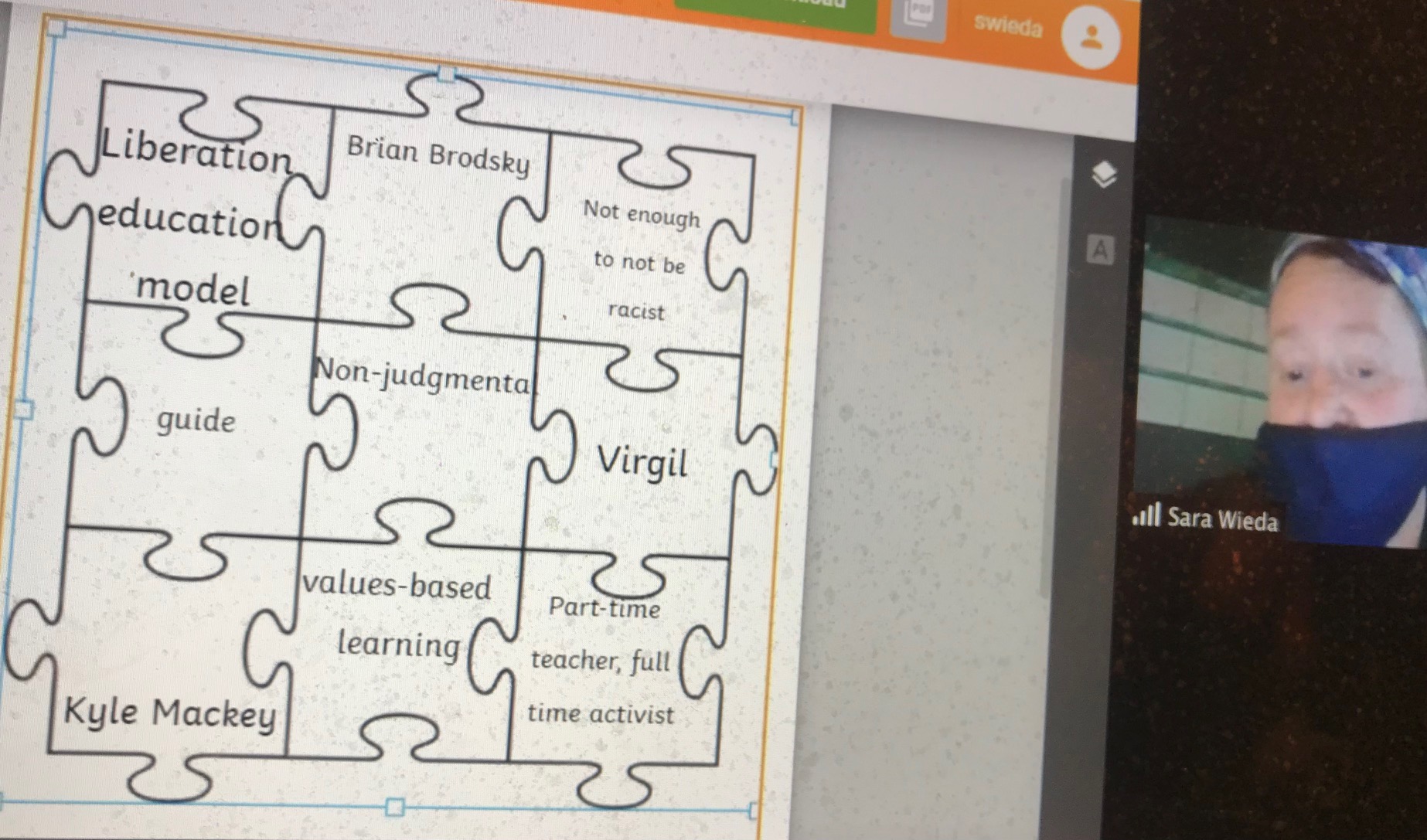
Last week while in a very deep discussion during a 3D Leadership session we were talking about leadership and power. We were discussing the five forms of power from French and Raven (1959). Here are those five forms of power:

First of all, the group talked about how great it is that we continue to move from forms of power to levels of what John Maxwell called 5 Levels of Leadership. The group acknowledged how negative most of the five levels of power are, but that those powers exist, how they can be used for positive, and how we should use them for creating positive environments. One of the positive forms of power is “referent.” I have blogged about this power before in The Majestic Leader. Also, here are Maxwell’s 5 Levels of Leadership:

Then someone made a brilliant statement: “The five forms of power have such a limited scope.” I asked what she meant, and she said, “Those are all about ‘power over’ and we should be thing about ‘power to do’.” Again, another brilliant statement! “Power to do!” Now that’s a power we need to develop – Self empowerment.
Therefore, as leaders it’s important to inspire empowerment in others. After all, when people feel powerful, it boosts their self-confidence, which further enhances their work and performance. Inspiring others is often the mark of a great leader, but how do you do that effectively? Being an inspiring leader was the theme of this gathering. To truly empower others we must empower ourselves to be inspirational leaders. How do we do that? Here’s what our teacher leaders said:
- Show up – Inspirational leaders understand the significance of just being there. I actually heard from teachers in this gathering that they wished that the school leaders would just come visit there schools and more importantly, their classrooms. You can’t take care of your peeps if you aren’t with your people and that means going to street level and getting shoulder to shoulder.
- Be present – This is different than showing up; we must really be present by having open ears and listening, asking the right questions, and having humility.
- Withitness – Great leaders position themselves so they can see everything. This is also about being actively engaged.
As leaders of learning we have a key role to play in delivering quality learning. In order to do this it is important to understand the purpose and impact of our role and the impact we have on others. In the case of education, the task of leadership is to make visible the how, why and where of learning. It achieves this by conversations and demonstrations around pupil learning, professional learning and learnings which transcend the boundaries of the school. The challenge for leadership is to nurture the dialogue, to make transparent ways in learning interconnects and infuses behavior. It promotes a continuing restless inquiry into what works best, when, where, for whom and with what outcome. Its vision is of the intelligent school and its practice intersects with the wider world of learning.
Never forget, the way we see leadership, learning and the quality of our schools, businesses, or organizations is ultimately a product of how we see and think about ourselves. Remember, we have the “power to do.”
Complex & Different
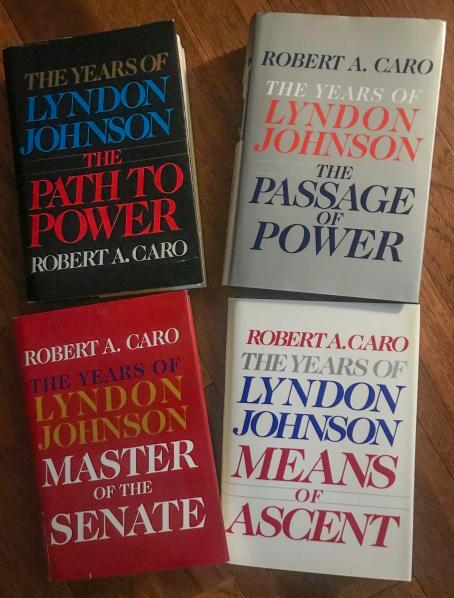 I just finished reading the entire The Years of Lyndon Johnson series by Robert A. Caro. The four books (Caro is presently working on the fifth and final volume) in the series are:
The Passage of Power ends in 1964 after the transfer of power to President Johnson following the assassination of President Kennedy. During the first few days, weeks, and months of that transition, Johnson got a lot accomplished – civil rights bill and a tax cut bill. Caro discussed how we saw leadership traits in Johnson during this short period of time during the transfer of the Presidency that we had not seen before that enabled him to keep almost all the Kennedy Cabinet in place; making it possible to get major legislation passed that it had been doubtful if President Kennedy would be able to get passed. At the end of The Passage of Power Caro said that we saw good and caring leadership traits in Johnson during the first days, weeks, and months of his Presidency that had been subordinated by other less complimentary traits. Then, later in his Presidency we saw those less complimentary traits come back. Caro shared that Lyndon Johnson once said about himself: “I’m just like a fox. I can see the jugular in any man and go for it.” While he was ruthless, he did have a plan.
Leadership is the accomplishment of a goal through the direction of human assistants – a human and social achievement that stems from the leader’s understanding of his or her fellow workers and the relationship of their individual goals to the group’s aim. W.C.H. Prentice argued in 1961 (during Lyndon Johnson times) that leaders needed to learn two basic lessons:
- People are complex
- People are different
This argument is reinforced by all the characters in The Life of Lyndon Johnson series. W.C.H. Prentice continued to posit that by responding to such individual patterns, the leader will be able to create genuinely intrinsic interest in the work. He completely rejected the notion that leadership is the exercise of power or the possession of extraordinary analytical skill. Now, fifty-nine years later, we know that leadership is about influence and the ability to empower others and help others to learn and grow.
Caro wrote this biography series with the intent to study power as opposed to just the man: Lyndon B. Johnson. Much of what drove Johnson was his ambition which most of the time seemed to overpower his purpose. He also had an uncontrollable fear of failure and losing. These fears cost him the 1964 Presidential nomination because he was scared to declare he was even running because of the fear he might lose. By the time he declared it was too late. We now recognize how important purpose is to leadership. Leadership then becomes the accomplishment of goals with the assistance of the human element. In 1961 Prentice also taught us that leaders successfully marshal their human collaborators to achieve particular ends.
This study of power by Caro, caused me to think that most of the time Johnson was exercising power as opposed to exhibiting leadership prowess. The paradox is, however, that he was achieving particular ends. I wonder if W.C.H. Prentice studied or thought about Lyndon Johnson at the time he was forming thoughts about leadership? Once Johnson received the ultimate power he had lusted all those those years, he did, according to Caro, have a plan. He used his power for improving what he called the Great Society and championing civil rights. As with all humans, Johnson was complex and different. He did some great things as well as really terrible things. Caro taught us that biography gives of the ability to study all of the traits that are Lyndon B. Johnson.
What The H@#* Is A Team Player?
 I almost always write a blog post on the Fourth of July. Today, however, I first thought that my topic had nothing to do with the day honoring our nation’s independence, but on further thought, I believe it does. I’ll let you be the judge after you read it.
I wish I had a dollar for every time someone has said to me “he’s not a team player” or “she needs to learn teamwork.” These are very easy statements to make, but a lot harder to substantiate. Usually I even think the person making the statement understands less about teamwork than the person he or she is making the comment about. When I hear this, I always like to ask “What do you mean?” Most is the time the response I get reveals a very limited view of what it means to contribute to a team. Generally, the person making the statement wants the other person to fully concede to another way of thinking. And, if you’re paying attention, they will also use language like “reaching common ground,” as if we are looking for the best campsite.
Recently, I had a friend posit the reason individuals refer to others as non-team players is because it’s the easiest statement to put someone on the defensive. When thinking about the times I have been called out as not being a team player, it has put me on the defensive. When examining this subject in that light it really does reveal the ignorance of the other person’s understanding of team effectiveness, compromise, and consensus building.
If team effectiveness is the capacity of a group of individuals has to accomplish their own and their shared goals and objectives, then we must acknowledge the dichotomy that exists. Teams are made up of individuals and those individuals come with their own values, experience, and goals. That’s what made the melding together of the group that we call our nation’s founding fathers so powerful.
“The battle, sir, is not to the strong alone; it is to the vigilant, the active, the brave.” ~ Patrick Henry
I’ve studied many former leaders extensively and the greatest of those leaders understood the difference between teamwork and marching orders. Teamwork should allow for diversity of thought and allow exposing the best of each individual. Again, as I said earlier, teamwork relies on style and strength differences of all individuals. Right now I am reading The Years of Lyndon Johnson: Master of The Senate by Robert A. Caro. In this study of power one sees that Johnson’s use of power and definition of teamwork is that of being loyal to him (Johnson). Real teamwork does not involve loyalty to a person or “marching orders.” These “marching orders” shut down new ideas and results in only doing the bare minimum.
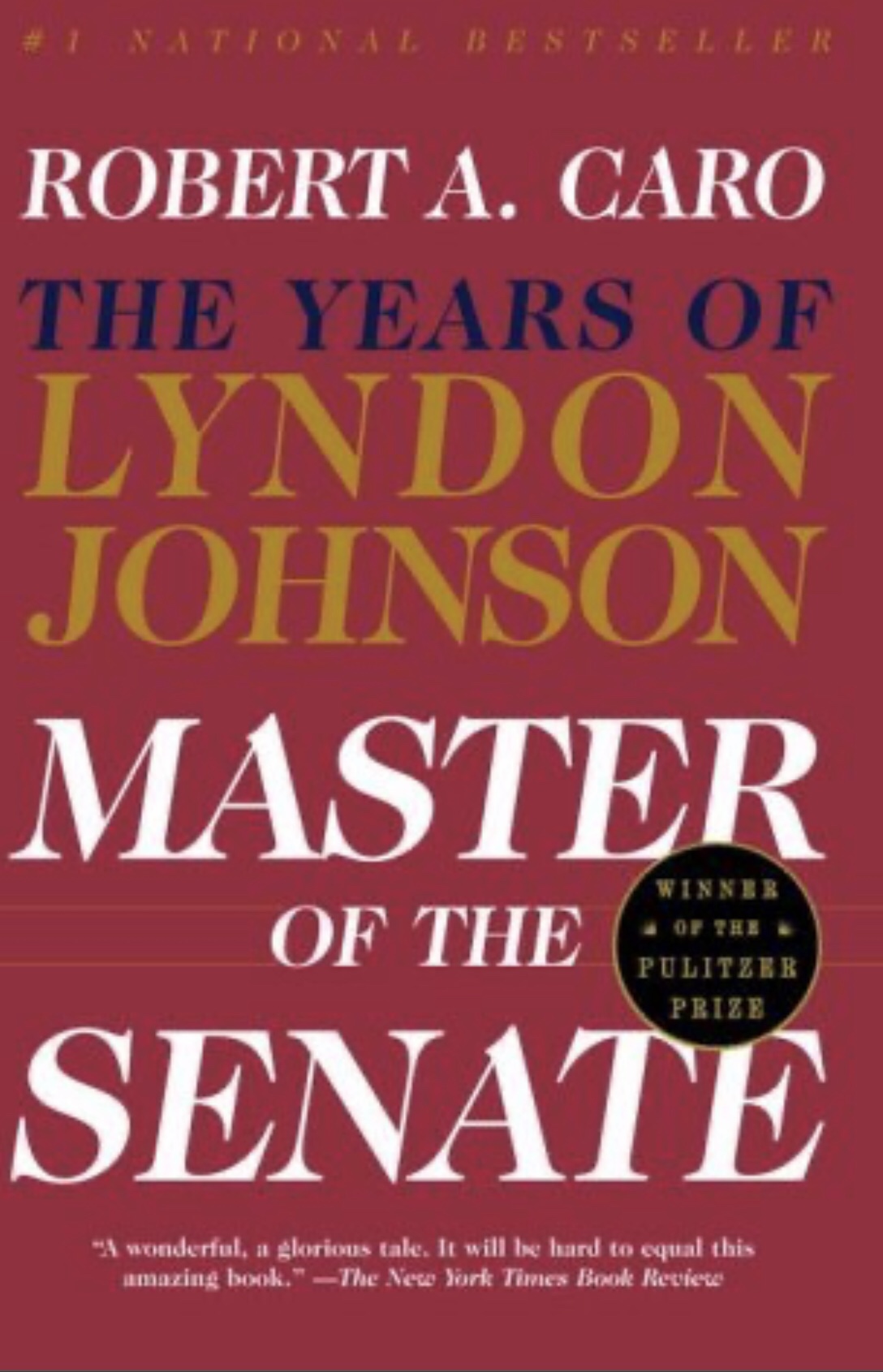 Caro also laid out for his readers the fact that sometimes consensus can be reached by compromise and other times it absolutely cannot. In those times when it can’t, there must be a consensus built from scratch. In reality, many times compromise becomes a power struggle where some have to give up to accommodate others to get what they want. If this happens enough, it becomes a power struggle, not teamwork or consensus building.
Finally, the Declaration of Independence was signed by 56 people. Those 56 people did not have the same views. We must remember that not any one of these could have successfully lead us through the revolution. It took a team!
Advanced Consulting
 Advanced Consulting: Earning Trust at the Highest Level by William A. Pasmore
My rating: 5 of 5 stars
When it comes time to write my end of the year blog post about the top books I’ve read in the last year, this book will be in the top tier of that list. As a person who does leadership training and coaching/mentoring of leaders, I learned a great deal from spending time studying every page of the this insightful book. My copy of the book looks like what my mom always told me a Bible should look – used. I have the pages dog-eared, highlighted, notes in the margin, and the spine is all broken back, and this book will continued to get used in a reference capacity.
Advanced Consulting starts the reader off with a great story, as great leaders do. Then the reader is reminded that we should not always be looking for the most glaringly obvious things to fix, but the opportunities unaddressed that would slip up. This book drove home the fact that, “Every change is an experiment” (p. 111) and that “More pressure won’t produce progress, less pressure and more understanding may” (p. 109). This kind of candid and authentic information from Bill Pasmore helps us to understand why he argued there is no perfect knowledge in the real world. That is why this book is so timely right now in these uncertain times with the COVID-19 Pandemic. There are things, like this, that cannot be predicted, and this book gives us incite in how to help leaders to find ways to work interdependently to find solutions.
Lastly, as a curious person and leader, I loved the part of the book where Pasmore admitted, “I learn something I should have already known” (p.143) when accepting a new assignment with a new organization. He reminded us to be genuinely curious and humble. Whether you consult leaders or are a leader (remember, I believe everyone is a leader) you need to read and study the insights of this book.
With The Crowd, Not Of It
 I am reading Robert Caro’s second volume in The Years Of Lyndon Johnson – Means Of Ascent. He is such a great author and I love the things in this book that make me ponder, reflect, and give me pause. Right now at about a third of the way through this volume I am learning about a most fascinating man, Coke Stevenson. Or, Mr. Texas as he was known, was Texas’ 35th Governor.
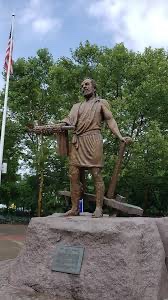
Cincinnatus Statue in Cincinnati
He is my kind of leader. He practiced the learning of one of my heroes, Cincinnatus, of not wanting to lead for power, but to serve. Cincinnatus always returned to the farm. At the conclusion of all his service he just wanted to go back to his ranch, where he milked his own cows and branded his own calves. See why I love this guy?
 Stevenson was beyond reproach in the Austin, Texas bar seen of lobbyists that was known for the three Bs: “beefsteak, bourbon, and blondes” (p. 158). The way Caro described him in this setting really caused me to think: “But although, in Austin, Stevenson was with the crowd at the Driskill Bar, he was not of it; there was a reserve, a dignity, about this tall, broad-shouldered, silent man with that watchful stare that set him apart from the crowd” (p. 159). This was a man that lived his values, instead of talking about them like so many leaders do.
I loved that statement, he was with the crowd, not of it. This was a man modeling, not just going along to get along. He was able to get along on his own terms. That’s a pretty big deal in my book. Following the crowd will cause us to be mediocre at best and live contrary to our core values. It really causes us to live a life of self-betrayal, and resigns is to an average life. It has been said that those who follow the crowd get lost in it.
Passion At Ambition’s Command
 We teach that having passion is a key to success, particularly when linked with purpose. History, however, teaches us that passion can become destructive. Research in psychology describes this destructive passion as “obsessive passion.” The good passion is “harmonious passion.” My recent reading has given examples of two individuals where obsessive passion drove the individuals to become power hungry.
“His passions were at ambition’s command.” ~ James A. Caro in The Path To Power
 In The Path To Power, Robert A. Caro said that Lyndon B. Johnson‘s passions were at ambition’s command. Johnson was obsessed with power and couldn’t get enough of it. The ambition for power and becoming president took over and clouded any purposeful passion for helping the people of our country. Everything he did and anyone he helped was dependent on what he could get out of it, or what power could be derived. When obsessive passion takes over with ambition calling the shots, the person’s self-worth becomes validated by whatever the ambition is. In the case of Lyndon Johnson that ambition was power.
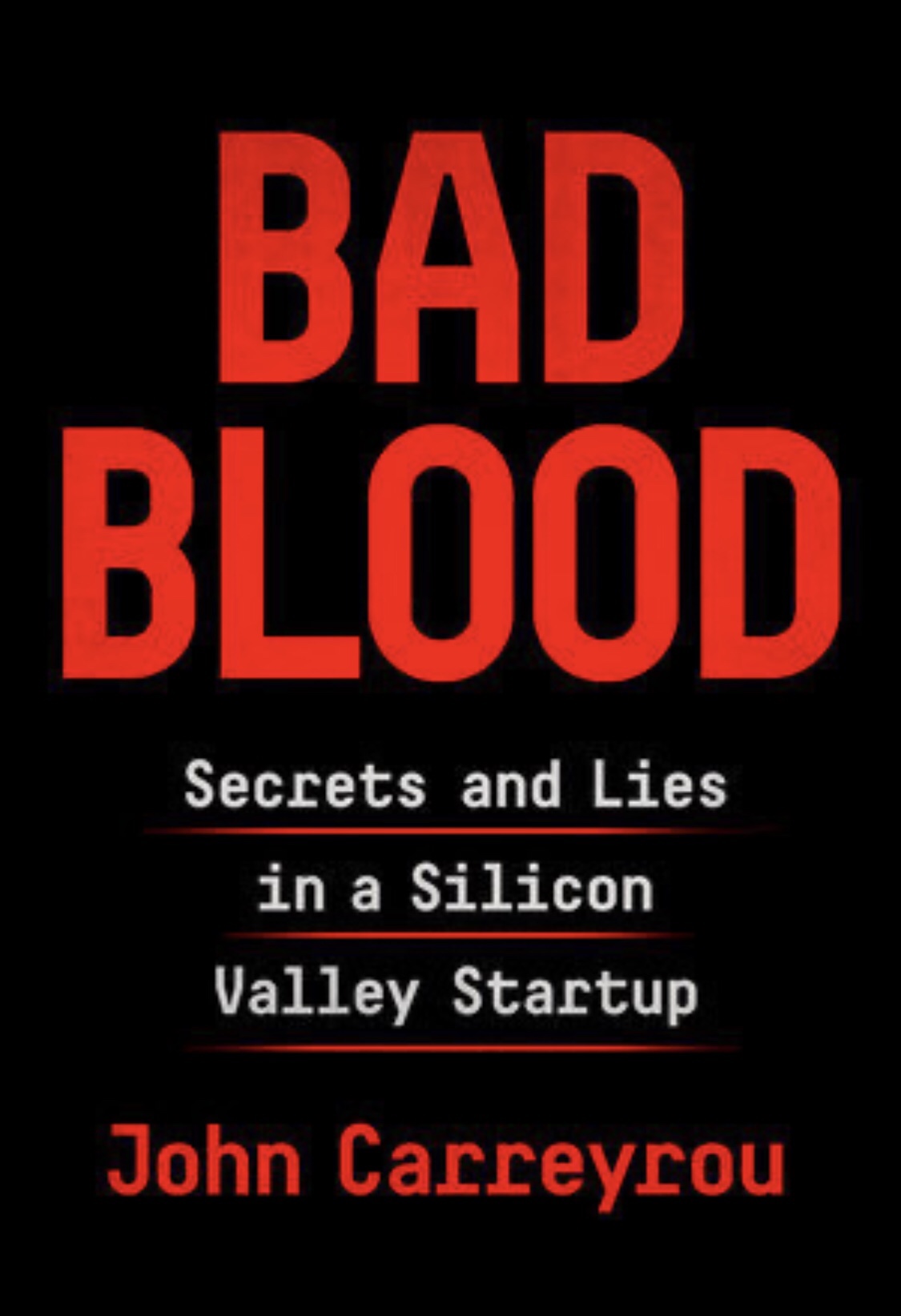 Another person I recently studied who let obsessive passion take over was Elizabeth Holmes, Founder and CEO of Theranos. I read about her in Bad Blood: Secrets And Lies In A Silicon Valley Startup by John Carreyrou. She had purpose and passion for a world changing blood testing and analysis machine that only needed a drop or two of blood to run a myriad of tests. Her company wasn’t able to meet performance standards or efficacy. She is still involved in legal actions against her including criminal charges. Her ambition was for success as defined by celebrity, power, and greed instead of purpose for significance. To read more about this check out When Purpose and Passion Turn Into Ambition.
A Time To Fish & A Time To Mend Nets


During my reading time this week, the story was told about Sam Rayburn in The Path To Power by Robert A. Caro that he liked to use the Biblical axiom, “There is a time to fish and a time to mend nets.” I had heard this axiom before, but really got to thinking about it after I read this. What he was saying, I believe, was that there was a time to be getting the work done and making the deals and there was a time to be building relationships and helping others to grow as leaders. I have already blogged about the inspiration from Caro about Sam Rayburn in “Sam, Be A Man” and Silence Is Golden.
 In Mark chapter 1 in the Bible, one set of brothers, Simon and Andrew, were busy casting. They were fishing. The other set of brothers, James and John, were mending. All four of these men were fishermen, but at the time, they were not all occupied in the same activity of their profession. Two of them were casting and two of them were mending. I believe that there are some important lessons that can be learned from this story. You don’t catch fish while you are mending. In the lives of those fishermen mending time was considered a necessary evil. No fisherman wanted to be mending, all fishermen wanted to be casting.
Mending nets was/is tedious work. It was/is routine, likely daily work. Spreading out the nets, sifting through them. It involves repairing holes, retying knots, and cleaning out debris. To say the least it is tedious and monotonous. This was the “grind” behind the glamour of fishing (if there is glamour in that). Just like fishermen, leaders have tedious and mundane work that has to be done in order to be effective. But, it’s the little things that must still be done. Furthermore, sometimes we keep doing the mending work and things still don’t go the way we want. We need to remember to go back and keep mending nets. We must keep trying. In Luke 5 we find another story where Jesus tells the fishermen to go out to deeper water after having fished for hours without catching anything. They followed the advice and caught so many fish their nets were full and breaking. This teaches us to keep trying and not give up. We also need to lead like Jesus and keep cheerleading our teams to keep trying.
Fishing is a powerful leadership metaphor. Fishermen are courageous and dedicated. If you’ve ever fished you know how frustrating it can be. My son and I have fished all day and caught nothing. We’ve also fished all day and not caught anything till the last hour. It was a good thing we kept fishing. I am sure you can compare this to whatever leadership work you do. Additionally, we cannot forget the teamwork that fishermen exhibit. They do not let one person do all the work. So, what have we learned from these fishermen and there being a time to fish and a time to mend net? The importance of staying at it, in good weather and bad, in lean times and lush times. They also knew there was a time to mend the nets and prepare for the next load of work.
 Byron's Babbles
leave a comment