Building a Legacy: The Impact of Recognition and Tradition

I just recently became a part of the Yellowstone television series craze. These past couple of weeks as the Paramount Network has been showing all the episodes, I’ve been doing some watching. This is a fascinating show with quite the complex set of through lines. In one of the episodes, a Four Sixes Ranch cowboy told Rip (Cole Hauser) that “When he’s gone, we’re all out of legends, with no one wanting to be the next one.” The cowboy was speaking of a legendary maker of metal tack, after Rip returned from the metal-working shop with a bit and spurs. In this context, the quote from Yellowstone reflects a sense of loss and the significance of legacy within the context of the ranch and its traditions.
When the ranch hand mentions “when he’s gone, we’re all out of legends,” he is implying that the person in question holds a legendary status, likely due to their experiences, skills, or contributions to the ranch’s history. The absence of such a figure creates a vacuum where no one feels equipped or inspired to step into their shoes or create their own legendary narrative.
For me, this speaks to a broader theme of how important role models and leaders are in maintaining the identity and culture of a community. Without these figures, others may feel discouraged or unmotivated to pursue greatness, leading to a fear of losing the rich heritage that defines their way of life.
As leaders, we can apply these themes from Yellowstone in various ways to enhance our effectiveness and inspire those around us. Here are a few key points to consider:
- Embrace Authenticity: Just as the characters in Yellowstone are defined by their strong identities, we should strive to be authentic leaders. This means being true to our values and principles, which can inspire trust and loyalty among our team members.
- Cultivate Resilience: The challenges faced by the characters often require them to adapt and persevere. As leaders, we must demonstrate resilience in the face of obstacles, encouraging our teams to remain steadfast and focused on our goals.
- Serve as Role Models: Like the influential figures in the series, we have the opportunity to lead by example. Our actions set the standard for others, so it’s important to embody the behaviors and attitudes we wish to see in our teams.
- Foster Community and Belonging: The sense of community depicted in Yellowstone is pivotal. As leaders, we can create an inclusive environment where everyone feels valued and connected. This strengthens our collective identity and motivates individuals to contribute actively.
- Encourage Growth and Mentorship: Just as characters mentor each other, we should cultivate the next generation of leaders by providing guidance and support. This not only helps others grow but also reinforces a culture of excellence and achievement.
- Recognize and Honor Heritage: Acknowledging the traditions and history of our colleagues or industry is crucial. By celebrating achievements and learning from the past, we create a richer narrative that connects us and empowers future endeavors.
Building A Lasting Legacy

I am reading the great book Apostle: Travels Among the Tombs of the Twelve by Tom Bissell. He made a thought-provoking statement when discussing the Acts of Thomas that offers valuable insights for leaders. The phrase that caused me much deep thought about our legacies was, “Most Kings tend to be builders because building is what ensures the king’s legacy.” Bissell went on to explain that it would be hard to search for a King in history who had not built things.
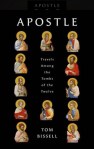
This made me think of those memorials are constructed for, stadiums named after, buildings funded by great women and men, and other things constructed as legacies. I wondered if this was enough for a legacy. I decided it was not. This is not to say, however, that university buildings, hospitals, or other greatly needed structures are not important legacies, but I believe a legacy should be more.
Here are a few key takeaways from my thoughts on Bissell’s comment on Kings being builders:
- Legacy Matters: Just as kings build to ensure their legacy, leaders should think about the long-term impact of their decisions. Building something enduring—be it a company culture, community initiatives, or innovative products—can leave a lasting mark.
- Vision and Ambition: Successful leaders often share a vision that drives them to create and innovate. This ambition can inspire teams and followers, fostering a sense of purpose and direction.
- Investment in Growth: Building isn’t just about physical structures; it’s also about investing in people and processes. Leaders who prioritize development—be it through mentorship, training, or resources—are likely to cultivate a strong foundation for success.
- Responsibility and Stewardship: With the power to build comes the responsibility to do so wisely. Leaders should be mindful of the impact their actions have on various stakeholders and the environment, working towards sustainable and ethical practices.
- Adaptability and Innovation: The desire to build encourages leaders to adapt and innovate in response to changing circumstances. This flexibility is crucial in navigating challenges and seizing new opportunities.
Overall, Bissell’s statement served as a reminder that effective leadership and being significant involves not only making decisions but also actively creating and nurturing positive change in the world.
Using Tolkien’s Leaf By Niggle As A Guide To Living With Significance

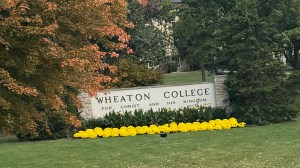
This past week I did research at The Marion E. Wade Center at Wheaton College for a book project related to my Scholar In Residence Program at The Kilns. I had the opportunity to sit down and visit with Dr. Jim Beitler, Director of the Wade Center, the Marion E. Wade Chair of Christian Thought, and a Professor of English at Wheaton College. I have gotten to know Dr. Beitler through the Wade Center’s Continuing Scholars Program. He is an amazing individual and I much appreciated his making himself available to me.

When we were done visiting I asked Dr. Beitler to pick something for me to read while here at the Wade Center this week. He almost immediately asked if I had read Leaf By Niggle by J. R. R. Tolkien. I said “No.” He gave me a brief description and later that day I read it. Wow! I really believe Dr. Beitler had gained enough background from our discussion and what I had sent him as background to the project I am working on that he knew I needed to read Leaf By Niggle. This short story was just what I needed to get in the right frame of mind for a few days of research, studying, and writing. Dr. Beitler had served as an Inkling for me. I hope at some point I can be an Inkling for him.
Before digging in any further, let’s examine Tolkien’s genius in picking Niggle for the protagonist’s name. According to Merriam-Webster “niggle” is a verb meaning “1. a. Trifle; b. to spend too much effort on minor details; 2. to find fault constantly in a petty way.” As a noun Merriam-Webster defines “niggle” as: “a trifling doubt, objection, or complaint.” Hopefully, you are not one that finds yourself “niggling” but I am sure we can all relate to falling into this trap at some point.
Leaf By Niggle by J.R.R. Tolkien impacted me with several profound lessons, primarily centered around the themes of purpose, creativity, and the nature of life. Here are some of my key takeaways:
- The Importance of Purpose: The story reflects on the journey of life and the importance of having a purpose. Niggle is an artist who feels compelled to create but is often sidetracked by trivial concerns. I was also reminded that we must control our passion. His journey emphasizes that having a focus and dedication to one’s work can bring fulfillment, even amidst distractions.
- Embracing Imperfection: Niggle’s struggles with completing his painting serve as a metaphor for the larger struggle of life. It highlights that perfection may be unattainable, and it’s important to embrace the process of creation rather than fixate solely on the outcome. The innovation Niggle was creating with his art was serving as a disruptor to society on a great level.
- Selflessness and Service: As Niggle is forced to help his neighbor, he learns the value of selflessness and caring for others. This transformation illustrates how acts of compassion can lead to personal growth and fulfillment.
- The Afterlife and Legacy: The conclusion of the story suggests a vision of the afterlife where one’s true contributions and efforts are recognized. It serves as a reminder that our actions and creations have lasting significance, and they may continue to grow and flourish beyond our immediate understanding.
This last point (#4) about legacy and lasting significance is an important one. I know I wish I would have learned much earlier in life that being significant is much more important than successful. Maybe there needs to be the success (money, accomplishments, position, awards), in order to be in a position of being respected, renowned, and listened to. But we must then know when to examine what we are becoming or have become to become significant in leaving our legacy.
We should not wait for the “journey,” in Niggles case, what I believe was a metaphor for purgatory, but a continual self examination of our lives and the legacy we are leaving. Socrates taught that, “An unexamined life is not worth living.” We need to realize that from the start we are creating significance and a legacy. I believe Tolkien was describing his own writing journey of The Lord of The Rings through Niggle in this story. In contrast to C. S. Lewis who could put his images to paper very quickly, Tolkien was much slower, agonizing over every detail, trying to make it perfect. Neither author, at the time, could have any idea of the legacy they would leave.
Overall, Leaf By Niggle invites reflection on the meaning of creativity, the value of kindness, and the impact we leave behind, encouraging readers to find balance in their pursuits while remaining open to the needs of others.
Why Are You On This Planet?
 Burnout to Breakthrough: Building Resilience to Refuel, Recharge, and Reclaim What Matters by Eileen McDargh
My rating: 5 of 5 stars
Anyone who has ever read a book review from me, or spent much time with me knows that I’m not real big on a bunch of words that mean nothing without any actions. I knew this book was going to give actionable advice that was going to be immediately applicable and usable when she used the subtitle “Throw Out The Dictionary” in chapter four. Eileen McDargh reminded us in this book that we are human beings. Everything we experience (good/bad, stress, events, et cetera) changes us forever. Recognizing this fact of being forever changed is key to letting events either knock us down or us being able to grow through them.
One of the great models (…and I love models) that McDargh gave us in the book was the “CAT scan.” It is her acronym for CHECK what claims your time, ASSESS why and how; Is it of value?; and, TAKE action (what can you amend, avoid, alter, or accept). This is so insightful and gives us strategies and tools to take control of how we live a life filled with purpose and meaning. McDargh taught us that your legacy is more important that our eulogy. She asked the questions of us in the book, “What will people say when they hear your name?” and “Why are you on this planet?” Those are pretty powerful things for us to think about. If our “why” is crystal clear and we are steadfast to that “why” we will have the energy to work tirelessly, without burnout, toward completing our role in society.
This is one of those books that everyone should read no matter role you are playing in society. Today, as I write this review, we are in Day 150 of the Global COVID-19 Pandemic and I believe this book is an incredible guide as we are “building resilience to refuel, recharge, and reclaim what matters.
“Sam, Be A Man”
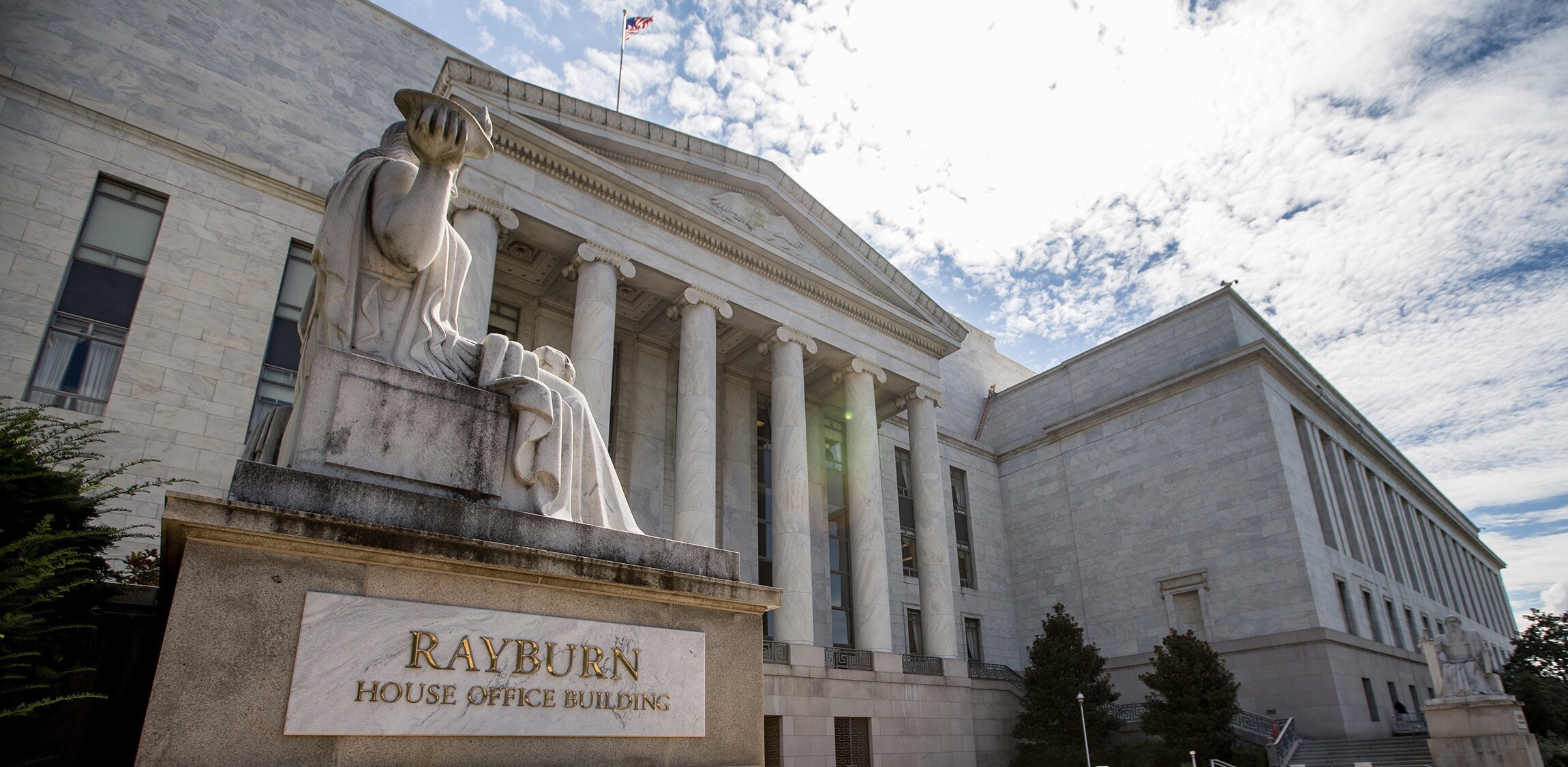 I have been in the Rayburn House Office Building many times in Washington D.C. I had not, however, really ever given much thought to the great man the building was named after, former Speaker Of The House Sam Rayburn. Robert Caro did a whole chapter plus on Sam Rayburn in the great book I’m reading right now, The Path To Power. I am now researching biographies on Rayburn and I am going to study his life, service, and leadership.
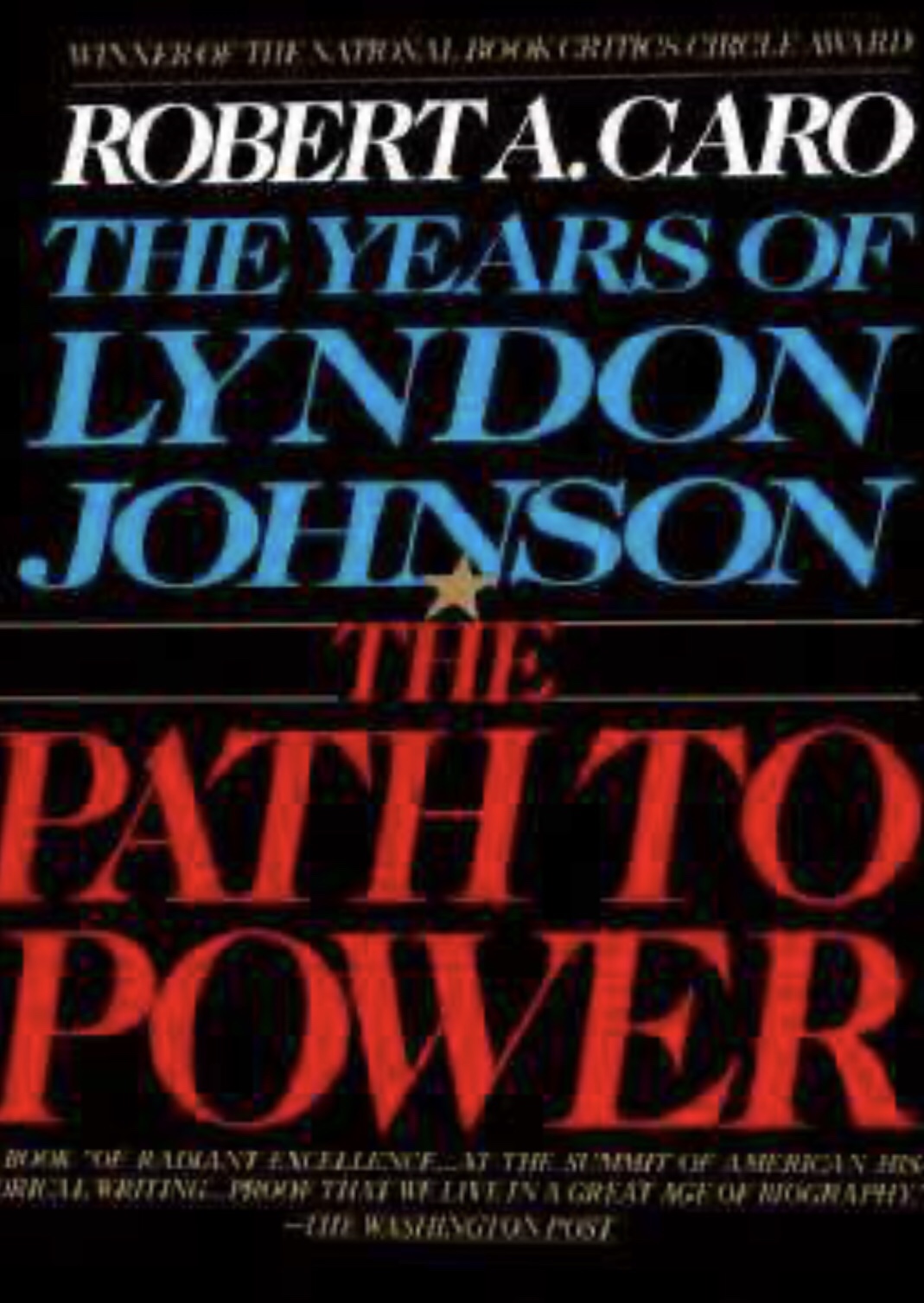 The part that Caro vividly portrayed is the integrity with which Sam Rayburn lived and led. He wrote the story that Rayburn told of what his dad told him when he left home for college. His dad held his hand and told him four words, “Sam, be a man.” That’s pretty powerful when you think about it. What does it mean to be a man? For Sam Rayburn it was about living and leading with honor and integrity. Rayburn would say, “There are no degrees of honorableness. You either are or you aren’t.” A very powerful two sentences to live by.
“There are no degrees of honorableness. You either are or you aren’t.” ~ Former U.S. Speaker Of The House Sam Rayburn (Texas)
This reminds me of what my good friend, former U.S. Congressman Steve Buyer, used to tell me and my students each year when we visited him in room 2230 of the Rayburn House Office Building: “Your character is your legacy.” That was always so moving. My students would talk about that and try to define it for the rest of our time at the National FFA Washington Leadership Conference, and the trip home. I was so proud, as an Indiana FFA Advisor to take students to this conference every year for so many years and have my students get to meet with such a great leader. It was so impactful for me to read about the man who lived with such honor that the building was named after that housed the office of a man that was such a great leadership role model for myself and my students.
“Your character is your legacy.” ~ Former U.S. Congressman Steve Buyer (Indiana)
Our legacy grows with each new experience. Our leadership is not shaped nor our legacy defined at the end of our career or life, but rather by the moments shared, the decisions made, the actions taken, and even the mistakes made along the journey. It’s about a continual reinvention of ourself with new learning, experience, relationships, and wisdom. We need to be thinking about our personal growth and continual improvement.
 Byron's Babbles
leave a comment