Relaxing When Effort Serves No Purpose

When I was in Montana a couple of weeks ago I spent some time in the areas where John Liver-Eating Johnson, born John Jeremiah Garrison Johnston, lived in central Montana. Also, a local Montana person recommended that I read the book, Crow Killer: The Saga of Liver-Eating Johnson by Raymond Thorp and Robert Bunker. The book is absolutely incredible and very hard to put down.
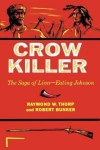
As with any book, I am finding things to think deeper about. In the book, when discussing Johnson’s ability to relax, Thorp and Bunker described the liver-eater in this way: “Johnson could always relax when there was no purpose in effort.” Thorp’s statement suggested that Johnson was adept at distinguishing between situations where effort was necessary and those where it wasn’t. When there was no clear goal or necessity, he could truly relax and be at ease, rather than feeling compelled to keep busy or exert constant effort.
From Johnson’s example, we can learn the importance of recognizing when our efforts are genuinely needed and when they might be unnecessary or counterproductive. His ability to relax when effort served no purpose highlights the value of mental discernment—knowing when to act and when to let go. Developing this awareness can help us avoid unnecessary stress, cultivate genuine relaxation, and conserve our energy for moments that truly matter. In essence, Johnson’s calmness in appropriate moments teaches us the power of mindful relaxation and the importance of discerning effort from ease.
Hurried or Impatient?

I am reading Artemis by Andy Weir right now. He is such an incredible author and this one might be one of my favorites of his work. This is about a colony, Artemis, started on the moon. The protagonist, Jasmine “Jazz” Bashara, is a citizen of Artemis who works as delivery woman and also smuggles goods to survive in the expensive city. I don’t want to give away the plot because you need to read the book. But for the context of this post, Jazz is carrying out a rebellion to save the city. Her dad, Ammar Bashara, does not approve of her rebellion but still helps her with a welding project that is needed to be carried out. Ammar is a Muslim who works as a highly skilled welder in Artemis. He taught Jazz to weld and was talking her through a project as she was welding.

At one point Ammar said to Jazz, “You’re not in any hurry, just impatient.” This caused me to pause and to think about how many times this happens to us. We get in a hurry even though we don’t need to be; we are just impatient. When we feel hurried due to impatience, it often stems from internal feelings like frustration, anxiety, or a lack of trust in the process. Even if our outward behavior suggests we believe there’s no rush, our internal state might be pushing us to act hurriedly.
This disconnect can lead to unnecessary stress and may even affect our interactions or decision-making. In the context of Artemis, Jazz’s dad recognized this and was worried about her ability to make perfect welds because she was hurrying and did not need to hurry; she had plenty of time. Recognizing this helps us understand that patience isn’t just about external actions but also about managing our internal responses.
To address this, we can focus on mindfulness techniques—such as deep breathing or pausing before reacting—to help slow down internal impulses. Cultivating awareness of these feelings allows us to consciously choose patience over impatience, leading to more peaceful and effective outcomes.
Reflecting: Embracing Our Inner Battles

Those who know me know I am a very reflective person. The great band Melrose Avenue has a great song “Reflections.” This song really resonates with me. It has a dark side but there are so many things we can learn from the lyrics. The song encourages us to recognize how our actions affect ourselves and others, promoting introspection. This song highlights that feelings like regret or denial are natural parts of the human experience, reminding us to be compassionate with ourselves. Facing inner struggles can lead to greater self-understanding and personal development.
The line “I can’t see what I’ve done” really jumped out at me. Many times we are unaware or unable to recognize the impact of our actions, possibly because we are overwhelmed, in denial, or emotionally numbed. It reflects a struggle to understand oneself or take responsibility, highlighting feelings of remorse, regret, or self-doubt. This line captures the difficulty at times of confronting our past or the consequences of our choices, adding depth to the song’s themes of introspection and inner conflict.
Here is a breakdown of a few other lines from the song that resonated with me:
- “Now I’m fighting for the hope of second chances” speaks to our yearning for redemption or a fresh start, hoping to fix past mistakes or circumstances.
- “But I don’t think I’m gonna make it in time” reflects doubt or a sense of urgency, feeling that it might be too late to change or alter the outcome.
- “Do I change my ways? Do I keep them the same?” is an internal conflict we all face at times about whether to pursue transformation or stick with familiar habits.
- “Should I save it for another day?” indicates the hesitation, contemplating delaying decisions or actions to a more suitable time. This reminded me of the times when we ask things like, “Is the timing right?” Or say, “This is not the right time.”
- “All I see when I look at my reflection / Is the animal that lives inside” reveals a darker self-awareness, recognizing primal or instinctual aspects within — perhaps anger, fear, or other raw emotions.
These lyrics can inspire us to be more honest with ourselves, embrace our imperfections, and use our experiences as opportunities for growth.
The Seven Deadly Sins

Those that follow my blog know that I love the band, Deadlands. They created an incredible EP titled, SEVEN. The EP is about the seven deadly sins. There are seven songs that exquisitely deal with the seven sins. They inspired me to take a deep dive into each of the deadly sins and study Kasey Karlsen’s take on the sins through her lyrics. She is very talented at creating the stories of the sins and the lessons we can learn. I blogged about each of the sins based on the songs.
This was such a great study that I wanted to provide a place for you all to access them in one place. Here they are:
- Pride – The Unpopular Fault
- Greed Is An Exception
- Gluttony – Our Self-Inflicted Catacombs
- Breaking the Chains of Sloth: Building Momentum and Staying Disciplined for Long-Term Success
- Beyond Lust: The Illusive Dream of Perfection and the Tragic Beauty of Chasing Illusions
- Understanding Envy: The Deep Longing to Mirror Others’ Achievements and Qualities
- Under the Weight of Wrath: Building Foundations in a House of Cards
We need to be aware of how susceptible we are to the dark power of our own disordered desires. Deadlands giving us this collection as a reminder of sin as self-destructive habit that shapes our lives is very powerful. As humans we must recognize the struggle between good and evil.
This all reminds me of what it says in Proverbs:
For your ways are in full view of the Lord, and he examines all your paths.
The evil deeds of the wicked ensnare them; the cords of their sins hold them fast.
For lack of discipline they will die, led astray by their own great folly.
(5:21–23 NIV)
The 23rd verse here is very powerful. Kasey’s lyrics in the seven songs remind us to be disciplined and not let our folly keep us from being a positive influence on others.
Under the Weight of Wrath: Building Foundations in a House of Cards

This is my seventh post addressing the seven deadly sins. I was inspired to take this journey of learning by the great band, Deadlands. The lyrics that Kasey Karlsen wrote for each of the sins are amazing. In this last song, “House of Cards”, dealing with the deadly sin of wrath, I also have to give a shout out to CJ Arey, who writes the music. When I listen to the notes, I actually hear wrath. When I listen to the song and study the lyrics, I hear a focus is on the fragile nature of constructed facades and the importance of authenticity and resilience. It emphasizes vulnerability and the fleeting stability of appearances. If you think about it, wrath makes us very fragile – probably why it is one of the seven deadly sins.
The themes of anger or frustration come through loud and clear as part of the broader idea that superficial structures can easily break down when faced with intense emotions. When I think about the fragile structure of a house of cards that is insubstantial or easily destroyed, I am drawn to the phrase in the song, “I see right through your paper soul (paper soul)”. To me this suggests that Kasey and CJ perceive the villain in the song as being superficial, fragile, or insubstantial—like a paper soul. It implies that beneath their exterior, there’s a lack of genuine depth or authenticity, and that their emotional or spiritual core is easily torn or broken. The repetition of “paper soul” emphasizes its fragility, highlighting that what might appear to be something substantial isn’t truly resilient or real. Thus, if we operate like that we are like the metaphorical house of cards and easily destroyed. Overall, it’s an incredibly poetic way of expressing that a person’s true self or inner essence is transparent and potentially fragile.
The metaphor of a house of cards so beautifully relates to wrath. Wrath, like a house of cards, can appear controlled and manageable on the surface, but underneath, it’s fragile and easily toppled. When we become filled with intense anger, their emotional stability may rest on delicate foundations—just like a carefully balanced stack of cards. A slight provocation or unexpected event can cause it to collapse suddenly, revealing how volatile and unstable wrath truly is. This metaphor highlights the potential for destruction and the importance of managing anger before it causes everything to come crashing down.
Chasing Enough: How Greed and Vanity Keep Us Spiraling in the Pursuit of More

Back in July I wrote a post about greed titled, Greed Is An Exception. Greed is one of the seven deadly sins and I was writing the post as part of a series about the deadly sins. Yesterday, after visiting a very dear friend that I always kid about being a bit vane, I heard the great Royale Lynn song, “Greed”. The song, that you really do need to listen to (or better yet watch the video I’ve linked here for you), got me thinking about the crossover between vanity and greed. Both can stem from a desire for superficial or materialistic gains—vanity focusing on appearances and external validation, while greed centers on accumulating wealth or possessions.
A couple of lines really jumped out at me in Royale Lynn’s song. The first was, “And you’re never satisfied; There’s nothing that you won’t do.” When driven excessively, vanity can lead individuals to prioritize their image above all else, sometimes at the expense of ethics or humility, which can resemble greed’s obsession with accumulation. If you’ve ever encountered a vane leader, you know how this can hinder the effectiveness of this individual.
The other lines, “Feed on the greed that makes you; When it’s gonna be too much; When It’s gonna be enough; You always want more” highlight the relentless nature of greed and how it can drive individuals to continuously seek more, often without regard for ethical boundaries or personal limits.
Relating this to the crossover between vanity and greed, these lyrics suggest that vanity—an excessive pursuit of beauty, status, or admiration—is fueled by a similar insatiable desire. Both traits involve an underlying craving for validation, control, or recognition. Just as greed pushes for material accumulation beyond necessity, vanity pushes for external affirmation beyond genuine self-acceptance.
The lines also imply a point where fulfillment is never truly reached (“When It’s gonna be enough”), reflecting how both greed and vanity can become addictive, leading people to perpetually chase after more—more wealth, more admiration, more power—making it hard to recognize when they have enough. This interplay underscores how both traits can intertwine, often reinforcing each other in a cycle driven by a need for control, recognition, or superiority, rather than genuine fulfillment.
Being Legendary: Unleashing Our Inner Power

Yesterday as I was coming home from showing dairy cows at the Indiana State Fair I heard Pop Evil’s great song, “Be Legendary.” As I was listening, I thought about how well the lyrics of this song relate to a post I did last week titled “Don’t Let Others Limit You.” The lines “Fight the power, scold the doubters; They don’t know how we roll; Keep an eye out, watch your back now; We’re coming for the crown” embody a bold, defiant attitude centered around resilience, self-belief, and persistence in the face of opposition or doubt.
Relating this to my blog post “Don’t Let Others Limit You,” the message is quite aligned. In that post I emphasized the importance of trusting ourselves, embracing our unique strengths, and not allowing external judgments or negativity to hold us back from pursuing our goals and leadership journey. Both the song lyrics and the blog post encourage standing firm, pushing past critics, and striving relentlessly toward success or greatness.
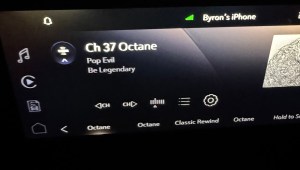
In essence, the song’s empowering call to fight against opposition echoes my advice to resist external limitations and prove others wrong through determination and self-confidence. Together, they inspire us all to stay strong, assertive, and committed to their own path regardless of challenges or doubts from others. As the song says: “Edge of glory, write your story
Seize the moment, no regrets
Our name in stone, forever more.”
Leading From Where We Are
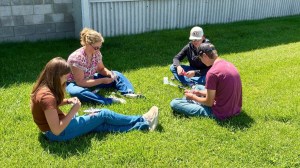
Yesterday I wrote a post entitled Grounded in the Present: Embracing the Power of Being Where Your Feet Are. That post was inspired while doing leadership development for high school students involved in FFA, BPA, student council, volleyball, basketball, and football at Shields Valley High School in Clyde Park, Montana. The post was about a great comment made by a student. He said, “We need to be where our feet are.” This was also a great reminder to that we must also lead from where we are.
Leading from where we are means focusing on the present moment and leveraging our current resources, strengths, and understanding to guide our team effectively. The qualities I mentioned—active listening, attentiveness to details, and prioritizing tasks—align perfectly with this approach because they encourage us to be fully present and engaged in the situation at hand.
By listening actively and paying close attention to what’s happening now, leaders can make thoughtful decisions based on the real-time context rather than being distracted by past setbacks or future worries. This mindset helps build trust, as team members feel genuinely heard and understood, fostering authentic connections. Ultimately, leading from where we are empowers us to act with clarity and confidence, even amid uncertainty, creating a resilient and adaptable leadership style rooted in awareness and connection.
Don’t Let Others Limit You
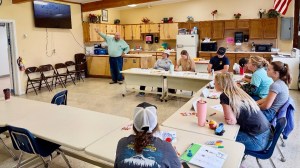
This is another post inspired by the students at Shields Valley High School in Clyde Park, Montana. I was in Montana all this week doing a student leadership development event. These students were very engaged and thoughtful. I took lots of notes from their thoughts that inspired me. I’ve already blogged about this event once in Grounded in the Present: Embracing the Power of Being Where Your Feet Are. Another great comment made by a student was “You are not limited by other people.” I loved this because so many times we let others limit us by letting them influence what we are doing, by telling us what we should be doing, by letting our parents live vicariously through us, telling us we can’t do something, negativity, or other ways.
We stopped a moment to discuss this comment. These students were very cognizant of how others can limit us. We can all learn several valuable lessons from thinking about not being limited by other people. Here’s how:
- Empowerment and Self-Potential: We are encouraged to recognize that our abilities and potential are within our own control. External opinions or doubts shouldn’t define what we can achieve.
- Resilience Against Negative Influences: We often face peer pressure or criticism. This phrase reminds us that we are not confined by others’ perceptions, allowing us to stay true to our vision and values.
- Independent Thinking: It promotes confidence in making decisions based on our own judgment instead of being overly influenced by others’ expectations.
- Encouraging Innovation: When we understand we aren’t limited by others’ beliefs about what’s possible, we’re more likely to pursue creative ideas and initiatives.
- Fostering a Growth Mindset: Recognizing that limitations aren’t imposed by external sources motivates us to focus on our personal growth and continuous improvement.
Overall, these high school students gave us a powerful reminder for to trust ourselves, embrace our unique strengths, and not let external judgments restrict our personal journey.
Grounded in the Present: Embracing the Power of Being Where Your Feet Are
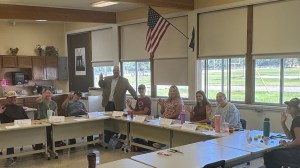
This week I’ve had the honor of being in Clyde Park, Montana at Shields Valley High School doing leadership development for high school students involved in FFA, BPA, student council, volleyball, basketball, and football. It has been a great week working with the students around the theme of “Everyone Is A Leader.” As is always the case, I am being inspired by the students as much as they are by me. One of the students, FFA officer Andrew Long, made the very profound comment on our first morning together that, “we need to be where our feet are.” This fit so well with our discussion of leading from where we are and that everyone is a leader and very quickly became a theme we kept coming back to.
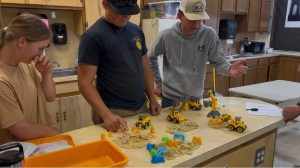
The phrase “we need to be where our feet are” means to fully focus on and be present in the current moment or place. It encourages mindfulness and paying attention to our immediate surroundings, rather than being distracted by past concerns or future worries. Essentially, it’s a reminder to stay grounded and engaged with what’s happening right now.
The leadership lesson from the phrase “we need to be where our feet are” is the importance of presence and mindfulness in leadership. As a leader, being fully engaged in the current moment allows us to better understand our team’s needs, make thoughtful decisions, and respond effectively to challenges. It encourages leaders to listen actively, be attentive to details, and prioritize the task at hand, rather than getting distracted by future uncertainties or past mistakes. Ultimately, it promotes authentic leadership rooted in awareness and connection, fostering trust and clarity within our team.
 Byron's Babbles
leave a comment