Building a Legacy: The Impact of Recognition and Tradition

I just recently became a part of the Yellowstone television series craze. These past couple of weeks as the Paramount Network has been showing all the episodes, I’ve been doing some watching. This is a fascinating show with quite the complex set of through lines. In one of the episodes, a Four Sixes Ranch cowboy told Rip (Cole Hauser) that “When he’s gone, we’re all out of legends, with no one wanting to be the next one.” The cowboy was speaking of a legendary maker of metal tack, after Rip returned from the metal-working shop with a bit and spurs. In this context, the quote from Yellowstone reflects a sense of loss and the significance of legacy within the context of the ranch and its traditions.
When the ranch hand mentions “when he’s gone, we’re all out of legends,” he is implying that the person in question holds a legendary status, likely due to their experiences, skills, or contributions to the ranch’s history. The absence of such a figure creates a vacuum where no one feels equipped or inspired to step into their shoes or create their own legendary narrative.
For me, this speaks to a broader theme of how important role models and leaders are in maintaining the identity and culture of a community. Without these figures, others may feel discouraged or unmotivated to pursue greatness, leading to a fear of losing the rich heritage that defines their way of life.
As leaders, we can apply these themes from Yellowstone in various ways to enhance our effectiveness and inspire those around us. Here are a few key points to consider:
- Embrace Authenticity: Just as the characters in Yellowstone are defined by their strong identities, we should strive to be authentic leaders. This means being true to our values and principles, which can inspire trust and loyalty among our team members.
- Cultivate Resilience: The challenges faced by the characters often require them to adapt and persevere. As leaders, we must demonstrate resilience in the face of obstacles, encouraging our teams to remain steadfast and focused on our goals.
- Serve as Role Models: Like the influential figures in the series, we have the opportunity to lead by example. Our actions set the standard for others, so it’s important to embody the behaviors and attitudes we wish to see in our teams.
- Foster Community and Belonging: The sense of community depicted in Yellowstone is pivotal. As leaders, we can create an inclusive environment where everyone feels valued and connected. This strengthens our collective identity and motivates individuals to contribute actively.
- Encourage Growth and Mentorship: Just as characters mentor each other, we should cultivate the next generation of leaders by providing guidance and support. This not only helps others grow but also reinforces a culture of excellence and achievement.
- Recognize and Honor Heritage: Acknowledging the traditions and history of our colleagues or industry is crucial. By celebrating achievements and learning from the past, we create a richer narrative that connects us and empowers future endeavors.
From Vision to Reality: Mastering Change Leadership

In the awesome book I just finished reading, Rethinking Positive Thinking: Inside the New Science of Motivation, Gabriele Oettingen introduces the concept of “free-floating fantasy” as a form of unproductive daydreaming. This is when individuals indulge in positive fantasies about their future without any concrete planning or action towards achieving their goals.
For example, someone might fantasize about landing their dream job or having a perfect relationship without taking any realistic steps to make those fantasies a reality. While this kind of thinking can feel good in the moment, it often leads to disappointment and inaction because it lacks a focus on practical efforts and obstacles.
Also, “free-floating fantasy” refers to an idealized vision or dream that lacks a concrete foundation in reality. In the context of change leadership within an organization, this could manifest as a leader who has a grand vision for the future—say, transforming the company into a market leader through innovative technology—but doesn’t establish a practical plan to achieve it.
As another example, let’s say a CEO dreams of their organization being at the forefront of sustainability in their industry. They passionately communicate this vision to their employees, inspiring them with the idea of being environmental champions. However, if this vision remains a “free-floating fantasy” without actionable steps—like implementing specific sustainability practices, investing in green technologies, or training employees on eco-friendly processes—the organization may struggle to make any real progress.
Oettingen contrasts free-floating fantasies with her WOOP technique (Wish, Outcome, Obstacle, Plan), which encourages people to not only dream about their desired outcomes but also to recognize potential obstacles and create actionable plans to overcome them. This method helps ground one’s aspirations in reality and promotes a more proactive approach to achieving goals.
This bridging of the gap with WOOP will help to ensure that goals are not just fantasies by preventing:
- Employee Disillusionment: If team members feel excited by the vision but see no tangible actions behind it, they may become disengaged and skeptical. This can lead to a lack of trust in leadership.
- Misallocation of Resources: Leaders might allocate resources toward initiatives that are aligned with the fantasy but not grounded in feasibility or practical application, leading to wasted time and money.
- Resistance to Change: Those we serve may resist changes if they perceive the leadership’s vision as unrealistic. They might prefer a more step-by-step, practical approach rather than a lofty, unattainable goal.
To harness the power of this visionary thinking while avoiding pitfalls, leaders should complement their exciting visions with a well-defined strategy.
Meeting Ourselves Where We Are

The other day, I heard someone comment that they were learning to meet themselves where they were, not where they thought they ought to be. This is pretty profound and a very healthy attitude to take. Meeting ourselves where we are means recognizing and accepting our current feelings, circumstances, and state of mind without judgment. It’s about being honest with ourselves about our realities, rather than imposing expectations or judgments based on where we think we should be in our lives—whether that relates to our emotions, career, relationships, or personal growth.
This mindset encourages self-compassion and understanding. Instead of feeling pressured to reach an ideal or a perceived standard, we can acknowledge our present situation. This acceptance can foster growth and healing because it allows us to build on the foundation of who we truly are, rather than one that is based on comparisons or unrealistic standards.
When we’re feeling overwhelmed, instead of telling ourselves we should be more productive or happier, we would be better served to acknowledge those feelings and address them directly. This approach can lead to clearer thinking and more effective action moving forward. I know I am going to try to do a better job of meeting myself where I am, not where I or others think I ought to be.
My Experience as a Rapper and Leading with Authenticity: The Power of Mystique and Openness

This past week I tried something new at the request of some National FFA Organization National Teacher Ambassadors. Actually, I was being mentored by three Mentor Teacher Ambassadors. I rapped an introduction of Kasey Naylor from Texas and Emma Huber from Wisconsin for a workshop in San Antonio, Texas. Kim Clark, from Kansas, who was serving as the host of the workshop, was the one really spurring on my debut to the hip hop scene. Of course, when I pushed back a little (okay, a lot) they threw my own teaching in my face: “You’re always telling us to not be afraid to try something new and it is okay if it fails.” They were right, you know, I do advocate for that! It was time for me to practice what I preach. I rapped their intro. I called it a fail. They said it was good. They were just being nice! I was watching the crowd – it was an epic fail.
I did, however, try my hand at rapping again that evening for a National FFA Teacher Ambassador dinner with a little more success. This time I made sure that Kasey, Emma, and Kim were my “backing vocalists” (see the featured photo). And yes, before you ask, “backing vocalist” is a term. Their job was to build hype. I was not much better. Actually, I was still terrible. I’ve got to tell you, though, this whole rap and hip hop thing was causing me to do a lot of thinking.
I considered, like rap artistry, how having a touch of mystique can enhance a leader’s presence and appeal. Just like in rap lyrics, where artists often employ metaphor, storytelling, and layered meanings to convey deeper messages, we, as leaders, can benefit from a certain level of intrigue. This mystique can create curiosity and draw people in, making them want to learn more about our vision or approach.
Conversely, though, it is important for us to balance mystique with transparency. Too much distance can create disconnect, whereas a well-placed element of mystery can inspire and engage followers. Those that know me know I do like to build hype. Ultimately, it’s about finding the right mix that aligns with their authenticity and the message they want to communicate.
Rapping can indeed be seen as a leadership skill in several ways:
- Communication: Rappers must effectively convey their messages and emotions through words, which is a vital leadership quality. Even though we are obviously not conveying the same message or story, clear communication helps leaders articulate their vision and inspire their followers.
- Storytelling: Good rappers often tell compelling stories in their lyrics. Again, I recognize it might not be the kind of story I want to convey. Nevertheless, storytelling is a powerful tool for leaders to engage and motivate people, making complex ideas more relatable and memorable.
- Influence and Inspiration: Rappers can influence their listeners and culture at large. Similarly, leaders inspire their teams and communities to achieve goals and embrace change.
- Adaptability: The hip-hop landscape is constantly changing, and successful rappers must adapt their styles and messages accordingly. Effective leaders are also adaptable, responding to challenges and opportunities as they arise.
- Collaboration: Many rap artists collaborate with others, showcasing teamwork and partnership, which are crucial for strong leadership.
Moral of this story: don’t be afraid to try something new. Putting a story into rap form can be an interesting way to think about a topic or make an introduction. A couple of things I learned: 1. Just like any other public performance, a rap must be practiced; and 2. The rap needs to be developed using the voice (expressing your own passions and core values) of the one doing the rapping. One thing is for sure; you will get a laugh and a few roles of the eyes. And you will for sure be better than me at it!
Reflexivity And The Unfolding Drama

Earlier today I blogged about reflexivity and being curious in Reflexivity and Curious George. As I continued to think about this topic I wondered about the work of Patricia Pritchard, who wrote two of my favorite leadership books, The Drama of Leadership: Artists, Craftmen, and Technocrats and the Power Struggle That Shapes Organizations and Societies (1997) and Artists, Craftsmen, and Technocrats: The Dreams, Realities, and Illusions of Leadership (1997, 2nd edition). I wrote about Pritchard and these books in Leading With Artisanship. I learned from Pitcher that as an artist I will, at times, have vague, indefinable, long-term visions that get clarified by action and remaining open to new insights. In other words I’m being curious and reflexive. Artists know where they are going, but sometimes it’s vague and more a trip that destination.
“I claim that the visions of the visionary [artist] leader are no different in form or origin than those of an artist. If you ask a great painter what he or she’s going to paint next, it’s a rare one who will have a detailed answer and if he or she does, I doubt he or she satisfies the definition of great.” ~ Patricia Pitcher, 1997, The Drama of Leadership, kindle location 196 of 2456.
Reflexive leaders focus on the nuances of our environment, harness creativity, and foster a sense of authenticity in relationships. We are skilled in navigating complex interpersonal dynamics, much like artists who interpret and respond to their surroundings in unique ways. Reflexivity fits into Pritchard’s framework as it encourages leaders to engage in self-examination and awareness of their actions, thoughts, and the broader context in which they operate.
In Pitcher’s view, reflexivity allows leaders to step back and critically assess our roles, decisions, and the impact of our leadership style on others. This self-awareness is crucial for understanding the “drama” that unfolds within organizations, as it helps leaders recognize how our behaviors and perceptions shape team dynamics and organizational culture.
By fostering a reflexive approach, we can better navigate the complexities of our environments, respond to challenges with greater agility, and inspire their teams by modeling openness and adaptability. Reflexivity aligns with Pitcher’s emphasis on authenticity, communication, and the importance of relationships in effective leadership.
Reflexivity And Curious George

Yesterday, I had the opportunity to do a workshop for our National FFA Teacher Ambassadors of the National FFA Organization at the National Association of Agricultural Educators’ Annual Convention that is a part of the Association for Career and Technical Education annual conference here in beautiful San Antonio, Texas. It has been a great week of learning, renewing friendships, and making new ones. For me it’s about always being curious. In fact, that is what our workshop was about: “Engagement Begins With Being Curious.”

Of course, there had to be a through-line using Curious George. Which also meant I had to get into character. Emoni White, Program Specialist, Educational Development on the National FFA team, even made sure I was able to truly be “the man in the yellow hat” and transformed herself into Curious George (see featured photo). It is great to work with people like Emoni who want to be curious and help me be curious about making sure we do great workshops and making sure the proper supplies are made available.
As I was listening to the reflections from our wonderful ambassadors yesterday, it made me reflect on what being curious is all about. It also made me think about reflexivity in leadership. Reflexivity, the unsettling comfortable viewpoints, is an important aspect of leadership. By challenging established norms and encouraging critical thinking, leaders can foster an environment where team members feel safe to voice diverse perspectives and question the status quo. This process may initially create discomfort, but it ultimately leads to deeper insights, innovation, and growth.
Leaders who embrace this discomfort contribute to a culture of continuous improvement and adaptability, which is essential in today’s rapidly changing world. They demonstrate that it’s okay to reassess beliefs and approaches, creating space for meaningful dialogue and collaboration among team members.
Curious George is a great example to illustrate reflexivity in a lighthearted way. The character of Curious George embodies a natural curiosity and an eagerness to explore the world around him. His adventures often lead him to situations where he needs to think on his feet, reassess his approach, and adapt to new challenges.
For leaders, this kind of mindset—much like that of Curious George—can encourage openness to learning from experiences, whether they lead to success or unexpected outcomes. Leaders who model curiosity and a willingness to learn from mistakes can foster a culture where team members feel safe to try new things, share their ideas, and engage in meaningful discussions about how to improve and innovate.
Reflexive leaders are often seen as more authentic and trustworthy. Their willingness to acknowledge mistakes and learn from them can strengthen their credibility and foster a sense of safety within the team. Finally, When leaders model reflexivity, they promote a culture of learning within their teams. Team members feel empowered to reflect on their own practices, leading to innovation and growth.
Practicing Mise en Place
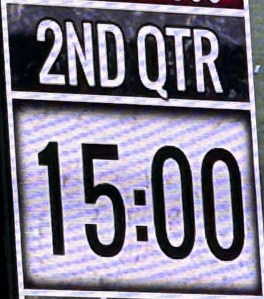
Having watched some football games today where, had the clock been managed differently, the outcome of the game might have been different, I was reminded just how important controlling the clock is. I recently blogged about this in Time Is A Tool. Then, this same topic has surfaced while reading Work Clean: The Life-changing Power of Mise-en-place To Organize Your Life, Work, and Mind by Dan Charnas. Charnas emphasized the idea that chefs approach time with intention and design, rather than simply allowing it to pass by. This means that chefs actively structure their workflows, schedules, and cooking processes to maximize efficiency and creativity in the kitchen.

Charnas pointed out that chefs don’t just let time pass – they design it. He also highlighted how professional chefs are constantly thinking about the timing of each task, from preparation to cooking to plating. They synchronize their activities to ensure that each component of a dish is executed at the right moment, which is crucial in delivering high-quality meals.
This perspective can be applied beyond the kitchen as well, suggesting that in any profession or aspect of life, being mindful and strategic about how we use our time can lead to better results and a more fulfilling experience. Essentially, it’s about taking control of your time rather than being reactive to it.
Nostalgia: Our Kids Triggering Memories

As I sit and do my morning study and reflection time today on Thanksgiving, a great feeling rushes over me as I think about my son, Heath, being here and in his room. I have been excited about him being home for Thanksgiving ever since he told us he would be here. Keep in mind I was just with him last weekend for our trip to the Harvard/Yale football game (The Game). Those that know me know that ever since he started college I would be in a funk when he was gone. Now that Heath is an adult and out of college I’m not quite as bad, but I must admit I was in a bit of a funk after leaving him on Sunday till he got home last night. Just seeing his truck parked in the driveway this morning brings me joy. I know, it’s weird, but I love spending time with my son.
This all got me thinking about why we get that great feeling when our kids are home and under our roof visiting. There’s something incredibly comforting and fulfilling about having our adult children return home. Here are a few things that come to mind as I sit and reflect:
- Sense of Connection: Having our kids home creates a sense of closeness and connection. It’s a reminder of family bonds and shared experiences, which can bring joy and warmth.
- Nostalgia: Seeing them in their old spaces may evoke fond memories from their childhood. These memories can be bittersweet but ultimately rewarding, as they remind us of the journey we’ve all taken together.
- Safety and Comfort: Knowing that our children are safe and sound at home can alleviate worries. Home often represents a place of comfort, stability, and security.
- Pride: Watching our children grow into adults can bring a deep sense of pride. You may feel satisfaction in seeing them navigate life independently and then choose to return to their roots.
- Opportunities for Connection: Their presence offers opportunities for meaningful conversations, laughter, and the chance to reconnect. It fosters an environment for building deeper relationships.
- Fulfillment of Parenthood: For me, seeing Heath thriving and returning home affirms that we did okay raising him. It can affirm the love, support, and guidance we’ve provided over the years.
Overall, these moments can be a combination of joy, reflection, and gratitude, making their return feel especially sweet.
Building A Lasting Legacy

I am reading the great book Apostle: Travels Among the Tombs of the Twelve by Tom Bissell. He made a thought-provoking statement when discussing the Acts of Thomas that offers valuable insights for leaders. The phrase that caused me much deep thought about our legacies was, “Most Kings tend to be builders because building is what ensures the king’s legacy.” Bissell went on to explain that it would be hard to search for a King in history who had not built things.

This made me think of those memorials are constructed for, stadiums named after, buildings funded by great women and men, and other things constructed as legacies. I wondered if this was enough for a legacy. I decided it was not. This is not to say, however, that university buildings, hospitals, or other greatly needed structures are not important legacies, but I believe a legacy should be more.
Here are a few key takeaways from my thoughts on Bissell’s comment on Kings being builders:
- Legacy Matters: Just as kings build to ensure their legacy, leaders should think about the long-term impact of their decisions. Building something enduring—be it a company culture, community initiatives, or innovative products—can leave a lasting mark.
- Vision and Ambition: Successful leaders often share a vision that drives them to create and innovate. This ambition can inspire teams and followers, fostering a sense of purpose and direction.
- Investment in Growth: Building isn’t just about physical structures; it’s also about investing in people and processes. Leaders who prioritize development—be it through mentorship, training, or resources—are likely to cultivate a strong foundation for success.
- Responsibility and Stewardship: With the power to build comes the responsibility to do so wisely. Leaders should be mindful of the impact their actions have on various stakeholders and the environment, working towards sustainable and ethical practices.
- Adaptability and Innovation: The desire to build encourages leaders to adapt and innovate in response to changing circumstances. This flexibility is crucial in navigating challenges and seizing new opportunities.
Overall, Bissell’s statement served as a reminder that effective leadership and being significant involves not only making decisions but also actively creating and nurturing positive change in the world.
The Obscurity of Leadership Language

I am reading a great book right now published in 1936. The book is Language, Truth, and Knowledge by Alfred Jules Ayer. It is not a leadership book, but as a person who preaches that language matters, this book has many lessons for leaders. Ayer was a prominent figure in the field of philosophy, particularly known for his work in logical positivism, emphasized the importance of empirical experience and the limitations of language in conveying certain types of knowledge. He argued that our understanding of the world is fundamentally rooted in sensory experience. According to Ayer, experiences gained through the senses are direct and immediate, providing a solid foundation for knowledge.

In contrast, Ayer viewed language as a tool for expressing thoughts and ideas, but one that can often lead to misunderstandings or ambiguities. I guess this is why I believe so strongly that language matters. He believed that while language is essential for communication and the sharing of ideas, it can sometimes obscure the clarity of direct experience. For Ayer, meaningful statements must be verifiable through empirical observation, aligning with his broader stance on the significance of scientific and logical analysis.
One thing that jumped out at me early is Ayer’s work on tautologies. A tautology is a statement that is true in every possible interpretation, often because it redundantly repeats the same idea in different words. In logic and rhetoric, tautologies can be used to emphasize a point, but they typically don’t add any new information. Here are a few examples:
- “It is what it is.” – This phrase reiterates the same idea without providing any additional insight.
- “Free gift.” – A gift is inherently free; the word “free” is unnecessary.
- “Absolutely essential.” – If something is essential, it’s already absolute by definition.
- “Either it will rain tomorrow or it won’t.” – This is true regardless of what happens, as one of the two options must occur.
- “The future is yet to come.” – The future, by definition, refers to events that have not occurred yet.
We all use tautologies and this made me release how important it is for us, as leaders, to go beyond tautological statements when addressing issues – particularly in crisis or emergency situations. While tautologies can sometimes provide clarity or reassurance, relying solely on them can come off as evasive or lacking depth.
Remember: language matters. Effective leadership communication should include:
- Clarity and Specificity: We need to clearly articulate our vision, strategies, and the steps we will take to address issues. This helps foster understanding and buy-in from our audience.
- Engagement: Meaningful discourse encourages dialogue and engagement. Using rhetoric that invites questions and discussions is more effective than simply stating obvious truths.
- Actionable Insights: We should strive to provide insights that are actionable and grounded in real scenarios. This empowers teams to understand the context and move forward effectively.
- Building Trust: Communicating transparently and thoughtfully helps build trust. People are more likely to respect and follow us if our communication addresses concerns with depth rather than relying on circular reasoning.
Bottom-line: We, as leaders, should aim for a more nuanced approach to communication that fosters understanding and inspires action.
 Byron's Babbles
leave a comment