Eccentric VS Conventional: Fostering Genuine Connections Across Cultures and Contexts

I am a big believer in how important it is to understand and appreciate others. I have blogged about this topic before in posts like, Building Relationships By Understanding and Appreciating. Then today in The Father Brown Stories I read a comment imposed by G. K. Chesterton on Father Brown saying, “To tell the truth, I was thinking how little some kinds of people know about other kinds of people” (p. 258). This is so true and drives home my belief in seeing every human as a unique individual. This is such an important attribute of human centered leadership.

In the context of Chesterton’s story he used the examples of English Barristers and Poets. Chesterton said, “They would think he must be rather eccentric; but he isn’t at all eccentric, he’s only conventional. They would think so, because they don’t know anything about…” (p. 258). Think about that. How many times has someone thought you were eccentric or quirky because that someone did not know anything about you. If we’re honest, we’ve done this same things to others. I work really hard at not doing this. Again, understand and appreciate!
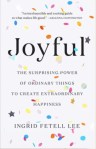
This reminded me of another post I wrote back in 2020 after reading the great book Joyful: The Surprising Power Of Ordinary Things To Create Extraordinary Happiness by Ingrid Fetell Lee. Lee taught us not to feel bound by convention; break the mold and bring joy to the world. We need to use playful design and embrace our quirkiness. I wrote about this in Leading With A Touch Of Quirkiness.
To be effective leaders we need to recognize that we don’t have all the answers or full knowledge of others’ lived realities. Cultivating an inclusive culture involves making genuine efforts to understand diverse viewpoints, experiences, and values within an organization. By acknowledging the gaps in our understanding—much like the Chesterton’s quotes suggest—we can foster empathy, reduce biases, and create an environment where everyone feels valued, heard, understood, and appreciated.
Leading As A Joy Giver

Yesterday I was meeting with one of our great National FFA Mentor Teacher Ambassadors, J. R. Pierce, from Montana. I am excited to be going to his school in August to do a two day leadership program for the student leaders in his school. As we were finalizing the plans, J. R. shared one of his profound thoughts that I have grown to appreciate him for. He said, “I see how teacher joy goes out the window!” I then said that he couldn’t just make that statement and us not discuss it.
I asked him, “How do we keep that from happening?” I loved his answer and it was so true. He said “We need to quit killing the joy in other teachers; especially our younger teachers.” His solution for this was to keep our opinions to ourselves. An example he gave was when a teacher is working on a bulletin board and another teacher rants that it is a waste of time and they’re not taking the extra time to do that. That ranting teacher was killing teacher joy and needed to keep their opinion to themself.
These “joy killers” are what I also call a “buzz kill.” Beware of the buzz kill! That person who is in your organization, community, class, school, or government who takes a perfectly good idea, concept, or change and shucks it off as being worthless or not meeting their own values. The thing about buzz kills is they are usually smart, respected, and rationale people. They appear to be very noble in their actions and may not even know they are killing someone’s joy. Can you think of a time when sharing your opinion killed someone’s joy? I can!
Think about it. If we hear that something we are doing is stupid enough times, we will lose our joy. I have continued to ponder J. R.’s thoughtful solution of keeping our opinions to ourselves. Keeping our opinions to ourselves can help prevent unnecessary conflict and preserve harmony in our relationships. When we choose not to voice every thought, especially if it might be critical or dismissive, we create a more respectful and understanding environment. This consideration allows others to feel valued and free to express themselves without fear of judgment or negativity, which in turn helps maintain their happiness and confidence. Essentially, sometimes silence acts as a gentle gesture that protects others’ joy and fosters kindness and peace.
Everyone has joy killers in their lives, but we all have joy givers too. The challenge for us is to identify the joy killers to avoid, and replenish with the joy givers. Thanks J. R. for inspiring these thoughts. The world needs more great teachers like you! Here is our challenge: be a joy giver, not a joy killer.
 Byron's Babbles
leave a comment