Princess Diana, Mother Theresa, & Florence Nightingale: Their Similarities and Their Differences

Today I had the opportunity to dig deeper into the life of Florence Nightingale. I flew into London, England this morning for my Scholar in Residence program with the C. S. Lewis Foundation at the C. S. Lewis Study Centre at The Kilns. Before heading to Oxford, I spent time at the Florence Nightingale Museum. My interest in studying more about Florence Nightingale was inspired by the Audible Original Wild Swan: A Story of Florence Nightingale by Patti Callahan Henry. I already blogged about this once in Dreaming of Being Truly Useful.

There was an artifact in the museum that really jumped out at me. The postcard featured Princess Diana, Mother Teresa, and Florence Nightingale together that an artist had rendered. The museum provided two thought provoking prompt questions that I will provide some thoughts on:
1. Why do you think the artist chose to draw all three women together on the same postcard?
I believe the artist wanted to highlight the impact these women had on society and their respective fields. Each of them made significant contributions in their own ways and brought attention to important social issues. By depicting them together in a painting, an artist could be emphasizing the power of their collective influence and the lasting legacy they left behind.
An additional reason could be to celebrate these women as icons of compassion, kindness, and service. Princess Diana, Mother Teresa, and Florence Nightingale are all known for their selfless dedication to helping others and making a positive difference in people’s lives. Drawing them together could serve as a symbol of inspiration and remind viewers of the importance of empathy and generosity.
2. What are their similarities and differences?
First, they were all extraordinary women who left a significant impact on society through their work and contributions.
Secondly, they dedicated their lives to helping others and making the world a better place. Princess Diana was known for her charity work, especially in the areas of HIV/AIDS awareness and landmine removal. Mother Teresa was a renowned humanitarian and the founder of the Missionaries of Charity, an organization that provides care for the sick and needy. Florence Nightingale was a nurse who revolutionized healthcare practices during the Crimean War and is considered the founder of modern nursing.
Finally, all three women faced challenges and overcame obstacles in their personal lives. Their resilience and determination made them even more inspiring figures.
Overall, these remarkable women shared a commitment to service and compassion that continues to inspire people around the world.
Conversely, Princess Diana, Mother Teresa, and Florence Nightingale were different in several ways. Princess Diana, also known as Princess Diana of Wales, was a member of the British royal family. She gained worldwide recognition for her philanthropic work focused on issues such as HIV/AIDS awareness, landmines, mental health, and children’s hospitals. Princess Diana was known for her charm, grace, and sense of style. She used her platform to raise awareness about various causes and brought attention to those in need.
Mother Teresa, also known as Saint Teresa of Calcutta, was an Albanian-Indian Roman Catholic nun and missionary. She dedicated her life to serving the poor and destitute in India. Mother Teresa founded the Missionaries of Charity, a religious organization that provides humanitarian aid and runs homes for people with leprosy, tuberculosis, and HIV/AIDS. She received the Nobel Peace Prize in 1979 for her charitable work.
Florence Nightingale, on the other hand, was an English social reformer and the founder of modern nursing. She became famous for her pioneering work in nursing during the Crimean War. Nightingale elevated nursing to a respected profession and emphasized the importance of hygiene and sanitation in healthcare. Her efforts significantly improved patient care and laid the foundation for modern nursing practices.
While all three women were admired for their compassion and dedication to helping others, they made a difference in different areas and had unique contributions to society.
We Don’t Have To Lose

The iconic band Linkin Park has a song, “Fighting Myself”, that really got me thinking. The lyrics in the song say, “Fighting myself, I always lose.” It seems that many times when we try to overcome our own inner struggles or battles, we end up fighting ourselves. Then we often end up being defeated or unsuccessful. We need to cultivate the self-discipline of not fighting ourselves and keep pushing through obstacles. We also need to help cultivate this in those we serve. Providing a psychologically safe place, empathy, and compassion can go a long way.
It’s hard to not fight with ourselves. Sometimes, through self-reflection, self-awareness, and seeking support, we can overcome and find solutions to our inner struggles. It’s important to remember that everyone’s experiences are different, and what works for one person may not work for another. Ultimately, it’s about finding healthy ways to confront, understand, and address our inner challenges.
I’m Jumping Ship

Building strong relationships based on respect and empathy is a key leadership quality to help prevent individuals from feeling the need to distance themselves and watch the leader fail. These relationships are built by establishing open lines of communication and creating a culture of trust and transparency. Being included in decision-making processes and ensure that each person’s voice is heard and valued. By providing support, recognition, and opportunities for growth, we give individuals a stake in the success of the team or organization. It is also important for the leader to address any concerns or grievances promptly and effectively, showing that we take feedback seriously.

Unfortunately, we have probably all experienced a lack of trust or disillusionment with the leader’s actions or decisions. I know I have. There is a great line in Beartooth’s song, “Doubt Me”: “I’ve let you take enough from me; I’m jumping ship to watch you sink; When you look back and I’m still standing.” You ever felt this way? Again, I have. There could be several reasons why someone might say that to a leader. One possibility is that we feel like the leader has taken advantage of us or caused us harm in some way. We may believe that by distancing ourselves from the leader and observing their downfall, we can regain a sense of power or justice. No matter the specific context the outcome of someone wanting to jump ship always involves circumstances surrounding the relationship between the person and the leader.
Don’t Stand Behind Riddles

I love the show Chicago P.D. Last night I watched an episode where Detective Alvin “Al” Olinsky (Elias Koteas) told Officer Sean Roman (Brian Geraghty) to “Say what’s on your mind, don’t stand behind riddles.” Don’t you hate it when people do that? We should express their thoughts and feelings openly and directly without using confusing or ambiguous language. This encourages clear and honest communication instead of hiding intentions or messages behind obscure or cryptic statements. Our words matter.
Take Risks Or Go Sell Ice Cream

It is hard to live completely risk averse and even harder to live out our purpose without taking some risks. Tonight, at the end of FBI International, Supervisory Special Agent Scott Forrester (Luke Kleintank) told Special Agent Cameron Vo (Vinessa Vidotto), “If you are not willing to take risks on this job, go sell ice cream.” This was after Cameron had shared she had make some tough calls, taken a risk, and lost a friend in the process of doing the right thing. I guess if someone is risk-averse or prefers a stable and predictable career path, they should consider a job like selling ice cream, where the potential for unexpected challenges or risks is minimal. We must also create environments where it is okay to take risks.
Some leaders have a higher risk tolerance than others. Here’s the balancing act: taking on too much risk can have dire consequences, as can embracing too little risk. As a leader, it is crucial to strike a balance between managing risks and creating an environment that encourages calculated risks and learning from failures. The problem with risk aversion is that it’s stifles those you lead. In this episode of FBI International, Forrester had encouraged Vo to take a case and run with it. She knew she could call and talk things through, which she did, but also knew she had the autonomy to make the risky decisions. While it is important to assess and manage risks to protect the well-being of individuals and the organization, being overly risk-averse can hinder growth, innovation, and personal development. It can discourage individuals from taking on new challenges, exploring creative solutions, or stepping outside their comfort zones.
Tearing Down Fences

You all know I love a good metaphor. I was reminded of a great one while reading What Never Happened: A Thriller, by Rachel Howzell Hall this morning. A reference was made to Robert Frost having said, “Don’t ever take a fence down until you know why it was put up.” Frost was emphasizing the importance of understanding the reasons behind certain boundaries or restrictions before dismantling them. This metaphor encourages thoughtful consideration and analysis before making any changes or decisions. Frost suggested that before we remove or challenge established rules or structures, we should fully comprehend their purpose and potential consequences.

Understanding the intended purpose will give us a better idea of whether the fence is still relevant or if there are alternative solutions. Once we understand the original purpose, we can evaluate whether the metaphorical fence still serves its intended function. This metaphor also reminds us to seek others’ perspectives and opinions on whether the fence should be taken down or challenged. This can help us to make decisions that are made collectively and with a broader understanding of the situation.
Leading Like A Sunflower

Another phrase in What Never Happened: A Thriller, by Rachel Howzell Hall jumped out at me during my reading time yesterday. Aunt Gwen told Coco, “better to be a sunflower instead of babies breath.” This was a great analogy that suggested it is preferable to stand out and embrace individuality rather than blend in and conform to societal norms. Sunflowers are known for their vibrant colors and tall stature, symbolizing uniqueness and confidence. Conversely, baby’s breath is a delicate and common flower often used as filler in floral arrangements, representing conformity and similarity.

Embracing individuality allows us to tap into our own strengths and talents, fostering a sense of confidence and self-belief. Also, by embracing our own unique qualities and expressing them authentically, we are more likely to attract people and opportunities that align with our own true self.
We need to encourage embracing one’s own identity and standing out from the crowd rather than striving to fit in. Standing out from the crowd can inspire others and make a positive impact on the world around you. By being true to ourself, we may encourage others to do the same, creating a ripple effect of authenticity and empowerment.
Don’t Pussyfoot Around

I, for one, really value straightforwardness and honesty, and want others to be clear and direct in expressing their thoughts and opinions. As Machiavelli said, “Declare.” Yesterday while reading the awesome novel, What Never Happened: A Thriller, by Rachel Howzell Hall I came across a line that reminded me of this. The main character of the book, Colette “Coco” Weber, said, “I hate anonymity. Say what you mean. Don’t pussyfoot around.” She was expressing her frustration with people being evasive or indirect in their communication. At that moment in the book, Coco was frustrated with her aunt Gwen beating around the bush and using vague language instead of being upfront. This was a great reminder that when communicating, we need to ensure that our message is clear and to the point. Also, don’t forget that using jargon or ambiguous language can lead to misunderstandings.

In our leadership roles, we need to clearly communicate our expectations for communication within teams, groups, or the entire organization. We need to model and create an environment where everyone can be and is expected to be direct and honest in their communication and emphasize the importance of avoiding misunderstandings.
Forgetting What We Know To Learn What We Think

During a discussion this week, I had a person tell me, “Forget what you know and tell me what you think.” I had to think for a moment and ask the person what she meant. She wanted me to forget what I knew and share more about my personal opinion, not just data and facts. She wanted to hear my thoughts and opinions in order to explore new ideas and perspectives. I’ve got to say this was exhilarating. Sharing our thoughts and opinions opens the door for collaboration and discussion, which can lead to innovative solutions and a deeper understanding of complex issues.
This reminded me that there are times when we should set aside any preconceived notions or biases we may have and instead focus on our own thoughts, opinions, and ideas. This encourages independent thinking and an open mind, allowing for fresh perspectives and innovative solutions to problems. I was also reminded that when we hold on too tightly to what we already know, we limit our ability to learn and grow.
Leading Like A Chess Board
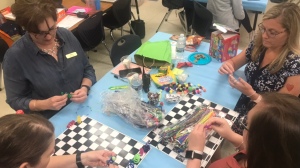
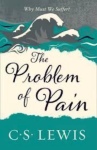
In The Problem of Pain, C. S. Lewis said, “The ability of the chess player to play chess is dependent upon the rigidity of the squares and the board.” The leader is the board and the squares. This was a great metaphor that compared the role of a leader to that of the chessboard and the squares on it. The rigidity of the squares represents the consistency and predictability that a leader should exhibit. Just as the squares on a chessboard remain fixed, a leader’s actions and decisions should be reliable and consistent. This allows team members to trust in their leader’s guidance and feel secure in their roles.
In chess, the squares on the board provide a structure and foundation for the game. Similarly, a leader provides structure and a framework within an organization or group. They create an environment where their team members can operate and collaborate effectively. The rigidity of the squares in a chessboard can symbolize the structure and order that a leader brings to an organization or group. Just as each square has a specific position and role on the chessboard, a leader sets clear expectations and assigns roles and responsibilities to each team member. This helps create a sense of order and accountability within the organization.
The rigidity of the squares refers to the stability and consistency of the leader’s approach and decision-making. Just like a stable and well-structured board is essential for playing chess, a leader’s consistency and clarity in their actions and decisions are crucial for their team’s success.
All of this highlights the importance of a leader’s role in providing structure, stability, and consistency to enable their team members to perform at their best.
 Byron's Babbles
leave a comment