Under the Weight of Wrath: Building Foundations in a House of Cards

This is my seventh post addressing the seven deadly sins. I was inspired to take this journey of learning by the great band, Deadlands. The lyrics that Kasey Karlsen wrote for each of the sins are amazing. In this last song, “House of Cards”, dealing with the deadly sin of wrath, I also have to give a shout out to CJ Arey, who writes the music. When I listen to the notes, I actually hear wrath. When I listen to the song and study the lyrics, I hear a focus is on the fragile nature of constructed facades and the importance of authenticity and resilience. It emphasizes vulnerability and the fleeting stability of appearances. If you think about it, wrath makes us very fragile – probably why it is one of the seven deadly sins.
The themes of anger or frustration come through loud and clear as part of the broader idea that superficial structures can easily break down when faced with intense emotions. When I think about the fragile structure of a house of cards that is insubstantial or easily destroyed, I am drawn to the phrase in the song, “I see right through your paper soul (paper soul)”. To me this suggests that Kasey and CJ perceive the villain in the song as being superficial, fragile, or insubstantial—like a paper soul. It implies that beneath their exterior, there’s a lack of genuine depth or authenticity, and that their emotional or spiritual core is easily torn or broken. The repetition of “paper soul” emphasizes its fragility, highlighting that what might appear to be something substantial isn’t truly resilient or real. Thus, if we operate like that we are like the metaphorical house of cards and easily destroyed. Overall, it’s an incredibly poetic way of expressing that a person’s true self or inner essence is transparent and potentially fragile.
The metaphor of a house of cards so beautifully relates to wrath. Wrath, like a house of cards, can appear controlled and manageable on the surface, but underneath, it’s fragile and easily toppled. When we become filled with intense anger, their emotional stability may rest on delicate foundations—just like a carefully balanced stack of cards. A slight provocation or unexpected event can cause it to collapse suddenly, revealing how volatile and unstable wrath truly is. This metaphor highlights the potential for destruction and the importance of managing anger before it causes everything to come crashing down.
Chasing Enough: How Greed and Vanity Keep Us Spiraling in the Pursuit of More
Back in July I wrote a post about greed titled, Greed Is An Exception. Greed is one of the seven deadly sins and I was writing the post as part of a series about the deadly sins. Yesterday, after visiting a very dear friend that I always kid about being a bit vane, I heard the great Royale Lynn song, “Greed”. The song, that you really do need to listen to (or better yet watch the video I’ve linked here for you), got me thinking about the crossover between vanity and greed. Both can stem from a desire for superficial or materialistic gains—vanity focusing on appearances and external validation, while greed centers on accumulating wealth or possessions.
A couple of lines really jumped out at me in Royale Lynn’s song. The first was, “And you’re never satisfied; There’s nothing that you won’t do.” When driven excessively, vanity can lead individuals to prioritize their image above all else, sometimes at the expense of ethics or humility, which can resemble greed’s obsession with accumulation. If you’ve ever encountered a vane leader, you know how this can hinder the effectiveness of this individual.
The other lines, “Feed on the greed that makes you; When it’s gonna be too much; When It’s gonna be enough; You always want more” highlight the relentless nature of greed and how it can drive individuals to continuously seek more, often without regard for ethical boundaries or personal limits.
Relating this to the crossover between vanity and greed, these lyrics suggest that vanity—an excessive pursuit of beauty, status, or admiration—is fueled by a similar insatiable desire. Both traits involve an underlying craving for validation, control, or recognition. Just as greed pushes for material accumulation beyond necessity, vanity pushes for external affirmation beyond genuine self-acceptance.
The lines also imply a point where fulfillment is never truly reached (“When It’s gonna be enough”), reflecting how both greed and vanity can become addictive, leading people to perpetually chase after more—more wealth, more admiration, more power—making it hard to recognize when they have enough. This interplay underscores how both traits can intertwine, often reinforcing each other in a cycle driven by a need for control, recognition, or superiority, rather than genuine fulfillment.
Being Legendary: Unleashing Our Inner Power

Yesterday as I was coming home from showing dairy cows at the Indiana State Fair I heard Pop Evil’s great song, “Be Legendary.” As I was listening, I thought about how well the lyrics of this song relate to a post I did last week titled “Don’t Let Others Limit You.” The lines “Fight the power, scold the doubters; They don’t know how we roll; Keep an eye out, watch your back now; We’re coming for the crown” embody a bold, defiant attitude centered around resilience, self-belief, and persistence in the face of opposition or doubt.
Relating this to my blog post “Don’t Let Others Limit You,” the message is quite aligned. In that post I emphasized the importance of trusting ourselves, embracing our unique strengths, and not allowing external judgments or negativity to hold us back from pursuing our goals and leadership journey. Both the song lyrics and the blog post encourage standing firm, pushing past critics, and striving relentlessly toward success or greatness.
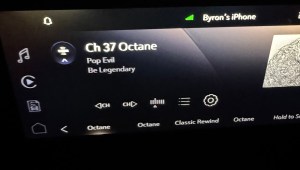
In essence, the song’s empowering call to fight against opposition echoes my advice to resist external limitations and prove others wrong through determination and self-confidence. Together, they inspire us all to stay strong, assertive, and committed to their own path regardless of challenges or doubts from others. As the song says: “Edge of glory, write your story
Seize the moment, no regrets
Our name in stone, forever more.”
Leading From Where We Are
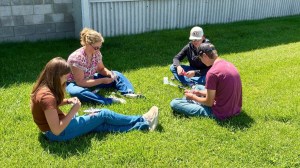
Yesterday I wrote a post entitled Grounded in the Present: Embracing the Power of Being Where Your Feet Are. That post was inspired while doing leadership development for high school students involved in FFA, BPA, student council, volleyball, basketball, and football at Shields Valley High School in Clyde Park, Montana. The post was about a great comment made by a student. He said, “We need to be where our feet are.” This was also a great reminder to that we must also lead from where we are.
Leading from where we are means focusing on the present moment and leveraging our current resources, strengths, and understanding to guide our team effectively. The qualities I mentioned—active listening, attentiveness to details, and prioritizing tasks—align perfectly with this approach because they encourage us to be fully present and engaged in the situation at hand.
By listening actively and paying close attention to what’s happening now, leaders can make thoughtful decisions based on the real-time context rather than being distracted by past setbacks or future worries. This mindset helps build trust, as team members feel genuinely heard and understood, fostering authentic connections. Ultimately, leading from where we are empowers us to act with clarity and confidence, even amid uncertainty, creating a resilient and adaptable leadership style rooted in awareness and connection.
Don’t Let Others Limit You
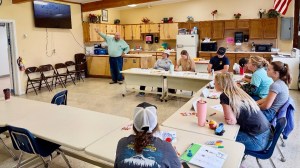
This is another post inspired by the students at Shields Valley High School in Clyde Park, Montana. I was in Montana all this week doing a student leadership development event. These students were very engaged and thoughtful. I took lots of notes from their thoughts that inspired me. I’ve already blogged about this event once in Grounded in the Present: Embracing the Power of Being Where Your Feet Are. Another great comment made by a student was “You are not limited by other people.” I loved this because so many times we let others limit us by letting them influence what we are doing, by telling us what we should be doing, by letting our parents live vicariously through us, telling us we can’t do something, negativity, or other ways.
We stopped a moment to discuss this comment. These students were very cognizant of how others can limit us. We can all learn several valuable lessons from thinking about not being limited by other people. Here’s how:
- Empowerment and Self-Potential: We are encouraged to recognize that our abilities and potential are within our own control. External opinions or doubts shouldn’t define what we can achieve.
- Resilience Against Negative Influences: We often face peer pressure or criticism. This phrase reminds us that we are not confined by others’ perceptions, allowing us to stay true to our vision and values.
- Independent Thinking: It promotes confidence in making decisions based on our own judgment instead of being overly influenced by others’ expectations.
- Encouraging Innovation: When we understand we aren’t limited by others’ beliefs about what’s possible, we’re more likely to pursue creative ideas and initiatives.
- Fostering a Growth Mindset: Recognizing that limitations aren’t imposed by external sources motivates us to focus on our personal growth and continuous improvement.
Overall, these high school students gave us a powerful reminder for to trust ourselves, embrace our unique strengths, and not let external judgments restrict our personal journey.
Grounded in the Present: Embracing the Power of Being Where Your Feet Are
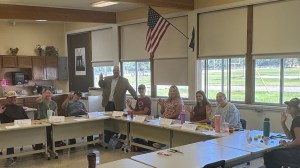
This week I’ve had the honor of being in Clyde Park, Montana at Shields Valley High School doing leadership development for high school students involved in FFA, BPA, student council, volleyball, basketball, and football. It has been a great week working with the students around the theme of “Everyone Is A Leader.” As is always the case, I am being inspired by the students as much as they are by me. One of the students, FFA officer Andrew Long, made the very profound comment on our first morning together that, “we need to be where our feet are.” This fit so well with our discussion of leading from where we are and that everyone is a leader and very quickly became a theme we kept coming back to.

The phrase “we need to be where our feet are” means to fully focus on and be present in the current moment or place. It encourages mindfulness and paying attention to our immediate surroundings, rather than being distracted by past concerns or future worries. Essentially, it’s a reminder to stay grounded and engaged with what’s happening right now.
The leadership lesson from the phrase “we need to be where our feet are” is the importance of presence and mindfulness in leadership. As a leader, being fully engaged in the current moment allows us to better understand our team’s needs, make thoughtful decisions, and respond effectively to challenges. It encourages leaders to listen actively, be attentive to details, and prioritize the task at hand, rather than getting distracted by future uncertainties or past mistakes. Ultimately, it promotes authentic leadership rooted in awareness and connection, fostering trust and clarity within our team.
Needing To Know Versus Wanting To Know Something Else

Loved this line from George MacDonald in his great book, Lilith, a Romance: “We are often unable to tell people what they NEED to know, because they WANT to know something else, and would therefore only misunderstand what we said.” Right before saying that, the raven said, “…you and I use the same words with different meanings.” These statements really hit home because they are so true. I know I have been on both sides of this equation.
First, we are reminded how much our words we use matter. It is also important that we establish a common meaning for the words we use. Our words matter. They matter a lot. I always say that language matters. Another comment from the raven was, “…it involves a constant struggle to say what cannot be said with even an approach to precision…” Sometimes it is just hard to find the right words. When we can find common meanings for our words, we can begin to truly understand each other. To get the point here, think back to a meeting when someone was speaking in the lingo of an industry you were not familiar with. Super frustrating, isn’t it?
Now back to the comment of “…unable to tell people what they NEED to know, because they WANT to know something else…” This is one of those places where we need to be open-minded and malleable. So many times we aren’t hearing what we need to hear because we are listening for something else. Additionally, we get so focused on something that we do not hear what we need to know. One way I combat this is to ask the question, “What do I need to know?” If I am really listening to understand when I ask that question, I put myself in a much better place to learn what I need to know.
Authenticity Matters

Authenticity is such an important leadership attribute that so often gets overlooked. Building trust requires honesty and sincerity—leaders who are authentic foster stronger connections and loyalty. The great band Set It Off has an awesome song about authenticity, “Rotten.” Here is what vocalist and songwriter for Set It Off, Cody Carson, had to say about the song:
“Our new song ’Rotten’ is about the lack of authenticity I see so often out in the world,” explains vocalist Cody Carson in a Livewire interview. “It’s about people manipulating others just because they want something from them. Then the exploiters get what they want via the synthetic sugar they’re pumping out, but eventually… it’s going to rot out their teeth and those people will see the truth.”
I love the lines in the song, “But your sugar is sweet ’til it rots all their teeth; So save the charade, and your candy-coated blade underneath.” I interpret this as a metaphor for the deceptive nature of appearances or superficial charm. Leaders should focus on genuine qualities rather than superficial sweetness, as false appearances can ultimately cause harm or erode trust. What seems appealing on the surface might have hidden consequences. Leaders need to look beyond surface-level charm to understand true intentions and impact. Offering false praise or superficial kindness might attract short-term favor, but it can damage relationships and credibility in the long run.
This song serves as a powerful reminder that superficial allure can be deceptive, and lasting leadership is rooted in authenticity and integrity.
Understanding Envy: The Deep Longing to Mirror Others’ Achievements and Qualities
I must say as I begin this post about a sixth of the seven deadly sins that I am in absolute awe of the great band, Deadlands, taking this project on. The lyrics that Kasey Karlsen has written are amazing, spot on, and thought-provoking. As I listened over and over to their song about envy, “Kundalini”, I pondered and studied envy more deeply. I first pondered why envy is a deadly sin and not jealousy or self-interest.
Envy is considered a deadly sin because it involves a deep, resentful longing for what others have, often leading to destructive feelings and actions that can harm both oneself and others. It fuels bitterness, greed, and a desire to undermine or take away what belongs to someone else, ultimately corrupting the individual’s soul and relationships.
Jealousy, on the other hand, is usually seen as a more immediate emotional response—an uneasy feeling of insecurity or fear of losing something or someone. While it can also be harmful if left unchecked, jealousy is generally regarded as a temporary emotion rather than a persistent vice.
The key difference lies in their nature: envy involves a longing rooted in resentment and covetousness, making it a more dangerous and corrosive attitude, whereas jealousy is often a transient feeling that can be managed or understood.
In Deadland’s song, “Kundalini,” the line “I’m my own rival” suggests that our biggest challenge in combating envy is often ourselves. Instead of comparing ourselves to others and feeling envious, we can focus on personal growth and self-improvement. Recognizing that our primary competition is our own potential encourages us to set internal goals, celebrate our progress, and cultivate gratitude for what we have. By shifting the focus inward, we reduce the power of envy and foster a healthier, more confident mindset. Ultimately, being your own rival means striving to be better than your past self, rather than constantly measuring against others.
The lyrics “Don’t care if it’s blasphemy; I’ll take your legacy; Rip the scales from my face, put myself in your place” are a powerful expression of our envy and desire to transcend our limitations by directly experiencing what another has. These lines remind us of the deep yearning to embody or possess what belongs to someone else—whether their achievements, identity, power, or inner qualities—by any means necessary, even if it means crossing moral lines. It captures a sense of intense desire to bridge the gap between oneself and the admired individual, driven by envy and aspiration.
Beyond Lust: The Illusive Dream of Perfection and the Tragic Beauty of Chasing Illusions

I love C. S. Lewis’s description of lust in The Great Divorce where he said, “Lust is a poor, weak, whimpering, whispering thing compared with that richness and energy of desire which will arise when lust has been killed.” Generally, we think of lust primarily pertaining to an intense desire for sexual pleasure, whereas the other deadly sin of greed involves an insatiable craving for material wealth, and the deadly sin of envy is characterized by longing for what others possess. Each of these vices targets different aspects of human fulfillment—physical, material, or social—though they all stem from a similar underlying struggle with self-control and moderation.
I do believe lust goes beyond just sexual pleasure. An example of this can be found in Prince Caspian (The Chronicles of Narnia) where the Telmarines, who have overtaken Narnia, often display a lust for power and status, which could be seen as a form of luxuria, an overreach or excessive desire beyond reasonable bounds. Lewis’s focus in the story tends to emphasize virtues like humility, bravery, and faith instead of indulgence or lust. Lust encompasses a strong yearning for any pleasurable experience or material gain. In many contexts, lust can refer to an insatiable desire for wealth, power, or other worldly pleasures beyond what is necessary or moderate.
As I write this fifth post inspired by Deadlands’ great collection of songs dealing with the seven deadly sins I am pondering the lines, “Infatuated with the fantasy; A vital sign that I refuse to see.” These lines from Deadlands’ great song, “Limbo,” actually remind me of Daisy Buchanan, the central character in F. Scott Fitzgerald’s novel The Great Gatsby. Daisy is portrayed as a beautiful, charming, yet somewhat superficial woman who comes to symbolize elegance, wealth, and the elusive nature of the American Dream.
Daisy is beautiful and desirable but ultimately hollow and unfulfilled, reflecting the novel’s critique of the pursuit of happiness through material success. Similar to what Kasey Karlsen wrote and sings in “Limbo”, when she says “Taste of illusion that I can’t ignore,” Fitzgerald’s Daisy character highlights themes of illusion versus reality. Both the song and the novel explore how longing for an elusive perfection can compel individuals to pursue illusions at the expense of reality. This is lust at its worst.
 Byron's Babbles
1 comment