Leading With Questions Like Father Brown

Having just finished G. K. Chesterton’s Heretics, I began reading his Father Brown Stories. I’m only two stories in and I am already completely enthralled. Chesterton described Father Brown this way: “Father Brown had the kind of head that cannot help asking questions.”From this description we can draw valuable lessons about curiosity in leadership.

We can be a curious leader, like Father Brown. We just need to demonstrate a genuine interest in understanding different perspectives, uncovering underlying issues, and exploring new ideas. This inquisitiveness can foster a culture of continuous learning, encourage openness, and builds trust within our organizations. By asking thoughtful questions and really listening to understand the answers we receive, we invite collaboration, empower others to share their insights, and identify opportunities for growth and improvement.
Let’s face it, curiosity fuels innovation and resilience. It helps leaders stay adaptable, make informed decisions, and connect more deeply with their team members. Emulating Father Brown’s inquisitiveness can lead to a more engaged, creative, and high-performing environment in our organizations.
Leading As A Inquirer

At a leadership development gathering yesterday we discussed what it means for a leader to be an inquirer. To be an inquirer we must possess a curious and open-minded attitude, continuously seek to learn, understand different perspectives, and question assumptions.
Rather than simply barking orders or sticking rigidly to past methods, an inquisitive leader explores new ideas, listens actively to others, and is willing to challenge the status quo. This inquisitiveness fosters innovation, adaptability, and growth within our team or organization, inspiring others to think creatively and pursue constant improvement. Ultimately, an inquiring leader understands that true leadership involves ongoing learning and a willingness to explore beyond immediate answers.
What insights do you have about yourself as an inquirer? What are your strategies, assumptions, or habits?
Using The Truth From The Myths To Unleash Creativity

I’ve been thinking about myths a lot lately in my studies of C.S. Lewis and J.R.R. Tolkien. There is such power in myths and how those myths transform how we see the world. Myths often encapsulate profound insights about human nature, challenges, and triumphs, making them a rich resource for understanding how creativity manifests across different contexts. I am reading The Creative Brain: Myths and Truths by Anna Abraham right now and am impressed with how she has used myths to explore and understand human creativity and the creative process. By analyzing various cultural myths, she aimed to uncover universal themes and archetypes that resonate with the creative experience. Her approach was not to declare the myths about creativity as right or wrong, but to understand how the myths came about what we could learn from them. Tolkien would be proud!
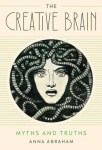
There were so many examples of how myths serve as powerful tools for understanding how interdisciplinary approaches and personal narratives can inspire creativity and foster a deeper connection with one’s work and community. Leonardo da Vinci is an example that embodied the myth of lone genius, but he worked in a crowded workshop and collaborated with others across diverse fields of study. He embodied mastery across multiple disciplines. This myth serves as a reminder that embracing diverse interests can lead to innovative thinking and problem-solving. By drawing from various fields—such as art, science, technology, and philosophy, individuals can create unique solutions and drive progress in their respective domains.
Abraham’s work also affirmed the encourage of deliberate practice. I am a big believer in and always try to create opportunities for individuals to engage in deliberate practice that includes being curious within their fields. This means setting specific goals, seeking feedback, and reflecting on their learning process, which can enhance our creative skills over time.
Finally, recognizing the value of personal experiences in the creative process is so important. We need to encourage others and ourselves to draw on life stories, challenges, and successes when being curious, brainstorming, or problem-solving.
By leveraging the principles based on Anna Abraham’s research presented in this great book, organizations and individuals can cultivate an environment that nurtures and enhances creativity.
Reflexivity And The Unfolding Drama

Earlier today I blogged about reflexivity and being curious in Reflexivity and Curious George. As I continued to think about this topic I wondered about the work of Patricia Pritchard, who wrote two of my favorite leadership books, The Drama of Leadership: Artists, Craftmen, and Technocrats and the Power Struggle That Shapes Organizations and Societies (1997) and Artists, Craftsmen, and Technocrats: The Dreams, Realities, and Illusions of Leadership (1997, 2nd edition). I wrote about Pritchard and these books in Leading With Artisanship. I learned from Pitcher that as an artist I will, at times, have vague, indefinable, long-term visions that get clarified by action and remaining open to new insights. In other words I’m being curious and reflexive. Artists know where they are going, but sometimes it’s vague and more a trip that destination.
“I claim that the visions of the visionary [artist] leader are no different in form or origin than those of an artist. If you ask a great painter what he or she’s going to paint next, it’s a rare one who will have a detailed answer and if he or she does, I doubt he or she satisfies the definition of great.” ~ Patricia Pitcher, 1997, The Drama of Leadership, kindle location 196 of 2456.
Reflexive leaders focus on the nuances of our environment, harness creativity, and foster a sense of authenticity in relationships. We are skilled in navigating complex interpersonal dynamics, much like artists who interpret and respond to their surroundings in unique ways. Reflexivity fits into Pritchard’s framework as it encourages leaders to engage in self-examination and awareness of their actions, thoughts, and the broader context in which they operate.
In Pitcher’s view, reflexivity allows leaders to step back and critically assess our roles, decisions, and the impact of our leadership style on others. This self-awareness is crucial for understanding the “drama” that unfolds within organizations, as it helps leaders recognize how our behaviors and perceptions shape team dynamics and organizational culture.
By fostering a reflexive approach, we can better navigate the complexities of our environments, respond to challenges with greater agility, and inspire their teams by modeling openness and adaptability. Reflexivity aligns with Pitcher’s emphasis on authenticity, communication, and the importance of relationships in effective leadership.
Reflexivity And Curious George

Yesterday, I had the opportunity to do a workshop for our National FFA Teacher Ambassadors of the National FFA Organization at the National Association of Agricultural Educators’ Annual Convention that is a part of the Association for Career and Technical Education annual conference here in beautiful San Antonio, Texas. It has been a great week of learning, renewing friendships, and making new ones. For me it’s about always being curious. In fact, that is what our workshop was about: “Engagement Begins With Being Curious.”

Of course, there had to be a through-line using Curious George. Which also meant I had to get into character. Emoni White, Program Specialist, Educational Development on the National FFA team, even made sure I was able to truly be “the man in the yellow hat” and transformed herself into Curious George (see featured photo). It is great to work with people like Emoni who want to be curious and help me be curious about making sure we do great workshops and making sure the proper supplies are made available.
As I was listening to the reflections from our wonderful ambassadors yesterday, it made me reflect on what being curious is all about. It also made me think about reflexivity in leadership. Reflexivity, the unsettling comfortable viewpoints, is an important aspect of leadership. By challenging established norms and encouraging critical thinking, leaders can foster an environment where team members feel safe to voice diverse perspectives and question the status quo. This process may initially create discomfort, but it ultimately leads to deeper insights, innovation, and growth.
Leaders who embrace this discomfort contribute to a culture of continuous improvement and adaptability, which is essential in today’s rapidly changing world. They demonstrate that it’s okay to reassess beliefs and approaches, creating space for meaningful dialogue and collaboration among team members.
Curious George is a great example to illustrate reflexivity in a lighthearted way. The character of Curious George embodies a natural curiosity and an eagerness to explore the world around him. His adventures often lead him to situations where he needs to think on his feet, reassess his approach, and adapt to new challenges.
For leaders, this kind of mindset—much like that of Curious George—can encourage openness to learning from experiences, whether they lead to success or unexpected outcomes. Leaders who model curiosity and a willingness to learn from mistakes can foster a culture where team members feel safe to try new things, share their ideas, and engage in meaningful discussions about how to improve and innovate.
Reflexive leaders are often seen as more authentic and trustworthy. Their willingness to acknowledge mistakes and learn from them can strengthen their credibility and foster a sense of safety within the team. Finally, When leaders model reflexivity, they promote a culture of learning within their teams. Team members feel empowered to reflect on their own practices, leading to innovation and growth.
A Honey Of A Deal For Being Interested In Learning

I remember being told that being interested makes us interesting. I believe this applies to being curious as well. Yesterday, I spent time at the Savannah Bee Company learning about honeybees, beekeeping, education, stewardship, and love. It was a reminder of just how curious and interested I get about a great number of subjects. Some have even called me eclectic. Guilty! Being interested in something can make us more interesting When we have a genuine passion for a subject or topic, it shows in our conversations and interactions with others. It can make us more engaging and knowledgeable, and can also spark curiosity and interest in those around you.

Yesterday, working with honeybees, I was reminded why I am such a believer in using real world and relevant contexts for learning. The Bee Cause Project introduces children to the science of bees and giving them a hands-on connection between these magnificent pollinators and their own lives. Founder and CEO, Ted Dennard is committed to the mission of building the buzz for integrating bees into education. By incorporating honeybee-related activities into STEAM (science, technology, engineering, agriculture/arts, and math) education, students not only learn important scientific principles but also develop skills in critical thinking, problem-solving, and data analysis. Additionally, they gain an appreciation for the natural world and a sense of responsibility towards sustainable practices.
It was exciting to take a deeper dive into learning about the, ecology, life cycle of bees, their and environmental behavior, and science. I was able to observe the bee’s hive and students in schools who are a part of The Bee Cause Project can also observe their own beehive and the bee’s role in pollination. And, by the way, produce a pretty sweet (honey) product in the process of learning. A relevant context at its best.
And, I can’t leave out the importance of Agriculture: honeybees are essential for pollinating crops, making them crucial to agriculture. By learning about beekeeping, students gain insight into agricultural practices and the importance of sustainable food production.
Being interested in STEAM subjects, for example, can lead to fascinating discussions and opportunities to share ideas and knowledge with others. So, integrating honeybee-related activities into the curriculum, is a great way educators can help students develop an interest in STEAM subjects while also promoting environmental awareness and sustainable practices. So, yes, being interested can definitely make you more interesting.
Curiosity To Exercise Judgement

In the great book, Change Your Questions, Change Your Life: 12 Powerful Tools For Leadership, Coaching, and Life by Marilee G. Adams the concept of judger mindset is explored. We can either be judgmental or exercise judgment. And the two are very different. Being judgmental refers to forming negative opinions or making harsh criticisms about someone or something without considering all the facts or being open-minded. It usually involves a biased and narrow-minded perspective.
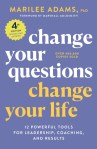
This really comes down to a leadership trait I talk about a lot: being curious. The book reminds us that “our questions shape our world. They can confine us in judgment or liberate us with curiosity.” Exercising judgment means making informed decisions or evaluations based on careful consideration of all relevant factors. It involves using critical thinking skills, gathering information, and analyzing different perspectives before coming to a conclusion. It comes down to, as Adams explained, being a “learner.” Asking, “How can I assist them to thrive?” instead of, “Why can’t they do anything right?” Exercising judgment, as leaders, allows us to be fair, objective, and rational.
While being judgmental can be harmful and create negativity, exercising judgment is an essential skill that helps us navigate through life and make wise choices.
Finding Our Own Place To Apply Our Vision

“Unfortunately, he had a strong aversion to the status quo whenever the status quo wasn’t as good as he thought it should be.” This was said of Dee Hock, founder of the Visa Credit Card, in VISA: The Power of An Idea by Paul Chutkow. This young leader didn’t have the resume’ yet and was searching for his place in the financial industry. Long story short, to solve a number of issues with credit cards, at the time, in 1979 he brought together a global group of friends called the visa family and rebranded a credit card called Visa. This enabled this young leader and entrepreneur to find a place to apply his vision.
Finding our place to apply our vision involves self-reflection, exploration, and a willingness to take risks. Here are a few steps that can help:
- Self-reflection: We must take the time to understand our passions, values, and strengths. What drives us? What are our core beliefs? This self-awareness will guide us in finding a cause or field that aligns with our vision.
- Explore different areas: Trying out different experiences, internships, or volunteer opportunities in fields of interest will give us a taste of different environments. This helps us understand what resonates the most.
- Seek mentorship: Find mentors or individuals who are already working in areas aligned with our vision. In Hock’s case, he put together his Visa family. They can provide guidance, share their own experiences, and help navigate the path toward goals.
- Embrace a growth mindset: Be open to learning and adapting along the way. Our visions will involve learning and evolve as we gain more knowledge and experience. We must stay curious and embrace new opportunities that come our way.
- Take calculated risks: Applying our personal vision may require us stepping outside of our comfort zone. We must not be afraid to take calculated risks and pursue opportunities that align with our goals. Remember, setbacks and failures are part of any journey, so don’t get discouraged.
- Connections and collaboration: Build connections with like-minded individuals or organizations. Again, think back to Hock’s Visa family. Collaborating with others who share a similar vision can help amplify our impact and open doors to new opportunities.
- Stay committed: Finding our place to apply our vision(s)can take time and persistence. We need to stay committed to our goals and keep taking steps towards them, even if the path is not always clear. If we trust in our abilities and believe in the impact we can make, we will make a difference.
Remember, finding our own place to apply our vision is a personal journey. It may take time and experimentation, but with determination and perseverance, we can find the right path to fulfill our vision.
Curiosity

Professor Smets told us in my University of Oxford Saïd Business School class this week that “You can’t hate something if you are curious about it.” This statement is important because it highlights the role of curiosity in promoting understanding, learning, and compassion. When we approach something with curiosity, we open ourselves up to learning and gaining new insights. This helps us see beyond initial judgments or prejudices and allows us to understand different perspectives. By being curious, we challenge our preconceived notions and create opportunities for growth and empathy. Ultimately, this statement suggests that hate is often rooted in ignorance or misunderstanding, and curiosity can be a powerful antidote to hate.
When we are genuinely curious about someone or something, we seek to understand rather than judge. We ask questions, listen actively, and try to put ourselves in their shoes. This not only promotes understanding but also fosters a sense of connection and empathy. Businesses that foster a curious mindset are more likely to attract and retain top talent. Curious individuals are naturally driven to seek out new challenges and opportunities for growth, and they thrive in environments that support their curiosity. Curiosity also fosters a culture of learning and continuous improvement. It encourages employees to seek out new knowledge and stay updated on industry trends, which can lead to the development of new skills and the ability to adapt to changing market conditions.
As leaders, we should encourage curiosity because it fuels innovation and drives growth. When employees are encouraged to ask questions, explore new ideas, and challenge the status quo, they are more likely to come up with creative solutions to problems.
I Am Mad That I Liked It

This week, while in Syracuse, New York, our Harvard Center for Education Policy Research National Center for Rural Education Research Networks team went to eat dinner at the great restaurant Oh My Darling. For dessert we had Beignets – WONDERFUL! Our server told us we would get chocolate and caramel sauces and lemon curd to dip our Beignets in. She also told us that mixing the chocolate and caramel together was wonderful – and it was! When we were done there was one Beignet left and I just couldn’t let it go to waste. So, I tried mixing the lemon curd and caramel together and it was delightful – really, better than the chocolate/caramel combination. I immediately had others at the table try the combination and they concurred. I shared the new combination with our server and she turned up her nose. She said, “There is no way that is better than the chocolate and caramel combo.” Immediately, someone on the team chimed in and backed me up and said, “Yes it is.” The challenge was on!
Our server then proceeded back to the kitchen to have them make her a single Beignet so she could try the new combination of Caramel and Lemon Curd to dip her Beignet in. We were ready to leave but waited with anticipation for our server to get back and report her taste testing results. What happened when she returned is why I am telling this story by writing this post. She returned with a smile on her face and said, “I am mad that I liked it.” This statement really intrigued me. I asked, “What do you mean by that?” Our server then stated, “It means that I am feeling conflicted or frustrated about enjoying something that I expected not to like.” She had found something, on my recommendation that went against her usual preferences or beliefs, but still found herself enjoying it. It was a playful way of expressing surprise or annoyance at her own enjoyment.
The way our server expressed her surprise or frustration at enjoying something unexpected had a profound effect on me. I kept asking everyone in our group, “Have you ever been mad that you liked something?” This is a pretty good prompt and I encourage you to contemplate the question. Of course, I had to do a little research on this and the feelings our server was having is an actual psychological thing. It’s called “dimorphous expressions,” or expressions of emotion that seem at odds with what a person is actually feeling. Interesting, right?
Oriana Aragón, an assistant professor of marketing at Clemson University and Yale Psychology Professor John Bargh studied why we have contradictory expressions. It seems that discovering something new that we like a lot can throw us off our game, causing a mix of emotions. You can probably think of times when this has happened to you. I know I can. I’m thinking of those simple times when someone wants us to try a food we’ve never tried and we say no, just knowing we weren’t going to like it. We might just miss out on something we really enjoy.
For me, this was a reminder to resist being skeptical or resistance to trying something new just because we don’t think it will work or be good. I’m thinking about things that aren’t just food here. It could be a new product idea, new technology to use, new vacation spot, or new idea for delivering content to those we serve. This experience was another huge reminder to use our curiosity and take risks. We won’t know if we don’t try. We won’t know if we aren’t open to others’ opinions, ideas, and experiences. As my favorite quote from an unknown author goes, “To argue with someone else’s experience of reality is futile…To add their experience to yours is possibly useful.” What are you ready to be mad that you like?
 Byron's Babbles
leave a comment