The Bear Facts of Leadership
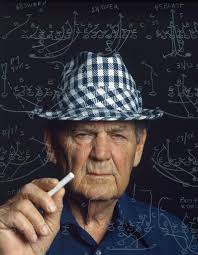 Every winner has a coach, and every coach has a philosophy. Lets take a deeper look inside the philosophy of one of the best. It is appropriate on this weekend before the National College Football Championship game between Alabama and Clemson to reflect on the leadership of Coach Bear Bryant. He had a keen instinct for what needed to be said and done, and a willingness to confront his present reality in order to make progress as a team. Bryant led his Alabama team to six national championships and was elected to the College Football Hall of Fame in 1986. While Bryant drove many people away with his authoritarian coaching style, he had many players who stayed to become champions. Even with this authoritarian style, Bryant made it a point to take responsibility for what his team did on the field. Gene Stallings, who coached under Bryant said this of his leadership style: “His philosophy as far as players were concerned is that if the team was successful they did it, and if for some reason we lost, he took the blame for it.” Bear Bryant found that if he took responsibility for his team, they would respond by doing everything they could to make the team successful.
“I’m just a plow hand from Arkansas, but I have learned how to hold a team together. How to lift some men up, how to calm down others, until finally they’ve got one heartbeat together, a team. There’s just three things I’d ever say: If anything goes bad, – I did it. If anything goes semi-good, then we did it. If anything goes really good, then you did it. That’s all it takes to get people to win football games for you.” ~ Bear Bryant
Lesson #25 entitled “Big Bear, Little Ego” in 52 Leadership Lessons: Timeless Stories For The Modern Leader by John Parker Stewart tells the story of Bear Bryant when he was in the United States Navy and disobeyed an order to abandon ship to save shipmates – teammates. Bryant may have pushed them to extreme limits and beyond what they thought they were capable of, but he got the best out of them. The players understood that. And they knew that Bryant was committed to their success. That’s where the bond came from—they were all in it together. Some leaders claim they don’t care if they’re liked; they just want to be respected. Other leaders are well liked but not really respected. The unusual leader, the really good one, is respected and revered. It takes a unique balance in a person to inspire that kind of loyalty and admiration, but it can be done. Coach Bryant brought his teams together by focusing on a common goal. They worked together, survived together, and ultimately succeeded together. Remember, great leaders do not consider themselves more important than the team, but as a part of the team. Leaders merely have a different set of responsibilities.
“Ready! Down! Break! Hut! Hut! Hut!” Send a spiraling pass to your team!
Power In Our Hands
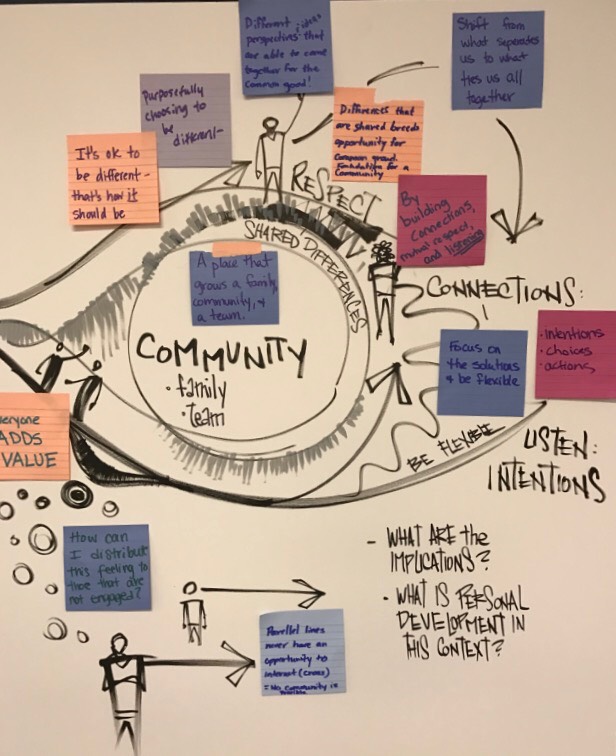 Attention on leaders makes for good copy, and gives us someone to blame when things don’t go right. But, is this shift from our own accountability as a community contributing to this blame game? Peter Block suggested in his book Community: The Structure of Belonging that “People best create that which they own, and cocreation is the bedrock of
  accountability.” Therefore, leaders must become convenors as opposed to service providers. Leadership is convening and held to three tasks:
- Shift the context within which people gather.
- Name the debate through the powerful questions.
- Listen rather than advocate, defend, or provide answers.
As leaders, I have come to realize, we must make the space available and bring the community together for the conversations and developing the future as opposed to answering all the questions and giving all the solutions. Questions open the door to the future and are more powerful than answers in that they demand engagement. The future is created through the exchange of promises between citizens, the people with whom we have to live out the intentions of the change. These exchanges and conversations create a space for learning and for producing knowledge that intersects with the needs and demands of a social movement.
“Our love of problems runs deeper than just the joy of complaint, being right, or escape from responsibility. The core belief from which we operate is that an alternative or better future can be accomplished by more problem solving. We believe that defining, analyzing, and studying problems is the way to make a better world. It is the dominant mindset of western culture.” ~ Peter Block
A shift in thinking and actions of citizens is more vital than a shift in the thinking and action of institutions and formal leaders. Most sustainable improvement in community (you can also insert your organization name here because it is a community) occur when citizens discover their own power to act (intent-based leadership). According to Peter Block “[I]t is when citizens stop waiting for professionals or elected leadership to do something, and decide they can reclaim what they have delegated to others, that things really happen.” This empowerment (intent-based leadership) is present is most stories os lasting community and organizational improvement and change.
“Communities are built from the assets and gifts of their citizens, not from the citizens’ needs or deficiencies.” ~ John McKnight and Jody Kretzmann
It is all about us, as leaders, co-creating a community of possibility with all citizens. Possibility, here, is a declaration of what we create in the world each time we show up. It is a condition, or value, that we want to occur in the world, such as peace, inclusion, relatedness, reconciliation, or insert your own community needs here_______. A possibility is brought into being in the act of declaring. What possibilities is your community declaring and co-creating?
 Byron's Babbles
leave a comment