Our World Is Not A Mirage

I just finished reading Table for Two by Amor Towles and of course there was one more thing said in this awesome book that caused me to reflect. In the conclusion, Evelyn said, “Because, If we don’t stare down the things that make us want to look away, then the world is just a mirage.” This is one of those statements that really makes you think. It’s all about mirror neurons. These mirror neurons in our brain are what enable us to have comprehension of empathy and give compassion. They also make it possible for us to figuratively feel someone’s pain, so that also triggers a looking away response. So, the reality is, there are things that make us want to look away.
“We carry each other’s pain. We learn together, or we do not learn.” ~ Nora Bateson in Small Arcs of Larger Circles
As I reflect on the phrase, “Because, If we don’t stare down the things that make us want to look away, then the world is just a mirage,” I interpret it as emphasizing the importance of facing difficult and uncomfortable truths or challenges head on in order to truly understand and navigate the complexities of the world. So many times we are guilty of looking away and believing someone else will take care of it or the issue doesn’t affect us. Avoiding or ignoring uncomfortable realities, however, only leads to a distorted and superficial perception of reality, like a mirage that disappears upon closer inspection. The mirage is such a powerful metaphor here.

“Before all else we are of the ecosystems. ‘I’ will be different tomorrow. So will you, all of you, us, they.” ~ Nora Bateson in Small Arcs of Larger Circles
We are also reminded that effective leaders must have the courage and willingness to confront difficult issues head-on rather than turning a blind eye, in order make informed decisions and drive positive change. There will always be flaws in the world around us. One thing is for sure; the world is not a mirage. Our personal actions have an impact on everyone else and visa versa. We must not turn a blind eye, but stare down the flaws and look for solutions.
Sometimes The Door Opens Twice

“Sometimes the door opens twice.” This phrase was said by Litsky in Table for Two by Amor Towles and got me thinking about the phrase we’ve all heard that my mom used to tell me: “When one door closes another one opens.” This phrase, when my mom said it, was not cliché. She really believed it and guess what? I believe it too. New opportunities do arise after failed dreams. Sometimes we create those opportunities, others sometimes intervene on our behalf, and other times we are in the right place at the right time.
“Luck is what happens when preparation meets opportunity.” ~ Roman philosopher Seneca

I loved the phrase, “Sometimes the door opens twice” because we are so locked in to the mindset that opportunity knocks but once. We actually say it this way: “opportunity seldom knocks twice.” Many times we are offered an opportunity a second time or given a second chance. We can put ourselves in a position to have the door open twice. The second time the door opens may mean it is a good opportunity and that you should seriously consider it. A door opening for the second time may also signal the opportunity is important and that you should not let it pass you by.
The only way to know is a door is right for you is to go through it. A door might open a second time so we can continue to work on a dream. Other times the open door might be leading to something that you never considered before. Let’s all make sure we are looking for open doors.
The Moral of The Story

Another statement in Table for Two by Amor Towles gave me pause for thinking. In Finnegan it was said, “Every story has a moral, Doherty used to say, but most have more than two.” As I pondered this, I realized that while every story may have a lesson or moral to be learned, some stories may have multiple morals or lessons that can be taken away from them. This just highlights the complexity and depth of stories and the various ways in which they can be and understood. The moral(s) of the story enable us to visualize ideals. We need context as well as content. The best morals of stories are evocative and elicit emotion.
The leadership story of Abraham Lincoln is one such story with multiple morals. One moral that can be drawn from his leadership is perseverance in the face of adversity, as he overcame numerous challenges throughout his life. Another moral could be the importance of honesty and integrity, as Lincoln was known for his honesty and ethical behavior. Additionally, his ability to unite a divided nation serves as a moral of diplomacy and compromise in leadership.
Great stories convey multiple meanings and make complex ideas understandable. There is power in the story.
Remaining Significant and Inspiring Others

I continue to get a great deal of thought inspiration from reading Amor Towles’ great book, Table for Two. The latest point Eve made when speaking of Charlie was, “He was shifting from the life of doing to the life of remembering.” This really made me think about how we need to stay significant as we go through the different phases of life and reinvent ourselves. As a person who really never wants to retire I think about this a lot. In fact, I have blogged about this before in Significance: Impacting Outside Yourself. I am now in my seventh decade and I do a lot of remembering and using past experiences to inform new challenges. I DO NOT, however, want to stop doing. I just believe that “doing” looks different at different phases in our life. As we age and transition from a life of doing to a life of remembering, it’s important for leaders to focus on sharing their wisdom and knowledge with others.
One way to remain significant is through coaching and mentoring younger generations, writing books or articles, giving speeches, blogging, or even starting a podcast or YouTube channel to share their experiences and lessons learned. By staying engaged with the world and continuing to make a positive impact, leaders can remain significant and continue to inspire others.
Celebrating Things Yet To Be Done
I’ve got to admit, I am not a very big fan of lists, but I do make and use them. Particularly “to do” lists, so I don’t forget things I need to do. I did find it inspiring, however, when in Table for Two by Amor Towles’ Eve said, “A list is a celebration of things not yet done.” That was a great perspective. Really, we should see our to-do lists as being like a compass, helping us navigate through the sea of tasks.
Instead of focusing on what we haven’t done yet, we should see our list as a roadmap of exciting opportunities and experiences to look forward to. It can be a celebration of potential growth, learning, and new achievements waiting to be accomplished. Embracing the unknown can bring a sense of anticipation and motivation to accomplish new goals and dreams. Let’s celebrate all the great things we have yet to do.
Our Need For A Niche

This week during my continued reading of Amor Towles’ latest and incredible book, Table for Two, I came across a discussion of “niches.” Eve makes the comment, “You can’t beat a man who has a niche.” This really is true that we all need a niche. Having a niche is so important because it allows us to focus on our unique strengths and interests, which can lead to greater fulfillment and success. By specializing in a particular area, we can stand out from the crowd, build expertise, and make a meaningful impact in our chosen field. It also helps to differentiate ourselves from others and attract specific opportunities that align with our skills and passions.
Finding our niche can be a process of self-discovery and exploration. Our niches may/will change over time. It is part of our evolving and growth over time. We need to consider our unique perspectives, passions, and our expertise. For myself, I call these passion bubbles. Ultimately, finding our niche is about aligning our skills and passions with a unique market need or opportunity. It may take time and exploration, but the effort can lead to a fulfilling and significant career.
The Designated Study Space of The Studiolo

It is interesting that the idea of a private retreat to disconnect from our hectic worlds and for intellectual activities remains the same as in the Renaissance period. This week while reading Amor Towles’ latest and incredible book, Table for Two, studiolos were discussed in relation to paintings and art work. I found that a studiolo is a small room used as a study private retreat, typically found in a Renaissance palace or mansion. It was described as a room of one’s own. Really the precursor to the den, office, study, woman cave, or man cave. It would seem we have always needed our space. These rooms were often decorated with artwork, books, and other items to inspire intellectual pursuits and creativity. They were used by scholars, artists, and nobility as a quiet space for reflection and contemplation.
Machiavelli described the studiolo to a friend, by writing:
“When evening comes, I return home and go into my study. On the threshold I strip off my muddy, sweaty workday clothes, and put on the robes of court and palace, and in this graver dress I enter the antique courts of the ancients and am welcomed by them. . . . Then I make bold to speak to them and ask the motives for their actions and they, in their humanity, reply to me. And for the space of four hours I forget the world, remember no vexations, fear poverty no more, tremble no more at death: I pass into their world.”
Leonardo da Vinci, The Literary Works of Leonardo da Vinci, 1: 56, no. 23.
I have a space like this in my house. What I enjoy in it are all the little things that people have given me or that I have obtained while traveling that remind me of great friends, events, family, and places. Sometimes I catch myself looking at something and I am taken back to that place and my friends I have made there. For example, as I write this post I am looking up at a gift (see the featured image of this post) I was given while on my most recent international trip to Dubai. This piece means a lot to me because I went everyone on this plate with the individual who gave it to me. I love that Towles’ book, that I find to be all about relationships, reminded me how important keeping all our relationships front of mind is. I, for one, am bad about letting some of the people who I have been close to drift away when not in close proximity on a regular bases. I have gotten better, but need to continue to get better. The things in our studiolos can help as reminders of this.
As I stated earlier, the concept of a studiolo has evolved into modern home offices or personal libraries. People still create spaces in their homes for intellectual pursuits, creativity, and quiet reflection. Having a designated space for personal reflection and intellectual activities can be beneficial for mental health and productivity. It provides a sanctuary from the distractions of everyday life and allows for focused thinking and creativity. Having a studiolo or similar space can help us decompress, recharge, and enhance their overall well-being.
These 5 Made Me A Better Person In 2021

Every year at this time I do a few blog posts about my top books of the year. To me I would rather hear an individual person’s picks rather than see top picks done by voting. I want to hear what someone learned from reading a book. Or, what inspired them about reading a book. That being said, feel free to reply to this post, about my top fiction author picks for 2021, with your top fiction picks. I am excited about this post because this is the first year I have read enough fiction books to have picks. I have to say I have grown immensely from reading so many fiction books this year. I wrote about the impact the fiction genre is having on me in Adding Fiction To The Reading Diet. I also have learned The Power Of Fictional Lives can have on us. In fact, I might goes as far to say I have grown more from reading fiction this year than non-fiction. So, because of all the fiction I’ve read, I get to do a “Top 5 In 2021.” I am going to cheat a little and do it by authors instead of books. That way I can include more books. I also am doing it by authors because the five incredible authors wrote multiple books that I absolutely loved this year. And, by the way, I blogged multiple times about all the books mentioned here. So, search the book titles in my blog and find out what I have learned and been inspired by from these books. Here we go – my Top 5 Fiction Authors in 2021:
#1. Amor Towles –
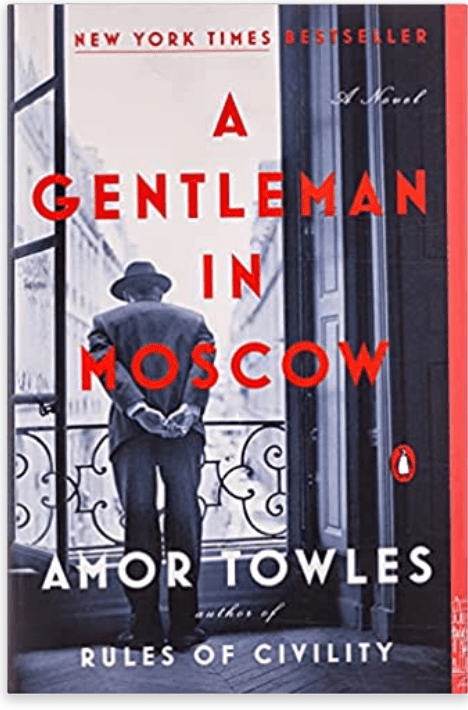
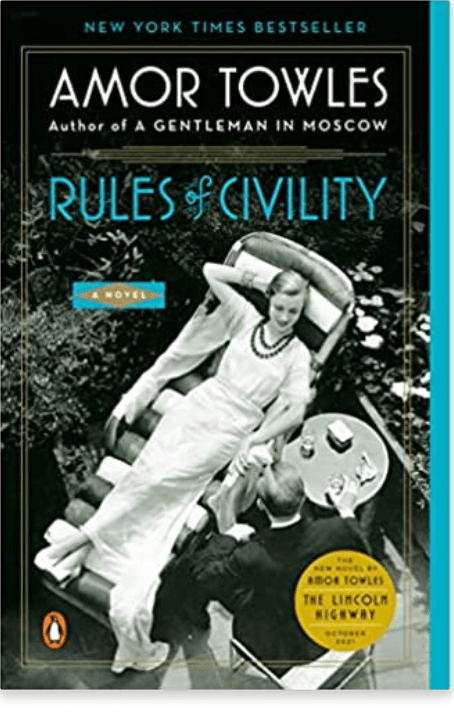
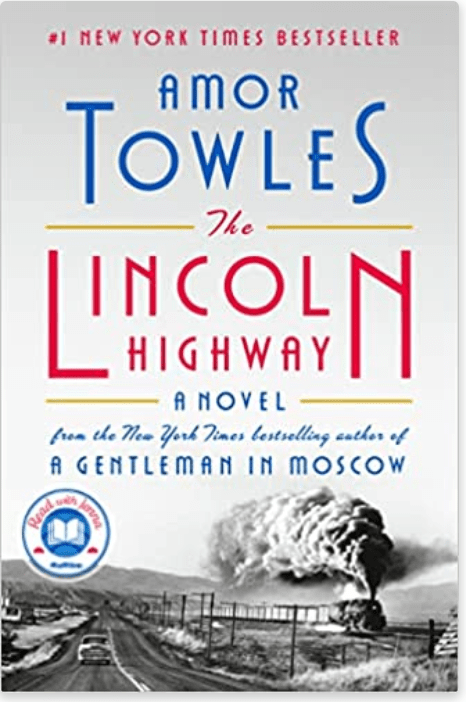
#2. Patti Callahan Henry – I am not really sure what to say here except that I love Patti’s writing. She is an amazing writer. Between her and Amor Towles I have overnight become a big fan of historical fiction.
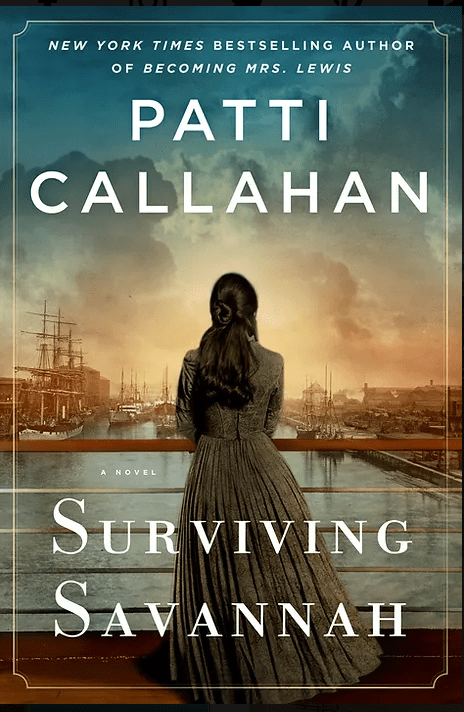
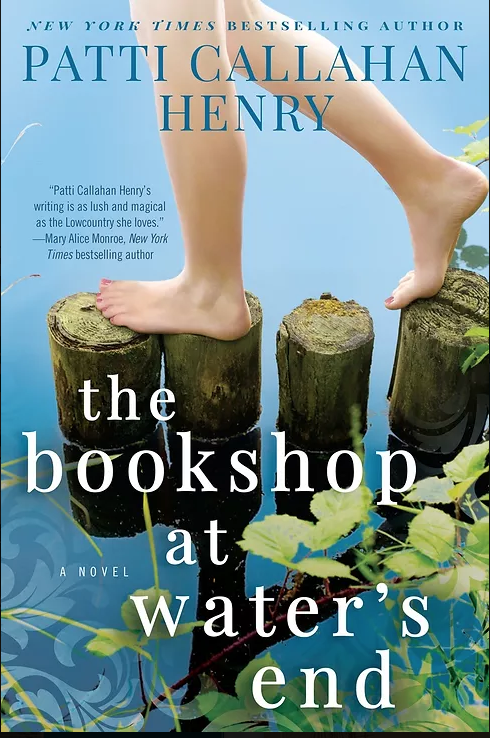
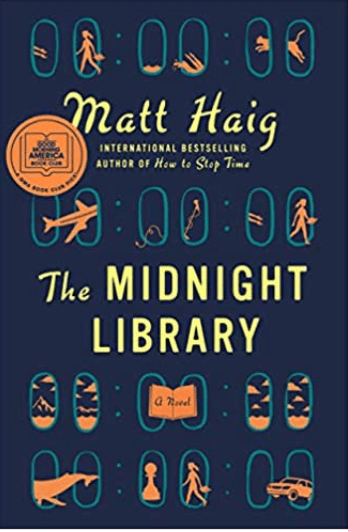
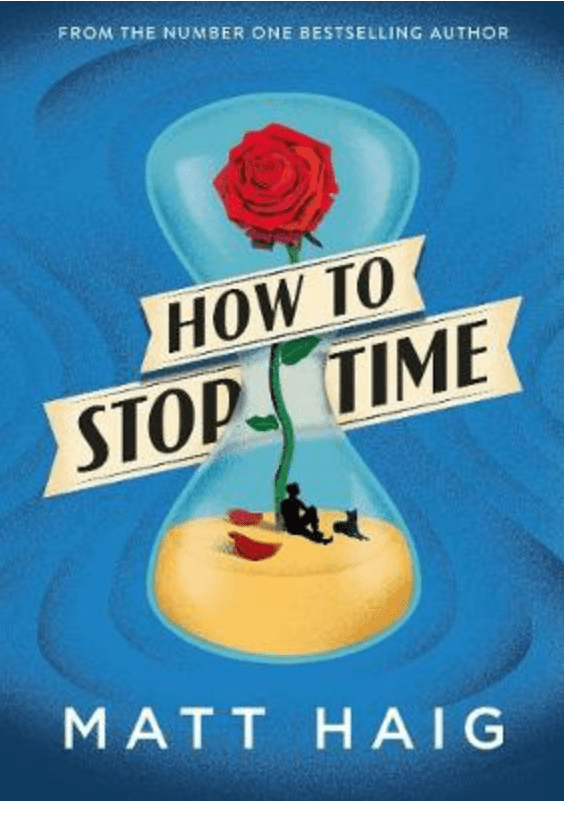
#3. Matt Haig – Matt’s work is amazing. He is the reason I am now hooked on fiction. I also read The Comfort Book by Matt this year and it may just end up on my top 5 of non-fiction.

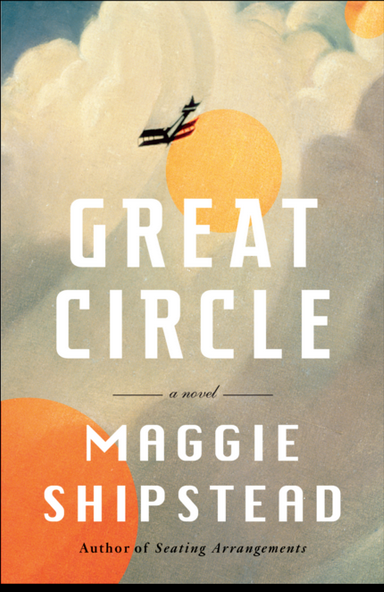
#4. Maggie Shipstead – Maggie has two other books I want to read in 2022: Seating Arrangements & Astonish Me. As I read this book I found myself googling to make sure this was not a true story. I love Maggie’s work.
#5. Suzy Vitello – Amazing, Amazing, Amazing! I want to read more from Suzy in 2022.

See why I needed to go by author and not by books. I want to close by saying a big THANK YOU as we close out 2021 to Amor, Patti, Matt, Maggie, and Suzy for being part of making a me a better person in 2021. Can’t wait to read more from you in 2022. And my big wish for 2022 is to meet each one of you in person in 2022. Happy New Year!
The Design Of The Pencil
Another great line from Amor Towles’ incredible book The Lincoln Highway, was about the design of the pencil: “One end is for saying something, the other for taking it back.” At first I thought about how it is too bad we’re not designed like a pencil, but then I decided that would probably not be a good idea. That would be too easy. We could say anything and then just take it back. Then we would not need to think about what we were going to say at all – not cool!
As it is now, our words matter. We don’t get to take them back or erase them. It’s kind of like when an attorney says something in a courtroom and then withdraws it or the judge asks the jury to disregard it. That’s really impossible – you can’t un-hear something. Even disregarding something you’ve heard is downright impossible. So, choosing what we say wisely is very important. We can’t just erase it.
Also, we can’t erase, subtract, or undo decisions, but we can make new ones. So many times we try to erase the past – we need to just take we learn and go on to new decisions. Remember, we were not designed to be a pencil.
Eliminating Disdain & Maintaining Respect

In the leadership development work I do we always all agree that relationships are the key to everything. And, they really are. Healthy and respectful working relationships are a must if you want an effective and enjoyable workplace, organization, community, or even world. One cornerstone to healthy relationship building is intellectual humility. When practicing intellectual humility, we open our minds to learning. With intellectual humility we become wiser. It is really about realizing that we can learn from opposing views and have more constructive discussions, even when we disagree. Practicing intellectual humility allows us to be less judgmental of others.

This has actually been a topic of my blog posts many times before. I began thinking about virtue signaling, which I first blogged about in Leading Without “Virtue Signaling.” Then, this morning, when reading in Amor Towles’ incredible book The Lincoln Highway, I came across this statement about Emmett Watson, an 18-year-old Nebraskan farm kid just released from a Kansas juvenile detention center after serving 15 months for involuntary manslaughter: “Emmett was raised to hold no man in disdain. To hold another man in disdain, his father said, would presume you knew so much about his lot, so much about his intentions, about his actions, both public and private, that you could rank his character against your own without fear of misjudgment.” That’s a pretty powerful statement, don’t you think? By not judging, virtue signaling, or holding others in disdain we enable a community that values learning and where learning happens when what is not known or understood is acknowledged.
We must model this humility by admitting when we do not know or understand something. Modeling also involves recognizing the value in opinions that are different from our own. In the face of conflicting evidence, we need to be open to changing our opinions. The disdain and contempt described by Emmett’s father destroys teams, communities, and relationships. It prevents trust and respect and makes it hard for any real human warmth. It is tangibly damaging, causes stress and can harm people emotionally, mentally and ultimately physically.
Finally, I am reminded of what Carlo Strenger said: “The difference between civilized disdain and political correctness is that the former allows one to feel disdain for a person’s or group’s views or beliefs while maintaining respect for the human beings that hold them.” There will be gaps in knowledge, ideological divides, differences of opinion, and cultural differences, but we must strive for fruitful cooperation and shared learning to be effective world citizens.
 Byron's Babbles
leave a comment