Leading By Being There
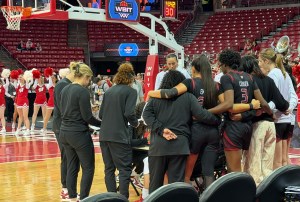
I teach all the time in my leadership development programs about how important presence and accessibility are for leaders. Last night I had the opportunity to attend the WBIT Quarterfinals Game in Madison, Wisconsin featuring Harvard vs. Wisconsin. Clearly with all my connections to Harvard University, I was going as a Harvard fan. But the trip got even more special when Harvard’s Assistant Coach Ali Sanders messaged me that she had a ticket right behind the bench for me. Priceless! I was going to be there and be present to support and root the team on. By the way: the seat was amazing. I got to sit next to and visit with parents of the team and meet Ali’s parents and family up from Illinois. Again, PRICELESS!

All of this really got to me to thinking about this whole presence thing and how important being there is. True presence is about availability and accessibility. It is about whether people feel they can reach you when it matters, and whether they believe you will respond with care and attention when they do. This was modeled very well from my vantage point as I watched the entire Harvard coaching staff.
As I watched Head Coach Carrie Moore interact with the team during the game I thought about what we all could take away from the continuous presence and coaching. Coach Moore was constantly communicating with team members. The question of how many miles of steps does a head coach get in on the sideline during a game?
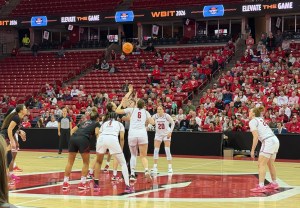
From a basketball coach constantly moving along the sideline and engaging with their team, we can learn that presence is dynamic and active. The coach’s movement and interaction demonstrate attentiveness, adaptability, and responsiveness—all key components of being truly present. This active engagement fosters a sense of focus and connection, emphasizing that presence isn’t just about physical stillness but about being fully attentive and involved in the moment. Additionally, it highlights the importance of both verbal and non-verbal cues, timing, and situational awareness in effective communication—paralleling how presence influences relationships and leadership beyond words alone.
 Byron's Babbles
leave a comment