Would I Have Done The Same Thing?
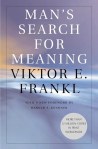
Back in November, at ExcelinEd’s National Summit on Education, Angela Duckworth told us we should all either read for the first time or reread Viktor Frankl’s seminal book, Man’s Search for Meaning. Because I always do as I’m told (you can laugh now), I am reading it now. Frankl’s work is a profound memoir and psychological exploration that recounts his experiences as a Holocaust survivor. The book emphasizes the importance of finding purpose in life, even amidst suffering and adversity. Man’s Search for Meaning remains a powerful testament to human resilience and the transformative power of purpose.
I have taken a lot of notes already and am only about half way through the book. As I was reflecting on my notes, I continued to be moved by the statement Frankl made, “No man should judge unless he asks himself in absolute honesty whether in a similar situation he might not have done the same” (p. 48). These are pretty good words to live by. It doesn’t necessarily make what happened right, but it certainly helps give some context. Frankl provided us with an important life lesson with this statement on the importance of humility, empathy, and understanding in judging others.
The statement reminds us that we should be cautious before condemning or judging someone’s actions, especially in extreme circumstances. Instead, we should reflect on our own potential responses in similar situations, recognizing that humans are complex and capable of a range of behaviors depending on circumstances. It also reminded me of the Bible verse in Matthew 7: 1-2, NIV: “Do not judge, or you too will be judged. 2 For in the same way you judge others, you will be judged, and with the measure you use, it will be measured to you.” Continuing in chapter seven, Jesus called us hypocrites for noticing in others what we fail to notice in ourselves.
Ultimately, asking ourselves if we might have done the same thing in a given situation fosters compassion, encourages non-judgmental empathy, and promotes a deeper appreciation for the resilience and moral dilemmas faced by individuals facing unimaginable hardships. It underscores the idea that true understanding comes from self-awareness and honest reflection.
 Byron's Babbles
[…] my post, “Would I Have Done The Same Thing?,” I mentioned that Angela Duckworth suggested either reading for the first time or […]
LikeLike