Embracing Constraints: How Limits Ignite Creativity and Deepen Artistic Expression

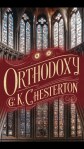
It is so exciting to be reading G. K. Chesterton, specifically Orthodoxy, right now. I love his use of examples, analogies, and metaphors. When discussing anarchism he argued that we are told to be creative artists without regard to any limits or laws. He refuted this saying, “But it is impossible to be an artist and not care for laws and limits. Art is limitation; the essence of every picture is the frame” (p. 44). Artists often thrive within certain boundaries—whether it’s the conventions of their chosen medium, societal expectations, or personal principles. These limits can serve as frameworks that inspire creativity, challenge artists to innovate within constraints, or help them communicate more effectively.
Chesterton’s quote highlights a profound insight into the nature of art: that limitation is not merely an obstacle but a fundamental component of creation. When he said, “the essence of every picture is the frame,” he emphasized that boundaries—like the frame surrounding a painting—shape and define the artwork, giving it structure and focus.
To illustrate what he meant, Chesterton gave us this example:
“If you draw a giraffe, you must draw him with a long neck. If, in your bold creative way, you hold yourself free to draw a giraffe with a short neck, you will really find that you are not free to draw a giraffe” (p. 44).
In this context, laws and limits serve as frameworks within which creativity can flourish. They help artists make deliberate choices about composition, form, and content, guiding their expression while still allowing room for innovation and transcendence. Without boundaries, art could become aimless or overwhelming, lacking coherence or impact.
Chesterton also left room for the idea that true artistic freedom often involves pushing against or transcending these limits. While the frame confines the artwork visually, the artist’s intention might involve breaking traditional boundaries, exploring new techniques, or challenging societal norms—all within or beyond existing limits. This tension between respecting constraints and daring to go beyond them fuels originality and emotional depth.
What Chesterton was suggesting is that limits are not inherently restrictive but are instead essential to all creative processes. They provide the structure necessary for meaningful expression, while the artist’s skill and imagination determine how to work within or surpass those boundaries to produce truly revolutionary art. This same idea of structure is true for us as leaders.
Whether an artist painting a picture or and artistic leader of an organization we need to push against restrictions to explore new ideas, challenge norms, and express our individuality. So, while laws and limits can guide and shape artistic expression, they don’t have to be strictly binding; sometimes, transcendence of boundaries leads to the most revolutionary art. Ultimately, whether we, as artists, should live by restrictions and limits depends on our intentions, style, and the message we wish to convey.
 Byron's Babbles
leave a comment