The Essentials Over Superfluities

Please allow me to have a third post in a row inspired by Richard Baxter and The Reformed Pastor (1656). Baxter’s spending a great deal of time on necessities versus superfluities has caused me to pause and do a great deal of thinking. Baxter emphasized the importance of discerning between necessities and superfluities in various areas of life, particularly highlighting how this understanding can guide us as individuals and leaders in our pursuits and service of others. We should prioritize the activities that align with our values and goals over those that simply fill time but lack meaningful value.
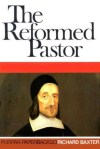
Baxter also stressed committing to lifelong learning and self-improvement as essentials, instead of chasing after status or accolades that may not contribute to true personal development. Gregory Nazianzen said, “Necessaries are common and obvious; it is superfluities that we waste our time for, and labour for, and complain that we attain them not” (p. 47). Baxter gave us this quote to emphasize the idea that basic needs and necessities in life are typically clear and universally recognized, while it is often the pursuit of excess and non-essential things that consumes our time and energy.
Nazianzen suggested that people tend to focus too much on superfluous desires, leading to frustration and dissatisfaction when they don’t achieve them. The point he makes encourages individuals to prioritize what truly matters in life—the essentials—rather than getting caught up in the endless chase for more or superficial gains. It’s a reflection on the importance of wisdom and contentment in one’s pursuits.
These superfluities can be related to many areas of our lives and leadership; even our reading. Baxter even gave us an example in choosing the books we learn from when he said, “If you are to choose what authors to read yourselves, will you not rather take those that tell you what you know not, and that speak the most necessary truths in the clearest manner, though it be in barbarous or unhandsome language, than those that will most learnedly and elegantly tell you that which is false or vain, and ‘by a great effort say nothing’” (p. 58). We must commit to lifelong learning and self-improvement as essentials, instead of chasing after status or accolades that may not contribute to true personal development.
 Byron's Babbles
leave a comment