Using The Truth From The Myths To Unleash Creativity

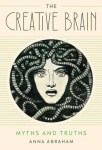
I’ve been thinking about myths a lot lately in my studies of C.S. Lewis and J.R.R. Tolkien. There is such power in myths and how those myths transform how we see the world. Myths often encapsulate profound insights about human nature, challenges, and triumphs, making them a rich resource for understanding how creativity manifests across different contexts. I am reading The Creative Brain: Myths and Truths by Anna Abraham right now and am impressed with how she has used myths to explore and understand human creativity and the creative process. By analyzing various cultural myths, she aimed to uncover universal themes and archetypes that resonate with the creative experience. Her approach was not to declare the myths about creativity as right or wrong, but to understand how the myths came about what we could learn from them. Tolkien would be proud!
There were so many examples of how myths serve as powerful tools for understanding how interdisciplinary approaches and personal narratives can inspire creativity and foster a deeper connection with one’s work and community. Leonardo da Vinci is an example that embodied the myth of lone genius, but he worked in a crowded workshop and collaborated with others across diverse fields of study. He embodied mastery across multiple disciplines. This myth serves as a reminder that embracing diverse interests can lead to innovative thinking and problem-solving. By drawing from various fields—such as art, science, technology, and philosophy, individuals can create unique solutions and drive progress in their respective domains.
Abraham’s work also affirmed the encourage of deliberate practice. I am a big believer in and always try to create opportunities for individuals to engage in deliberate practice that includes being curious within their fields. This means setting specific goals, seeking feedback, and reflecting on their learning process, which can enhance our creative skills over time.
Finally, recognizing the value of personal experiences in the creative process is so important. We need to encourage others and ourselves to draw on life stories, challenges, and successes when being curious, brainstorming, or problem-solving.
By leveraging the principles based on Anna Abraham’s research presented in this great book, organizations and individuals can cultivate an environment that nurtures and enhances creativity.
 Byron's Babbles
leave a comment