“Burro”wing In And “Mining” Some History
Yesterday I had the opportunity to spend the morning on Lake Havasu in Arizona. It was absolutely glorious. Lake Havasu is a large reservoir located on the Colorado River, straddling the border between California and Arizona. The lake was created in the 1930s by the construction of the Parker Dam (I’m going there today), it serves as a vital water supply for irrigation and municipal use in the region. Lake Havasu is famous for its recreational opportunities, including boating, fishing, and swimming, making it a popular destination for tourists and outdoor enthusiasts.
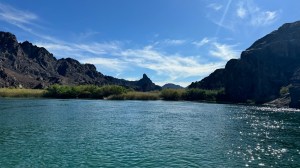
The area also features the iconic London Bridge, which was relocated from England by Robert P. McCulloch, who founded Lake Havasu City, adding to the lake’s unique charm and cultural significance. I blogged about the London Bridge in Leading Like McCulloch Moving The London Bridge. Lake Havasu offers one of the most picturesque landscapes I’ve ever experienced.
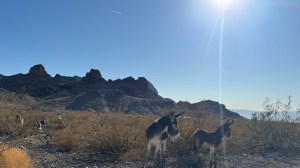
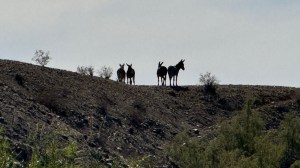
Just as I thought I had seen it all, I spotted burros along the banks of the lake (see the featured photo this post for the picture I took). In doing some research I found out that these burros are direct descendants of the burros used in the gold and silver mines in the mountains and canyons in the area. When the mines were shut down, the miners liberated the burros and they have thrived here in the wild ever since. Amazing!
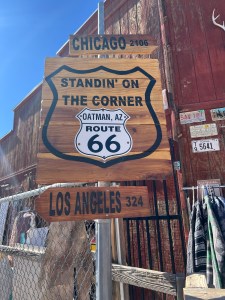
Then I learned of the burros living along Route 66, particularly in Oatman, Arizona. Of course, it was time to make the hour trek up Route 66 to Oatman. Boy am I glad I did. Oatman, Arizona the people, and the burros there are wonderful.
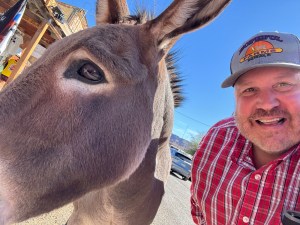
I never would have dreamed I would be taking selfies with descendants of mining burros!
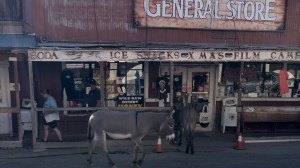
These burros hold a significant place in local history and culture. Here are a few reasons I found are why they are important:
- Historical Background: As I said earlier, the burros are direct descendants of the pack animals used by miners during the gold rush in the early 1900s. When mining declined and ceased all together, the burros were liberated, and they adapted very well to the wild environment.
- Local Symbol: The burros have become a symbol of Oatman and its Old West charm. Their presence contributes to the town’s unique character and attracts tourists, making them an integral part of the local economy. Let me tell you from experience it is UNIQUE! And again, I loved the people, the town, and the burros!
- Wildlife Management: The burros represent a connection to the region’s wildlife heritage. They are now considered part of the local ecosystem, and their management is essential to balance their population and the environment.
- Tourist Attraction: Visitors along Route 66 and to Oatman often enjoy feeding and interacting with the burros, making them a key part of the tourist experience. This interaction helps promote awareness of the town’s history and the importance of conservation.
- Cultural Significance: The burros have been woven into local folklore and stories, enhancing the cultural tapestry of Oatman and reflecting the spirit of the American West.
For me, the burros of Oatman are not just animals; they are iconic representations of the town’s history, tourism, and cultural identity.
 Byron's Babbles
leave a comment