Using Tolkien’s Leaf By Niggle As A Guide To Living With Significance

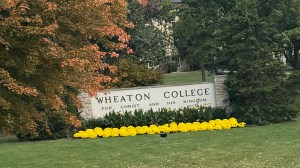
This past week I did research at The Marion E. Wade Center at Wheaton College for a book project related to my Scholar In Residence Program at The Kilns. I had the opportunity to sit down and visit with Dr. Jim Beitler, Director of the Wade Center, the Marion E. Wade Chair of Christian Thought, and a Professor of English at Wheaton College. I have gotten to know Dr. Beitler through the Wade Center’s Continuing Scholars Program. He is an amazing individual and I much appreciated his making himself available to me.

When we were done visiting I asked Dr. Beitler to pick something for me to read while here at the Wade Center this week. He almost immediately asked if I had read Leaf By Niggle by J. R. R. Tolkien. I said “No.” He gave me a brief description and later that day I read it. Wow! I really believe Dr. Beitler had gained enough background from our discussion and what I had sent him as background to the project I am working on that he knew I needed to read Leaf By Niggle. This short story was just what I needed to get in the right frame of mind for a few days of research, studying, and writing. Dr. Beitler had served as an Inkling for me. I hope at some point I can be an Inkling for him.
Before digging in any further, let’s examine Tolkien’s genius in picking Niggle for the protagonist’s name. According to Merriam-Webster “niggle” is a verb meaning “1. a. Trifle; b. to spend too much effort on minor details; 2. to find fault constantly in a petty way.” As a noun Merriam-Webster defines “niggle” as: “a trifling doubt, objection, or complaint.” Hopefully, you are not one that finds yourself “niggling” but I am sure we can all relate to falling into this trap at some point.
Leaf By Niggle by J.R.R. Tolkien impacted me with several profound lessons, primarily centered around the themes of purpose, creativity, and the nature of life. Here are some of my key takeaways:
- The Importance of Purpose: The story reflects on the journey of life and the importance of having a purpose. Niggle is an artist who feels compelled to create but is often sidetracked by trivial concerns. I was also reminded that we must control our passion. His journey emphasizes that having a focus and dedication to one’s work can bring fulfillment, even amidst distractions.
- Embracing Imperfection: Niggle’s struggles with completing his painting serve as a metaphor for the larger struggle of life. It highlights that perfection may be unattainable, and it’s important to embrace the process of creation rather than fixate solely on the outcome. The innovation Niggle was creating with his art was serving as a disruptor to society on a great level.
- Selflessness and Service: As Niggle is forced to help his neighbor, he learns the value of selflessness and caring for others. This transformation illustrates how acts of compassion can lead to personal growth and fulfillment.
- The Afterlife and Legacy: The conclusion of the story suggests a vision of the afterlife where one’s true contributions and efforts are recognized. It serves as a reminder that our actions and creations have lasting significance, and they may continue to grow and flourish beyond our immediate understanding.
This last point (#4) about legacy and lasting significance is an important one. I know I wish I would have learned much earlier in life that being significant is much more important than successful. Maybe there needs to be the success (money, accomplishments, position, awards), in order to be in a position of being respected, renowned, and listened to. But we must then know when to examine what we are becoming or have become to become significant in leaving our legacy.
We should not wait for the “journey,” in Niggles case, what I believe was a metaphor for purgatory, but a continual self examination of our lives and the legacy we are leaving. Socrates taught that, “An unexamined life is not worth living.” We need to realize that from the start we are creating significance and a legacy. I believe Tolkien was describing his own writing journey of The Lord of The Rings through Niggle in this story. In contrast to C. S. Lewis who could put his images to paper very quickly, Tolkien was much slower, agonizing over every detail, trying to make it perfect. Neither author, at the time, could have any idea of the legacy they would leave.
Overall, Leaf By Niggle invites reflection on the meaning of creativity, the value of kindness, and the impact we leave behind, encouraging readers to find balance in their pursuits while remaining open to the needs of others.
 Byron's Babbles
leave a comment