Unlocking Individual Potential: The Power of Path-Dependent Learning

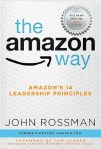
As a leader, accounting for the diverse experiences and perspectives of those you serve is essential for fostering an inclusive and effective team environment. In saying that “lessons are path dependent” in the great and must-read book, The Amazon Way: Amazon’s 14 Leadership Principles (updated 3rd edition), author John Rossman was emphasizing that the insights and knowledge we gain from experiences are influenced by the specific circumstances and journeys we’ve traveled. In other words, the lessons we learn are not one-size-fits-all; they are shaped by our unique backgrounds, decisions, and the paths we’ve taken in our personal or professional lives.
For instance, two people may face the same challenge but respond differently based on their prior experiences, leading to different lessons learned. This concept suggested that understanding our own journey is crucial for applying past lessons to new situations effectively. It also highlighted the importance of context in learning and decision-making. Understand that context matters. Decisions made in one situation may not apply directly to another, but have important lessons learned for future decisions. So we need to be mindful of the specific circumstances surrounding each challenge.
Implementing path-dependent learning in an organization involves recognizing that past experiences shape how individuals and teams approach new challenges. It also acknowledges individual team member histories. Understanding the diverse backgrounds and experiences of your team members and customizing their professional learning and development is crucial to their engagement and success. Encouraging them to share their past experiences and how these have influenced their current thinking and decision-making processes is also important.
In my leadership development work with organizations I incorporate facilitating a great deal of reflection and historical learning. Holding regular reflection sessions where team members can discuss recent projects or challenges is another promising practice. We need to continually analyze how our past experiences can inform our learning, decisions, and outcomes.
Finally, we need to integrate learning into our planning. When planning new projects or initiatives, make it a habit to reference past experiences and how they may inform current strategies and actions. This can help ensure that the team learns from both successes and failures in each unique context.
 Byron's Babbles
leave a comment