Nobody’s Looking

A phrase I heard recently, although I can’t remember where I heard it or who said it, reminded me that we often worry too much about what others are thinking; or that we perceive they are thinking. In general, people are primarily invested in their own experiences and struggles. Others are not watching or paying attention to what we are doing near to the extent we think they are. People are generally more focused on their own lives and concerns rather than constantly monitoring or critiquing others. The phrase I am referring to was, “Nobody’s looking at your gaps. Everybody’s in their own story.” If you think about it, this is really true. This implies people are generally focused on their own lives, challenges, and experiences.
I know it is difficult to take the attitude of not worrying what others think, but as the quote I have shared here suggests, not as many as we think are watching anyway – if anyone at all. Individuals tend to be more concerned with their own flaws and struggles rather than constantly scrutinizing others for their weaknesses or shortcomings. The quote highlights the importance of not dwelling on your perceived faults or worrying about how others perceive you, as everyone is preoccupied with their own personal narratives and issues. As my dad used to say, “Their opinion of me isn’t any of my business.” There you have it from the wisest person I’ve ever known.
Knowing The Difference
I had the opportunity to watch an episode of The Virginian (1968, Season 7, Episode 182) recently. Trampas (Doug McClure) made a comment that really stuck with me. He said, “We need to improve the bad things, leave the good things alone, and know the difference between the two.” With so many things changing around us, I believe we sometimes forget that change for the sake of change can take away some of the great things we already enjoy. I do recognize how difficult it is at times to find the balance of promoting growth and progress while also appreciating and valuing the strengths and positives already present. Finding the right balance between change and preservation ensures a holistic approach that leads to sustainable and positive outcomes.
To “improve the bad things, leave the good things alone, and know the difference between the two” means we need to recognize and address the aspects of a situation or problem that are negative or need improvement, while appreciating and maintaining the positive aspects that are already working well. It emphasizes the importance of discerning between the two and making informed decisions on what to change and what to preserve. It is essential to recognize and appreciate the strengths and positives already present, as they serve as a foundation for progress and can provide motivation and inspiration.
Imaginative Versus Imaginary

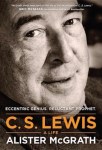
In C.S. Lewis: A Life: Eccentric Genius, Reluctant Profit, by Alister E. McGrath, we are told that C.S. Lewis believed “imaginative” and “imaginary” are two very different things. Imaginative relates to the creative capacity of a person, while imaginary pertains to things that are fictional or nonexistent in reality. There really is a difference and the two terms deserve to be considered.
Imaginative refers to someone’s ability or tendency to imagine, create, or come up with new ideas, concepts, or images. It is often associated with creativity, originality, and the ability to think outside the box. For example, a person with an imaginative mind may be able to envision new possibilities or solutions to problems.
On the other hand, imaginary refers to something that exists only in the imagination or fantasy, and not in reality. It describes things that are not real or tangible, but are created or perceived in the mind. As examples, imaginary friends, creatures, or places are figments of the imagination and do not exist in the physical world.
Eternally Out Of Date

I am loving reading the great book, C.S. Lewis: A Life: Eccentric Genius, Reluctant Profit by Alister E. McGrath. In the book, he gives context to C.S. Lewis’ saying, “All that is not eternal is eternally out of date.” Lewis was expressing the idea that things that are not timeless or everlasting in nature eventually become obsolete or irrelevant. In other words, anything that does not have eternal value or significance will eventually fade away and lose its relevance in the grand scheme of things. I believe we must live in the present with a view toward the eternal. By viewing life this way it completely flips our priorities. Life becomes less about instant gratification and more about purpose and significance.

While it appears that Lewis believed that true wisdom and meaning could only be found in eternal truths and principles that transcend time and temporal concerns, I also believe that he was referring to being open to changes in the non-eternal. His own life took many twists and turns – even his own conversation from atheism to believing in Christ. Lewis had a deliberate intellectual strategy of open-mindedness. It has been said that Lewis had a passion for people and arguments. He could separate the person from the person’s opinion – not easy to do. Remember, if it’s not eternal it is eternally out of date! Lewis was not always this way and recognized he had to develop this ability to hear and seek to understand others’ opinions in himself. Others’ perspectives help supplement, iterate, and sometimes even change our own. Lewis understood this in both his personal and professional life, and provides an example for us to follow.
Dreaming Of Being Truly Useful

I finished the Audible Original Wild Swan: A Story of Florence Nightingale by Patti Callahan Henry, this afternoon. This incredible historical novel about Florence Nightingale really inspired me to reflect on a question I posed in my mind: What if Florence Nightingale had not chosen to give up her life of advantage for one of service? Her legacy as a compassionate caregiver, an advocate for evidence-based practice, and a selfless servant really struck me while reading this story. In the story, Florence Nightingale told her parents, “I dream of being truly useful.” That’s quite a giant leap to finding one’s purpose. Nightingale’s commitment to service over personal gain is a valuable lesson for everyone. She selflessly devoted her life to caring for others, even in the face of opposition and societal expectations. Her selflessness and dedication continue to inspire people to prioritize service to others and make a positive impact on society.

Had Florence Nightingale not dreamt of being truly useful, the world may have missed out on her incredible contributions to nursing and healthcare. She played a significant role in revolutionizing the profession and advocating for better healthcare practices. Without her influence, it’s possible that the field of nursing would not have progressed as much as it has today. Additionally, Nightingale’s dedication to helping others and her work during the Crimean War saved countless lives and improved conditions for soldiers. Her decision to prioritize service over personal advantage had a profound impact on both individuals and society as a whole.
I loved how Patti Callahan Henry wove Nightingale’s obsession with and careful practice of statistical analysis. Her evidence-based practice and the importance of data in healthcare was ahead of its time. She collected and analyzed data to advocate for better sanitation practices, leading to a significant reduction in mortality rates. Nightingale’s emphasis on evidence-based practice is still relevant today and has had a lasting impact on the field of healthcare. Florence Nightingale took the advantage she had been given and used it to give back and be of service to the world.
 Byron's Babbles
leave a comment