Belonging To Yourself

Isn’t it funny how something can happen that relates directly to something we are reading at the same time? This happened to me this week. A person in a training/development I was facilitating this week shared that she was reconnecting with herself and establishing a sense of self-ownership. Seeking our true identity is a process of self-discovery and self-awareness. It involves delving deep into ourself to understand our core values, beliefs, strengths, and weaknesses. By understanding who we truly are, we can make informed decisions aligned with our authentic selves, leading to a greater sense of personal autonomy and control.
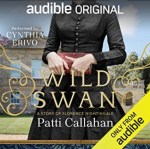
Then, this morning, as I was listening to the Audible Original Wild Swan: A Story of Florence Nightingale by Patti Callahan Henry, this same idea of self-discovery came up again. In the story, Florence Nightingale said, “I belonged to myself.” This really jumped out at me. To me, saying “I belonged to myself” means that one recognizes and asserts their autonomy and ownership over themselves. It suggests a strong sense of self-identity and the belief that one has the right to make decisions and choices for themselves, without external control or influence. It signifies a state of independence and self-possession, where one feels empowered and in control of their own life and destiny.
In the story, Nightingale believes her purpose goes beyond the Victorian societal expectations a daughter of an affluent family had at the time. In the story Nightingale said, “I’m hoping to come into possession of myself.” This, to me, suggested that she felt disconnected or lost in some way and was seeking a sense of self-ownership and control. We all need to find our true identity, establish our own core values and beliefs, or regain control over our life and actions. Essentially, it indicates a desire to discover and assert our individuality and personal autonomy. Sometimes we need to reinvent ourselves.
By seeking her true identity in the story, Nightingale allowed herself to establish healthy boundaries and assert herself in relationships and interactions. She truly came into possession of herself. When we are aware of our values, needs, and boundaries, we can communicate them effectively, set limits, and make decisions that prioritize our well-being. This empowerment contributes to a sense of control over our own lives, as we are no longer passive recipients of external circumstances but active participants who shape our own destiny. We too, like Nightingale, can have an extraordinary life of significance.
 Byron's Babbles
leave a comment