Learning At The Intersection
This morning as a I was going through my notes of ideas for blog posts, another I made while reading Leadership Unchained: Defy Conventional Wisdom For Breakthrough Performance by Sara Canaday jumped out at me. I already blogged once from inspiration gained from this great book in Unconventionality, but the comment she made saying, “Innovation happens at the intersection of different perspectives” made me reflect on one of my own core values of learning forward from different perspectives. Innovative ideas are not just about adding another feature or an
adjacent market. If we want to keep breaking new ground we must make it a priority to seek out the intersection of multiple fields, disciplines, and cultures. This is a place, Sara argued, we can create in our organizations, teams, and mind. All those different perspectives are far more potent than any incremental extension of what you are already working on using a single perspective. This kind of thinking will lead us to someplace completely different.
“You must go where these very changes are occurring – at all the intersections of industries, cultures, fields and disciplines.”
~Frans Johansson
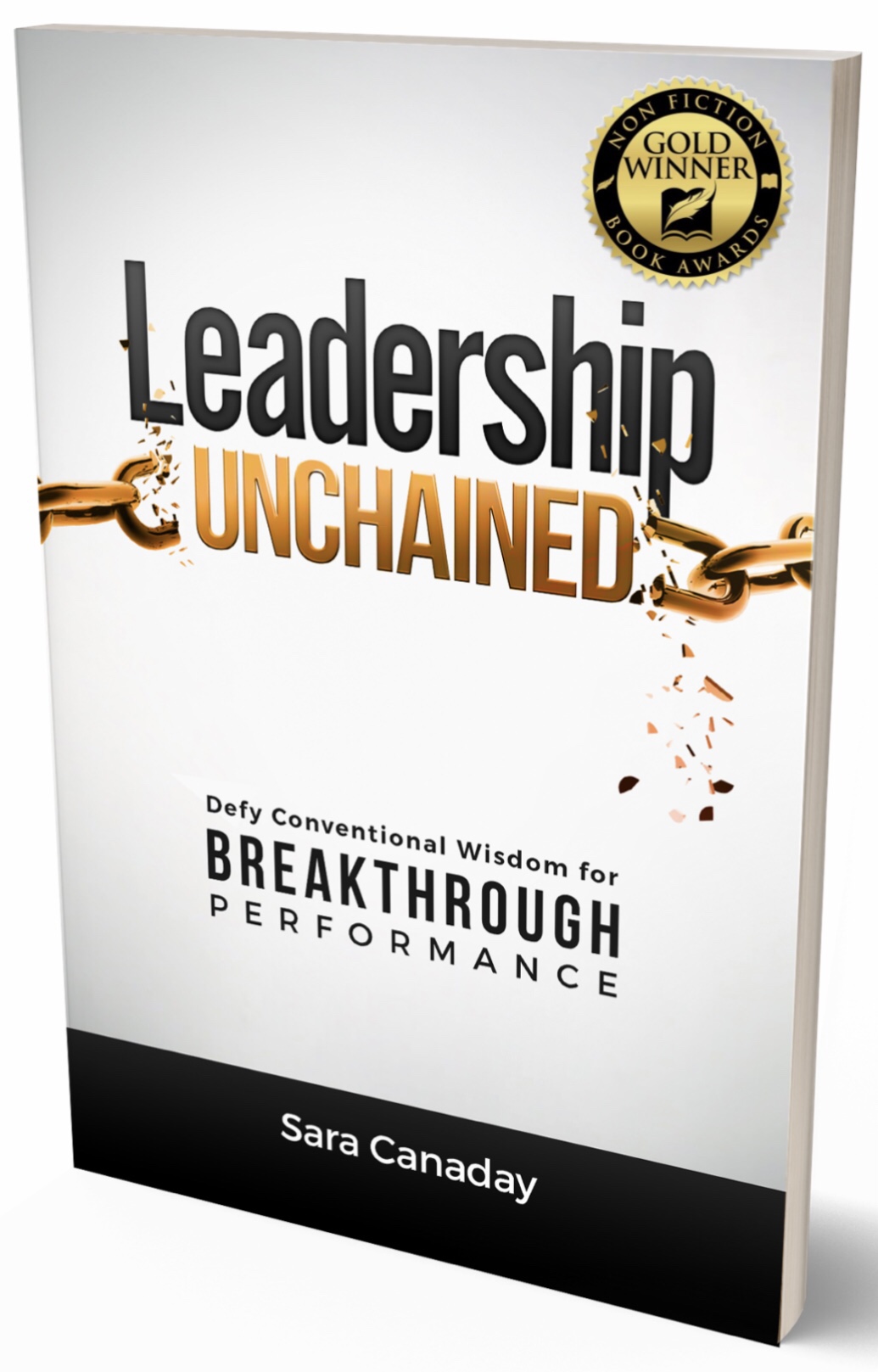
I love spending time with folks in other disciplines. Most of my reading is outside of the field I do most of my work in of education. I love intersectional learning. I want to learn about things I know nothing about and work with people in fields outside of my own and that will, in turn, stretch my learning and give me new ideas. At these intersections I am outside my comfort zone – or maybe I’m in a zone where I just love to learn. I believe we must surround ourselves with diverse cultures, upbringing, backgrounds, and abilities. Someone recently called me a multipotentialite. When I looked it up, because I had no idea what that was (see, I was learning something new), I saw things like “strong artistic curiosity” and “interest spanning multiple fields.” Guilty as charged! But, I really believe this wide interest and curiosity brings value to those I serve. I love it when I am in a planning meeting with a client and they say things like, “Byron, what are things you’ve seen out there that might apply to this, or might make this better?” Solving today’s complex and wicked issues needs a community of diverse thinkers. In a world where more specialization seems to be the conventional trend, I’m glad Sara Canaday reminded us that we need to defy that conventional wisdom and form communities of diverse thinkers.
Are You Where You Are?
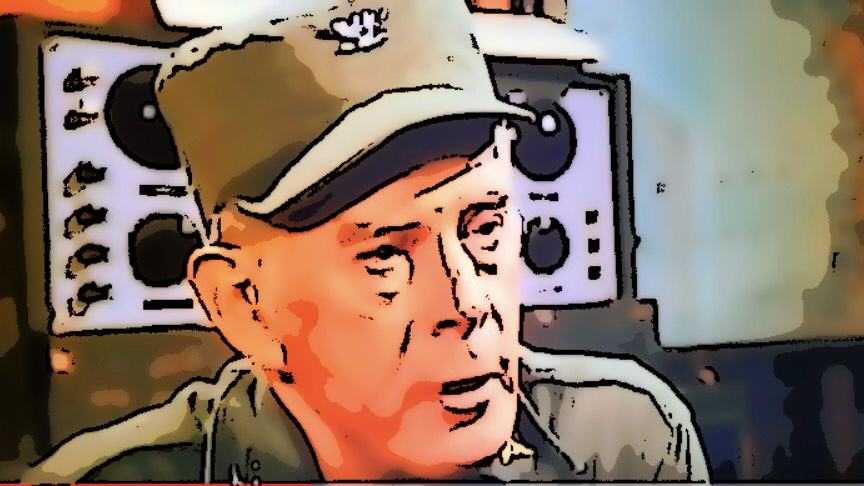
Okay, you caught me. I was watching M*A*S*H again last evening. I just can’t help myself and there are always so many things to think about. Last night I was inspired by a quote I heard Colonel Sherman Potter, played by Harry Morgan, say, “If you ain’t where you are, you’re no place.” This spoke to me, so I wrote it down. His quotes in M*A*S*H are awesome and always cause some deep thought. This quote is really the best definition of being present there is. Let’s read it again, “If you ain’t where you are, you’re no place.” The scene was set on Christmas with others making themselves miserable because they wanted to be somewhere else. Think about a time when you were at a gathering, professional growth opportunity, class, family event, in a conversation with someone, or even speaking to a group or presenting and your mind was somewhere else. What we end up doing is passing through that moment on the way to somewhere else and, in doing so, we miss the moment. During those moments, our time is spent in the past, the future, or wishing to be somewhere else rather than the present moment.
We need to lean into who we are and be fully present where we are. Being fully present is becoming engaged in whatever we are doing at the moment and soaking in all the sensations that go with it. Being a present person does not mean that we never think ahead and that we always live in the moment. Becoming present means that when we have carved out time for something or an opportunity for an experience develops, we are all there. We soak it in. It becomes intentional. The act of being fully present makes a difference not only to yourself, but also to the people you serve, love, and spend time with. The experiences become richer, more meaningful, and more enjoyable because you are there and engaged instead of being no place. Are you where you are?
Unconventionality

I finished a great book this week by the great author and leader, Sara Canaday. The book was Leadership Unchained: Defy Conventional Wisdom For Breakthrough Performance. Anyone who knows me, would know that I’m going to read anything that’s about defying being “conventional.” I had the chance to meet Sara last year. She is such a unique and gifted leader. It is immediately evident when meeting her and reading her work that she “walks the talk.” I was reminded when reading Leadership Unchained that defying conventionality requires allowing for creativity, flexibility, and risk taking. Leadership free of conventionality is the key to creating the unconventional cultures needed today to attract and retain top talent, have engaged and motivated team members, be innovative, and have a notable competitive advantage.
In all this, Sara emphasized that while it is important to not just do things the way we always have, it is imperative we stay true to five timeless qualities:
- Always being present
- Demonstrate grace and humility
- Development of employees
- Integrity
- Contributing on a higher level

One story Sara told in the book that really got me thinking was about the “black belt.” She taught us that being a black belt wasn’t about being an expert, because many times being an expert hinders new learning. The black belt wasn’t a pinnacle, but was about continuing to advance and learn. I’ve never liked or been comfortable with the term expert. It’s too final. When someone says, “Let’s hear from the experts,” it is probably not going to include much curiosity or openness to divergent thinking. In expert mode we are thinking about “what is” instead of “what if.”
Sara used the fact that we tend to think of those with black belts in karate or other disciplines as masters of their craft who have learned everything there is to know about it – a so called expert. But, that’s not true. A person who has achieved the black belt does represent great experience and learning, but according to the World Martial Arts Center, those earning the black belt “seek[s] new, more profound knowledge of the Art.” Just like the greatest leaders are constantly learning, growing, and evolving. I like to think of myself as being in a perpetual learning mode. Actually, I’m kind of weird in that I can learn from the most unlikely of things – a television show, fiction novels, a gummy bear, a song, a Manatee, or even a Platypus. If you don’t belief this, search through my blog.
There is much more that can be learned about all the different “belts” that started out as just white and black when Master Jigoro Kano first introduced the system in 1883. I learned from digging a little deeper that the black color symbolizes the darkness beyond the sun, and a person who has been awarded a black belt seeks to gain a deeper and further understanding. I am committed to continually seeking deeper and further understanding. How about you?
Fantasy Experienced As Reality

Fear is one of the most basic emotions and can be healthy when warranted. Different people have different fears – because they think different thoughts. Fear can hold us back and prevent us from moving forward. We must learn how to control our fear instead of letting our fear control us. Fear was the topic again this week in Chapter 40, “The Other Side Of Fear” in Mindset Mondays with DTK by David Taylor-Klaus (DTK). DTK starts out by asking, “What is the cost of letting fear stand in your way?” He also taught us that outside of something that would cause us mortal danger, being afraid just tells us what we are afraid of is something we care about.
“Fear doesn’t exist anywhere except in your mind.”
Dale Carnegie
I loved the FEAR acronym DTK used in this chapter – Fantasy Experienced As Reality. He told us that our brains don’t know the difference between perceived reality and what is happening in real time in the real world. In fact he wrote of brain research where, when monitored, many of the same brain areas were used when a pianist actually played a song or imagined she was playing. So, literally, fear is just in our heads. But, to me this is about visualizing success. Isn’t this why we do dress rehearsals? Isn’t this why we do walkthroughs or scrimmages prior to the actual game? Isn’t this why we visualize what success looks like, or feels like? I believe it was William Arthur Ward who told us, “If you can imagine it, you can achieve it. If you can dream it, you can become it.” Our aspirations are our invitations to set new goals, attempt new tasks, dare to travel uncharted courses. Let’s face our fears and visualize the success that is ours.
 Byron's Babbles
leave a comment